ParkaDownload
Biscayne National Park

Areas in Biscayne National Park

Biscayne National Park is best understood as a park of layers, moving from the mainland edge out through open bay, island chains, and finally the reef line in the Atlantic. Most visitors begin at Convoy Point, the park’s only direct mainland access, where the visitor center introduces the big picture: this is a mostly water park, and every outing depends on getting onto the bay by boat, tour, paddlecraft, or guided excursion. Along the mainland, the mangrove fringe forms the park’s quietest face—less dramatic than the reef, perhaps, but essential to the whole system, with sheltered shorelines, nursery habitat, and a sense of subtropical stillness that sets the tone for everything farther offshore. Beyond that shoreline, the park opens into the broad shallows of Biscayne Bay, a luminous expanse that defines the visitor experience. This is the realm of boating, wildlife watching, and long, scenic crossings between destinations, with the bay itself acting as both route and attraction. Rising from it are the northernmost keys and islands, including places like Elliott Key, Adams Key, Boca Chita Key, and the more remote ragged islets to the north and south. Each island area has its own personality: Boca Chita is the classic day-trip stop, with its iconic skyline and picnic-friendly feel; Elliott Key feels longer, greener, and more backcountry-minded, ideal for visitors who want to linger, hike, or camp; the smaller and more remote keys reward boaters looking for solitude and a more elemental sense of the old Florida coast. Visitors should think of the islands not as a single stop, but as distinct outings shaped by time, weather, and how independent they want the day to be. Farther east, Biscayne reaches its most spectacular zone at the outer reef tract, where the park transitions from calm bay waters to the living coral reef and the open Atlantic. This is the park’s showpiece for snorkelers and divers, with clear water, coral formations, tropical fish, and some of the most memorable underwater scenery in South Florida. Interwoven with the marine landscape are the park’s historic shipwreck sites, which add another dimension for confident boaters and divers. The smartest way to explore Biscayne is to choose your zone rather than trying to “see it all” at once: the mainland for orientation and easy access, the bay for scenic immersion, the islands for landing and lingering, and the reef for the park’s most vivid natural spectacle.

Boca Chita Key

Boca Chita Key

1 trails1 campgrounds

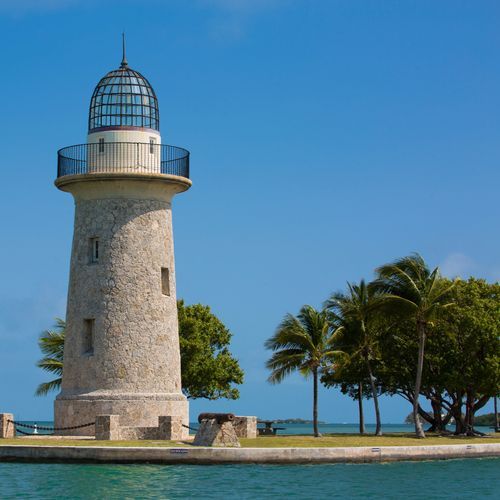
Boca Chita Key offers unique historical and recreational opportunities. Its iconic lighthouse, currently undergoing construction and thus closed to climbing, serves as a notable landmark. Visitors often enjoy picnicking and exploring the island's short walking trails. Boca Chita Key allows overnight camping on a first-come, first-served basis, providing a distinct experience. The island's small harbor caters to boaters, offering a convenient stopover. Its historical structures highlight the area's cultural significance.

Elliott Key

Elliott Key

1 trails1 campgrounds

Elliott Key is the largest island in Biscayne National Park, offering visitors opportunities for boating, fishing, and snorkeling. Unlike the mainland areas of the park, it provides a more secluded experience. The island features hiking trails through tropical hardwood hammock and mangrove forests. Camping is available, with facilities for overnight stays. Historically, Elliott Key was part of early development proposals and is now a popular spot for observing diverse marine life.

Convoy Point

Convoy Point

1 trails

Convoy Point serves as a gateway for exploring Biscayne Bay's serene waters and vibrant marine life. Unlike other areas in the park, it offers easy access to visitor facilities and ranger-led programs. The location is ideal for kayaking and provides a starting point for boat tours to nearby islands. Historical displays highlight the area's maritime past. Convoy Point's accessibility makes it a preferred choice for visitors seeking convenience.

Biscayne Bay

Biscayne Bay

Biscayne Bay offers a unique marine ecosystem rich in biodiversity, attracting snorkelers and boaters. Unlike the park's coral reefs, the bay's shallow waters provide a calmer experience for observing manatees and sea turtles. Its historical shipwrecks add an educational dimension, appealing to history enthusiasts. The bay's proximity to Miami makes it more accessible compared to remote park areas, offering a convenient escape into nature without extensive travel.

Jones Lagoon

Jones Lagoon

Jones Lagoon offers a serene escape with its shallow, clear waters ideal for kayaking and paddleboarding. It stands out for its rich biodiversity, attracting bird watchers and nature enthusiasts. Unlike more trafficked areas, Jones Lagoon provides a quieter experience, away from popular snorkeling spots. Visitors often encounter manatees and mangroves, highlighting its ecological significance. This tranquil setting offers a unique perspective on the area's natural beauty and wildlife.

Adams Key

Adams Key

1 trails

Adams Key offers visitors a peaceful retreat with opportunities for picnicking and day-use activities. Unlike the busier areas of the park, it provides a quieter experience, ideal for those seeking solitude. Historically, it was the site of the Cocolobo Cay Club, a private resort. Accessible only by boat, Adams Key lacks overnight facilities, ensuring a more exclusive, undisturbed environment compared to other public areas.

Stiltsville

Stiltsville

Stiltsville offers a unique glimpse into Miami’s maritime history, with its iconic houses perched on stilts above the turquoise waters. Unlike other areas, it provides a rare architectural perspective amidst natural surroundings. Visitors often explore by boat, appreciating the contrast between the structures and the open sea. Historically a hub for social gatherings, Stiltsville remains a testament to the area's cultural evolution, attracting those interested in heritage and scenic views.

Explore all areas with offline maps in the Parka app

Download Parka — It's Free

Explore Biscayne National Park areas with offline maps

Free on the App Store

Get Parka

Why Park Lovers Choose Parka

Trip Planner

All the tools for epic adventures

Works Offline

Fully functional without cell service

Updated Weekly

Trail conditions, alerts, and closures

Try Risk-Free

7-day free trial, cancel anytime

Start Your 7-Day Free Trial

Unlock everything you need for your next national park trip. Your first week is on us!

National Park vista

Start your adventure today

Download Parka and plan your perfect national park trip in minutes.