
Biscayne National Park, situated in southern Florida, provides a unique experience unlike any other national park. With 95% of its area covered by water, Biscayne is a sanctuary for marine life, coral reefs, and mangrove forests, making it an ideal destination for water based activities like snorkeling, diving, and boating.
Established to protect its unique underwater resources, Biscayne National Park shelters part of the Florida Reef, one of the largest coral reefs in the world, which serves as a critical habitat for a multitude of marine species. Visitors can explore the colorful and diverse ecosystems through guided snorkeling and diving tours that reveal the vibrant life beneath the waves, including sea turtles, rays, and over 200 species of fish.
Above water, Biscayne's keys, like Elliott Key and Boca Chita Key, offer opportunities for picnicking, camping, and observing wildlife along the shore. Birdwatchers will delight in spotting pelicans, herons, and ospreys among other species.
The park's cultural history is equally rich, featuring stories of pirates, pineapple farmers, and settlers, with remnants still visible through shipwrecks and artifacts that dot the coastline and the underwater Maritime Heritage Trail. Proximity to Miami means the park is accessible yet feels worlds away from the hustle and bustle of city life, offering serene waters and an abundance of natural beauty.
Biscayne National Park's unique blend of aquatic and terrestrial environments invites adventurers and nature lovers alike to discover its hidden treasures and expansive blue vistas.
Biscayne National Park
Florida
Florida
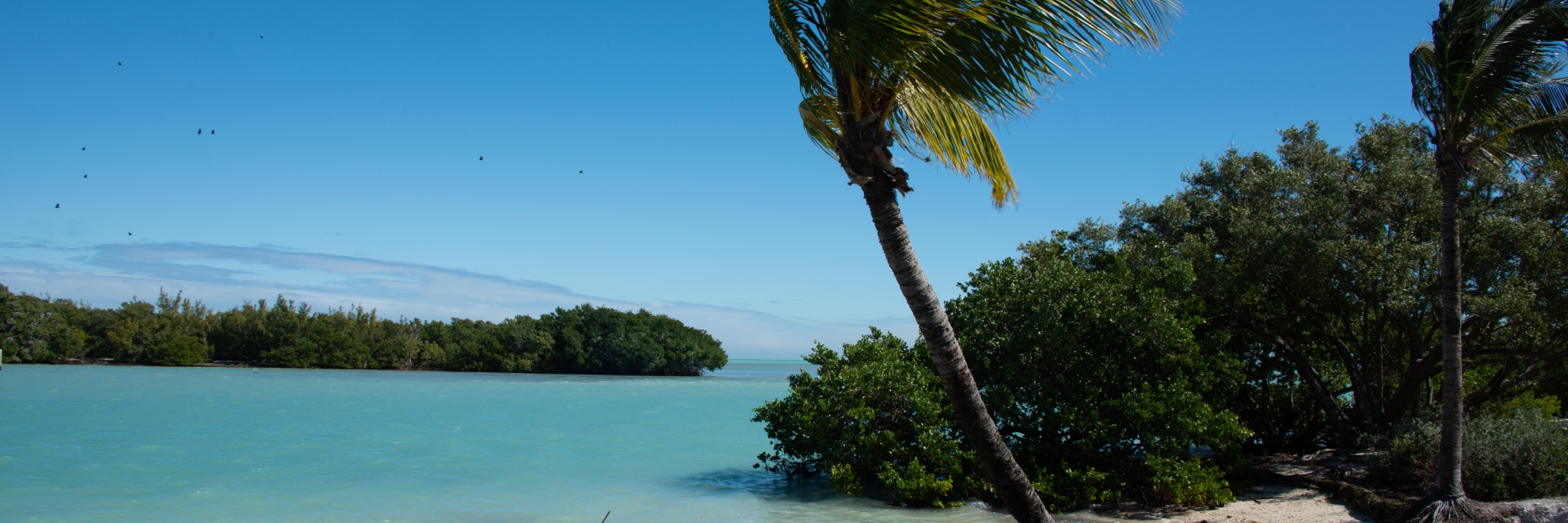
Most of Biscayne National Park is water, so boating is the main way to explore it. Its waters contain part of the Florida Reef, which is among the largest reef systems in the world, and snorkeling and diving bring visitors close to the coral. Biscayne Bay and the open Atlantic surround a chain of islands that form the northernmost stretch of the Florida Keys. Mangrove forests line the mainland shore, and many visitors come to fish. Shipwrecks scattered across the reefs recall centuries of human history, from the Glades people who lived here long ago to Spanish ships that wrecked on the coral. Boat excursions reach Boca Chita Key and the area's lighthouses.
Park Areas
All areas →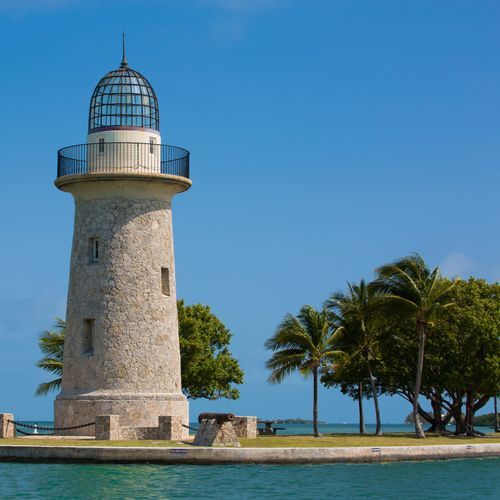
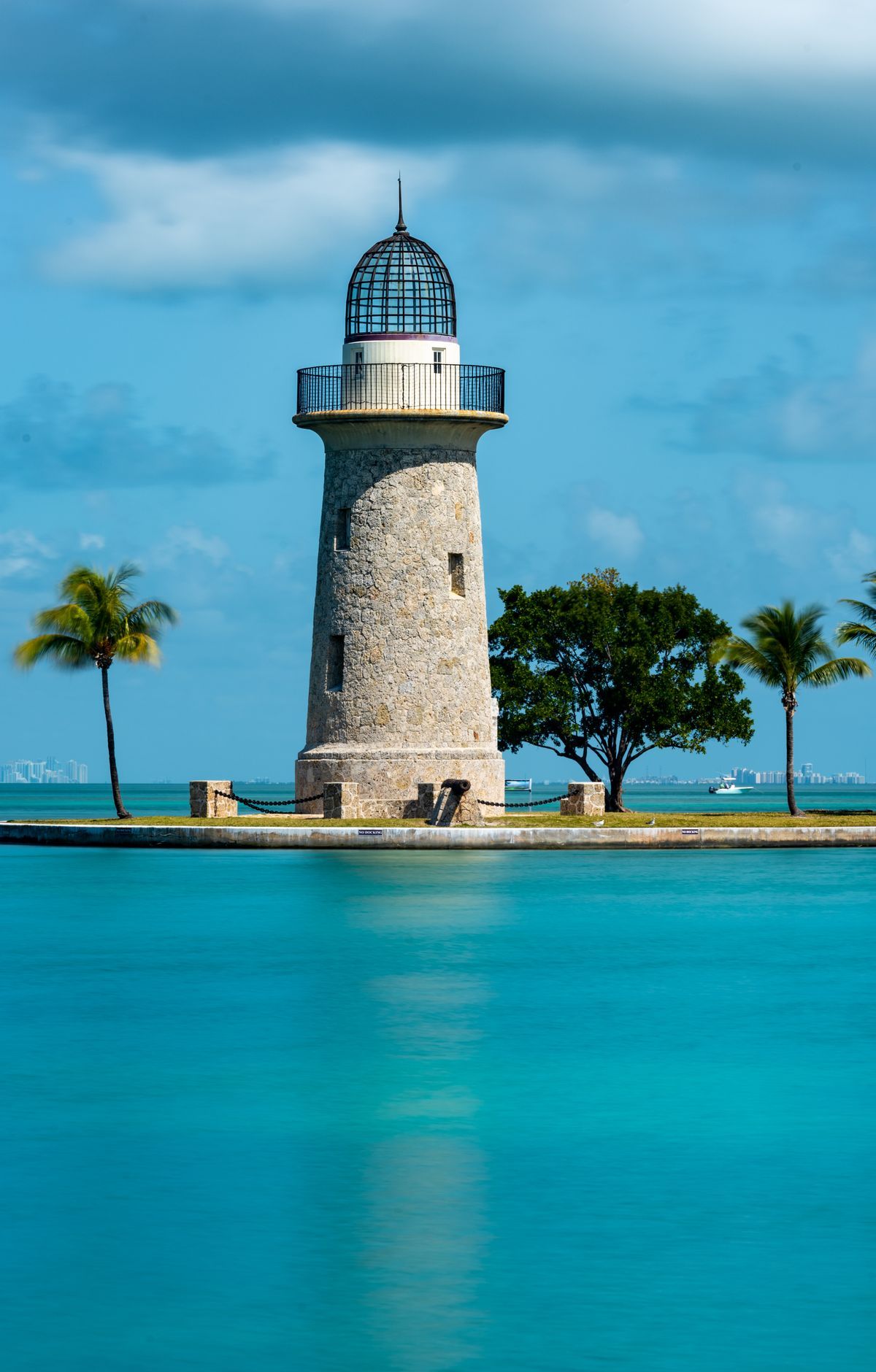
Boca Chita Key
More people visit this island than any other in the park, and boats are the sole means of access. Its small harbor has a single cleated bulkhead for docking. Mark Honeywell built the ornamental lighthouse in the 1930s, and its 65-foot tower rises at the harbor entrance as the best-known landmark. A half-mile path circles the island with views across to Sands Key, and a picnic area with a pavilion sits near the harbor. Campers pitch on grass, since none of the sites are paved. From the north beach, birders can spot brown pelicans and wading birds on unused pilings, and at high tide shorebirds rest along the boat basin walls, where royal terns are common. A three-hour boat tour led by a park naturalist also takes in the lighthouse and the island.
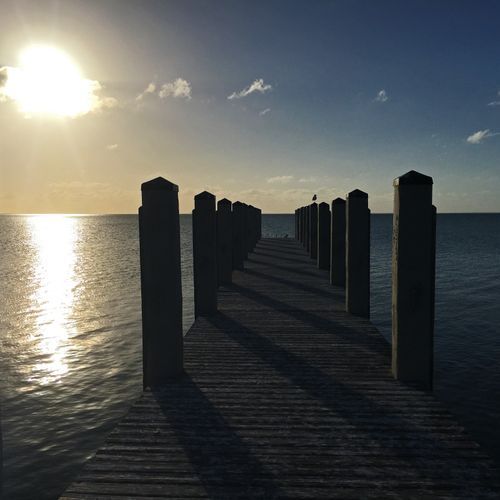
Elliott Key
Reached only by boat, this is the park's biggest island and the most northerly genuine key in the Florida chain. Pineapple farmers once settled here. Later, opponents of the park carved a seven-mile road down its length, known as Spite Highway, and trees have since filled much of that scar. Camping is available, picnic tables near the harbor make a good rest stop, and a designated swim area lies on the bay side. Bird watchers look for red-shouldered hawks and warblers along the trail, while brown pelicans and rare Caribbean species sometimes turn up as well. A mile-long loop trail begins on the bay side and passes through tropical hardwood hammocks, mangrove forests and beaches.
Convoy Point
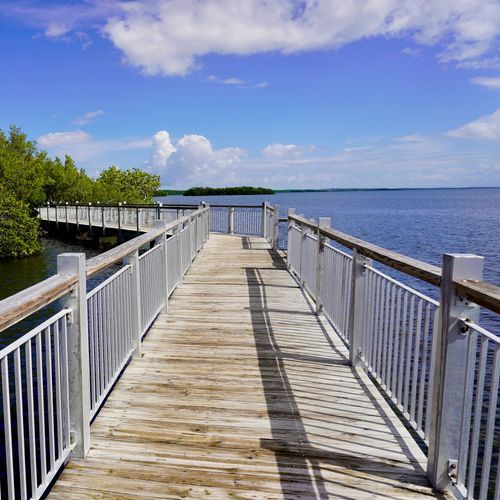
It is the only spot where the park meets the mainland directly. The Dante Fascell Visitor Center is where you can sign up for a boat tour or pick up a canoe or kayak. Inside, dioramas show the four ecosystems, and a Touch Table lets you handle corals, sponges, bones and feathers. Birders can spot yellow crowned night herons along the main road, migratory warblers by the visitor center, and shorebirds at the jetty's end. The Jetty Walk is a half-mile out-and-back route over pavement, boardwalk and gravel, and it passes a compass rose mosaic. Paddlers can launch their own canoe or kayak from the ramp beside the parking area, then spread out a picnic on the lawn. Pets are welcome on the grounds, though not inside the visitor center.
Biscayne Bay
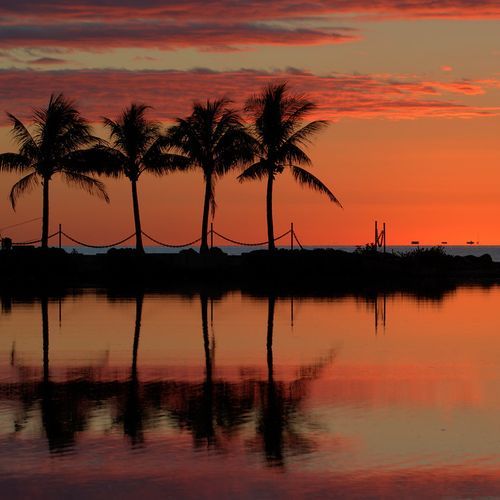
The bay is semi-enclosed and shallow, averaging about 10 feet in depth, with mangrove forests lining its mainland edge and many of its keys. Seagrass meadows cover parts of the bottom, and manatees and sea turtles move through these waters. Beyond the bay, offshore barrier reefs of living coral draw snorkelers and divers. Because most of the area is water, boats are the usual way to get around, whether for fishing for spiny lobster, snapper, grouper and tarpon or for trips out to Boca Chita Key. Canoes and kayaks suit the mangrove shorelines and shallow lagoons, where paddlers may spot rays and wading birds. Elliott Key makes a longer outing, with a walk along the full length of the island and the chance to camp on a subtropical island.
Jones Lagoon
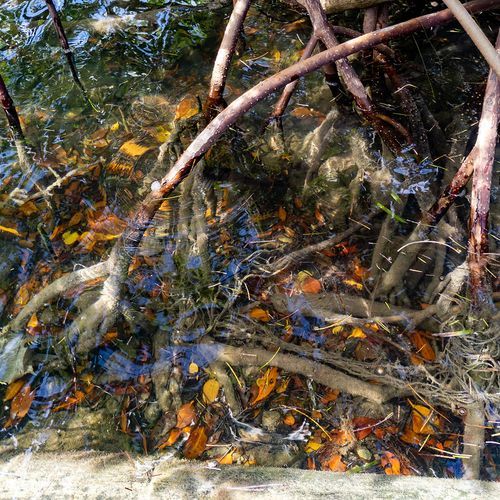
Totten Key and Porgy Key form this area along with the shallow waterways between them, and the lagoon is listed on the National Register of Historic Places. In the 1800s the Jones family grew pineapples and key limes here. Kayaking and stand up paddle boarding are popular ways to explore it. Paddlers reach the lagoon through Caesar Creek, then enter via Hurricane Creek, passing mangrove swamps along the way. Because the waterways lie well away from deeper canals and motorboat traffic, paddling here feels quiet. Look for rays, jellyfish floating upside down, fish in groups and wading birds in the shallows. Stay at least 300 feet from the bird rookery so the birds are not disturbed. Guided Eco-Adventure Paddle Tours are also offered by the park's authorized tour company.
Adams Key
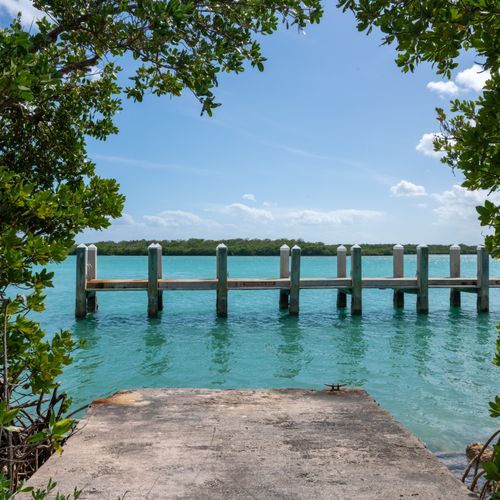
Once home to the Cocolobo Club, a retreat whose guests included Carl Fisher and Presidents Harding, Hoover, Johnson and Nixon, this small island is now a day-use area with no overnight facilities. It lies on the north side of Caesar Creek, which moves swiftly past its shores. The only way to reach it is by boat, so plan the crossing into your day. Set out on the short footpath that winds through the hardwood hammock, then settle in at the picnic pavilion, where toilets are close by, for a meal. Two households of park rangers also call the island home.
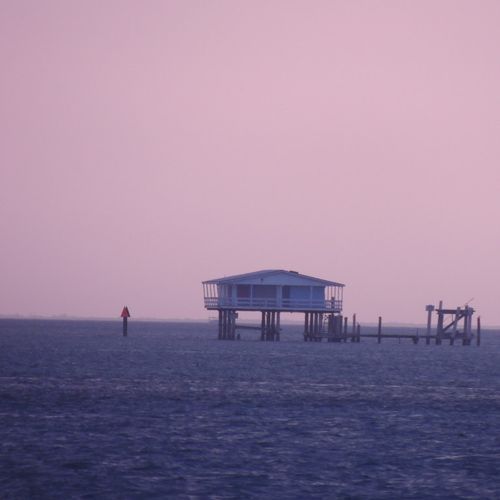
Stiltsville
Built on pilings in a shallow stretch of the bay just south of Key Biscayne, these houses rise above the water on their own legs. The community took shape in the 1930s, when alcohol and gambling were illegal, and its clubs, bars and gambling halls offered an offshore getaway. At its height, 27 structures stood here. Hurricane Andrew destroyed most of them in 1992, and fires have claimed others, leaving only six. The best way to see the scene is by boat, cruising past the houses with the Miami skyline in the distance. Visiting the houses requires special permission from the Stiltsville Trust, which maintains them under a cooperative agreement with the National Park Service. The Park Service has committed to preserving the community, and the trust plans to use it for overnight camping, educational programs and research.
Popular Hiking Trails
All trails →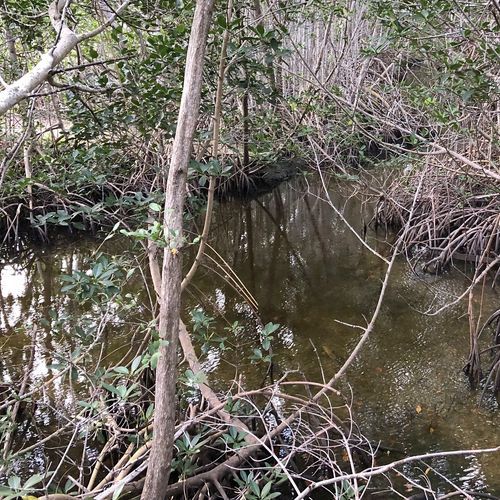
Black Creek Trail
Moderate9.2 mi
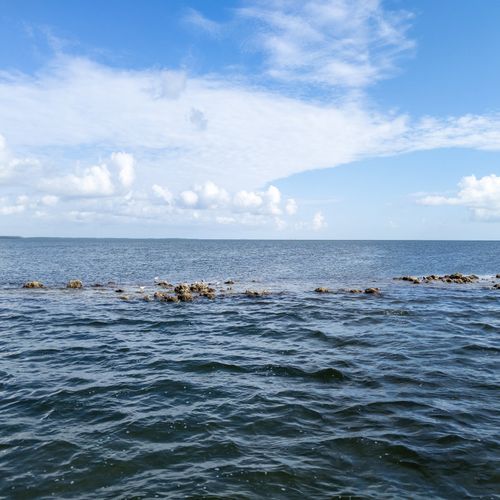
Elliott Key
Easy0.6 mi
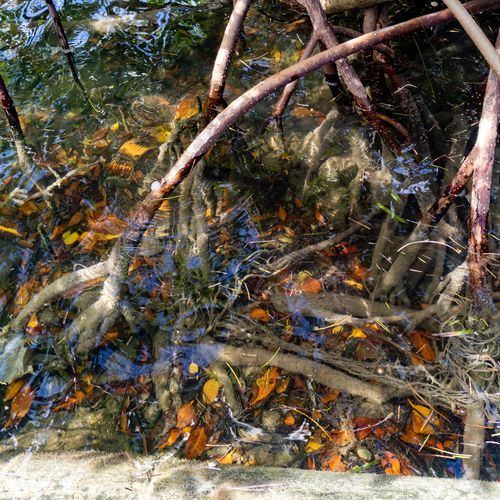
Adams Key Trail
Easy1.0 mi
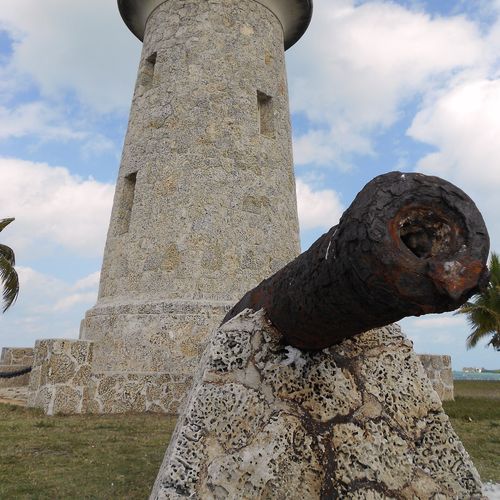
Boca Chita Trail
Easy0.6 mi
Visitor Centers
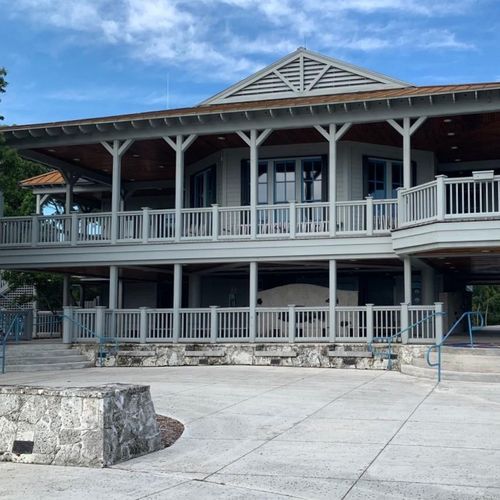
Dante Fascell Visitor Center
9:00AM - 5:00PM
Campgrounds
Camping guide →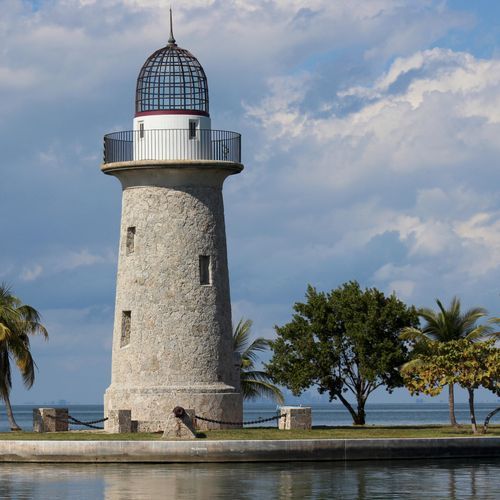
Boca Chita Campground
Boca Chita Key
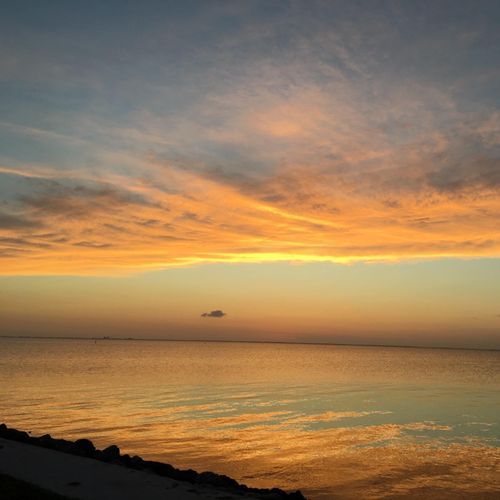
Elliott Key Campground
Elliott Key
About the Park
Park Areas
Boca Chita Key stands out with its iconic lighthouse and historical structures, offering unique historical and recreational opportunities. Visitors can enjoy picnicking, exploring short walking trails, and overnight camping on a first-come, first-served basis. The island's small harbor is a convenient stopover for boaters. Elliott Key, the largest island in the park, provides a more secluded experience with opportunities for boating, fishing, and snorkeling. It features hiking trails through tropical hardwood hammock and mangrove forests, and offers camping facilities for overnight stays. Convoy Point serves as a gateway to Biscayne Bay, offering easy access to visitor facilities and ranger-led programs. It is ideal for kayaking and serves as a starting point for boat tours to nearby islands. Biscayne Bay itself is rich in biodiversity, attracting snorkelers and boaters. Its shallow waters provide a calmer experience for observing marine life, and its historical shipwrecks add an educational dimension. Jones Lagoon offers a serene escape with shallow, clear waters ideal for kayaking and paddleboarding, attracting bird watchers and nature enthusiasts. Adams Key provides a peaceful retreat for picnicking and day-use activities, accessible only by boat, ensuring a quieter experience. Stiltsville offers a unique glimpse into Miami’s maritime history with its iconic stilt houses, providing a rare architectural perspective amidst natural surroundings.
Park Guides
All 11 guides →No Boat, No Park: Getting Around Biscayne
Most of Biscayne is water, roughly 95 percent of its area, so a boat is how nearly everyone gets around.
Dry Season, Mosquitoes and Hurricane Months
Biscayne has a subtropical climate, and sunny days are typical in every season. From November through April, the dry season brings cooler air than summer, though it never turns truly cold.
Snorkeling the Northern Florida Reef Tract
Roughly 95 percent of Biscayne National Park is water, so time on the water is the best way to see it.
Boating Safety in Biscayne's Shallow Waters
Ninety percent of visitors reach Biscayne National Park by boat, and with more than 250 square miles of water, boating is the main way to explore it.
Crossing Biscayne Bay by Kayak to the Keys
Biscayne Bay is shallow and clear, and most of Biscayne National Park is open water rather than land.
