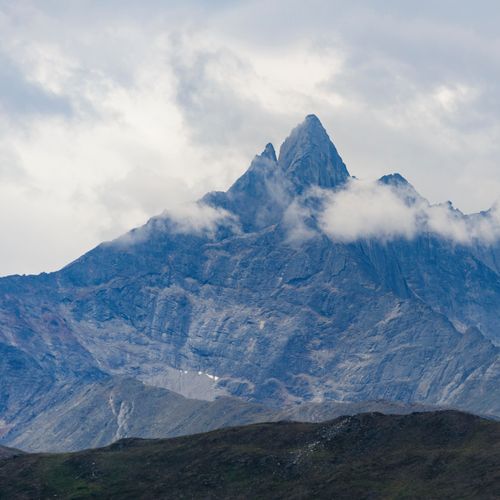
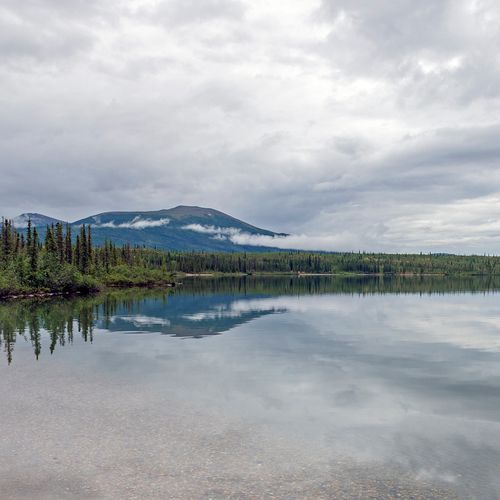
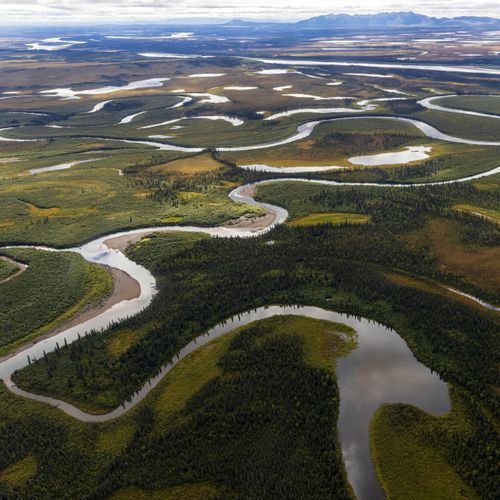
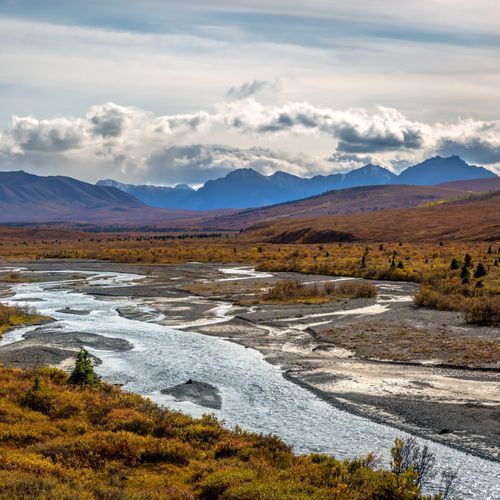
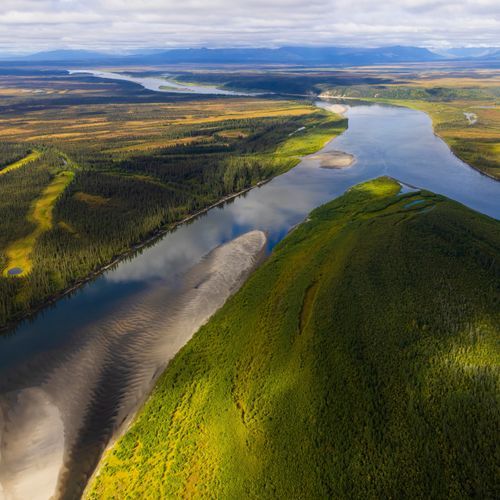
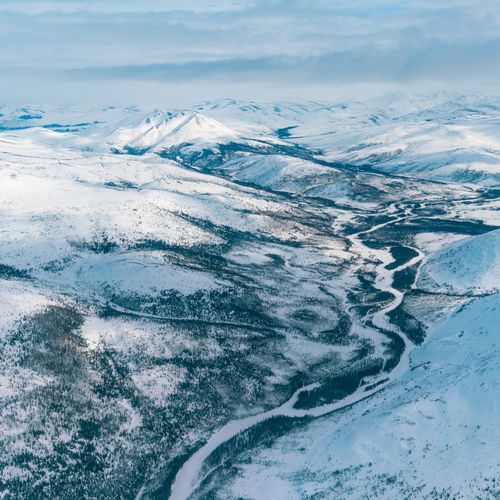
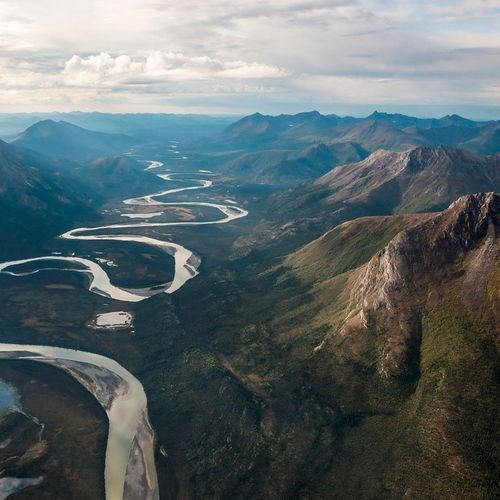
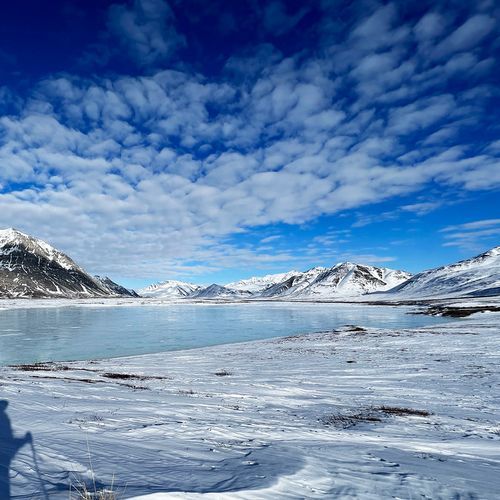
Gates of the Arctic is best understood not as a park with districts and developed zones, but as a huge sweep of distinct backcountry landscapes spread across the central Brooks Range. The core experience is the mountains themselves: the Endicott Mountains running through the heart and northeastern reaches of the park, broad glacier-carved valleys, and the iconic “gates” formed by stark peaks above the North Fork of the Koyukuk River. This is the park’s classic wilderness country, where visitors come for long backpacking traverses, float trips, and a sense of true Arctic scale. In the southwest, the character shifts dramatically around the Arrigetch Peaks and nearby Mount Igikpak, where granite spires and rugged alpine terrain create the park’s most dramatic mountaineering and high-route landscape. Elsewhere, wide river corridors such as the Alatna, John, Kobuk, Noatak tributaries, and Koyukuk drainages shape the park into natural travel routes, offering a very different experience from the high country: longer, lower, more fluid journeys defined by gravel bars, tundra benches, and wildlife movement.
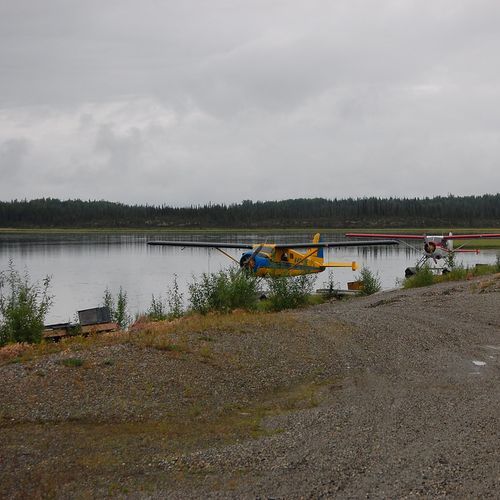
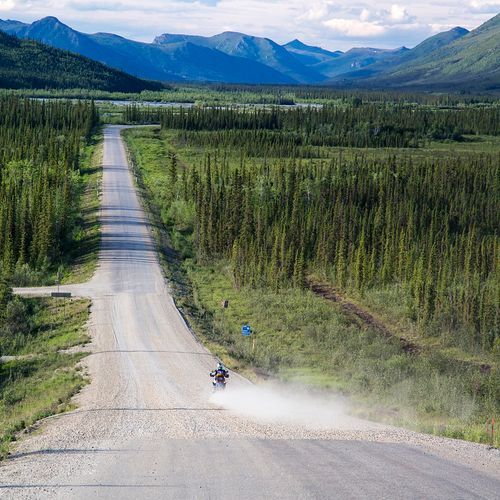
Visitors should think about the park in terms of how they want to move through it. If the goal is a classic Brooks Range backpack, focus on mountain valleys and passes in the central and eastern interior, where expansive tundra walking and big views reward strong route-finding skills. If the priority is scenery with a sharper alpine edge, the Arrigetch country stands apart as the park’s boldest and most sculptural terrain. If you want a more accessible wilderness rhythm, the major river systems are the logical framework for float trips, fishing, and multi-day camps that let the landscape unfold gradually. The Dalton Highway edge to the east offers the closest overland approach for hikers willing to walk in, while villages around the park’s margins and air taxi access points such as Bettles shape how most trips begin. However you enter, this is a roadless park with no official trail network, so each region is less a destination to “see” than a style of expedition to choose.