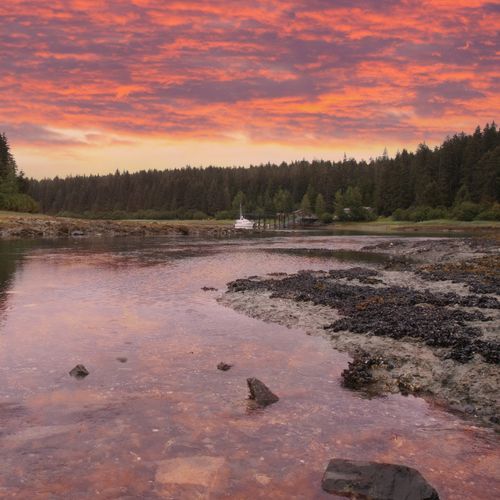
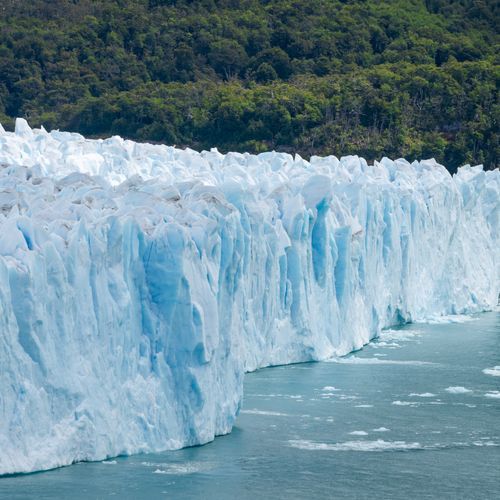
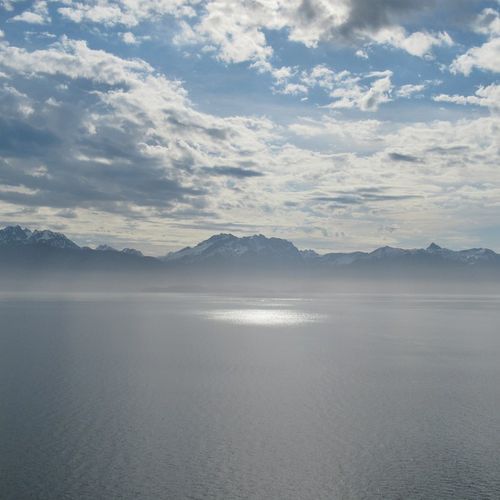
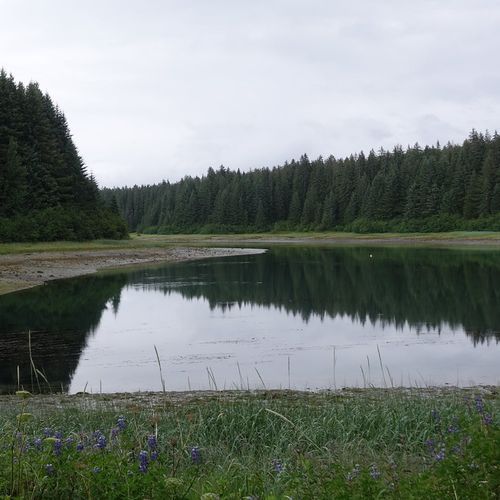
Glacier Bay breaks into four distinct areas, and visitors should think about them not as neighborhoods on a road map, but as different ways of experiencing one enormous coastal wilderness. Bartlett Cove is the park’s practical front door and the only developed area, where you’ll find the lodge, visitor center, trails, dock, campground, and kayak services. It is where to get oriented, meet rangers, and ease into the landscape before heading farther afield. The Bay itself is the park’s grand centerpiece: a vast, fjord-carved marine world of tidewater glaciers, forested shorelines, deep inlets, and constant wildlife watching. This is how most people encounter Glacier Bay, whether by day boat, cruise vessel, charter, or kayak, and it is the essential choice for anyone who wants the classic glacier-and-marine-scenery experience.
Beyond the main bay, the park turns dramatically more remote. The Outer Coast is Glacier Bay at its wildest, a long, seldom-visited Pacific shoreline where glaciers, surf, stormy beaches, and true expedition conditions replace the sheltered feel of the fjords. It is best approached by experienced, self-reliant travelers who want isolation rather than convenience. Separate from the national park, the Dry Bay section of Glacier Bay National Preserve lies along that outer coast near the Alsek River delta, and it has an entirely different identity: less about sightseeing and more about access to hunting, fishing, subsistence use, and backcountry travel in a broad, rugged coastal landscape. In practical terms, most visitors will focus on Bartlett Cove and the bay itself, while the Outer Coast and Dry Bay are for those intentionally seeking the park’s most remote, demanding, and least-traveled edges.