
Glacier Bay National Park is a breathtaking world of water, ice, and mountains located in Southeast Alaska. Renowned for its dynamic and accessible glaciers, the park encompasses over 3.3 million acres, ranging from temperate rainforests to rugged mountains and deep fjords.
Glacier Bay itself, the centerpiece of the park, is a living laboratory for scientists studying glacial retreat and the subsequent ecosystem changes. The bay's tidewater glaciers, including the famous Margerie Glacier, are some of the most active in the world, advancing or retreating at noticeably high rates. Visitors can witness the dramatic calving events where massive blocks of ice break off and crash into the water with thunderous roars.
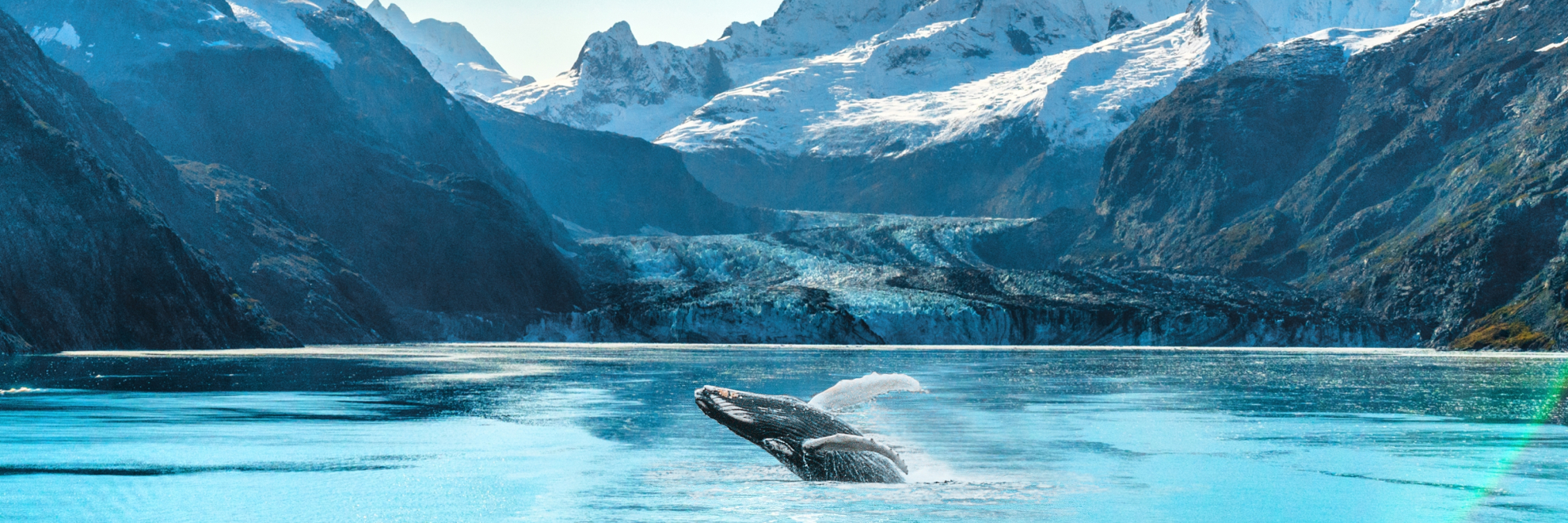
Surrounding the icy waters, the park's landscapes offer a range of wildlife viewing opportunities. It hosts a diverse array of species including humpback whales, sea otters, seals, porpoises, and sea lions. On land, brown bears, black bears, moose, and mountain goats can often be spotted in their natural habitats.
Glacier Bay is not only rich in natural wonders but also in cultural history. The Huna Tlingit people have called this area home for thousands of years, and the park is managed in cooperation with the local Huna Tribal House, which offers insight into their rich heritage and connection to the land.
Bird enthusiasts will find Glacier Bay a paradise, with over 280 species recorded in the area, making it a vital spot for both migratory and resident birds. The park is primarily explored by boat, providing a unique perspective on its massive scale and allowing for an intimate experience with its dynamic environment. From kayak adventures that bring you up close to the glaciers to cruise ships that offer a more comfortable vantage point, Glacier Bay offers unforgettable experiences for all who visit.
Despite its remote location, the park is a highlight of Alaska's tourism and draws visitors from all over the world, eager to witness its wild beauty.
Glacier Bay National Park & Preserve
Alaska
Alaska
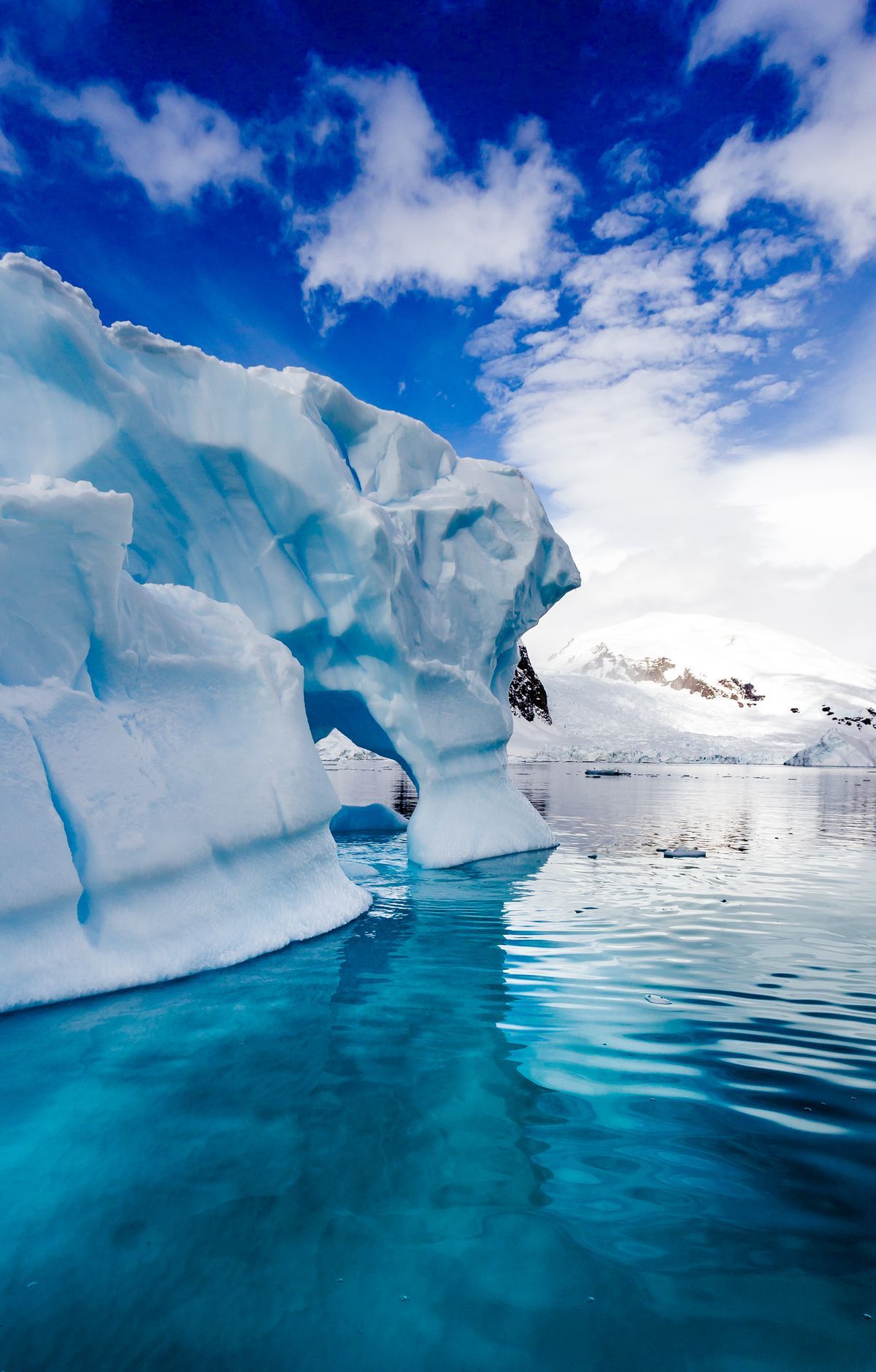
Much of this park is water, and most visitors experience it from a boat. Tidewater glaciers are the park's main attraction, and they can be seen from cruise ships, tour boats, or kayaks threading its inlets. Bartlett Cove, the only developed area, has a visitor center, trails, kayak rentals and a lodge, and park rangers lead guided programs and board cruise ships. Wildlife viewing and birdwatching are popular, with 274 bird species sighted in the park. The preserve lies northwest of the park, where the Alsek River flows from the coastal mountains to the Pacific Ocean. Mount Fairweather, the park's tallest peak, lies near the Canada-US border, and the Fairweather Range runs south from there.
Park Areas
All areas →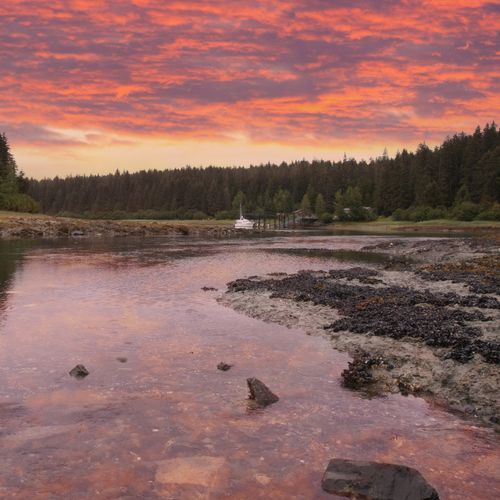
Bartlett Cove
This is the only developed area in the park, which makes it a good place to get oriented before heading into the wider wilderness. Glacier Bay Lodge sits here alongside a visitor center and park headquarters. The trails pass through temperate rainforest of spruce and hemlock, and several short ones are easy to follow. The one-mile Forest Loop crosses forest and beach, and the Bartlett River Trail runs about four miles round trip. Rangers lead guided walks and talks, and the shoreline and intertidal zone invite exploring on foot. The area has a public dock and kayak rentals for getting out on the water, and visitors can also stay at the walk-in campground tucked into the trees beside the shore.
Glacier Bay
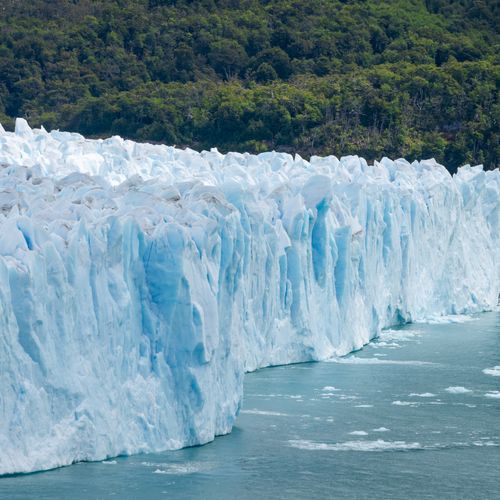
Most visitors experience Glacier Bay from the water, where tidewater glaciers that meet the sea are the main draw. Cruise ships and tour boats carry passengers up the inlets, while sea kayakers can launch from Bartlett Cove or be dropped off farther up near the ice. Wildlife viewing is a highlight, with humpback whales, harbor seals, Steller sea lions and sea otters, and coastal brown bears often feeding along the shoreline at low tide. Bartlett Cove is the only developed area, with a visitor center, kayak rentals, a lodge and several trails for hiking along the shore. The Fairweather Range rises here, with Mount Fairweather, the park's tallest peak, and its high summits feed glaciers that reach the sea. Glaciers here have advanced and retreated many times over the last 20,000 years, so the scenery keeps changing.
Outer Coast
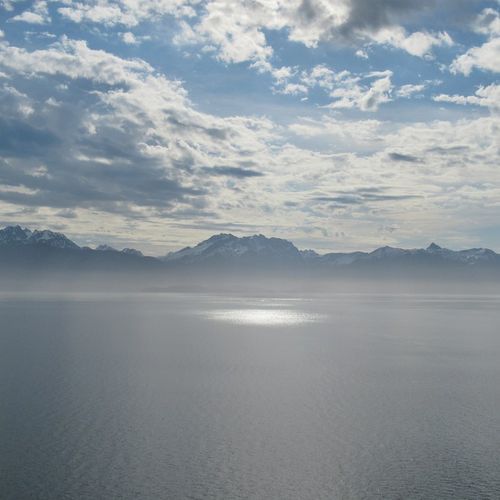
Remote and seldom visited, this wilderness coast rewards those willing to take on the challenges of a wilderness expedition. The Fairweather Range dominates its shores, and Mount Fairweather, at 15,300 feet, rises less than twenty miles from the Gulf of Alaska. Intense glacial erosion has carved these mountains into a high, jagged palisade that divides the outer coast from the inner waters. During the Great Ice Ages the range blocked ice from flowing seaward, and during the Little Ice Age it was the main source of ice. Near the coast, the Alsek River splits into meandering channels across an 80 square mile delta called Dry Bay, where parts of the delta dry out at ebb tide. A scenic flight offers another way to take in the terrain from above.
Gustavus
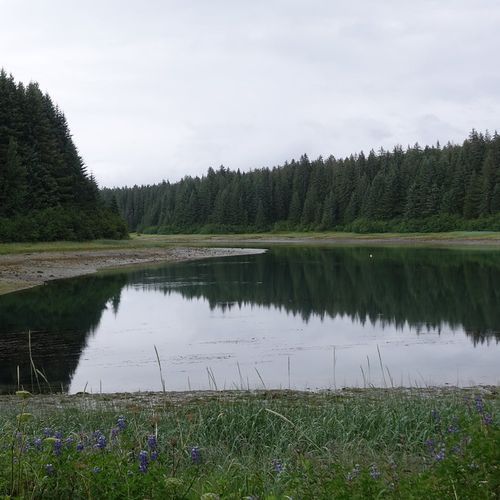
A small coastal town serving as the main gateway to the park, set on a broad plain of glacial outwash that is still rising. Land that once sat in the tidal zone now stands high and dry, lifting more than an inch each year since the glaciers receded. Visitors reach the town by a 30-minute flight from Juneau or a four to six hour ferry ride. Bartlett Cove, about 10 miles away, is the park's only developed area, with a visitor center, several trails, and kayak rentals. The beach and Icy Strait shoreline invite walks, the Salmon River winds through town, and Four Corners is the hub of local life. The town has a grocery store, post office and several art galleries. Wildlife viewing and the intertidal life of Bartlett Cove round out the experience.
Popular Hiking Trails
All trails →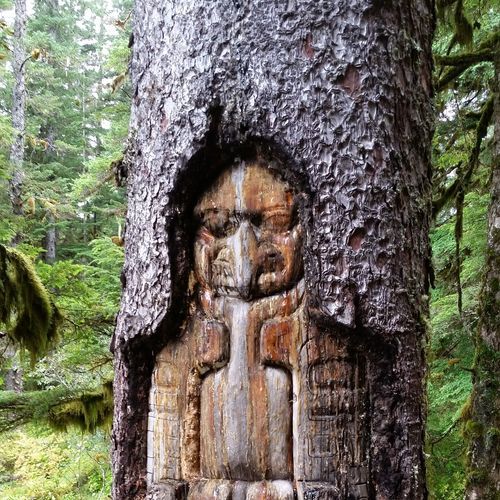
Tlingit Trail
Easy0.6 mi
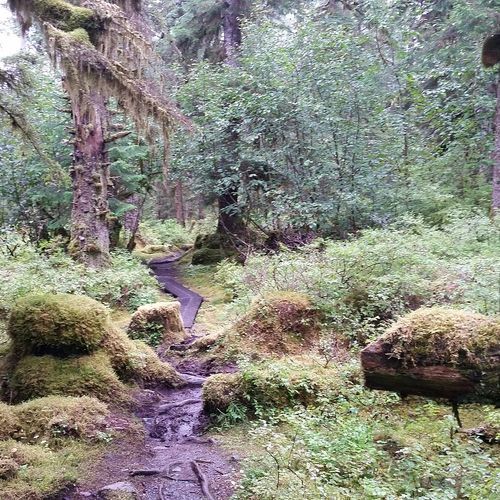
Bartlett Lake Trail
Difficult7.5 mi
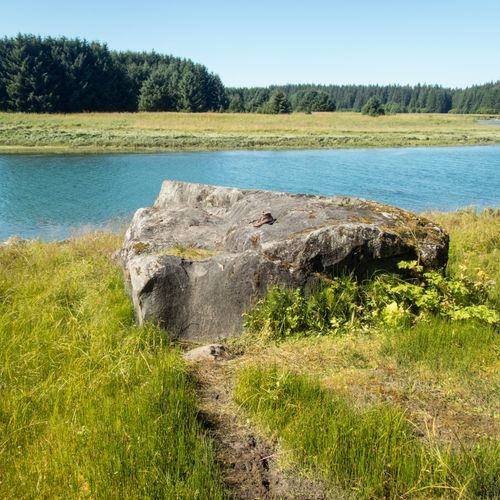
Bartlett River Trail
Easy2.2 mi
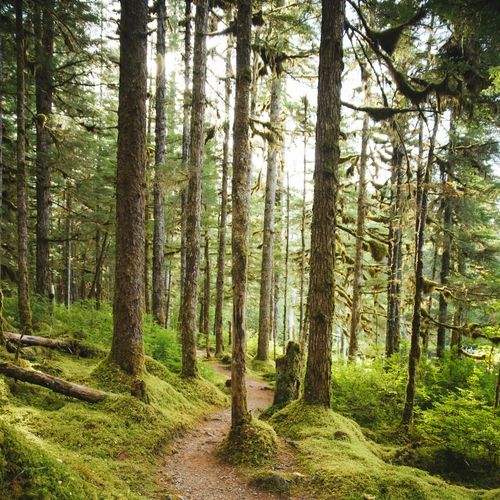
Point Gustavus
Moderate12.5 mi
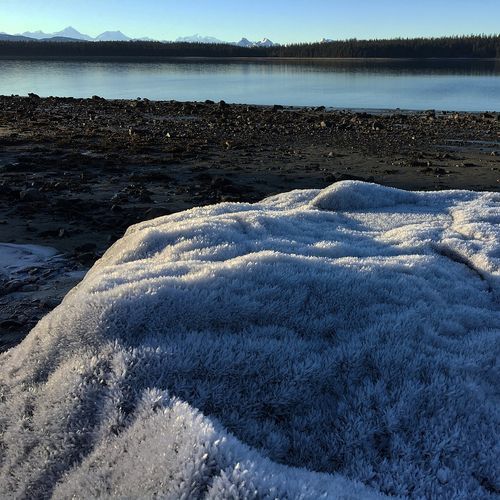
Forest Loop
Easy0.7 mi
Visitor Centers
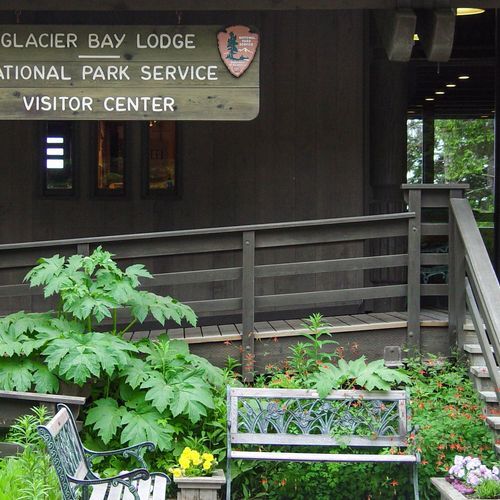
Glacier Bay National Park Visitor Center
11:00AM - 5:30PM
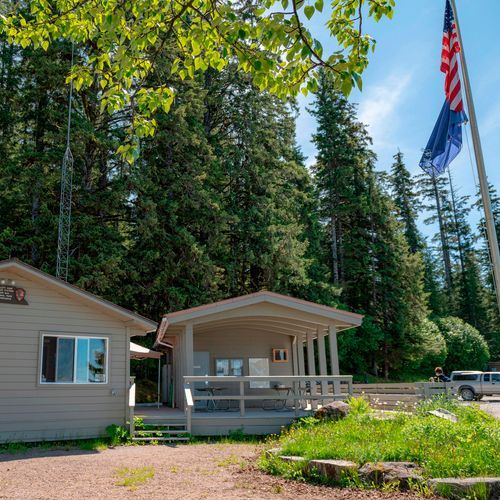
Visitor Information Station - Backcountry Office
7:00AM - 7:00PM

Xunaa Shuká Hít (Huna Tribal House)
1:00PM - 5:30PM
Campgrounds
Camping guide →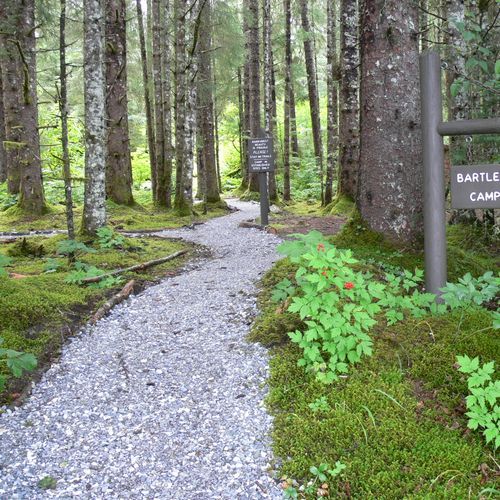
Bartlett Cove Campground
Bartlett Cove
About the Park
Park Areas
Bartlett Cove serves as the central hub for Glacier Bay National Park, offering a lush temperate rainforest environment distinct from the icy expanses found elsewhere in the park. It provides essential visitor amenities, including a visitor center, walking trails, and a public dock. The area is rich in wildlife, featuring humpback whales and Steller sea lions, and offers abundant kayaking opportunities for closer marine life observation. As the headquarters for park operations, Bartlett Cove is crucial for information and logistics.
Glacier Bay is renowned for its breathtaking views of tidewater glaciers and diverse marine life, including humpback whales, Steller sea lions, and seals. Visitors can witness the dramatic glacier calving events and explore the area's rich cultural history, significant to the Huna Tlingit people. This dynamic ecosystem serves as a living laboratory for studying glacial and ecological processes.
Dry Bay presents a contrasting landscape with its expansive tidal flats and dynamic river systems, attracting visitors seeking solitude and diverse bird species. It offers a different perspective from Glacier Bay's icy fjords and supports traditional fishing and subsistence activities among local communities.
The Outer Coast provides a rugged, remote experience with dramatic sea cliffs and abundant marine life. It is less crowded, offering solitude and popular kayaking opportunities to explore its unique coastline features. The area is also notable for its diverse bird populations.
Gustavus acts as the gateway to the park, offering essential amenities and a small-town atmosphere. It provides convenient access to wilderness and marine life, serving as a staging point for adventurers and researchers.
Mueller Cove offers a secluded escape for solitude and wildlife observation, ideal for kayaking and birdwatching. Its remote nature requires careful planning but rewards visitors with a pristine environment rich in intertidal life, including seals and sea otters.
Park Guides
All 11 guides →Getting to Gustavus by Plane or Ferry
Gustavus is the town most travelers pass through on the way to Glacier Bay National Park and Preserve, which is reachable only by air or sea.
Rain Gear, Seasons and Winter Auroras
Ocean currents shape the weather here, giving Glacier Bay a maritime climate with mild winters and cool summers near sea level.
A Bay Born From Retreating Ice
Before the bay existed, there was ice. In 1794, a survey team from the expedition ship Discovery, captained by George Vancouver, first mapped Glacier Bay in detail, and the survey showed little more than an indentation in the shoreline.
Cruise Ships and Rangers Aboard
Most visitors to Glacier Bay see it from a large cruise ship, a custom that has held for more than a century.
Sea Kayaking Glacier Bay's Protected Inlets
Sea kayaking is one of the most direct ways to experience the wilderness of Glacier Bay National Park and Preserve, where much of the park is water.
