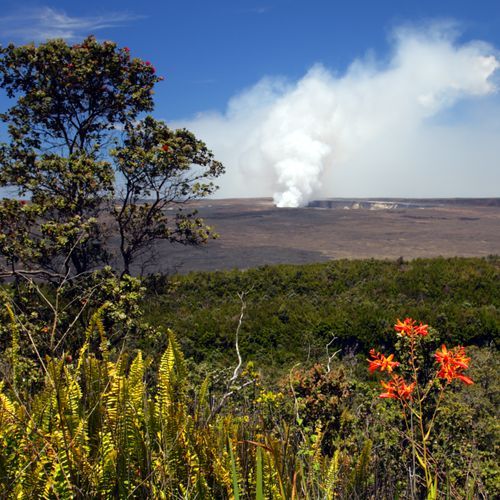
Hawaiʻi Volcanoes National Park is best understood as two distinct experiences: the main Kīlauea-centered section, where most visitors begin, and the quieter Kahuku Unit, where the park opens into a broader story of volcanoes, culture, and working land. The main park is the dramatic, high-contrast landscape most travelers imagine when they think of Hawaiʻi Volcanoes: steaming overlooks, crater-edge drives, rainforest trails, lava fields, and the long descent of Chain of Craters Road from the summit toward the coast. This is where you come to see the park’s signature geology up close—Halemaʻumaʻu, Kīlauea Iki, Nāhuku, sulphur-stained vents, petroglyphs, and broad expanses of black rock that make the island’s creation feel immediate and alive. It is the most layered and accessible part of the park, ideal for first-time visitors who want a mix of short walks, scenic viewpoints, and deeper hikes all connected by easy driving.
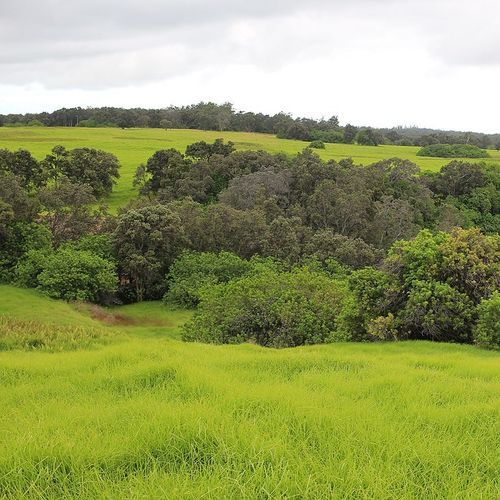
Kahuku feels different from the moment you arrive. Set apart from the main Kīlauea hub, this area is less about iconic crater overlooks and more about open space, atmosphere, and context. Here, dynamic volcanism is woven together with Native Hawaiian traditions and the legacy of ranching, giving the landscape a more pastoral, historical character without losing the park’s elemental force. Visitors should think of Kahuku as the place to slow down, stretch out, and see a side of Hawaiʻi Volcanoes that many miss—less crowded, less theatrical, and deeply rewarding for those interested in the park beyond its headline volcanic sights.
For most travelers, the smartest approach is to treat the main park as the essential core of the visit and Kahuku as the enriching second act. Spend your first day around Kīlauea’s summit and along Chain of Craters Road, where the park’s raw geology, dramatic elevation changes, and classic viewpoints are concentrated. Then, if time allows, add Kahuku for a more reflective outing that rounds out the park’s identity. Together, the two areas reveal what makes Hawaiʻi Volcanoes so compelling: not just eruptions and craters, but an entire living landscape shaped by fire, forest, coastline, culture, and time.