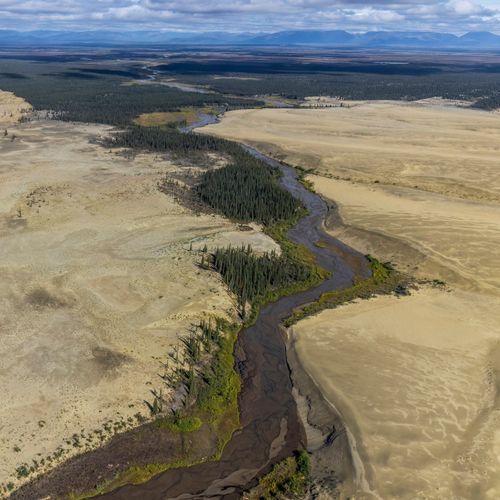
Kobuk Valley National Park breaks naturally into three signature landscapes, and each offers a very different way to understand this remote corner of arctic Alaska. The Great Kobuk Sand Dunes are the park’s visual surprise: a broad sweep of pale, wind-shaped sand rising out of boreal country, with caribou tracks often crossing the ridges. This is the area most people picture first, and for good reason—it is stark, strange, and unforgettable. Visitors drawn here should think in terms of a true backcountry landing rather than a casual stroll. There are no roads, trails, or built facilities, so the dunes reward travelers who arrive prepared to hike on open terrain, navigate independently, and savor the sheer improbability of a desert-like landscape set within the far North.
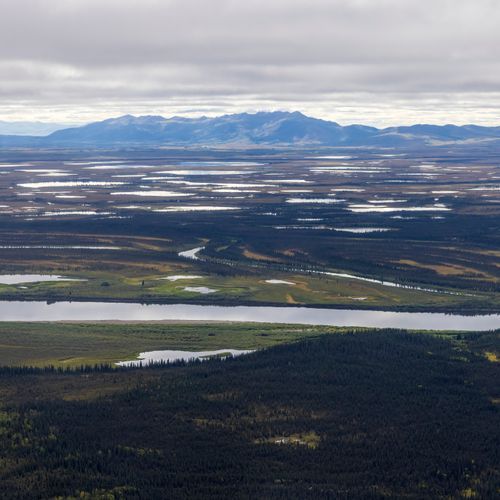
To the east, the Jade Mountains form the park’s rugged edge, adding elevation, drama, and a stronger sense of wilderness isolation. This is the realm for visitors who want the park at its most expansive and untamed: broad views, mountain backdrops, and the feeling of standing at the threshold of a much larger Arctic landscape. Exploration here is less about checking off a landmark and more about committing to remote country, usually with air access and careful route planning. Conditions can shift quickly, and the mountains should be approached as serious backcountry terrain.
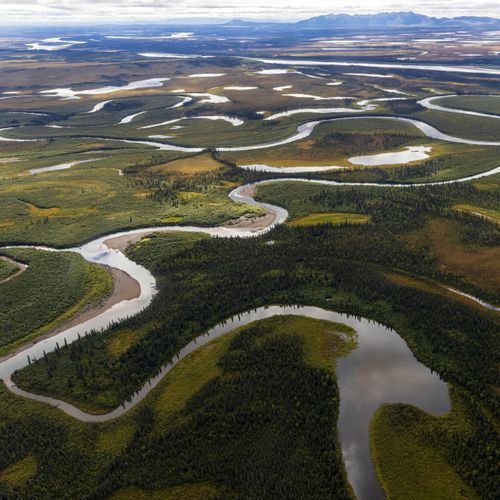
Then there is Onion Portage, the cultural heart of Kobuk Valley. Set along the Kobuk River, it is one of the park’s most important historic landscapes, a place where people gathered for thousands of years as caribou crossed the river. If the dunes showcase Kobuk Valley’s geographic wonder, Onion Portage reveals its human story and the deep continuity between land, wildlife, and Indigenous lifeways. Visitors should think of the Kobuk River corridor as the park’s connective thread—useful for boating, wildlife watching, and understanding how movement shapes everything here. Taken together, these three areas make Kobuk Valley less a park of discrete stops than a wilderness to experience by theme: natural spectacle at the dunes, sweeping remoteness in the mountains, and enduring cultural depth at Onion Portage.