
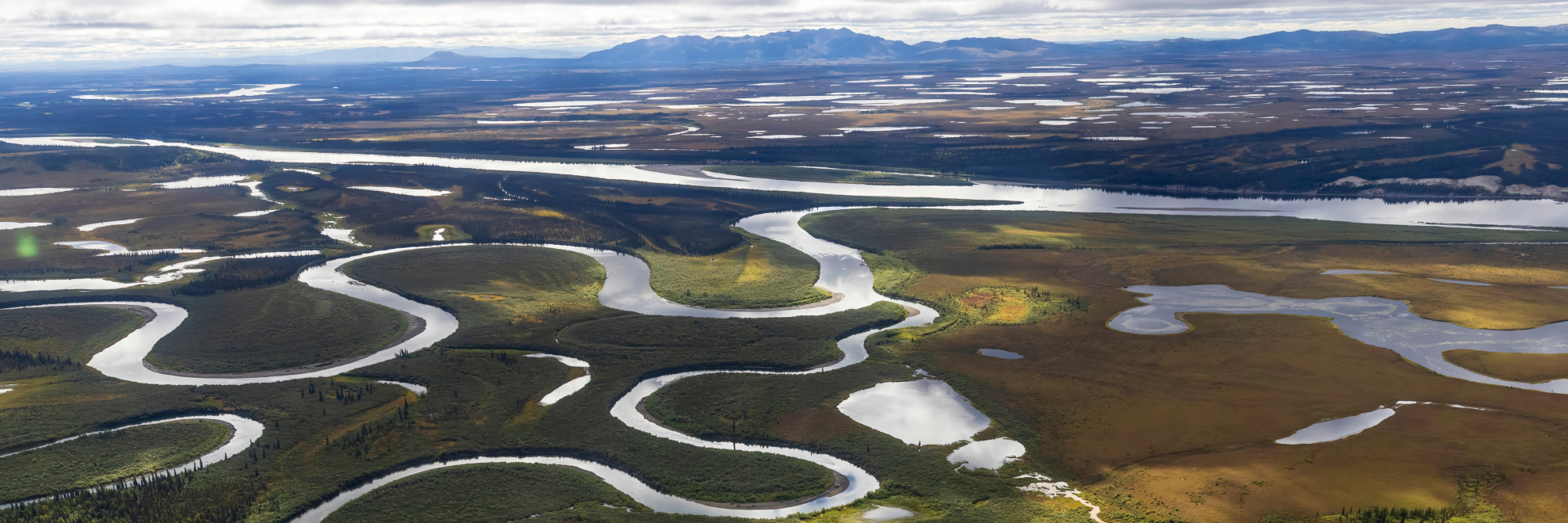
Kobuk Valley National Park is one of the most remote and least visited national parks in the United States, offering a truly wild landscape mostly untouched by human development. Located above the Arctic Circle in northwest Alaska, it features the Great Kobuk Sand Dunes, a surprising desert-like area spanning 25 square miles amidst the Arctic tundra. These sand dunes are remnants from the Ice Age and are constantly reshaped by the winds, creating a dynamic and surreal landscape that contrasts sharply with the surrounding icy rivers and green taiga forest.
Kobuk Valley is also home to one of the most extraordinary wildlife events—the annual migration of nearly half a million caribou. These animals travel across the park in spring and fall, providing an incredible spectacle that draws visitors despite the park's isolation.
Additionally, Kobuk Valley has a rich history of Indigenous occupation, with archaeological sites indicating that people have lived in or traversed the region for at least 12,000 years. These peoples, including the Iñupiat, have depended on the caribou and other natural resources available in the area for millennia.
There are no roads into Kobuk Valley National Park; it can only be accessed by plane or by hiking, boating, or snowmobiling long distances. This remoteness preserves its untouched character, making it a perfect destination for those looking for solitude and a deep connection with nature. Visitors can marvel at the northern lights in the clear winter skies or enjoy endless daylight in the summer months, making every visit to Kobuk Valley a unique and unforgettable experience.
Kobuk Valley National Park
Alaska
Alaska
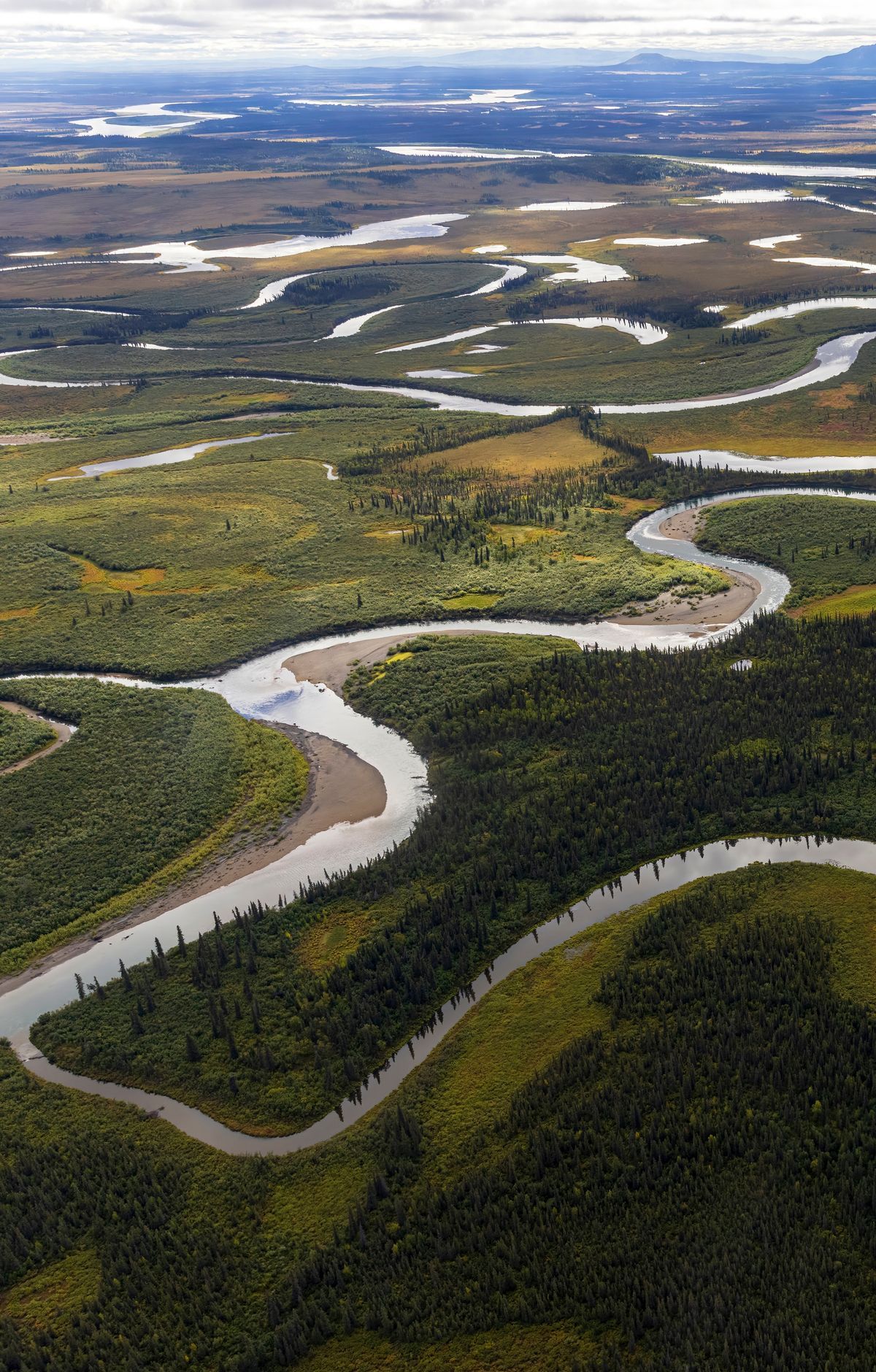
Kobuk Valley is a roadless wilderness above the Arctic Circle in northwest Alaska, where thousands of caribou cross the land each year and the Kobuk River serves as a long-standing route for people and wildlife. The Great Kobuk Sand Dunes rise 100 feet high, with caribou tracks running across their slopes. The Onion Portage Archeological District, a National Historic Landmark on the Kobuk, has drawn people to hunt caribou at a river crossing for 9000 years, and Inupiat people in the valley today rely on hunting and fishing. With no roads or campgrounds, the park is reached by bush plane, and visitors come to backpack, camp, boat and raft the Kobuk, or go flightseeing.
Park Areas
All areas →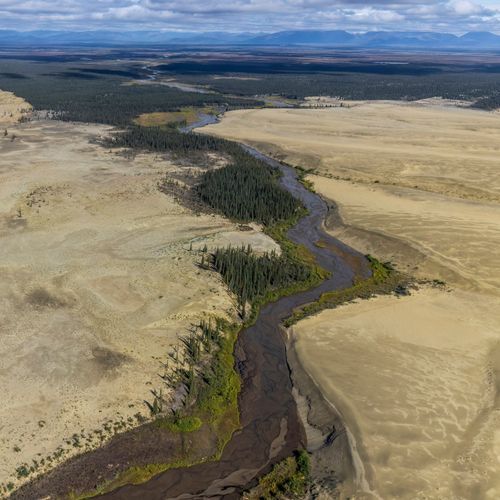
Great Kobuk Sand Dunes
Arctic sand dunes rise from the tundra, unlike any other dune complex in North America. Tracks of caribou, grizzly bears and wolves cross the sand, and caribou migrate across the dunes in summer and fall. Most visitors fly in, and planes can land on the sand or make an overflight. Campers can pitch a tent on any level surface and take day hikes in any direction. Another option is a hike of two to three miles across the tundra from the Kobuk River, which has no established trail and calls for map and compass skills. Kobuk Locoweed, a relative of peas and beans, adds pink blossoms to the dunes. Help is several hours away, and the open dunes leave you exposed to wind, shifting weather and summer bugs, so pack layers, rain gear and a head net.
Hunt River
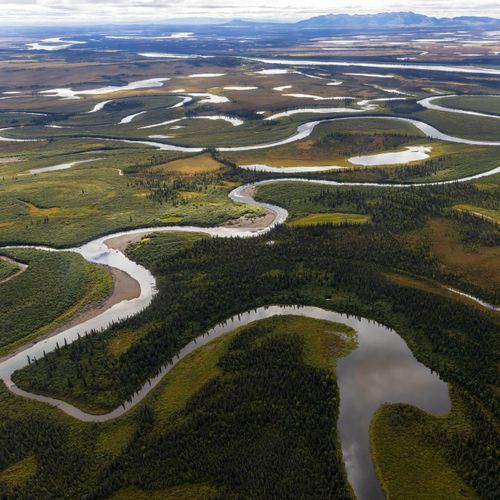
The Hunt River is one of several major tributaries of the Kobuk River included in the park. Here, boreal forest gradually gives way to tundra, and hikers will find few trails, since dense plants slow every step across the open ground. Caribou, moose, bears and wolves roam the area, and many kinds of birds are present, so bring binoculars to watch animals from a distance. Salmon and whitefish move through the waters, and whitefish remain a staple for local subsistence. Many visitors also reach the Great Kobuk Sand Dunes by floating or flightseeing. Getting in usually means an air taxi from Bettles or Kotzebue, and visitors need to bring all their own supplies, since nothing is available after drop-off.
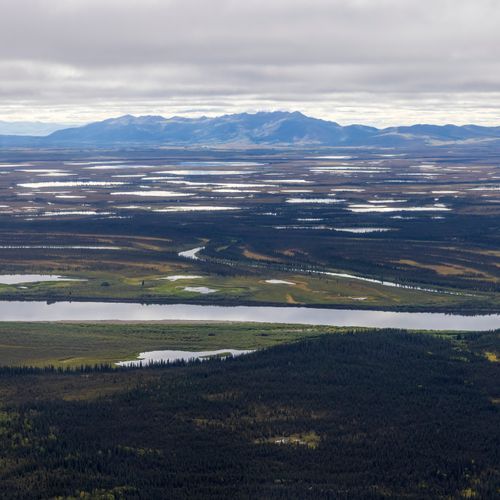
Onion Portage Archeological District
Caribou swim across the Kobuk River at Onion Portage, a bend where people have gathered to hunt them for thousands of years. Evidence of human activity here reaches back roughly 8,000 to 9,000 years. The Onion Portage Archeological District is a National Historic Landmark that records nine cultural complexes, from about 8,000 to 6,000 BC until roughly 1000 to 1700 AD. Archeologist J. Louis Giddings left a backcountry cabin and cache on the site. Today the Inupiat people still hunt and fish across the region, and this land is an inholding of the NANA Regional Corporation, an Alaska Native corporation with rights in the park. To learn more before you go, visit the Northwest Arctic Heritage Center in Kotzebue, which houses exhibits on Iñupiaq culture and subsistence.
Popular Hiking Trails
All trails →Visitor Centers
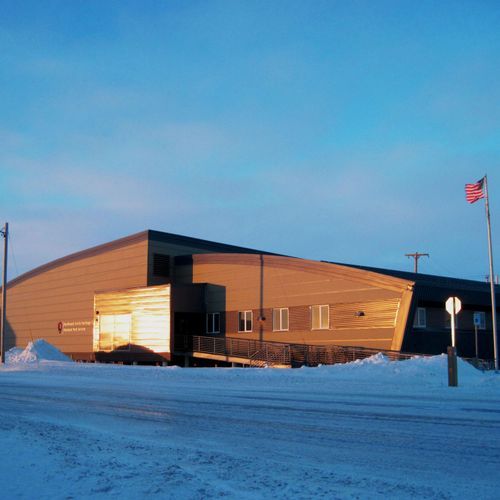
Northwest Arctic Heritage Center
10:00AM - 4:30PM
About the Park
Park Areas
The Great Kobuk Sand Dunes present a remarkable Arctic desert experience, contrasting sharply with the surrounding boreal forest and riverine landscapes. Covering 25 square miles, these dunes are the largest active sand dunes in the Arctic, formed by ancient glacial activity. Visitors can marvel at the striking juxtaposition of golden sands against snow-capped peaks while gaining insights into geological processes. The dunes also support unique ecosystems and witness the annual migrations of the Western Arctic Caribou Herd.
The Onion Portage Archeological District provides a window into ancient human life, with evidence of activity dating back over 8,000 years. This significant archaeological site highlights the historical caribou crossings that have sustained indigenous hunting traditions. It offers a unique opportunity to study historical migration patterns and serves as a vital resource for understanding early human adaptation in Arctic environments.
Hunt River offers a tranquil escape for those seeking solitude and natural beauty. This less-trafficked area is ideal for fishing and wildlife observation, featuring unique geological formations and diverse ecosystems. The river holds cultural significance as a historical route for indigenous peoples. Its relatively undisturbed environment provides a pristine setting for nature enthusiasts and opportunities for scientific study.
Park Guides
All 11 guides →Air Taxis from Kotzebue and Bettles
Kobuk Valley National Park has no road access, so most visits depend on a flight. Scheduled airline service runs from Anchorage to Kotzebue and from Fairbanks to Bettles, and those two towns serve as the gateways.
Summer Snow and -50°F Winters
Weather here follows a subarctic pattern, with cool summers and precipitation spread across the year.
Arctic Dunes Where Forest and Tundra Collide
The Great Kobuk Sand Dunes rise about 100 feet and sit amid evergreen trees, making them the park's best-known view.
Floating the Kobuk River by Canoe or Kayak
The Kobuk River winds through Kobuk Valley National Park in northwest Alaska, and floating it by canoe or kayak is one of the best ways to experience the park's remote wilderness.
Hiking from the Kobuk River to the Dunes
The Great Kobuk Sand Dunes rise to 100 feet in Kobuk Valley National Park, in the Arctic region of northwestern Alaska.
