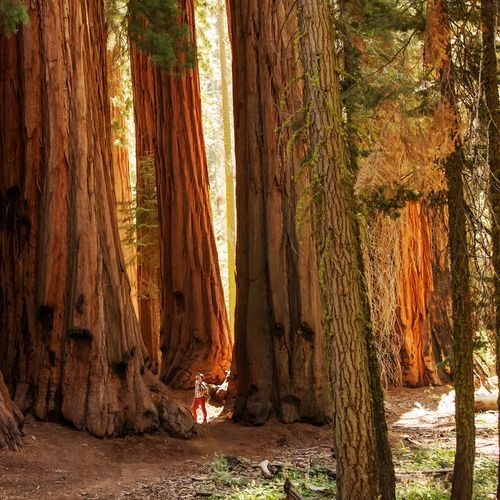
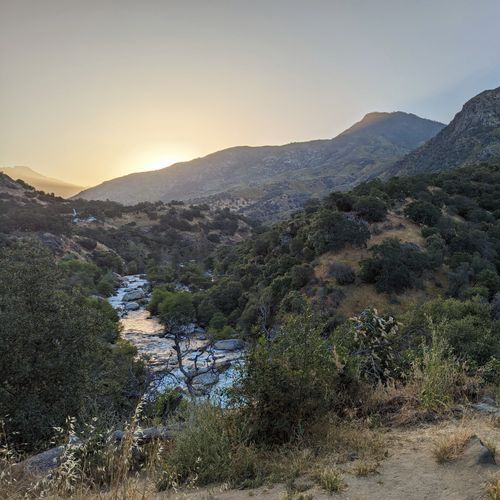
Sequoia & Kings Canyon is best understood as four distinct travel zones, each with its own rhythm. In Sequoia National Park, the Foothills form the low-elevation gateway: warmer, drier, and more rugged, with oak woodland, chaparral, river canyons, and a landscape that feels far removed from the postcard image of the High Sierra. Above it, the Giant Forest and Lodgepole area delivers the classic Sequoia experience—immense groves, the General Sherman Tree, Moro Rock, Crescent Meadow, and easy access to some of the park’s most famous short walks. This is the most iconic and most approachable part of the parks, ideal for first-time visitors who want the biggest concentration of signature sights without long drives between them.
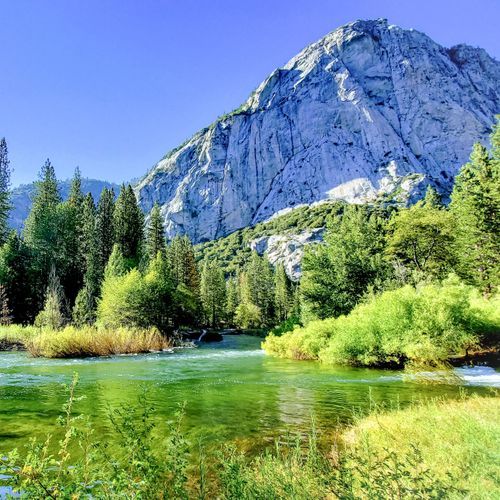
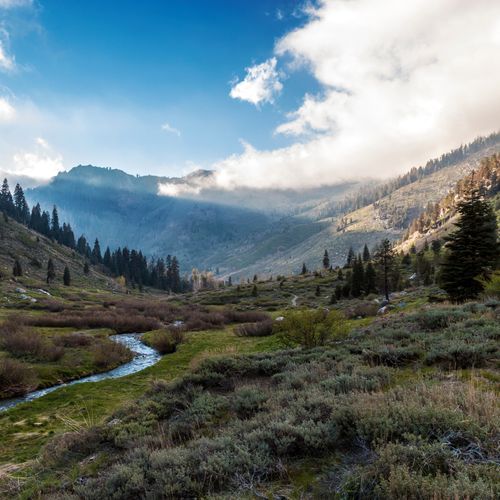
Mineral King is Sequoia’s outlier and its reward for travelers willing to work a little harder. Reached by a steep, winding road, it feels more secluded, more alpine, and more intimate than the main park corridor, with high-elevation meadows, granite walls, and trailheads that quickly lead into serious mountain country. In Kings Canyon National Park, Grant Grove is the easiest entry point and a natural companion to Giant Forest, centered on the General Grant Tree and broad, scenic viewpoints. Cedar Grove, by contrast, is the deep-canyon district: dramatic, river-carved, and hemmed in by sheer granite, with a stronger wilderness feel and some of the park’s most striking canyon scenery.
The smartest way to explore the parks is to choose your region based on what kind of Sierra experience you want. For giant sequoias and classic first-stop highlights, focus on Giant Forest/Lodgepole and Grant Grove. For deeper scenery and fewer crowds, look toward Cedar Grove or Mineral King. For a warmer-season contrast and a sense of the parks’ full elevation range, add time in the Foothills. Together, these areas show why Sequoia & Kings Canyon is far more than a collection of famous trees—it is a layered mountain landscape that rewards both quick scenic touring and longer, more deliberate exploration.