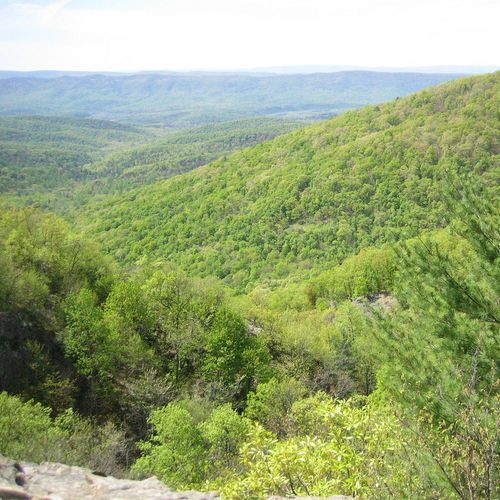
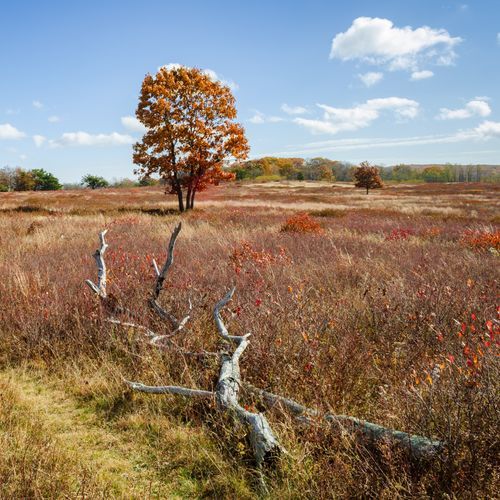
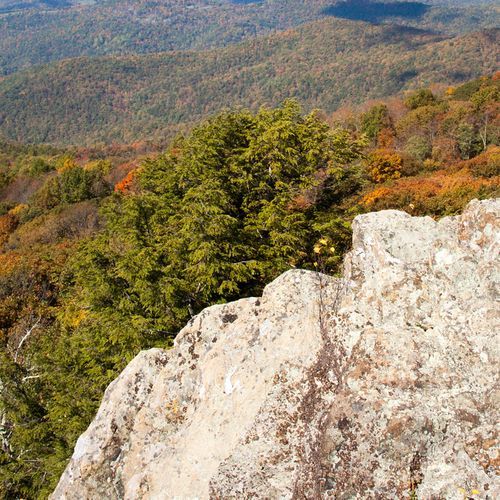
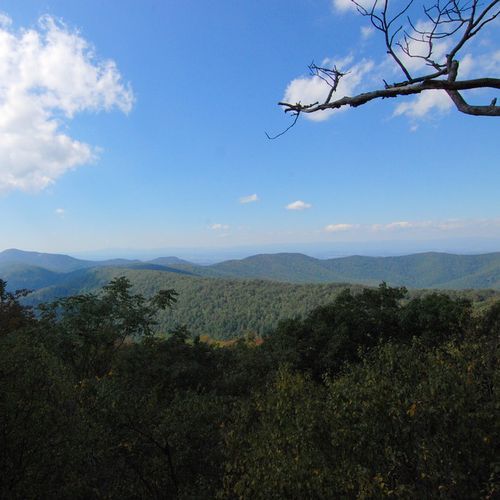
Shenandoah is easiest to understand as a long, narrow mountain park organized around Skyline Drive, with five practical touring areas: the North District, the Thornton Gap corridor, the Central District, the Swift Run Gap corridor, and the South District. The northern end, entered from Front Royal, is the park’s most convenient gateway from the Washington area and works especially well for a first taste of Shenandoah: sweeping overlooks, short hikes, and easy scenic driving. Around Thornton Gap, the park begins to feel more dramatic and more ambitious, with access to some of its best-known adventures, including the Old Rag area just outside the main ridgeline drive. This is a good zone for visitors who want a classic mix of big views and bigger hikes.
The heart of the park lies between Thornton Gap and Swift Run Gap, where Shenandoah is at its most complete. This central stretch holds many of the park’s signature experiences: higher elevations, broad summit views, major trailheads, meadows, waterfalls, and the developed hubs at places like Big Meadows and Skyland. If you have limited time and want the fullest version of Shenandoah, this is where to focus. Swift Run Gap serves as a natural divider and a useful access point, linking the central high country with the quieter miles to the south.
South of Swift Run Gap, Shenandoah settles into a calmer, less crowded rhythm that rewards travelers who prefer space, long drives, and a more unhurried pace. The southern district feels more secluded, with lovely overlooks, forested hollows, and a stronger sense of being away from the park’s busiest nodes, before ending at Rockfish Gap near Waynesboro, where Skyline Drive meets the Blue Ridge Parkway. The best way to explore Shenandoah is not to think of it as a single destination but as a series of linked mountain chapters: sample the north for convenience, concentrate on the center for the park’s greatest hits, and head south when you want the scenery to feel quieter, deeper, and more remote.