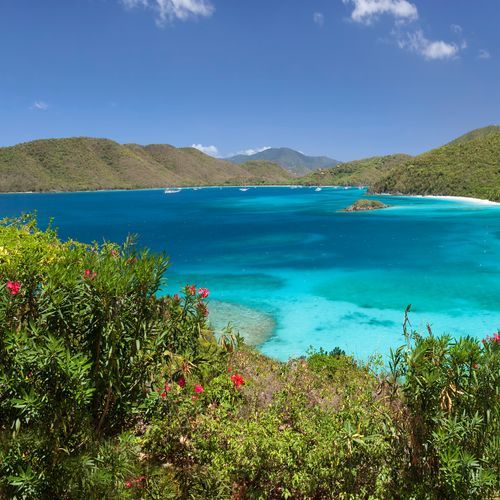
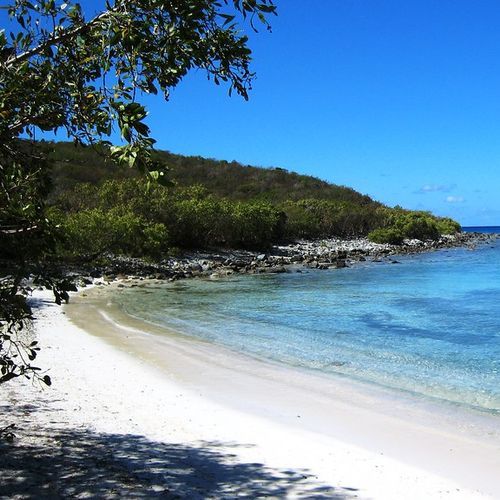
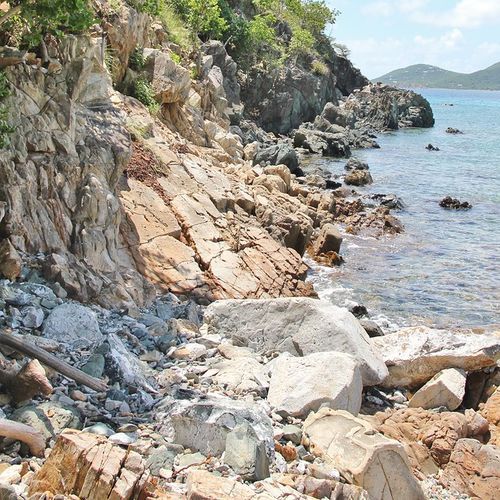
Virgin Islands National Park is best understood as four distinct landscapes that flow from mountain ridges to coral reefs. Most visitors begin with the north shore of St. John, the park’s postcard coast of brilliant beaches, calm coves, and easy-access snorkeling. This is where places like Trunk Bay define the classic park experience: white sand, luminous water, and an effortless mix of swimming, beach time, and short scenic stops. The south shore feels quieter and more textured, with a stronger sense of the island’s working past. Here, bays, old plantation sites, and trail networks invite a slower, more reflective style of exploration that blends history, hiking, and time on the water.
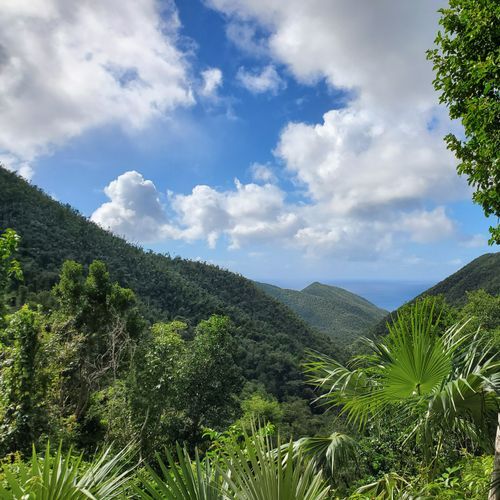
The interior of St. John is the park’s green backbone, a steep tropical landscape of ridges, forests, and old roads and trails that reveal how much of the island is protected. This is the area for visitors who want to move beyond the beach and see the park as a living tropical ecosystem, with overlooks, birdlife, and routes that connect high ground to hidden shoreline. Then there is the marine side of the park, just as important as the land itself. Virgin Islands National Park protects extensive submerged landscapes, and the reefs, seagrass beds, and clear coastal waters are central to the experience. Think of the park not as a single sightseeing stop but as a place to explore in layers: beach and snorkel one day, hike and historic ruins the next, then get out on the water to appreciate how completely this park ties together land, sea, and culture.
Hassel Island, near the harbor at St. Thomas, adds a final dimension. Though separate from St. John, it belongs to the broader story of the park and offers a more historical, harbor-focused experience, with reminders of the islands’ strategic and maritime past. Visitors should approach Virgin Islands National Park with flexibility rather than a checklist. The north shore delivers the iconic beauty, the south shore offers depth and quiet, the interior provides the island’s wild character, and the marine waters reveal the park at its most vivid. The reward comes from experiencing more than one region, because each shows a different face of this remarkably layered Caribbean national park.