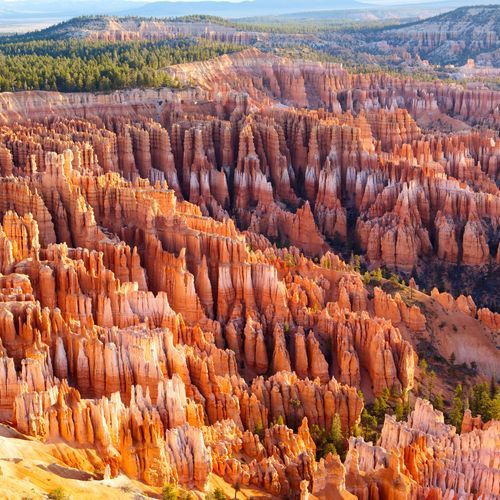
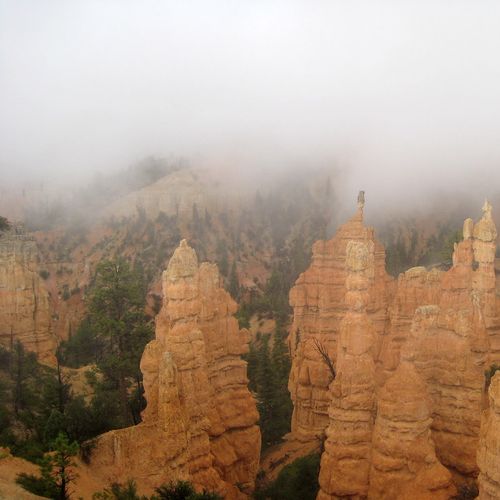
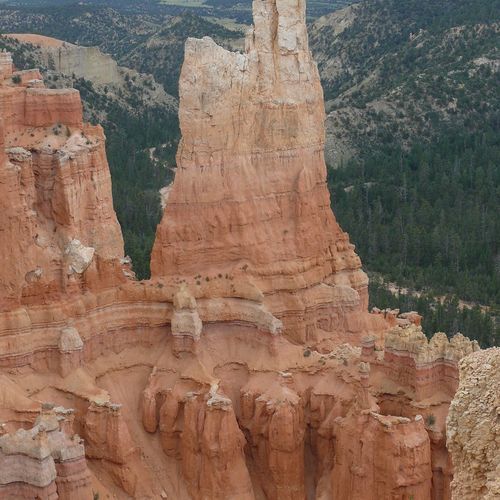
Bryce Canyon National Park is easiest to understand as five distinct areas strung along the edge of the Paunsaugunt Plateau, each with its own mood and pace. The park’s center of gravity is the Bryce Amphitheater, the famous section near the first cluster of major viewpoints where the hoodoos are densest, the colors are richest, and the classic postcard views unfold from places like Sunrise, Sunset, Inspiration, and Bryce Point. This is where first-time visitors should begin, whether by driving the overlooks, walking the Rim Trail, or dropping below the rim for a closer look at the formations. North of the amphitheater, Fairyland is quieter and more expansive, with longer trail options and a more removed feel that appeals to hikers who want the same surreal geology without the main-corridor crowds.
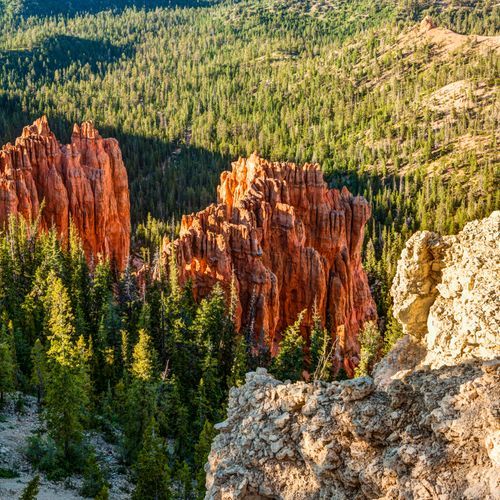
Farther south, the park opens into a sequence of broader, less-visited overlooks and natural landmarks that reward a slower, more deliberate drive. The central-southern viewpoints, including areas around Natural Bridge and Agua Canyon, feel less concentrated than the amphitheater but more spacious, with sweeping views across the plateau edge and hoodoo-filled side canyons. Beyond them, the far south end near Rainbow and Yovimpa points shifts the experience again: this is the park at its most expansive, where visitors trade close-up formations for long desert vistas and a stronger sense of Bryce as a high plateau looking out over a vast landscape. Finally, the backcountry and forested interior form a fifth, often overlooked region of the park, where ponderosa woods, higher elevations, and longer trails remind you that Bryce is more than overlooks. The best way to explore is to pair the park’s greatest hits in the amphitheater with at least one quieter northern or southern section; that contrast is what makes Bryce feel complete.