
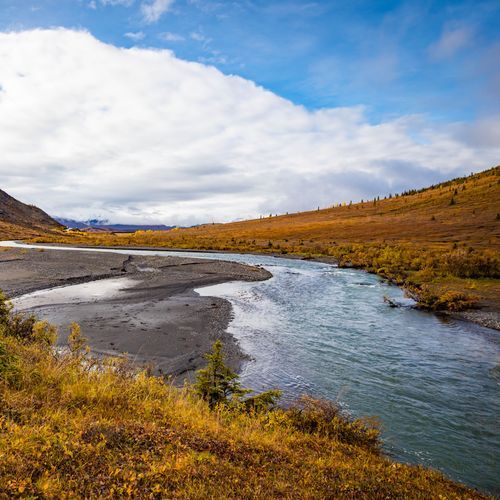
Savage River
16 trails4 campgrounds
Savage River is not located in Death Valley National Park. Instead, it is situated in Denali National Park, Alaska. Here is a corrected description based on the actual location:
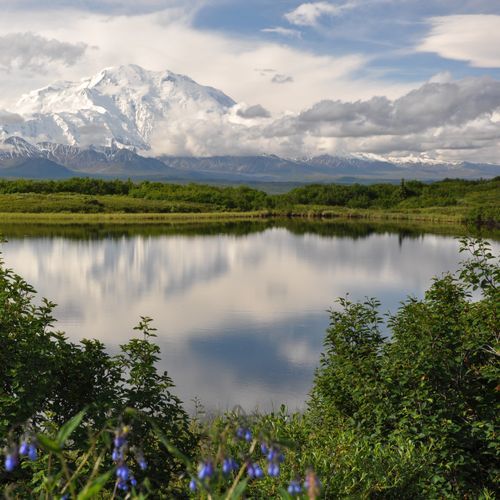
Denali is best understood as a park of transitions, with each stretch of country revealing a different Alaska. The entrance area is the most accessible and the most developed, where visitor services, campgrounds, trails, and the first stands of boreal forest ease travelers into the park. This is where many visitors get their bearings, but it is only the threshold. Just beyond, the Savage River area marks the shift from front-country Denali to a wilder, more open landscape of broad views, braided river country, and tundra. Farther west along the Park Road, the great middle of the park unfolds in long, cinematic bands: the Toklat region with its gravel bars and expansive wildlife habitat, Eielson with its classic mountain panoramas, and Wonder Lake, where still water and open country deliver some of Denali’s most iconic scenery when the weather clears. Beyond Wonder Lake, Kantishna feels like Denali’s deep interior: remote, historic, and immersive, with the end of the road bringing a sense of true arrival. Visitors should think about these road-access areas as a progression rather than a collection of stops. The farther in you go, the bigger the country feels, the fewer the distractions become, and the more the park reveals its essential character—wildlife moving freely across unfenced land, weather reshaping the day, and the mountain appearing on its own terms. Most people will explore Denali by bus and by short hikes from key points along the road, and that is exactly the right mindset: let the landscape come to you gradually. Then there is the vast remainder of Denali—the designated wilderness and the preserve lands—which operate on an entirely different scale. The wilderness core protects the high Alaska Range, glaciers, alpine tundra, and immense untracked valleys that define Denali as one of North America’s great wild landscapes. The preserve areas, spread beyond the main roaded corridor, are even less visited and feel more like raw backcountry than a conventional national park. For most travelers, these regions are something to witness from overlooks, bus windows, and flightseeing perspectives; for experienced backcountry users, they are places for serious expedition-style travel. However you approach it, Denali is not a park to conquer section by section. It is a park to experience in layers, from the accessible entrance to the roadless heart.
Savage River is not located in Death Valley National Park. Instead, it is situated in Denali National Park, Alaska. Here is a corrected description based on the actual location:
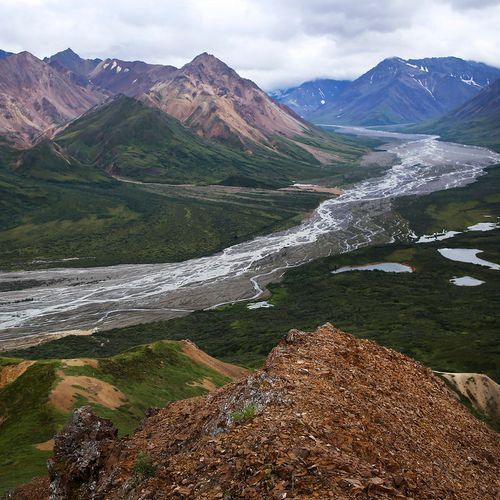
Teklanika River offers a unique vantage point for observing Denali’s diverse wildlife and rugged landscapes. Unlike more crowded areas, it provides a quieter experience, ideal for spotting caribou and grizzly bears. The river’s gravel bars are popular for camping, allowing for immersive nature experiences. Teklanika’s dynamic waters are fed by glacial melt, creating a striking contrast to the park’s tundra environment. Its remoteness demands preparedness and respect for nature.
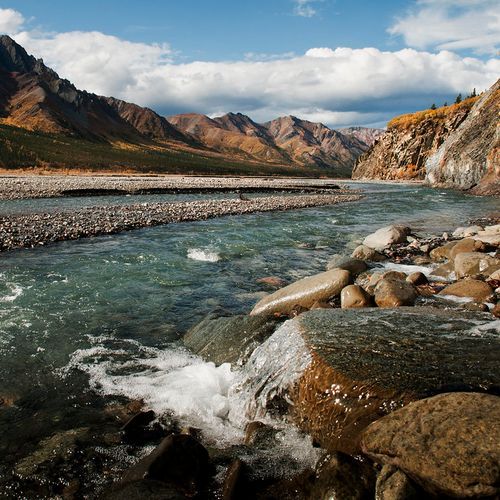
The Toklat River offers unique opportunities for wildlife observation, particularly Dall sheep, which frequent its gravel bars. Unlike more forested areas, the river's open landscape provides expansive views of the surrounding mountains. Its braided channels are the result of glacial melt, creating a dynamic environment that changes with the seasons. The area is often less crowded than other locations, making it ideal for those seeking solitude and natural beauty.
The description provided does not match any known feature called "Wonder Lake" in Death Valley National Park. Instead, the park is known for its temporary lakes, such as Lake Manly, which forms in Badwater Basin after significant rainfall. Here is a revised description based on Lake Manly, maintaining the original style and tone:
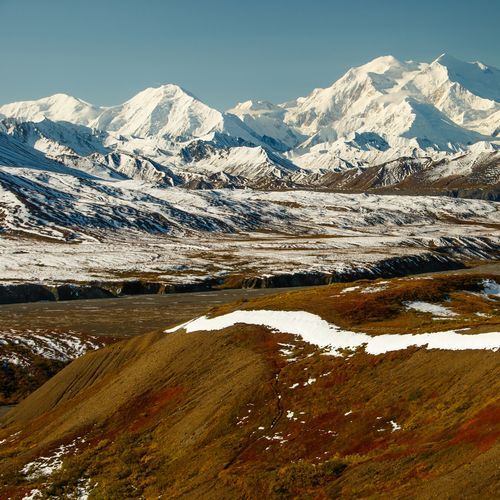
Eielson Visitor Center, located in Denali National Park & Preserve, offers panoramic views and serves as a hub for exploring the surrounding terrain. Positioned strategically at Mile 66 on the Park Road, it provides insights into the region's geology and wildlife. Unlike more remote areas, it is accessible via shuttle buses, except the Toklat shuttle, and the Kantishna Experience tour. It stands out for its educational value and serves as a starting point for nearby trails. Visitors benefit from ranger-led programs, enhancing their understanding of the environment.
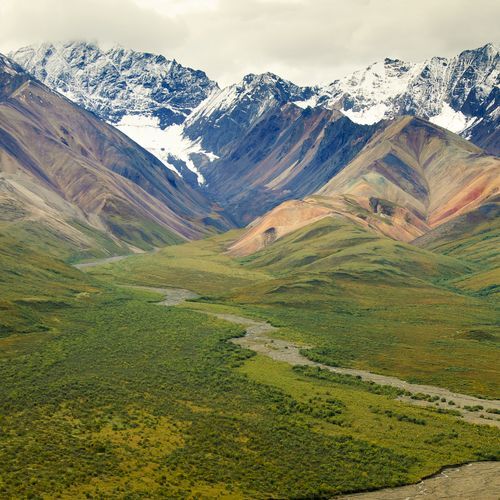
Polychrome Pass is not located in Death Valley National Park; instead, Polychrome Overlook is a notable feature in Denali National Park. Here is a corrected version of the description, maintaining the original style and tone but focusing on the correct location:
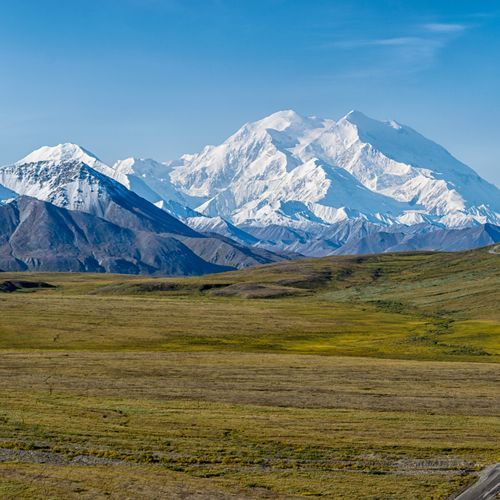
Kantishna is not located in Death Valley National Park; it is actually situated in Denali National Park, Alaska. Here is a corrected version of the description, maintaining the original style and tone but accurately reflecting Kantishna's location and characteristics:
Explore all areas with offline maps in the Parka app
Download Parka — It's FreeExplore Denali National Park & Preserve areas with offline maps
Free on the App Store
All the tools for epic adventures
Fully functional without cell service
Trail conditions, alerts, and closures
7-day free trial, cancel anytime
Unlock everything you need for your next national park trip. Your first week is on us!
Download Parka and plan your perfect national park trip in minutes.