Planning Your Visit to Denali National Park & Preserve
Denali rewards travelers who plan around its short, intensely popular summer season. For most visitors, the sweet spot is late May through early September, when visitor services are running, transit into the park is available, and conditions are best for wildlife viewing and sightseeing. Expect cool, changeable weather even in midsummer, with daytime highs generally in the upper 50s to low 60s and plenty of rain in the mix, so waterproof layers and warm clothing belong in every daypack. If you want the fullest first visit, aim for June through early August, when access is most reliable and the park is fully in motion. Getting there is straightforward by Alaska standards: Denali sits along the George Parks Highway between Anchorage and Fairbanks, making it reachable by rental car, motorcoach, or rail. Once you arrive, understand the park’s defining reality: there is only one road, and private vehicles are limited to the front section near the entrance. To see the interior, you’ll typically rely on a shuttle or narrated bus tour, and booking those in advance is one of the smartest moves a first-time visitor can make. The park is not fee-free, so expect to pay an entrance fee, and budget separately for transit or tour buses if you plan to go beyond the initial miles of the road. For a first visit, the biggest mistake is underestimating how wild and logistically different Denali feels from more road-accessible national parks. Cell service is limited near the entrance and quickly disappears deeper in the park, so download maps and confirmations ahead of time. Give wildlife serious space—especially bears and moose—and carry bear spray if you plan to hike. Start your day early, allow extra time for weather and transportation, and arrive with flexible expectations: Denali is famous for clouds, long distances, and a scale that can humble even experienced park travelers. The payoff is enormous if you come prepared.
Best Time to Visit
Most visitors plan for late May through early September, when services are fully operating and shuttle or tour buses make it easiest to experience the park. June and July bring the longest days, while late August into early September can offer fall color and fewer crowds, but cooler, wetter conditions. Outside the main season, Denali is still open, though road access, lodging, and visitor services become much more limited.
Getting There and Transportation
Denali National Park & Preserve sits along the George Parks Highway between Anchorage and Fairbanks, making it practical for a road trip or a rail-based Alaska itinerary. Once you arrive, remember that private vehicles are generally limited to the first 15 miles of the park road, so most visitors rely on shuttle buses or narrated tours to reach deeper into the park. Road conditions and closures can affect how far buses travel, so reserve transportation early and confirm the current operating plan before you go.
Where to Stay
For the widest choice, stay near the park entrance where you’ll find lodges, cabins, and other accommodations along the highway corridor. Campers can use designated campgrounds, while backcountry overnights require a permit and more advanced planning. Book early for summer, especially if you want a campground site or a room close enough to catch an early bus without extra driving.
What to Pack and Prepare
Pack for changeable mountain weather: waterproof layers, warm insulation, sturdy footwear, hat and gloves, and extra food and water for long days. Mosquito protection is essential in summer, and bear spray is strongly encouraged for hikers. Do not count on cell service once you get beyond the entrance area, so download maps, save reservations, and plan your route in advance.
Safety and Regulations
Denali is true wilderness, and wildlife rules are strict for good reason: stay at least 300 yards from bears and 25 yards from all other animals, and never feed or approach wildlife. Overnight camping is allowed only in designated campgrounds or with the proper backpacking permit, so do not improvise campsites. In an emergency, call 911 if you have service; otherwise report the situation to a ranger, bus driver, campground host, or other park staff as quickly as possible.
Accessibility Information
Visitors who want the smoothest experience should focus on the entrance area, where services, information, and the most developed facilities are concentrated. Because much of Denali is managed as rugged wilderness with limited roads and uneven terrain, accessibility can vary significantly by trail, campground, bus stop, and seasonal conditions. Contact the park or your bus operator before arrival to confirm current accessible transportation, restrooms, and activity options that match your needs.
Tips for First-Time Visitors
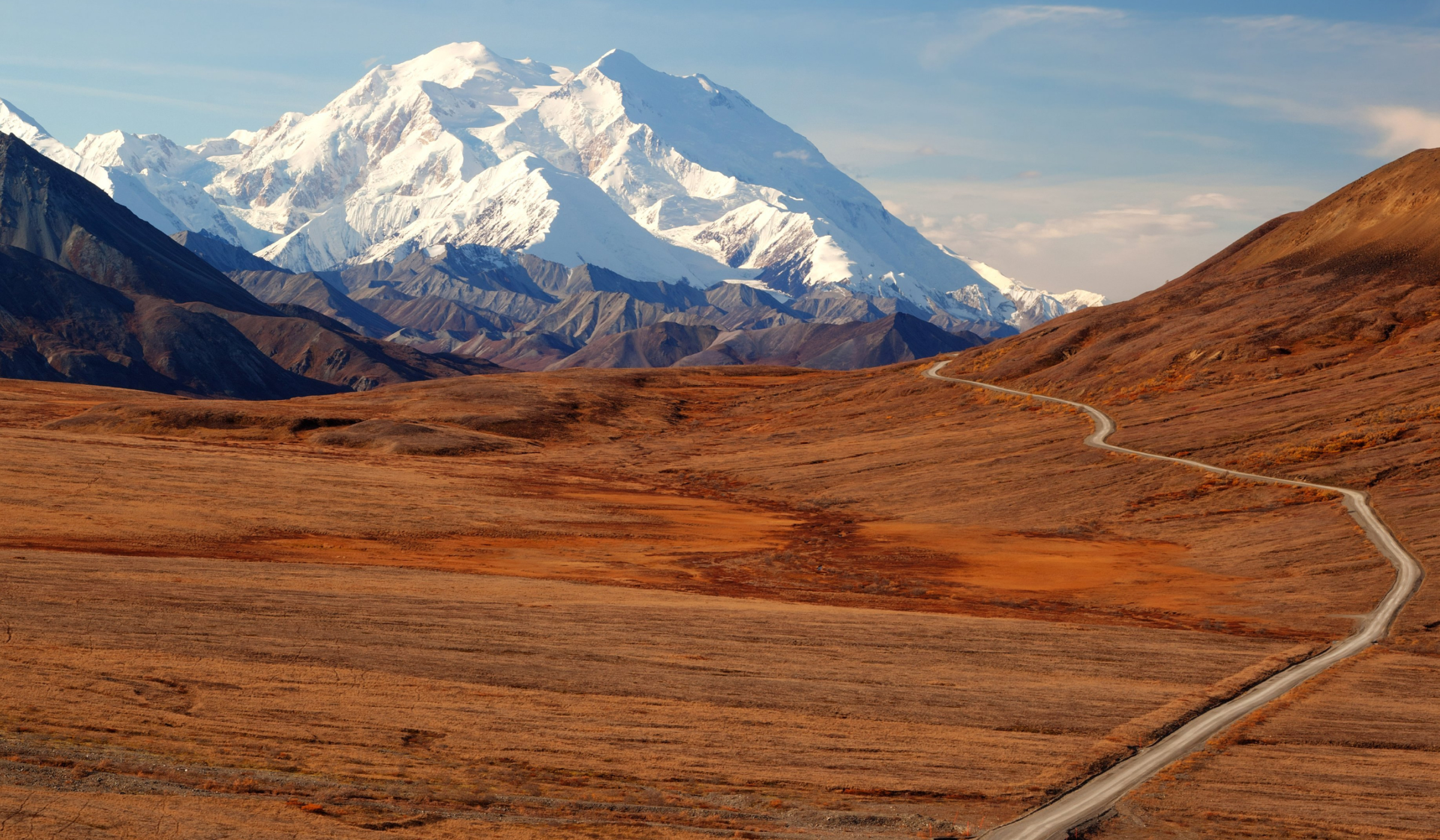
If this is your first Denali trip, build your itinerary around one key bus day, since the park road is the backbone of the experience and wildlife viewing often happens from transit. Give yourself at least two nights nearby so weather, visibility, and transportation hiccups do not compress the trip into a rushed day. Finally, set expectations correctly: seeing Denali itself is never guaranteed, but the wildlife, tundra landscapes, and sheer sense of space are the real reward.
Start planning your trip with personalized itineraries in the Parka app
Download Parka — It's FreeStart planning your Denali National Park & Preserve trip
Free on the App Store