
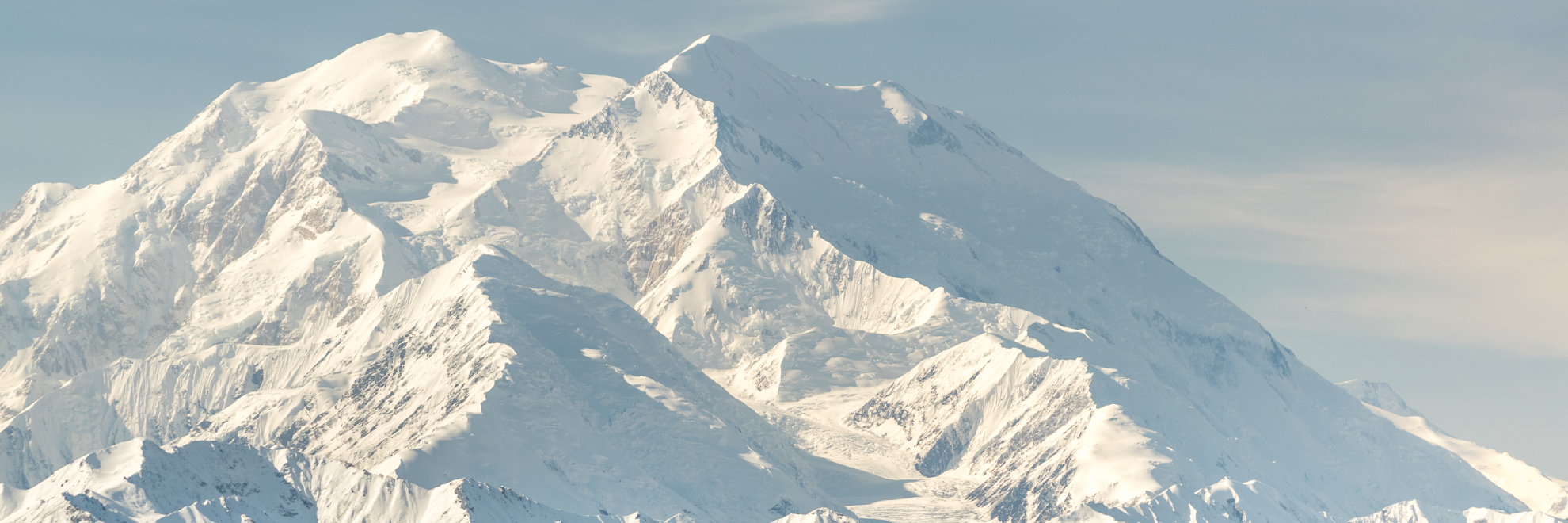
Denali National Park, located in the interior of Alaska, is home to North America's tallest peak, Denali, which rises to 20,310 feet above sea level. This majestic mountain was formerly known as Mount McKinley. The name was changed to honor the indigenous Athabascan people, who have long called the mountain 'Denali,' meaning 'the high one.'
Covering over 6 million acres, the park offers a mix of forest, tundra, and glaciers, providing a habitat for a diverse range of wildlife. Visitors may spot grizzly bears, wolves, moose, and caribou, alongside smaller creatures like Arctic ground squirrels and over 150 species of birds.
The park's isolation and limited road access, with only one road spanning 92 miles into the park's depth, emphasizes preservation and offers a near-pristine wilderness experience. Visitors can take bus tours for wildlife viewing and interpretation, which are the primary means of deeper park exploration due to restrictions on private vehicle access beyond certain points.
Denali National Park is a prime spot for aurora viewing during the colder months, and offers activities like dog sledding and cross-country skiing in the winter. In any season, it offers a breathtaking experience for those seeking adventure and a connection with nature in one of the most remote and beautiful places on Earth.
Denali National Park & Preserve
Alaska
Alaska
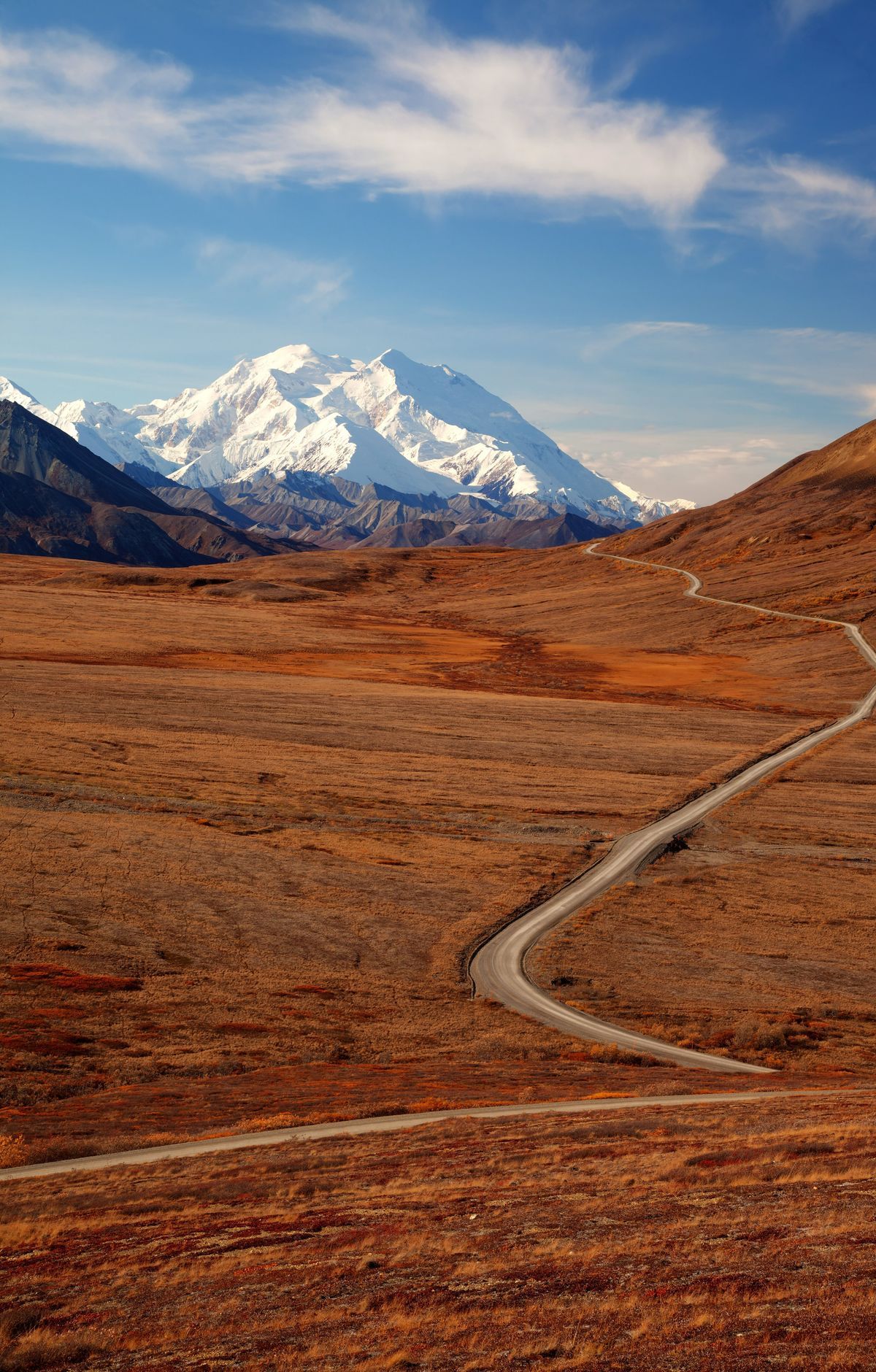
Denali is home to North America's tallest peak, rising to 20,310 feet, within a park that spans six million acres of wild land. Only one road reaches into it, and travelers on Denali Park Road pass through lowland forest, climb into open tundra, and face a skyline of snowy mountains. Bus tours offer a practical way to ride that route, and wildlife viewing from the bus windows is a highlight, since animals wander across land with no fences. Hikers can set out on trails such as the Savage Alpine Trail, while flightseeing trips carry visitors over the Alaska Range. The park also has sled dog kennels, a long-standing part of its history.
Park Areas
All areas →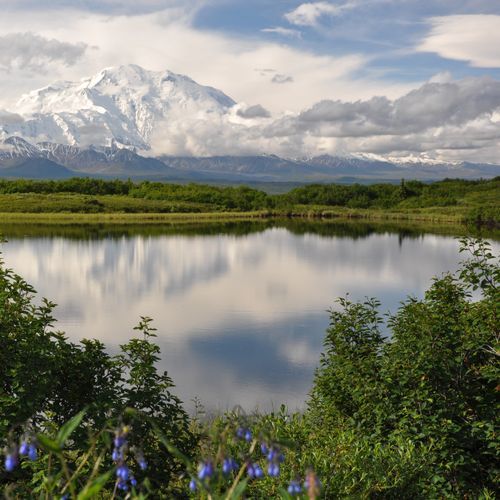
Wonder Lake
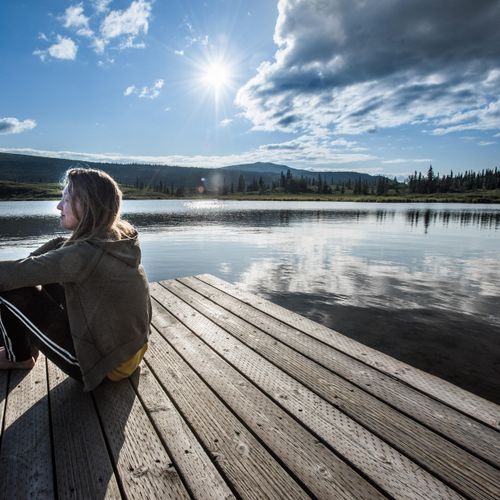
At mile 85 of the park road, this lake is about as close as visitors can get to Mount McKinley, which sits nearly 26 miles away. On clear days, the Alaska Range stretches wide across the sky, and the peak can be photographed in Reflection Pond when the air is calm. The campground here has tent-only sites, and fires are not permitted. The McKinley River Bar Trail runs 2.5 miles one way through spruce forest to the river, passing small ponds. This is a much wetter corner of the park, so waterfowl are often seen on the lake and nearby ponds. Visitors can paddle the lake with a packable raft or kayak, and anglers sometimes catch trout and grayling. Mosquitoes are a major nuisance for much of the summer, so pack a head net.
Eielson Visitor Center
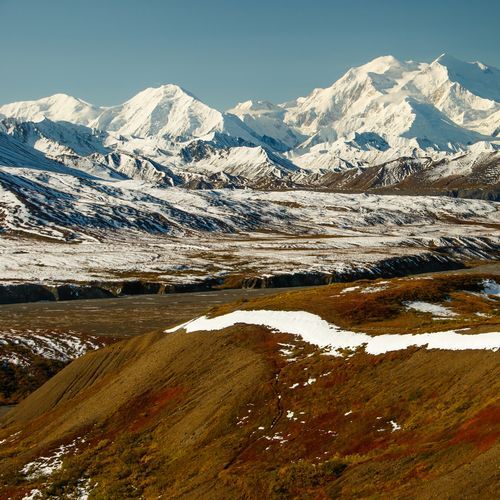
From Mile 66 of the park road, the visitor center looks out on Denali, also called Mount McKinley, which fills the southwestern sky on clear days. Hiking is the main draw here, with three trails, including the Thorofare Ridge Trail and the Tundra Loop, and you can also walk off-trail. Wildlife is common on the surrounding hillsides. Rangers offer several programs through the day, along with daily ranger-led hikes. Visitors usually arrive by bus, and any shuttle except the Toklat shuttle serves the site. The center is currently closed because of the Pretty Rocks landslide, which has shut the road at Mile 42. A small gallery displays art inspired by the wilderness and wildlife, and you can refill water bottles here, though no food is sold.
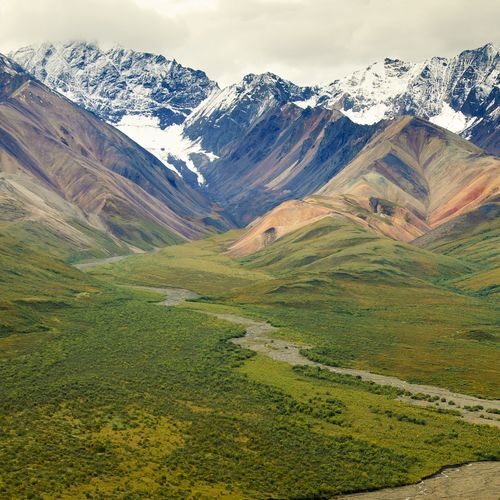
Polychrome Pass
Multicolored ridges and colorful rock give this stretch of the park road its character. Denali Park Road is the only road into the park, and beyond its first 15 miles, travel is by park bus or bicycle. From Polychrome Overlook, visitors look south toward the Polychrome Glaciers, five glaciers tucked into steep-sided valleys that feed streams across a broad plain of gravel bars and tundra. Dall sheep can be spotted on the steep, green hillsides. The road was built over a rock glacier that is melting, causing the road to slump. Backcountry hiking and camping are also possible nearby, but the summit of Polychrome Mountain is not a safe destination because of its loose rock.
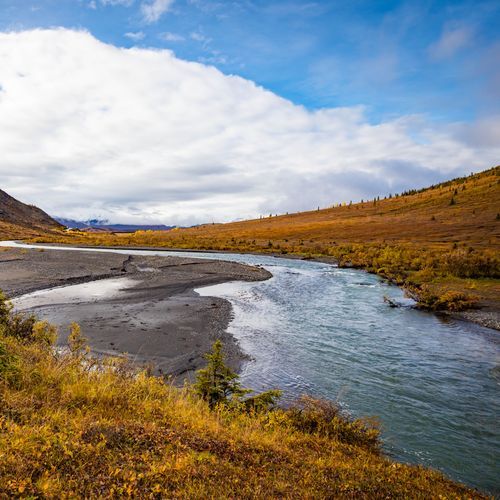
Savage River
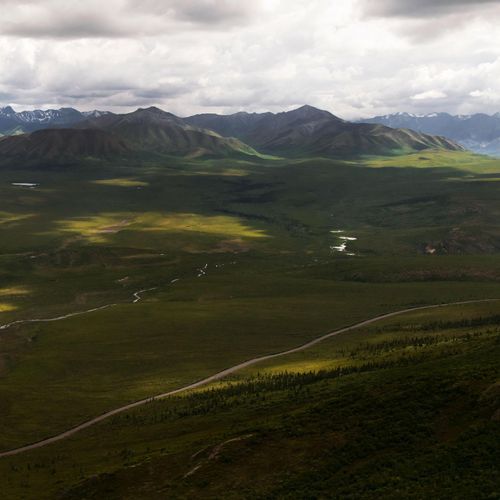
The Savage Alpine Trail is the best hike here for a view of Denali (Mount McKinley) without a bus ride or flightseeing tour. On clear days the trail climbs a high route into the Outer Range, covering about 4 miles with roughly 1,500 feet of climbing, and you can walk it point-to-point or out and back. The easy Savage River Loop Trail circles 2 miles through the canyon beside the river, though the mountain is out of sight from it. The Mountain Vista loop offers views of the surrounding peaks. Private vehicles can drive to this section, or you can ride the free Savage River Shuttle, though parking is limited. Savage River Campground lies nearby among spruce trees. Wildlife is possible here, from squirrels and gulls to Dall sheep, moose and bears.
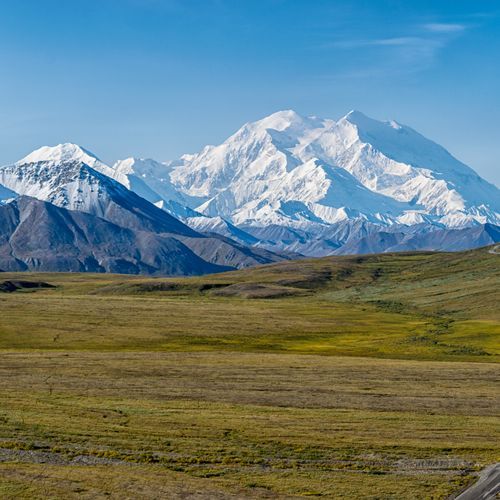
Kantishna
This remote corner is a historic mining district dating to the early 1900s, and it sits at the very end of the park road. Miners cut travel routes along ridges and creek beds to reach their claims, and cabins, equipment and old roads still lie scattered across public and private land. Privately owned wilderness lodges now serve visitors here, and Kantishna Airport, a dirt and gravel strip, provides air access. Hikers can explore the backcountry of the Kantishna Hills, where wide ridgelines covered in alpine tundra run north to Chitsia Mountain. Heavily used trails climb Wickersham Dome and Camp Ridge and can be linked into shorter loops. Cycling is an option too, with rides out past Wonder Lake, and the McKinley Bar Trail offers another route. Respect private property and leave historic relics untouched.
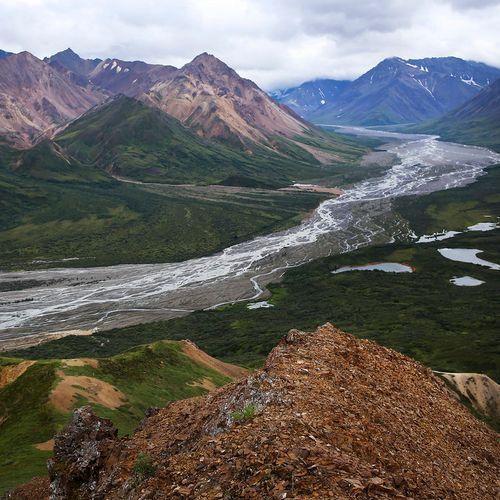
Teklanika River
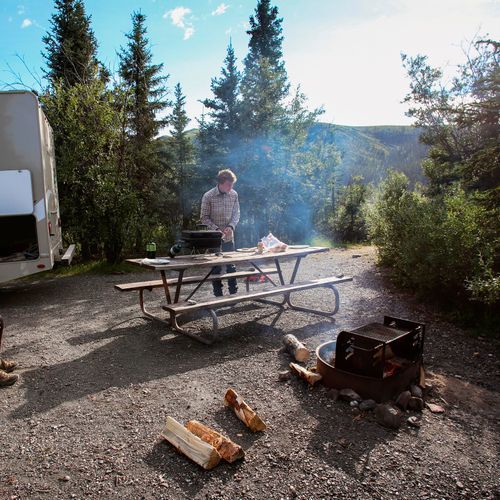
Private vehicles usually turn around at Savage River, but campers heading to Teklanika River Campground are an exception. Drivers must stay at least three nights and keep their vehicle at the campsite, using park transit buses to sightsee instead. Tent campers who arrive by bus are exempt from that minimum. The area has no formal trails, so hikers strike out on their own, and backcountry backpacking is possible in the surrounding country. Cathedral Mountain rises on the west side of the river, and glaciers at its headwaters, which cannot be seen from the Park Road, sit among miles of open tundra hillsides. Farther north the land turns to rolling hills and dwarf birch shrubland. The river itself is swift, and its downstream canyons are impassable on foot.
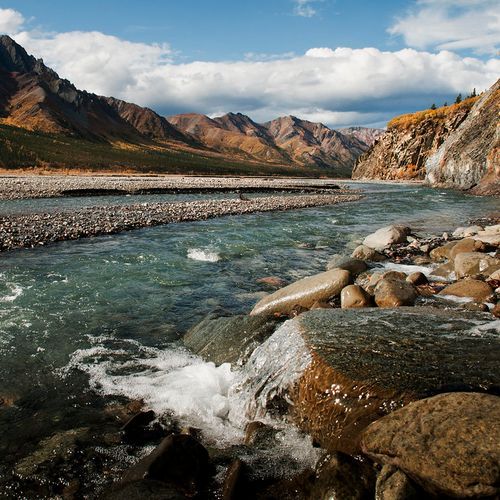
Toklat River
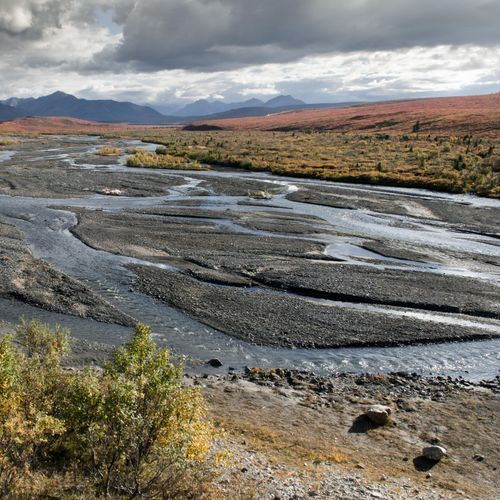
The Toklat River fills a mile-wide valley of braided gravel bars between steep mountains. Hillsides at the bar's edge hold spruce and tall willow, and higher up lies open alpine tundra. The Toklat River Contact Station sits at mile 53 of the park road. Backcountry hikers and campers can spend a night or several along the banks. Grizzly bears often travel or hunt along the water, so give them room. Crossings on foot can be dangerous at high water, and the channel shifts yearly, so plan carefully. High winds often blow from the south, so pitch tents in sheltered spots. Charles Sheldon, an early park advocate, explored this valley in the early 1900s, and nearby Mount Sheldon bears his name.
Popular Hiking Trails
All trails →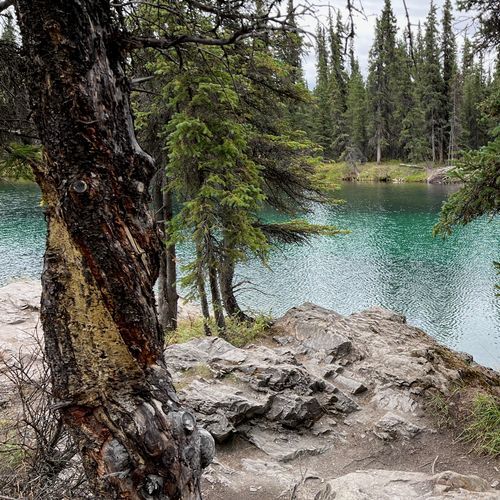
Horseshoe Lake Trail
Moderate2.3 mi
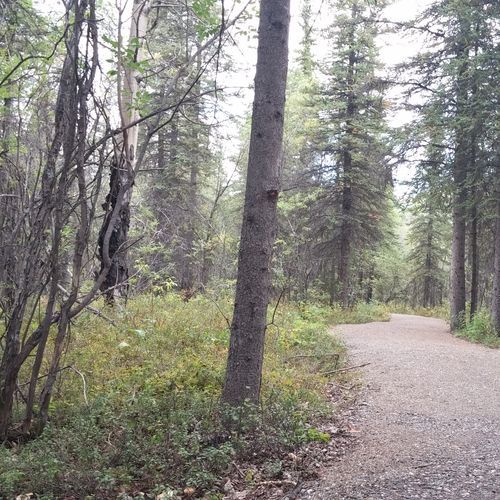
Historic Stampede Trail
Difficult18.2 mi
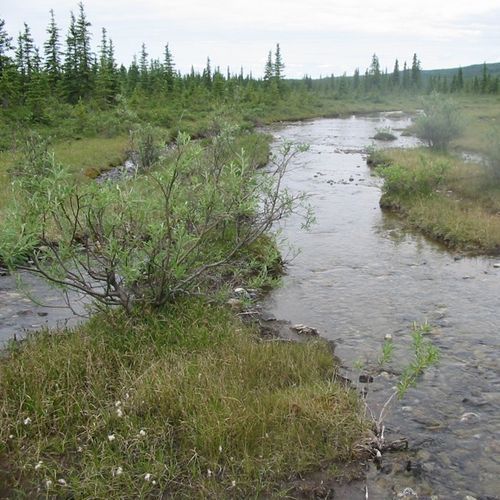
McKinley Bar Trail
Easy4.7 mi
Savage River Loop Trail
Easy1.7 mi
Triple Lakes Trail
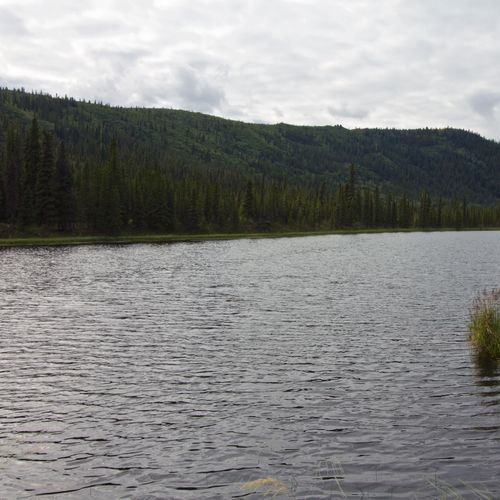
Difficult9.1 mi
Meadowview Trail
Easy0.6 mi
Roadside Trail
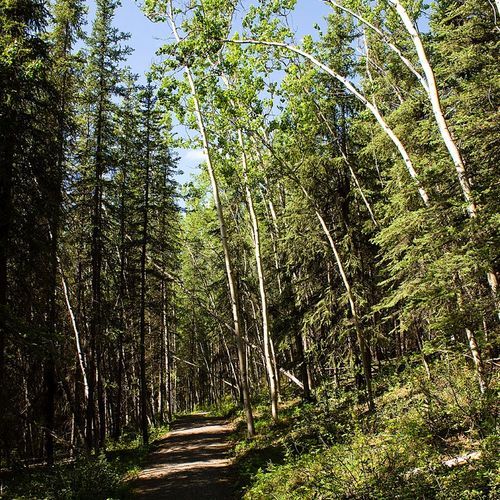
Moderate2.5 mi
Rock Creek Trail
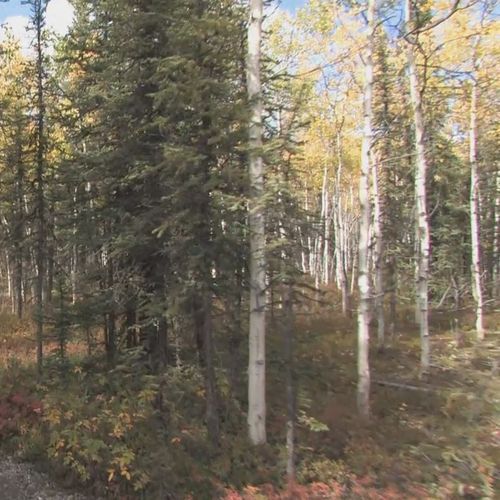
Easy2.0 mi
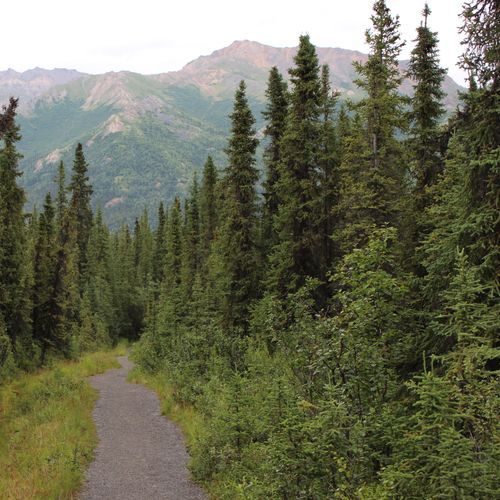
Mt. Healy Trail
Moderate5.9 mi
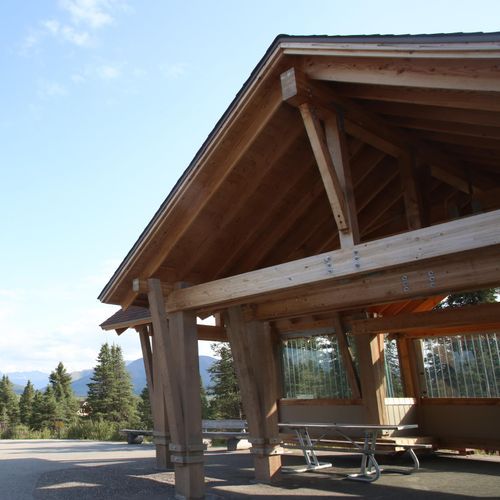
Mountain Vista Trail
Easy0.7 mi
Visitor Centers
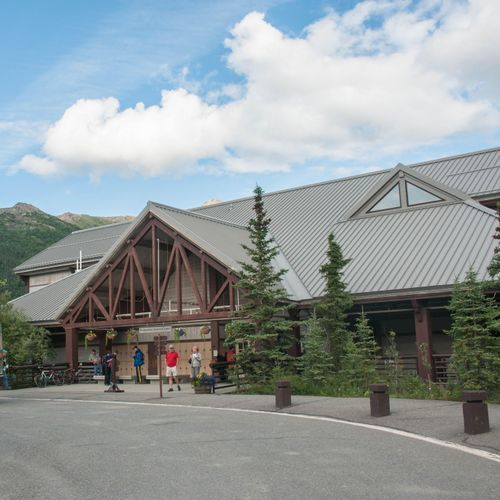
Denali Bus Depot
5:30AM - 7:00PM
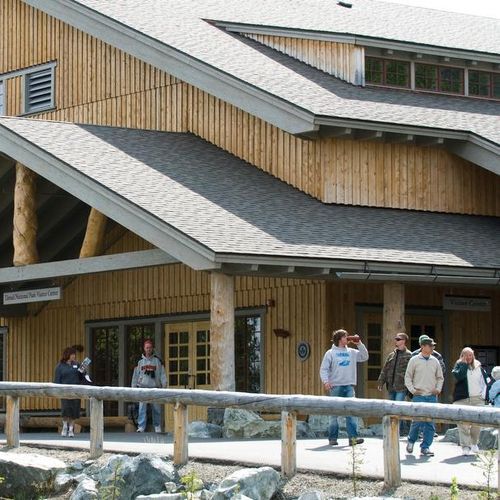
Denali Visitor Center
8:00AM - 6:00PM
Eielson Visitor Center
Closed
Indoor Picnic Area
9:30AM - 5:00PM
Murie Science and Learning Center
9:30AM - 5:00PM
Walter Harper Talkeetna Ranger Station
8:00AM - 4:30PM
Campgrounds
Camping guide →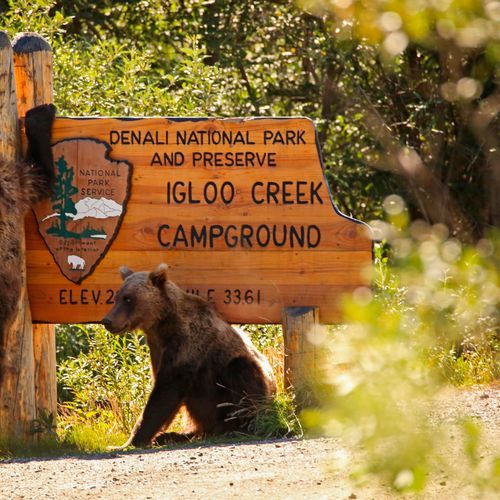
Igloo Creek
Polychrome Pass
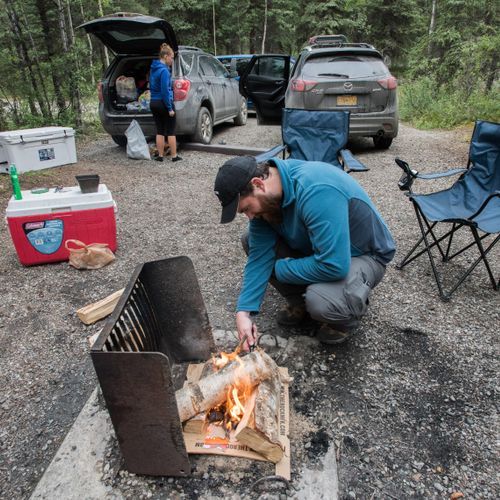
Riley Creek
Savage River
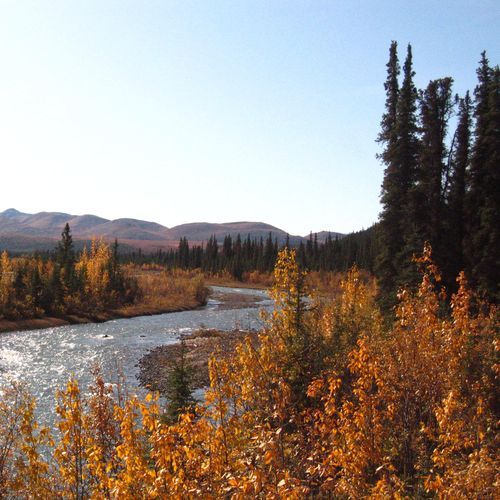
Sanctuary River
Savage River
Savage River
Savage River
Teklanika River
Savage River
Wonder Lake
Wonder Lake
About the Park
Park Areas
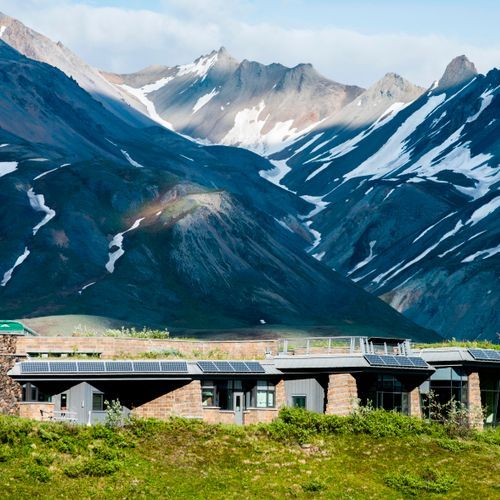
Eielson Visitor Center, located at Mile 66 on the Park Road, is a key destination in Denali National Park & Preserve. It offers panoramic views and serves as an educational hub, providing insights into the region's geology and wildlife. Accessible via shuttle buses, except the Toklat shuttle, and the Kantishna Experience tour, it is a starting point for nearby trails and features ranger-led programs to enhance visitor understanding of the environment.
Polychrome Overlook is a notable feature in Denali, offering vibrant, multicolored landscapes that captivate visitors. Its striking vistas make it a popular stop along the Park Road, providing a unique perspective on the park's diverse terrain.
Savage River, located in Denali, offers a scenic setting for hiking and wildlife observation. The area is known for its accessible trails and opportunities to spot wildlife, making it a favored location for visitors seeking a blend of adventure and tranquility.
Kantishna, situated within Denali, is a historic mining district that now serves as a remote retreat for visitors. It offers a glimpse into the park's past and provides opportunities for hiking, wildlife viewing, and exploring the natural beauty of the area.
Teklanika River provides a quieter experience for observing Denali’s wildlife and landscapes. Its gravel bars are popular for camping, offering an immersive nature experience. The river’s glacial-fed waters contrast with the tundra environment, demanding preparedness and respect for nature.
Toklat River is ideal for wildlife observation, particularly Dall sheep. Its open landscape offers expansive mountain views, and its braided channels, formed by glacial melt, create a dynamic environment. The area is less crowded, appealing to those seeking solitude and natural beauty.
Park Guides
All 12 guides →Riding the Bus Down Denali Park Road
The Denali Park Road runs 92 miles from the park entrance to Kantishna, an old mining community at its far end.
Seeing the Mountain Through Denali's Clouds
Denali, at 20,310 feet, is the tallest peak in North America, but clouds can hide it completely.
Denali, the High One: A Still-Rising Peak
Denali's summit rises to 20,310 feet, the highest point on the North American continent. The mountain sits within Denali National Park and Preserve, a park that was once known as Mount McKinley National Park.
Off-Trail Hiking: Denali's Open Wilderness
Off-trail hiking is allowed throughout Denali National Park and Preserve, which sets it apart from most national parks.
Climbing Denali (Mount McKinley)
Denali, federally designated as Mount McKinley, is the highest peak in North America, and climbing it asks a great deal of anyone who tries.
