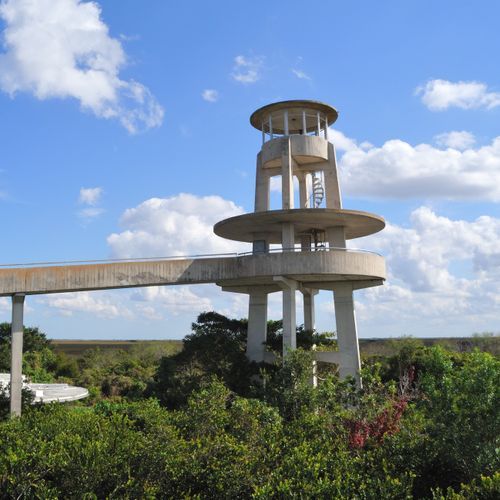
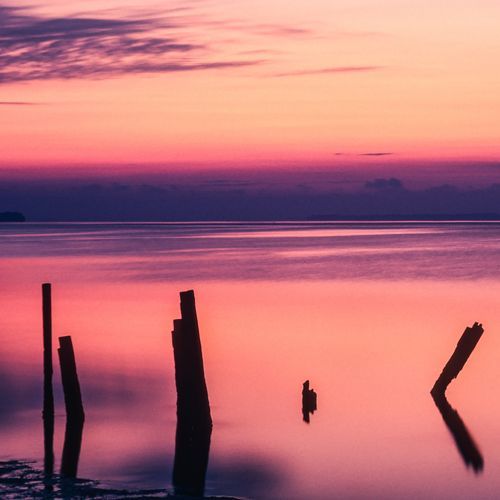
Everglades National Park is best understood not as a single stop, but as three distinct gateways into the same vast wilderness. On the park’s east side, the Homestead and Royal Palm area delivers the classic Everglades introduction: sawgrass marsh, easy boardwalks, roadside pullouts, and some of the park’s most reliable wildlife viewing. This is where first-time visitors get their bearings and where a short visit can still feel rich and memorable. Farther south, Flamingo opens up a broader, more exposed landscape of coastal wetlands and Florida Bay, where the freshwater “river of grass” gives way to mangroves, open water, and big skies. It feels more remote, more elemental, and better suited to visitors who want to linger, paddle, boat, or watch the day unfold at the edge of the continent.
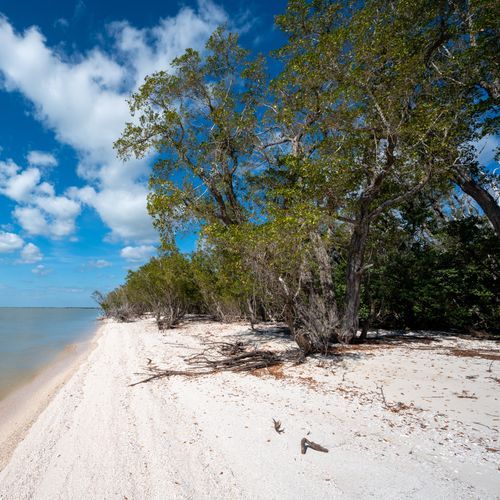
On the Gulf Coast, the park shifts again. The Everglades City area is the doorway to the mangrove wilderness of the Ten Thousand Islands, a labyrinth of tidal creeks, estuaries, and sheltered water that is less about overlooks and more about immersion. This is the Everglades for paddlers, boaters, anglers, and travelers drawn to a wilder, more tidal version of the park. If the Homestead side is where you learn the Everglades, and Flamingo is where you experience its coastal sweep, the Gulf Coast is where you disappear into its watery maze.
Visitors should choose their approach with intention, because these areas are not quick side trips from one another. The eastern entrances are ideal for boardwalks, short trails, and iconic wildlife stops; Flamingo rewards a full day or more with boating, bay views, and a stronger sense of remoteness; the Gulf Coast is the place to prioritize if paddling and backcountry water travel are the goal. The smartest way to explore Everglades National Park is to think in ecosystems rather than checklists: freshwater marsh on the east side, coastal transition in the south, and mangrove island country on the Gulf. Together, they reveal just how varied and expansive the Everglades really is.