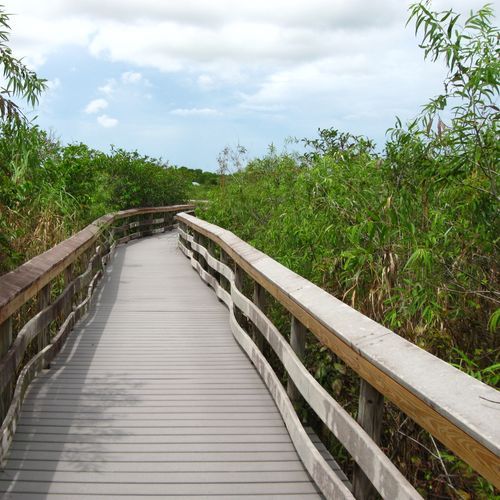
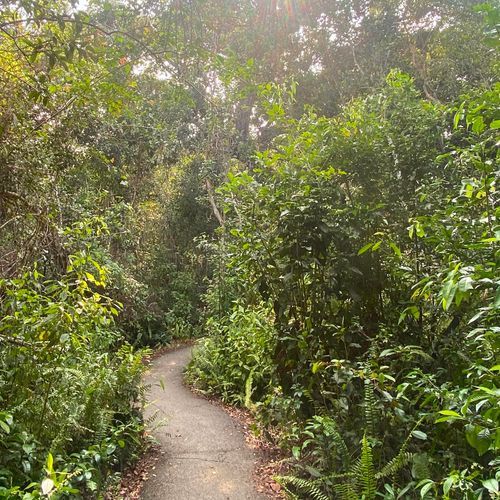
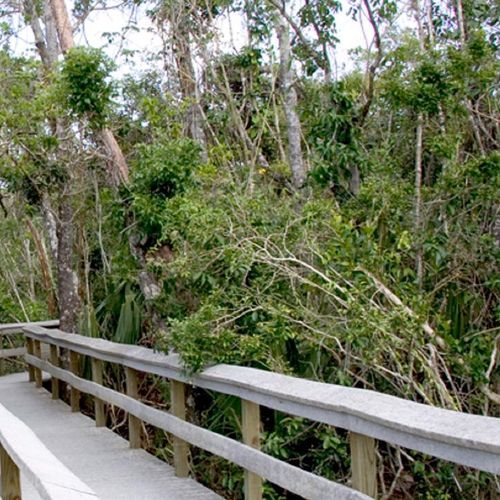
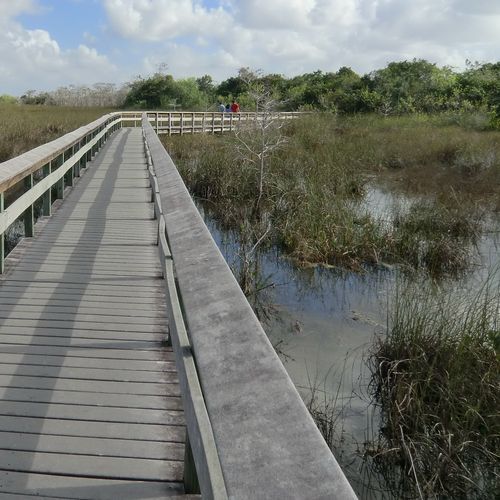
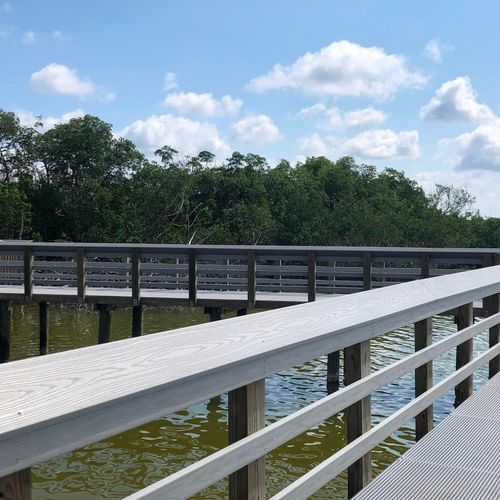
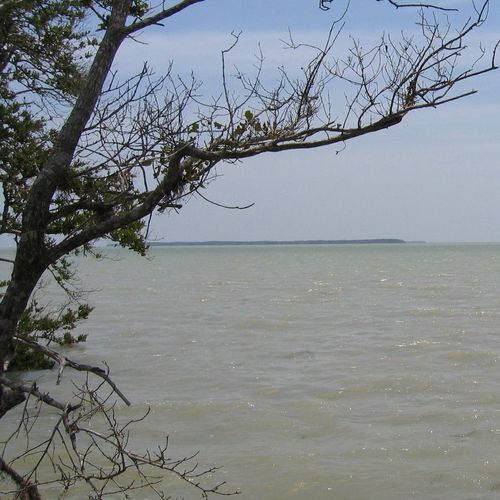
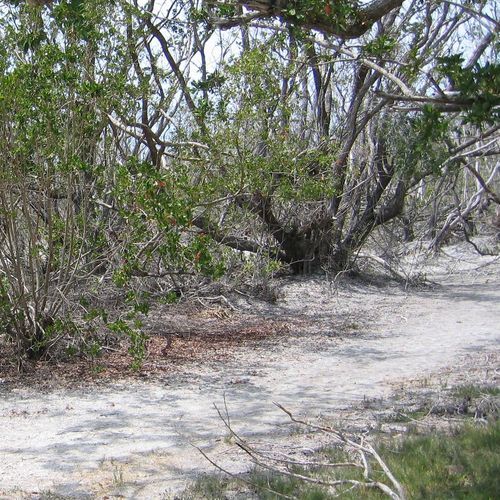
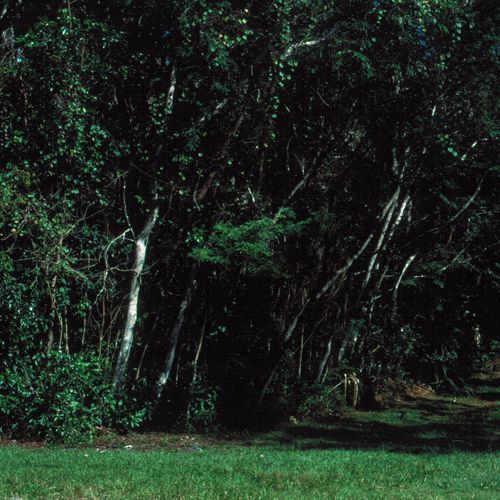
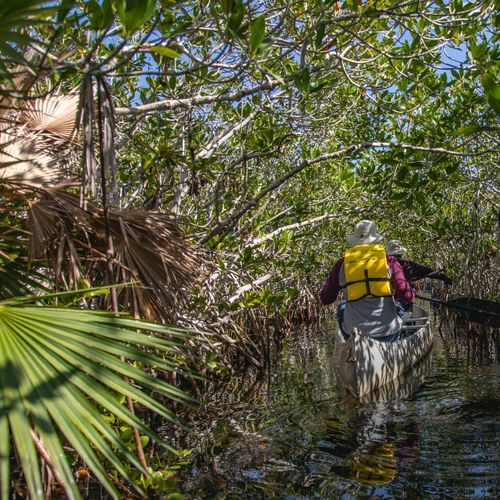
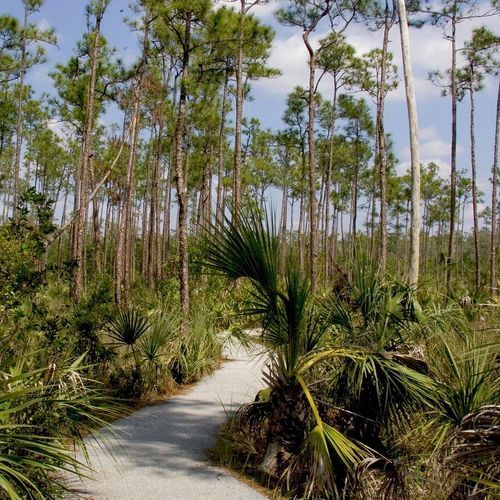
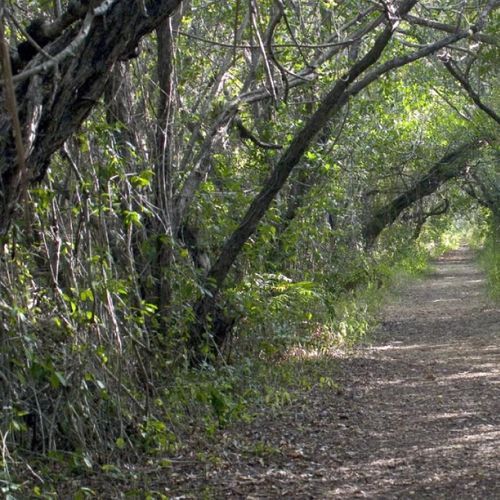
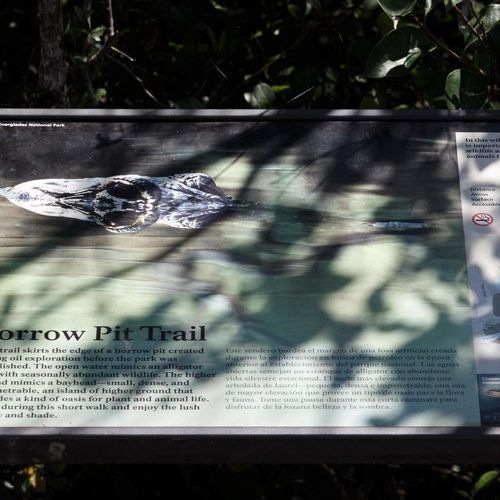
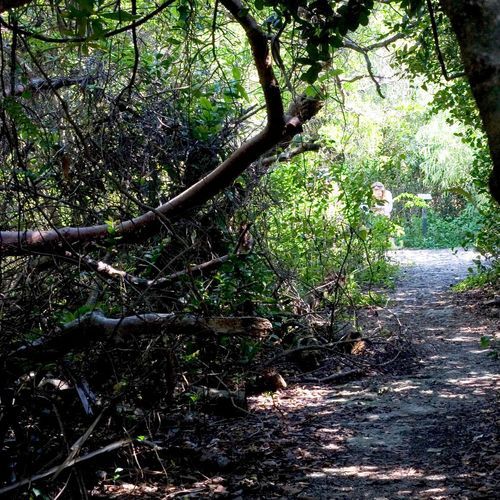
Hiking in Everglades National Park is less about chasing summits and more about entering one of the most distinctive landscapes in America. The park’s 28 trails skew overwhelmingly easy, with most routes unfolding as short walks, paved paths, or boardwalks that make the Everglades remarkably approachable for families, casual hikers, and wildlife watchers. That accessibility is part of the appeal: you can step out for a brief walk and find yourself in the middle of sawgrass marsh, tropical hardwood hammock, pine rockland, or mangrove country, often with alligators, wading birds, and sweeping wetland views stealing the show.
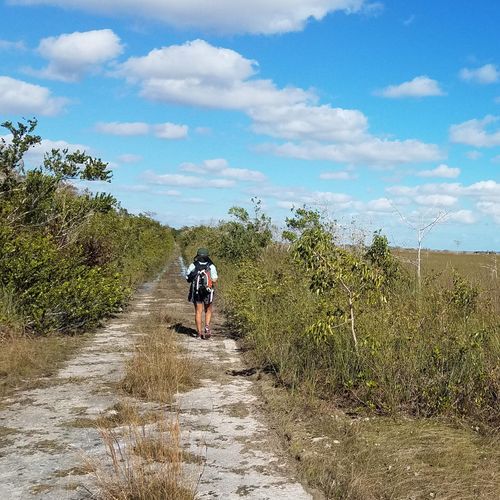
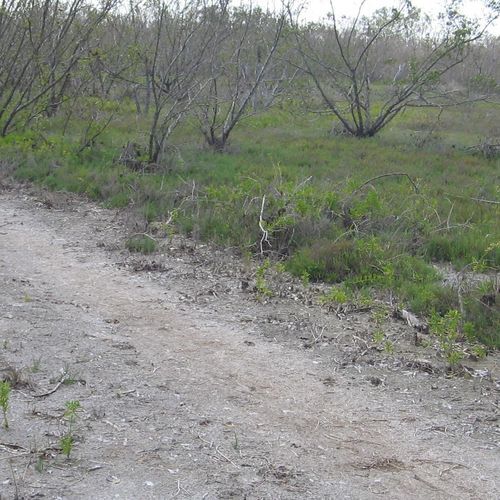
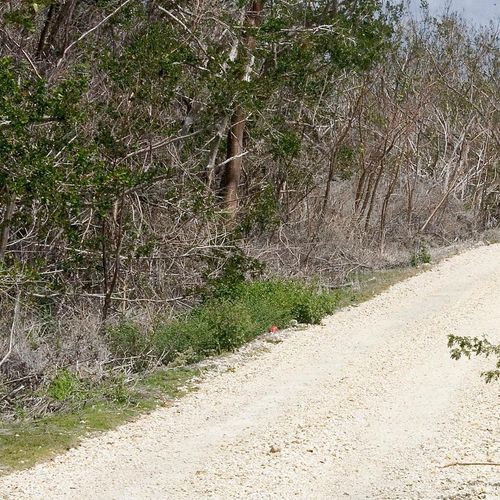
The standout trails are the classics for good reason. Anhinga Trail is the park’s signature walk, a short, accessible route that delivers some of the best up-close wildlife viewing in the Everglades. Gumbo Limbo and Mahogany Hammock offer a different mood entirely, taking hikers into shaded, jungle-like forest where the air feels cooler and the vegetation closes in. Pa-hay-okee Overlook is ideal for a quick, panoramic look at the famed river of grass, while West Lake adds a mangrove-fringed, coastal feel. For those who want more than a gentle stroll, the park also offers a small handful of moderate, difficult, and even extreme routes, including rougher former roadbeds and seasonally muddy tracks around Long Pine Key and Flamingo that feel wilder and less manicured.
What makes hiking here special is the contrast between effort and reward. In few national parks can such short, easy trails deliver such an immediate sense of place. You are not hiking for elevation or alpine drama; you are walking into a living wetland where the texture of water, light, birdsong, and subtropical plant life defines the experience. The Everglades asks you to slow down, look closely, and let the landscape reveal itself—one boardwalk, overlook, and muddy path at a time.