
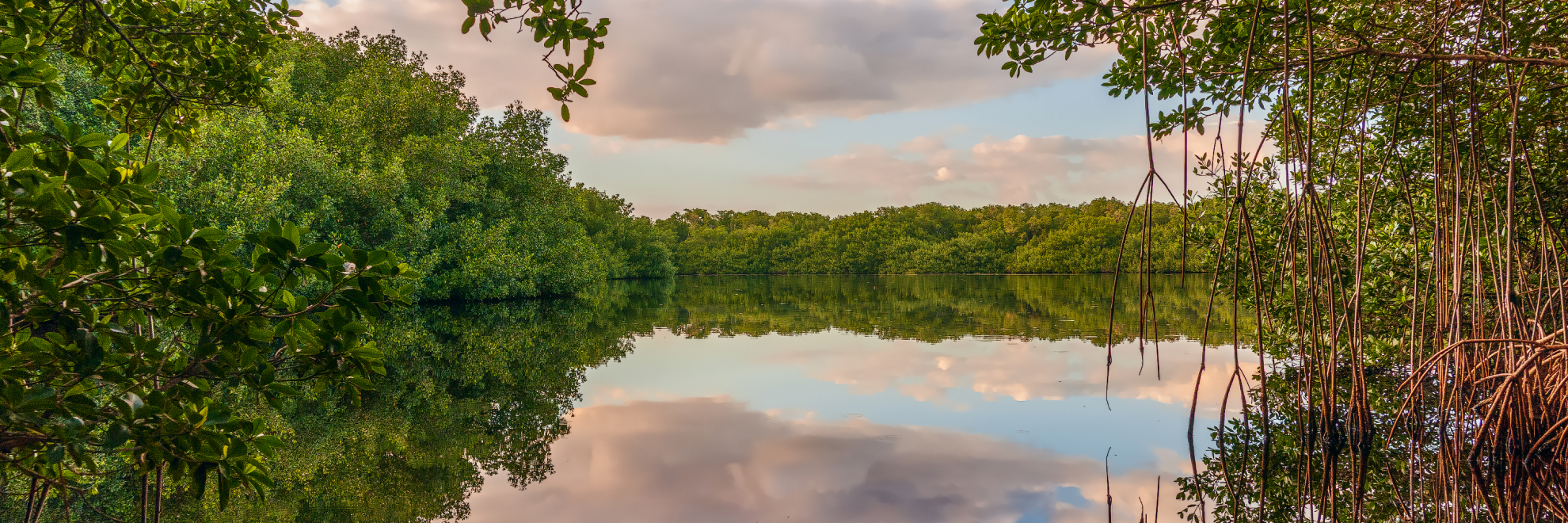
Everglades National Park, often referred to as a river of grass, stretches across southern Florida and is the largest tropical wilderness of any kind in the U.S. This vast environment is not just a swamp as often thought, but a complex and vibrant ecosystem that includes pinelands, wetlands, and coastal mangroves. The park is unique in that it has been declared an International Biosphere Reserve, a World Heritage Site, and a Wetland of International Importance.
The Everglades play a crucial role in the delicate balance of the ecosystem by serving as a habitat for a multitude of wildlife, including several endangered species like the manatee, American crocodile, and the elusive Florida panther. Bird watchers will find a paradise here, with over 350 species of birds, making it a prime spot for migratory and resident birds alike.
The human history of the Everglades is just as rich and diverse as its ecosystem. The area has been inhabited for thousands of years, first by Native American tribes such as the Calusa and the Tequesta, and later by European settlers. The struggle to preserve and protect this unique environment has been ongoing, highlighting the balance between human needs and conservation.
Visiting Everglades National Park offers more than just sightseeing; it's about experiencing and understanding this fragile ecosystem. Activities include guided tours by park rangers, airboat rides through the marshes, kayaking, and hiking. The Anhinga Trail is particularly famous for its up-close views of wildlife, while Shark Valley offers a tram tour that provides a comprehensive introduction to the vast wetlands.
The park also includes significant marine environments, and a boat tour to the Ten Thousand Islands reveals a labyrinth of both large and small mangrove islands. At the Gulf Coast Visitor Center, one can learn how these islands and the surrounding marine areas are integral to the Everglades ecosystem.
The fight to preserve the Everglades continues, and each visit contributes to the understanding and appreciation of this incredible national treasure, encouraging efforts for its survival into the future.
Everglades National Park
Florida
Florida
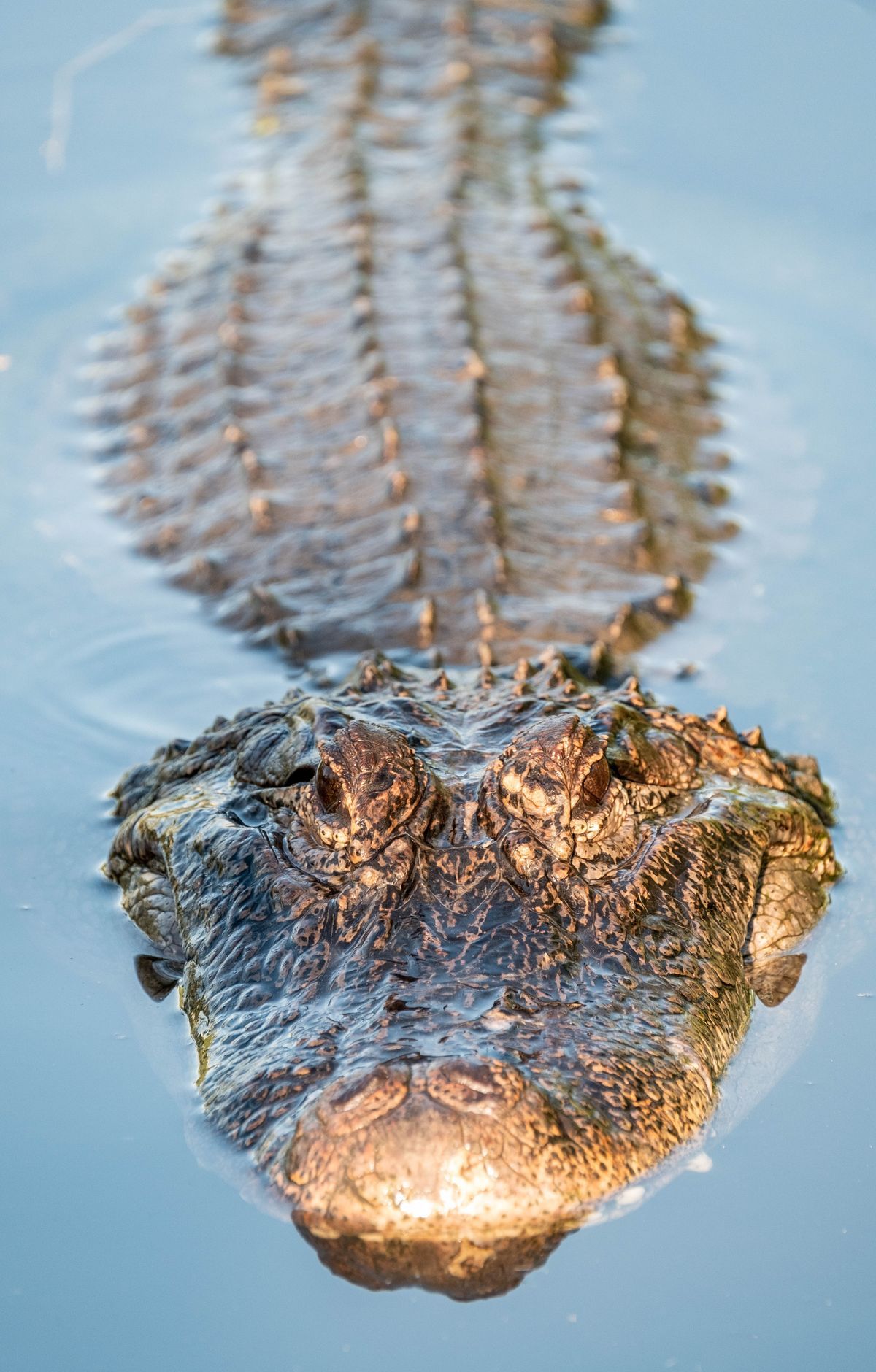
Everglades National Park is the only subtropical preserve in North America, a mosaic of sawgrass prairies, cypress, mangrove waterways and pinelands. Alligators and American crocodiles share habitat here, a combination found nowhere else on Earth, and visitors may also spot manatees and the elusive Florida panther. Birdwatchers come for herons and storks. Start at Shark Valley to take a tram tour along a fifteen-mile loop road and climb an observation tower, or walk the Anhinga Trail boardwalk over wetlands. Paddlers can follow marked canoe trails, airboats run through the marshes, and the coastal waters around the Ten Thousand Islands offer a different view.
Park Areas
All areas →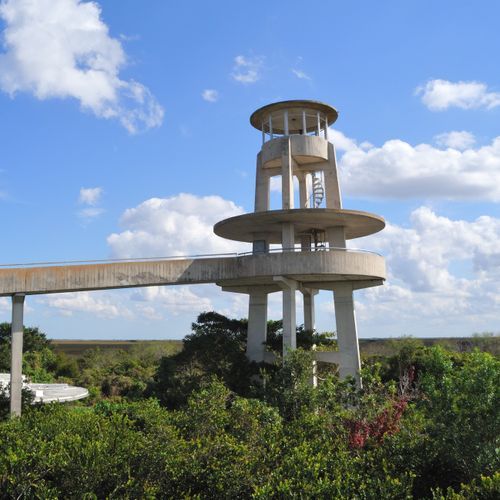
Shark Valley
Halfway around the 15-mile loop road, a 70-foot observation tower rises above the sawgrass marsh, offering a wide view over the River of Grass. Guided narrated tram tours run for two hours along the paved, flat loop, and visitors can also bike it, with rentals available on site. Alligators are common along the roadway, and wood storks, limpkins, snail kites and anhingas are found throughout the day, making this a strong spot for bird watching. Two short walking trails start near the visitor center. The Bobcat Boardwalk is a self-guided route through sawgrass slough and hardwood forest, while the Otter Cave Hammock Trail follows a limestone path through tropical hardwood forest, crossing small footbridges over a stream. Ranger-led programs are also offered.
Gulf Coast
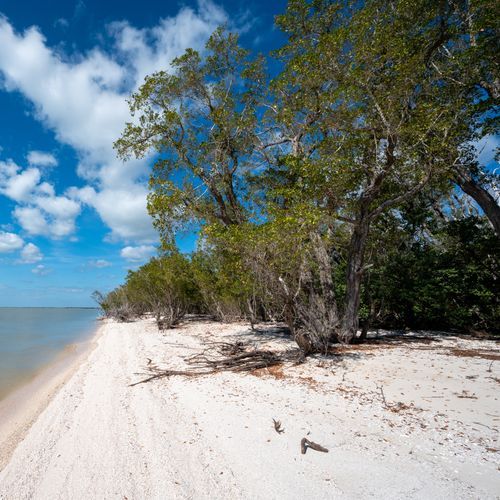
The Gulf Coast opens onto the Ten Thousand Islands, where mangrove islands and winding channels stretch all the way to Flamingo and Florida Bay. Getting into this part of the park requires a boat. Boat tours into the park leave from Everglades City, while canoeing and kayaking let you follow the channels at your own pace. From shore or from a boat, birders can spot wading birds, cormorants, ospreys, bald eagles, pelicans and shorebirds, with peregrine falcons, swallow-tailed kites and wood storks arriving seasonally. Sandfly Island, 1.5 miles from the Gulf Coast Visitor Center site, has a 0.9-mile bare-ground trail reachable only by canoe, kayak or motorboat. Ranger-guided programs take place here, remote backcountry routes lead deeper into the mangroves, and the Smallwood Store is among the area's places to visit.
Flamingo
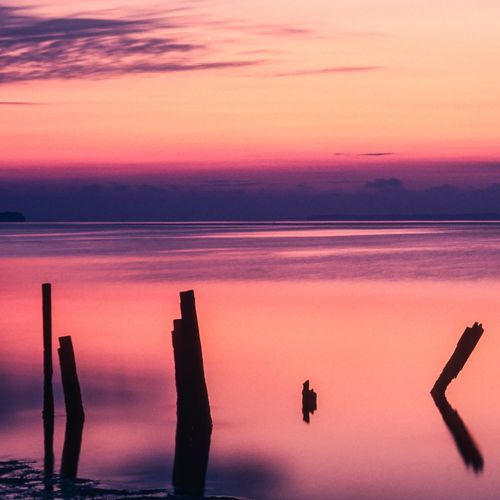
Sitting on the edge of Florida Bay at the very end of the Main Park Road, this area is home to the southernmost visitor center in the park. Birdwatching is a highlight, with wading birds, shorebirds and waterbirds using the mangrove and coastal prairie habitats along the shoreline. The Flamingo Marina serves as a base for boat tours of Florida Bay and Whitewater Bay, and you can rent canoes and kayaks to reach spots that cannot be reached by land. Paddling trails range from beginner to advanced. The Flamingo Visitor Center, the only one of the park's four visitor centers not at an entrance, has a breezeway with benches and views over the bay. Hiking and biking trails wind through mangroves and hammocks, and visitors may spot crocodiles and manatees near the docks and shore.
Popular Hiking Trails
All trails →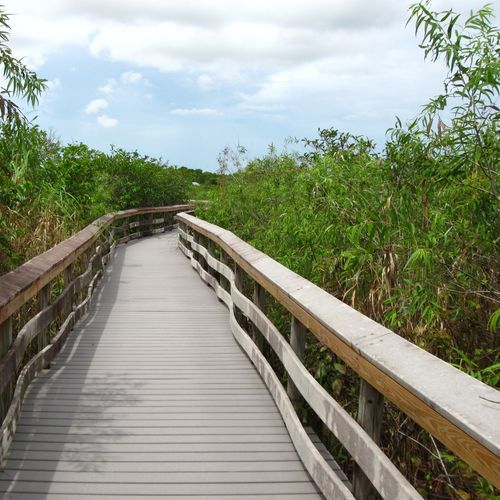
Anhinga Trail
Easy1.1 mi
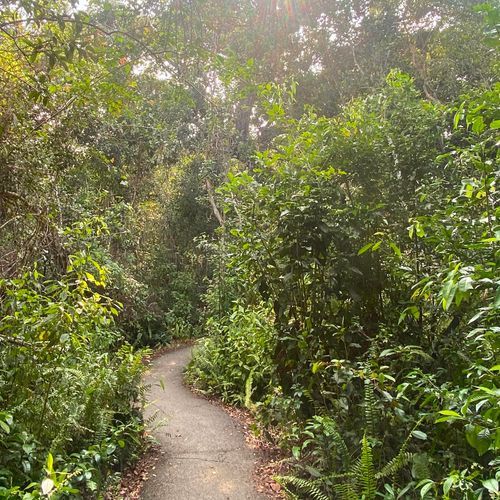
Gumbo Limbo Trail
Easy0.4 mi
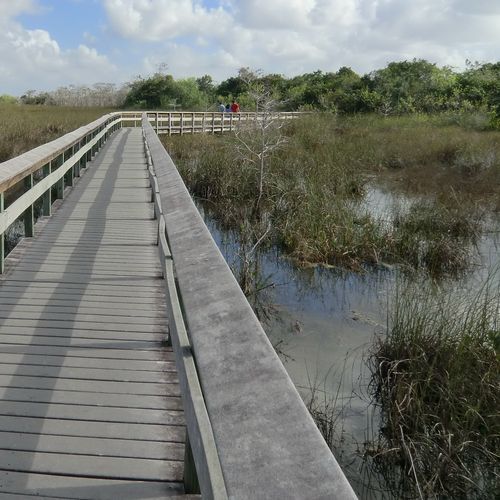
Pa-hay-okee Trail
Easy0.1 mi
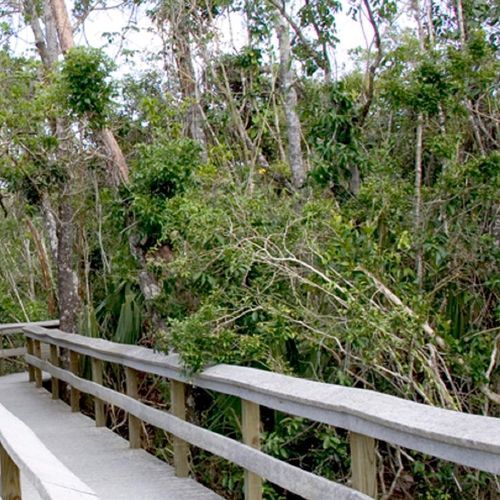
Mahogany Hammock Boardwalk Trail
Easy0.3 mi
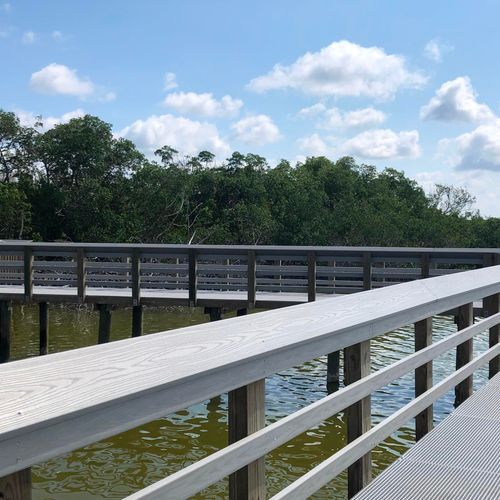
West Lake Trail
Easy0.5 mi
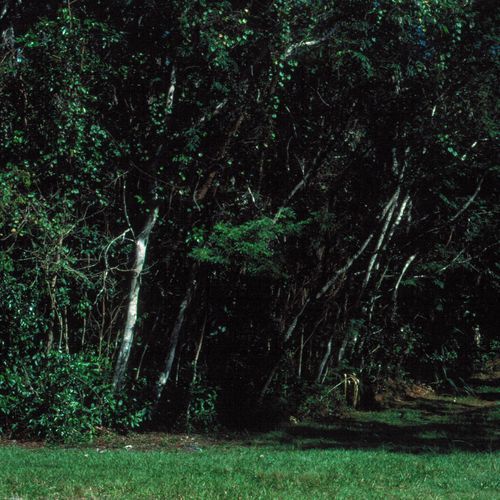
Long Pine Key Trail
Easy3.1 mi
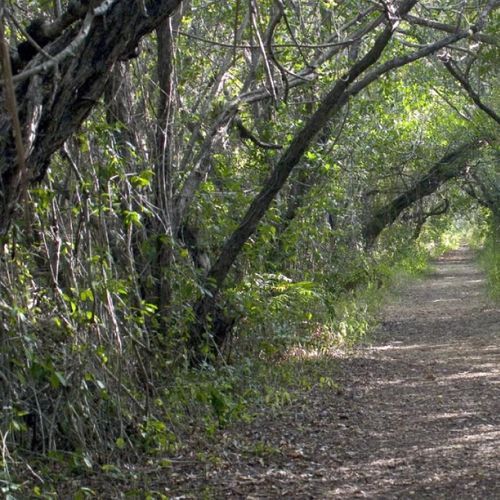
Snake Bight Trail
Easy3.7 mi
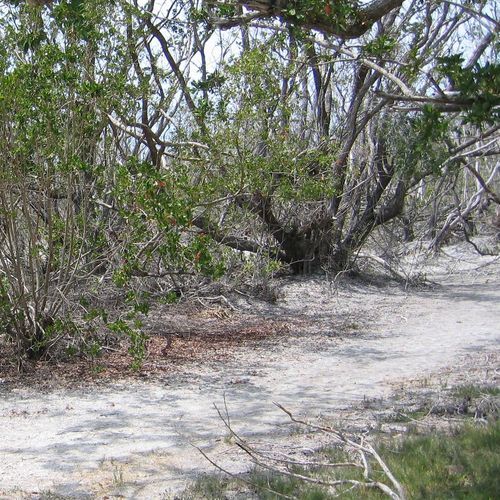
Coastal Prairie Trail
Moderate12.4 mi
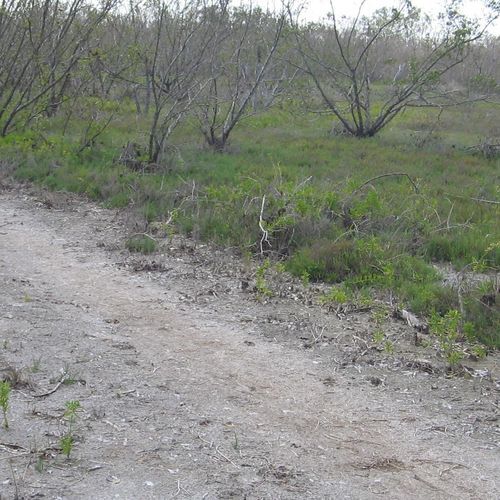
Rowdy Bend Trail
Easy5.2 mi
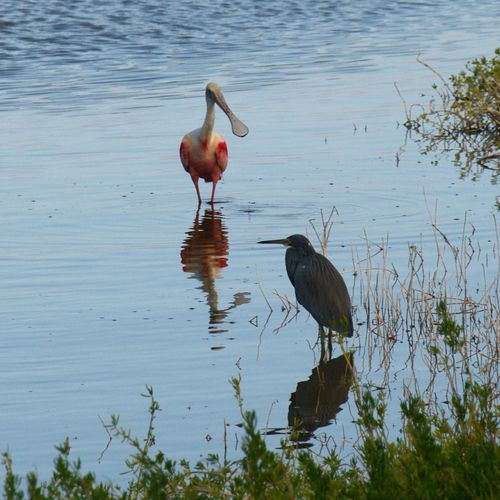
Eco Pond
Easy0.5 mi
Visitor Centers
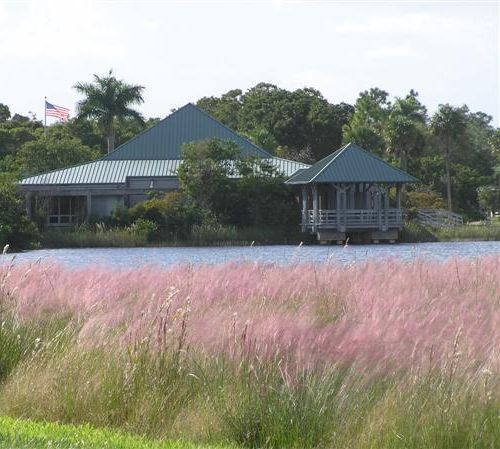
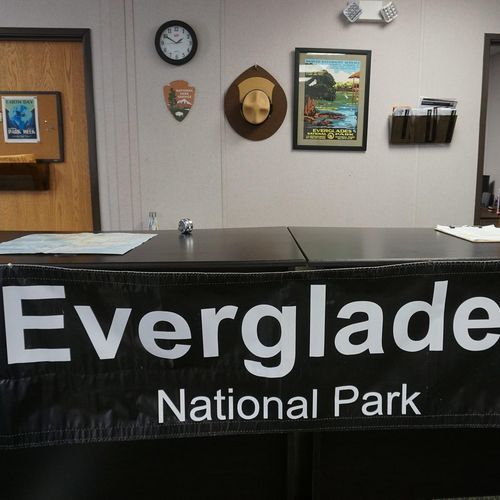
Ernest F. Coe Visitor Center
8:00AM - 5:00PM
Gulf Coast Visitor Center
Closed

Guy Bradley Visitor Center (at Flamingo)
8:00AM - 5:00PM
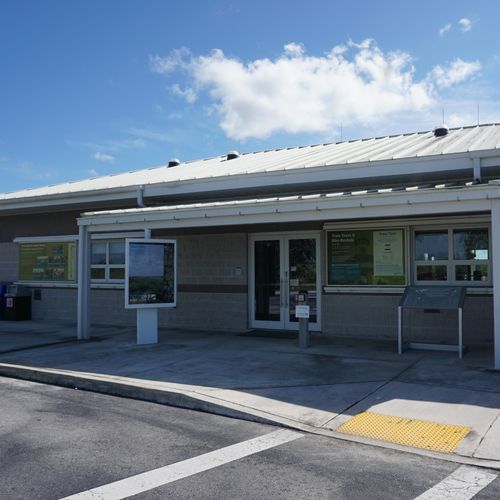
Shark Valley Visitor Center
9:00AM - 5:00PM
Campgrounds
Camping guide →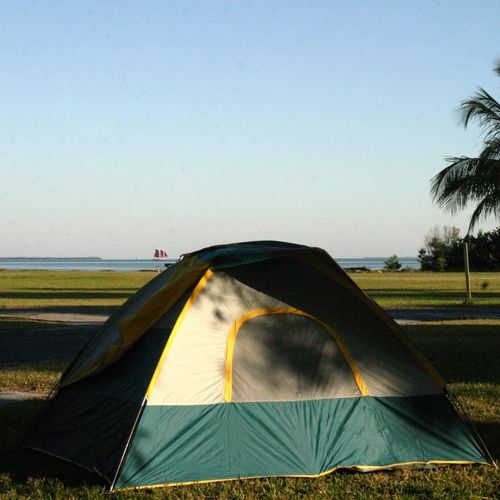
Flamingo Campground
Flamingo
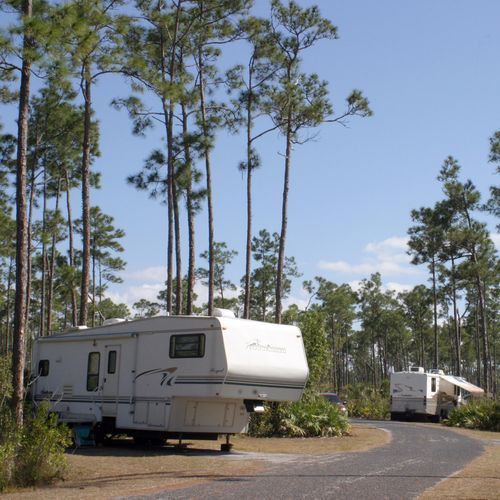
Long Pine Key Campground
Flamingo
About the Park
Park Areas
Shark Valley is a premier destination within the Everglades, featuring a 15-mile loop trail ideal for cycling or tram tours. It offers elevated views from an observation tower, providing a panoramic look at the expansive wetlands and diverse wildlife, including alligators and wading birds. The flat terrain ensures accessibility for all visitors. Located at the head of the Shark River Slough, Shark Valley is ecologically significant, highlighting the freshwater slough ecosystem.
The Gulf Coast area presents a contrasting experience with its vast mangrove forests and tranquil waterways, distinct from the park's marshy interior. Visitors can explore the Ten Thousand Islands by kayak or boat, offering a chance to observe wildlife such as dolphins and manatees. This relatively secluded area provides a quieter experience, with fishing and birdwatching as popular activities.
Flamingo offers a unique coastal experience with access to both freshwater and saltwater environments. It features a marina, campgrounds, and a visitor center, serving as a gateway to Florida Bay and the surrounding mangrove islands. Flamingo is notable for its opportunities to spot manatees, American crocodiles, and a variety of wildlife, making it a prime location for boating, fishing, and birdwatching.
Park Guides
All 12 guides →Wet Season vs. Dry Season Survival Guide
The wet season runs from May through November, when the park is typically hot and humid. Average highs reach 90 degrees, humidity often tops 90 percent, and the heat index can climb above 100 degrees.
Shark Valley Tram Road and Observation Tower
Shark Valley sits deep in the Everglades, along the Tamiami Trail, which is United States Highway 41, west of Miami.
Pinelands and Pa-hay-okee on the Main Park Road
Along the main park road, the Pa-hay-okee Overlook sits about thirteen miles from the main entrance and the Ernest F. Coe Visitor Center.
Paddling the Wilderness Waterway and Backcountry Chickees
The Wilderness Waterway is a 99-mile route linking Flamingo with Everglades City, and it suits paddlers seeking an extended trip.
Milky Way Nights at Flamingo
Flamingo sits on the edge of Florida Bay at the end of the Main Park Road, 38 miles past the Homestead entrance.
