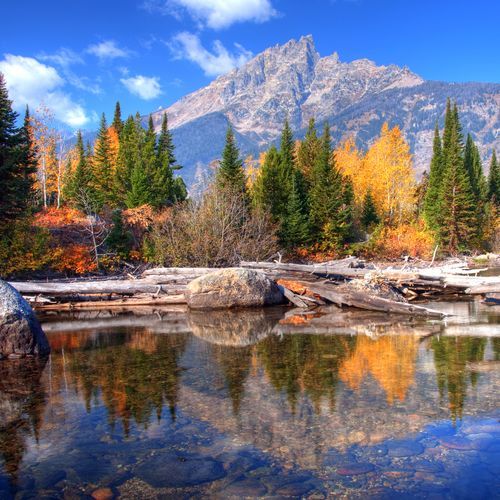
Grand Teton National Park breaks naturally into four distinct touring regions, and the smartest way to explore it is to match each area to your pace and priorities. The Moose and southern park corridor is the classic first impression: broad valley views, the historic Mormon Row barns, the Snake River, and easy access to visitor services and popular trailheads. This is where many visitors get their bearings and where the Tetons first rise dramatically above the floor of Jackson Hole. Just north of there, the Jenny Lake area is the park at its most iconic and most concentrated—glacial water, sheer mountain walls, boat access, and some of the best day hiking in the park. If you want the essential Teton experience in a short visit, this is the place to focus, but it rewards an early start and a willingness to walk beyond the busiest viewpoints.
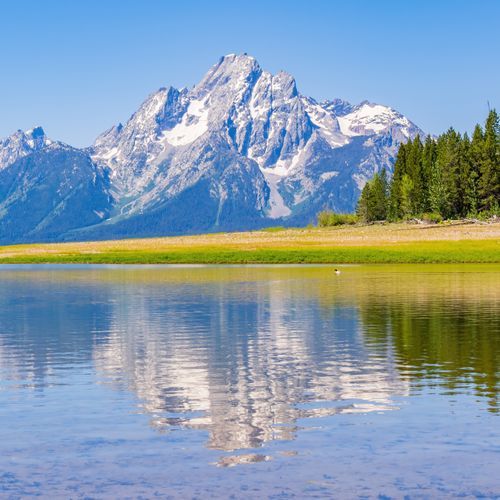
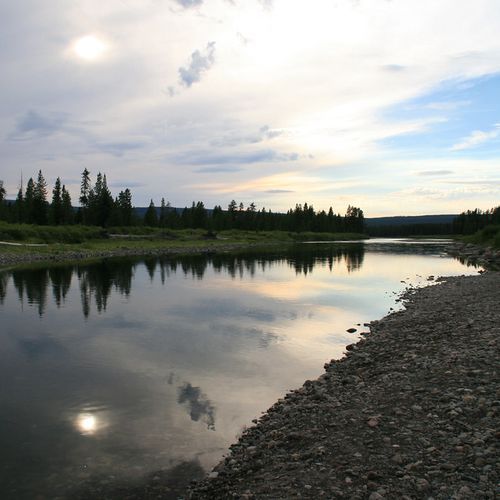
Farther north, the Jackson Lake and Colter Bay region feels bigger, breezier, and more expansive. Here the range is paired with open water, marinas, scenic drives, lakeshore walks, and a slightly more relaxed rhythm than Jenny Lake. It is an excellent base for families, paddlers, and anyone who wants a mix of mountain scenery and time on the lake. Continue toward the northern end of the park and the John D. Rockefeller Jr. Memorial Parkway, and the mood shifts again: this is the transitional landscape between Grand Teton and Yellowstone, with forested corridors, river scenery, and a wilder, more drive-oriented feel. Think of it less as a stop-and-rush destination and more as a scenic connector worth savoring.
Taken together, these four areas offer four versions of Grand Teton. The south introduces the valley and its human history, Jenny Lake delivers the park’s signature alpine drama, Jackson Lake opens the experience into a grander recreational landscape, and the parkway stretches the journey into a broader Rocky Mountain corridor. Visitors who want the richest trip should resist treating the park as a single scenic loop. Instead, explore it in sections: one day for valley overlooks and wildlife, one for the lake-and-trail core, one for the northern lakeshore, and one for the road to Yellowstone. That approach lets Grand Teton unfold the way it should—layer by layer, not all at once.