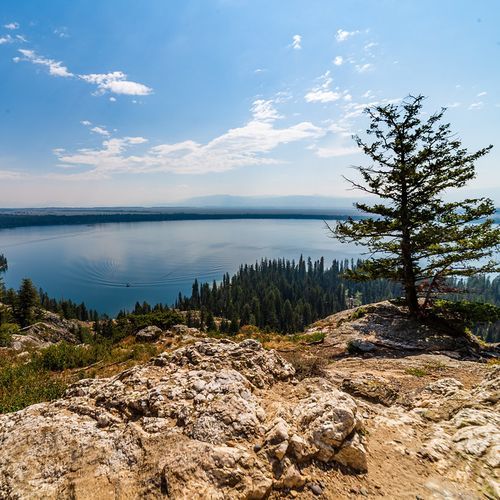
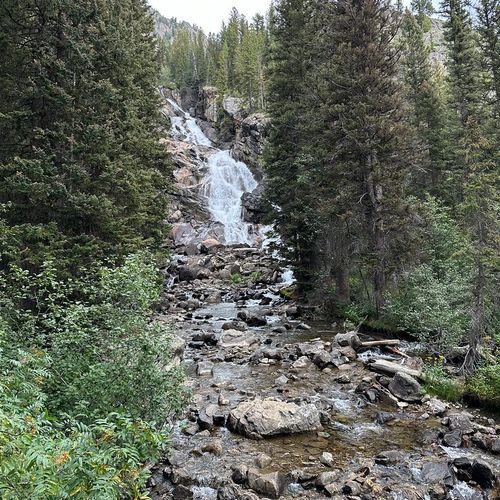
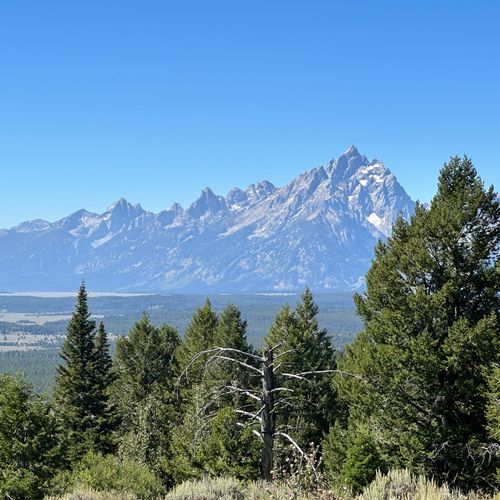
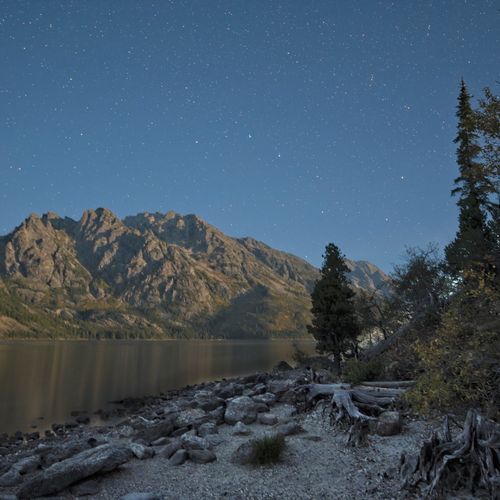
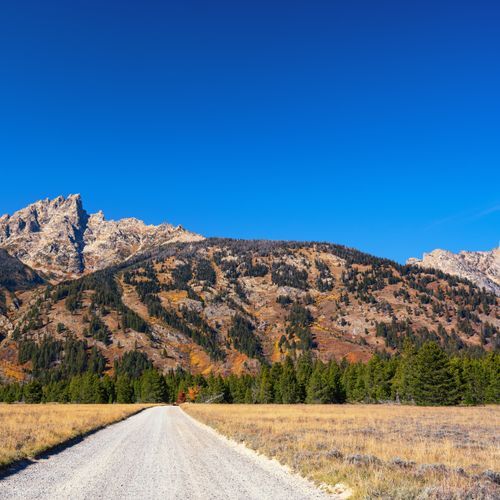
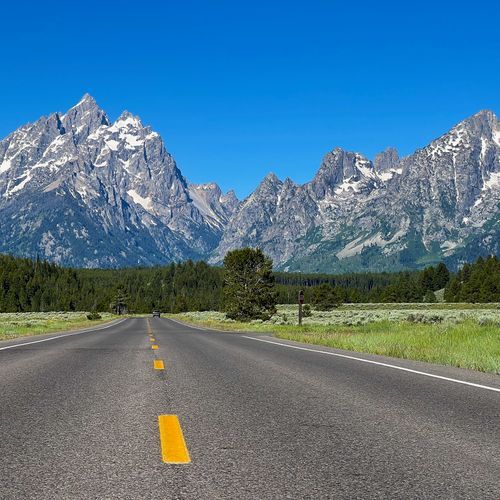
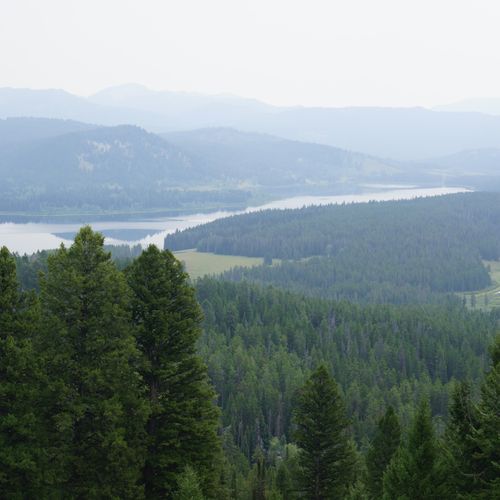
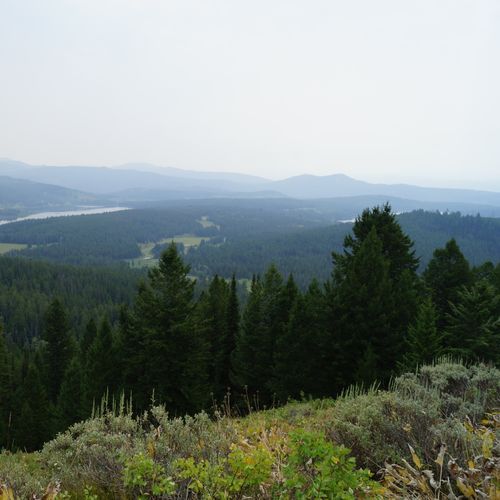
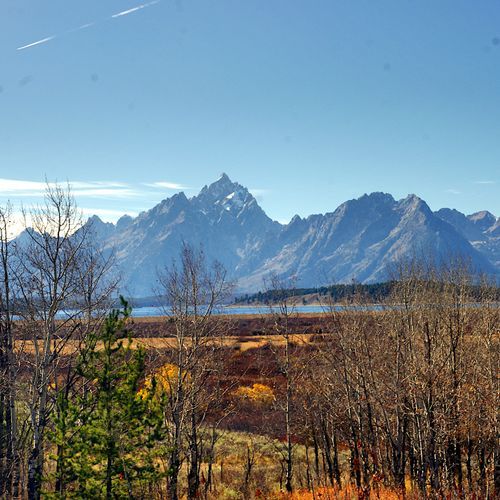
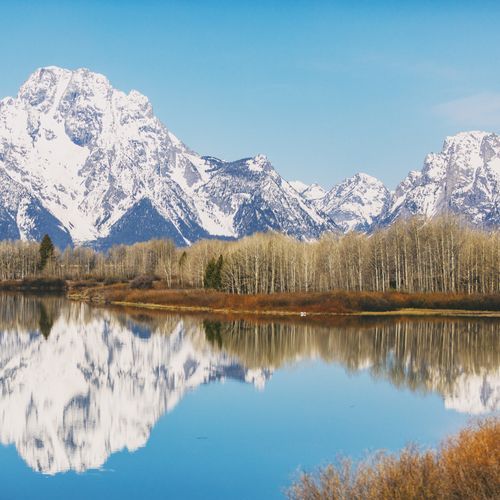
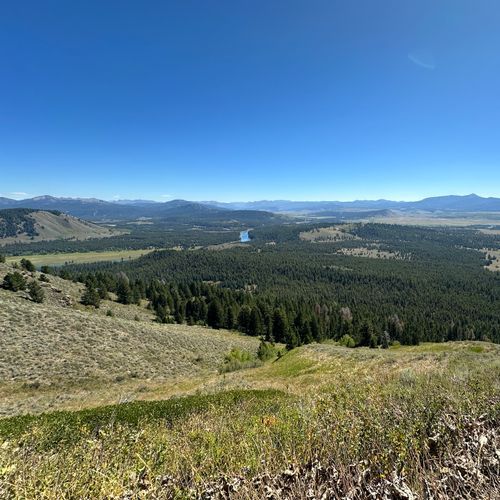
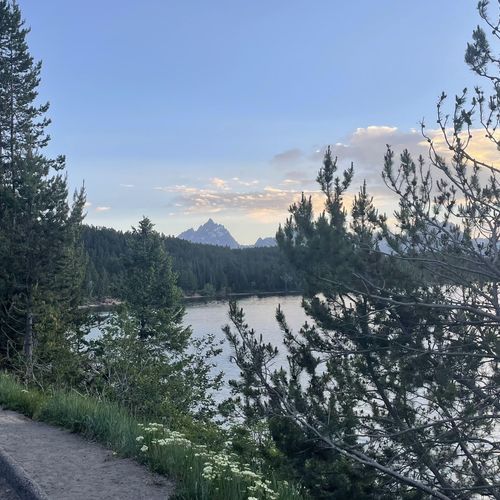
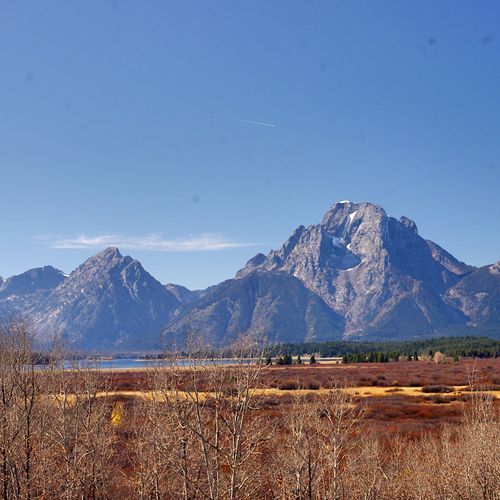
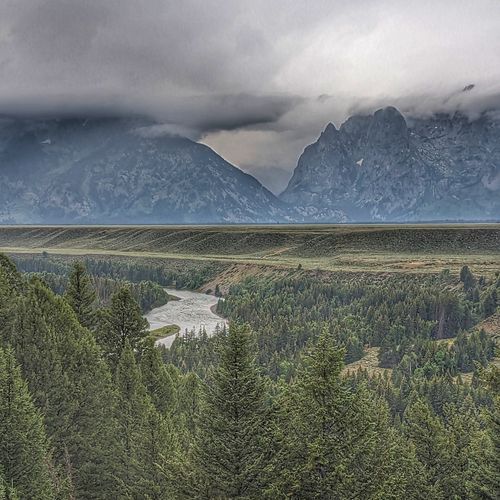
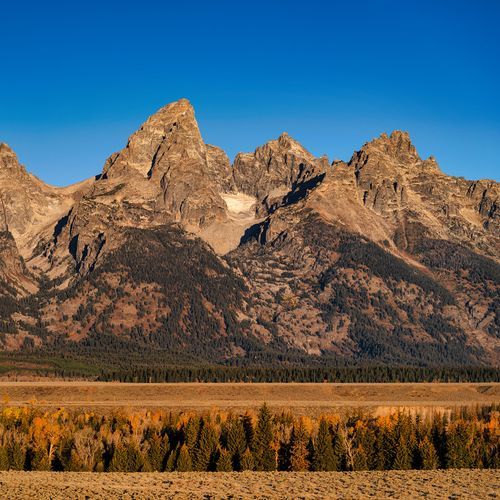
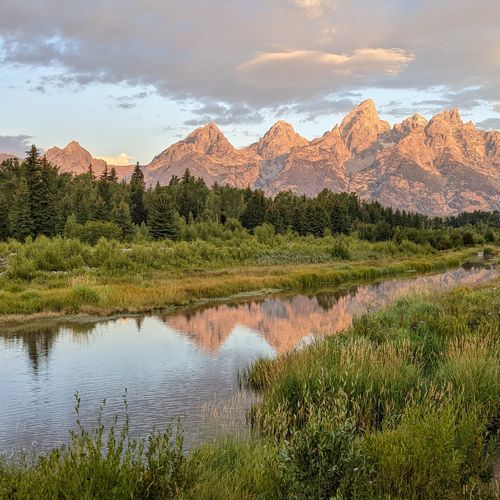
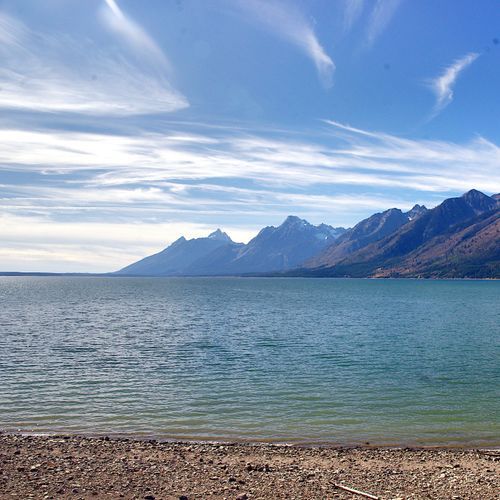
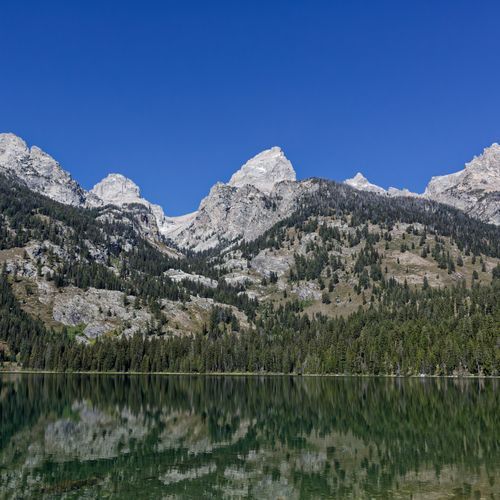
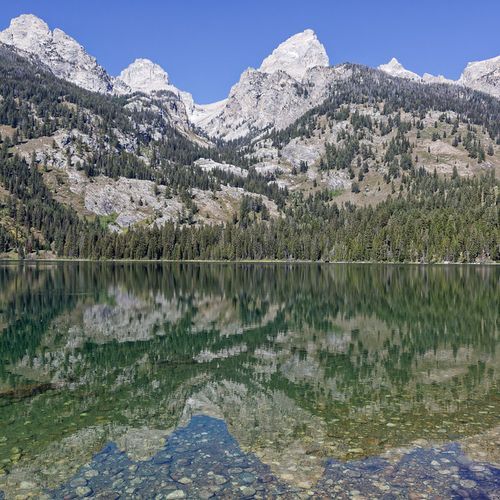
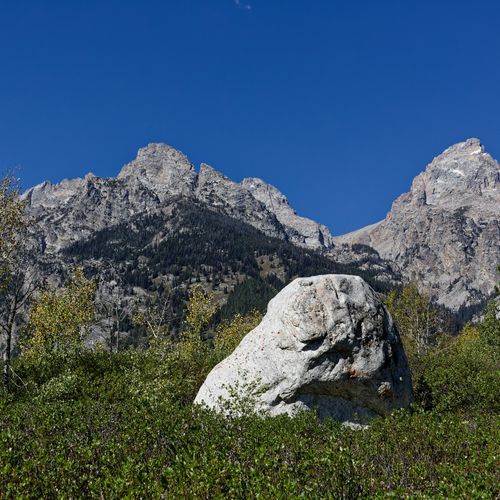
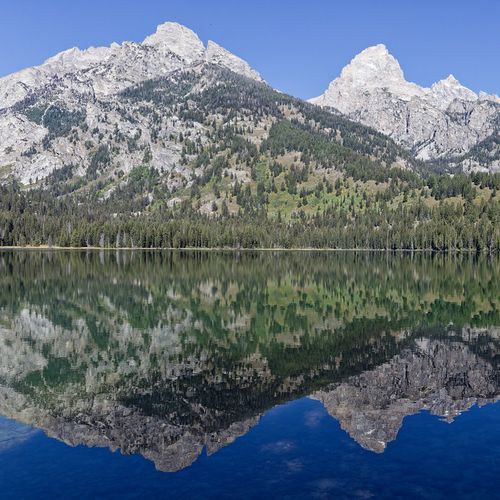
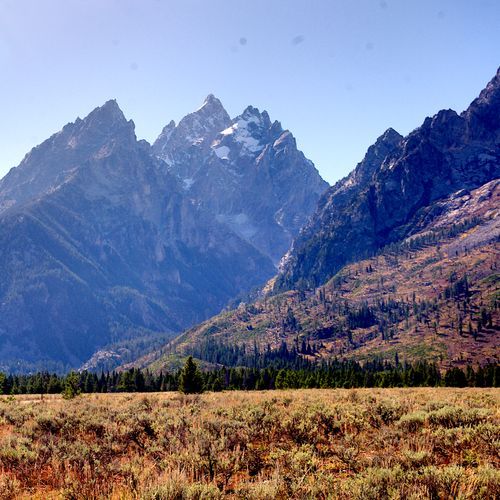
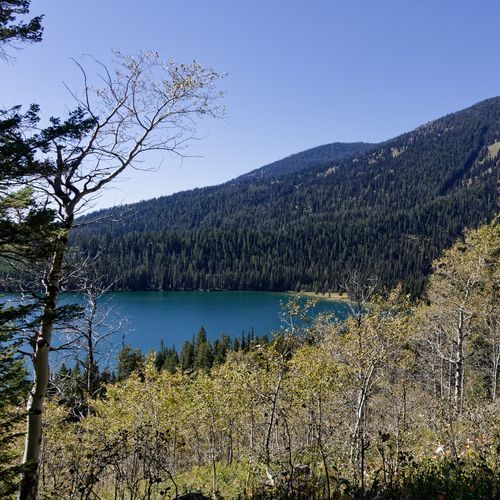
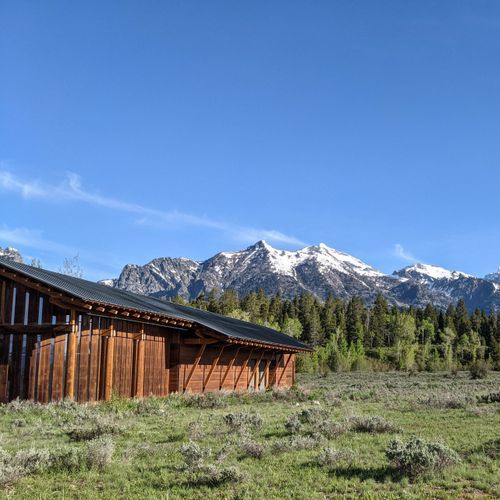
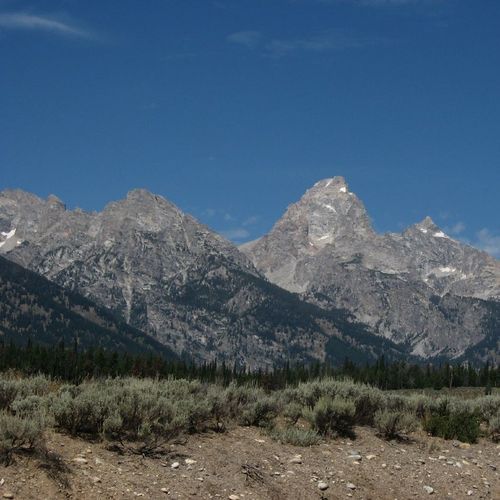
Grand Teton National Park is just as rewarding from the windshield, shoreline, and lakeshore as it is from the trail. The essential move is to lean into the park’s great scenic drives and overlooks, where the Tetons rise abruptly above Jackson Hole in one of the most dramatic mountain panoramas in the country. Teton Park Road delivers a steady run of classic pullouts, including the Cathedral Group Turnout, Teton Glacier Turnout, and the famously photogenic Snake River Overlook. Jenny Lake Scenic Drive adds a closer perspective on the range, while Signal Mountain Summit Road gives you a higher, wider look across the valley, Jackson Lake, and the serrated skyline. For reflective water views, head to Oxbow Bend and Schwabacher Landing, two of the park’s signature viewpoints and prime places for sunrise, still water, and wildlife watching.
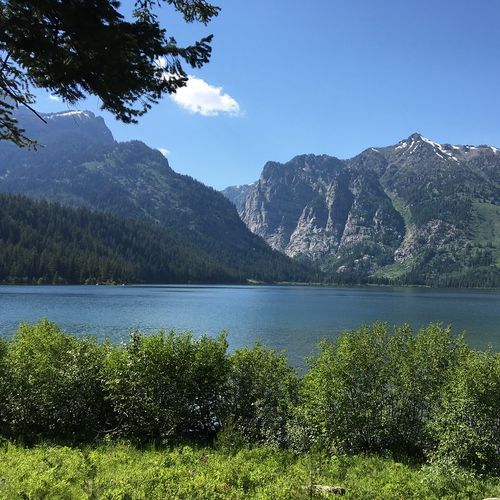
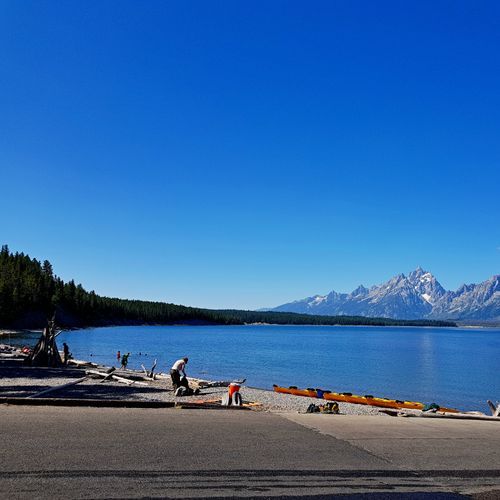
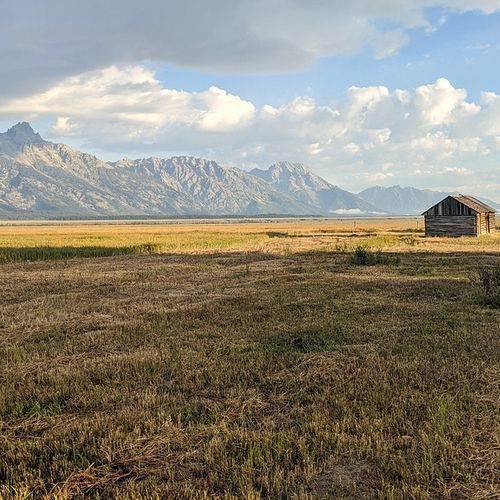
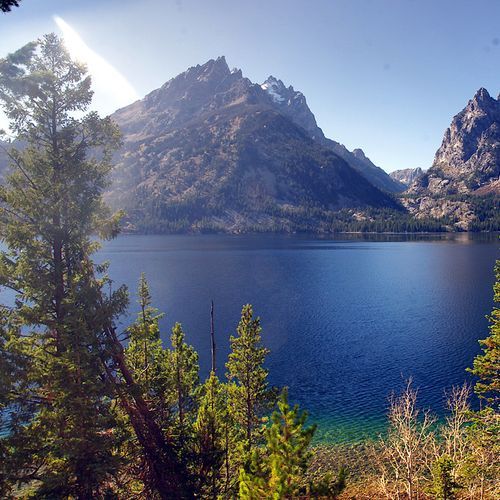
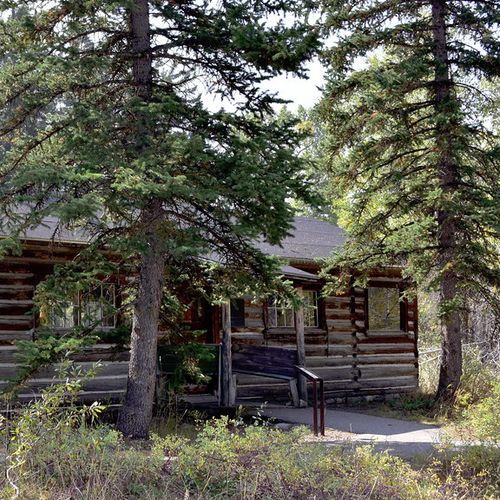
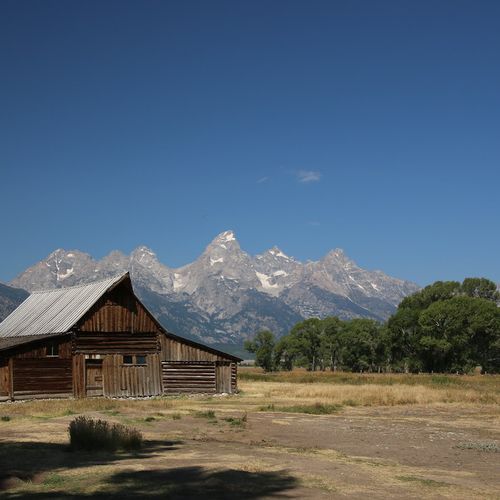
Beyond the overlooks, Grand Teton has a strong lineup of points of interest that turn a drive through the park into a fuller experience. Mormon Row remains the iconic cultural stop, where historic barns and homesteads sit beneath the peaks in a scene that defines the American West. The Chapel of the Transfiguration is another standout, framing the mountains through its altar window in a way that feels both intimate and grand. Along the lakes, the park opens up for classic summer recreation that has nothing to do with hiking: boating on Jackson Lake, paddling or canoeing on Jenny and Leigh lakes, floating the Snake River, or simply spending time along the shoreline. South Jenny Lake is especially easy to enjoy for sightseeing and relaxed lake access, while the broader Jackson Lake area offers breezy beaches, swimming spots, and a front-row seat to the scale of the range.
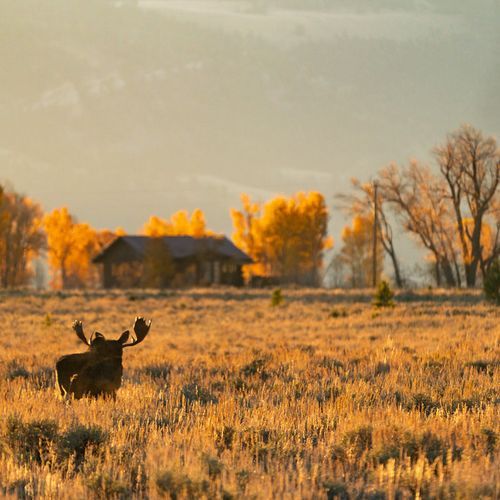
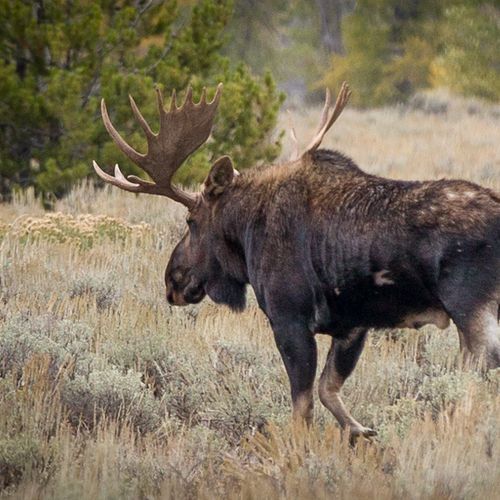
What makes Grand Teton especially memorable beyond hiking is how many of its best experiences are quiet, visual, and unexpected. Moose-Wilson Road is one of the best drives for spotting moose and other wildlife from the car. Sunrise and sunset turn nearly every turnout into an event, with alpenglow on the peaks and long reflections in the river sloughs. In warmer months, swimming, boating, photography, ranger programs, and wildlife viewing easily fill a day without ever committing to a major trail. In winter, the park shifts seamlessly into a snow-covered landscape for cross-country skiing and snowshoeing, proving that Grand Teton is not simply a hikers’ park. It is a place to drive slowly, stop often, get out by the water, and let the scenery do the work.