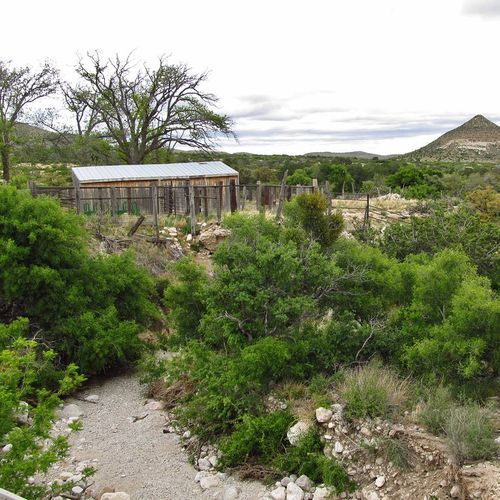
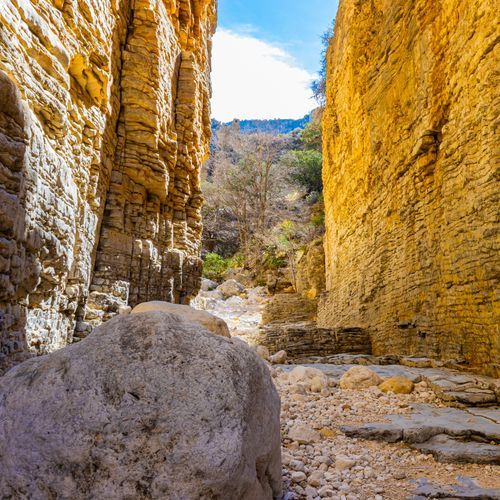
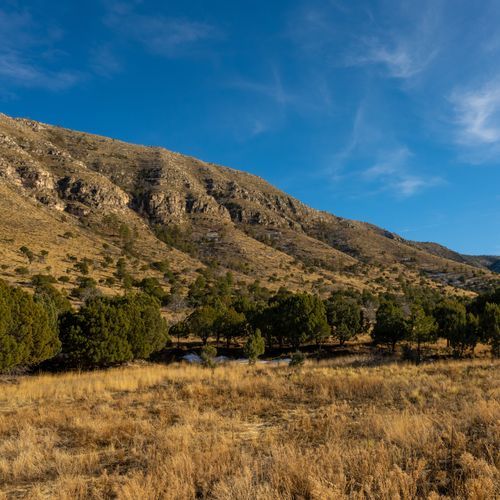
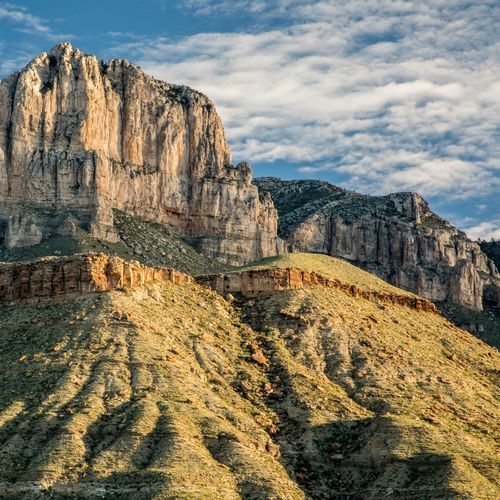
Guadalupe Mountains National Park breaks naturally into a handful of distinct zones, and the smartest way to explore it is to think in terms of trailheads, elevation, and mood. Pine Springs is the park’s central gateway and the place most visitors should start. This is where the dramatic desert-meets-mountain character of Guadalupe fully announces itself, with big views, access to the Guadalupe Peak and Devil’s Hall trails, and a front-row look at El Capitan anchoring the range. It is the best area for iconic hikes, broad orientation, and a first sense of the park’s scale. Nearby Frijole Ranch adds the human story, with historic landscape and access toward Smith Spring, making it a worthwhile stop for visitors who want a shorter outing or a break from the park’s more demanding climbs.
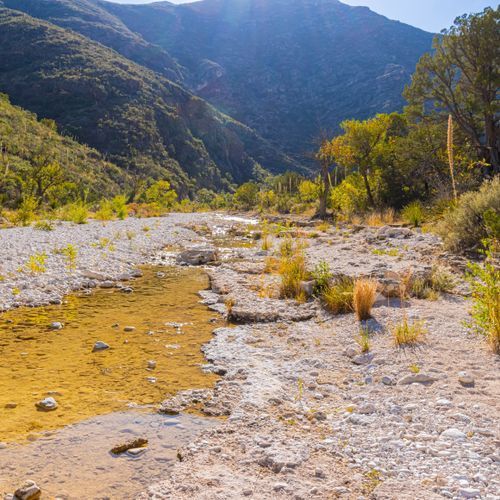
McKittrick Canyon offers a different version of Guadalupe: more sheltered, more textured, and often more surprising. This is the park’s classic canyon experience, known for its layered geology, riparian pockets, and a more intimate feel than the exposed high-country routes near Pine Springs. It is the area to choose if you want a long scenic day hike with a strong sense of progression into the mountains rather than a summit push. To the north, Dog Canyon feels even more removed, with a quieter, less-visited atmosphere and access to forested mountain terrain that rewards travelers looking for solitude and a deeper backcountry feel. If Pine Springs is the park’s front door, Dog Canyon is its side entrance for hikers who already know they want the less crowded version of Guadalupe.
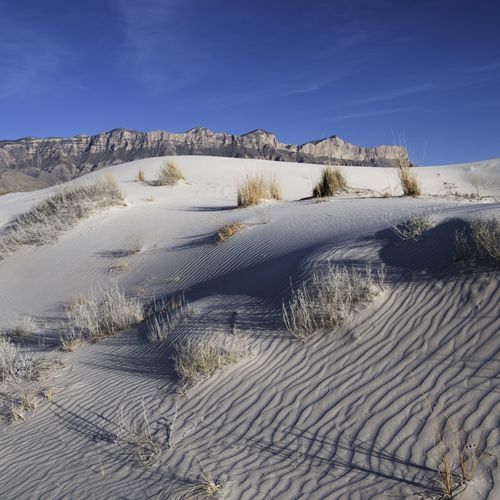
The park’s western and southern margins round out the picture with some of its most striking contrasts. The Salt Basin Dunes sit apart from the mountain core and deliver one of the most unexpected landscapes in Texas: brilliant gypsum dunes set against the escarpment, best treated as a separate excursion rather than an add-on after a big hike. This is the park’s desert minimalist masterpiece, especially compelling in soft morning or late-day light. Farther out, the Williams Ranch area represents the park’s remote ranchland and escarpment country, the kind of place that appeals to self-sufficient explorers drawn to isolation and a stronger sense of the old borderlands landscape. Taken together, these areas make Guadalupe Mountains a park best explored not as a single stop, but as a collection of sharply different environments—high peaks, hidden canyons, backcountry woodland, stark desert, and luminous dunes—each rewarding a different pace and purpose.