
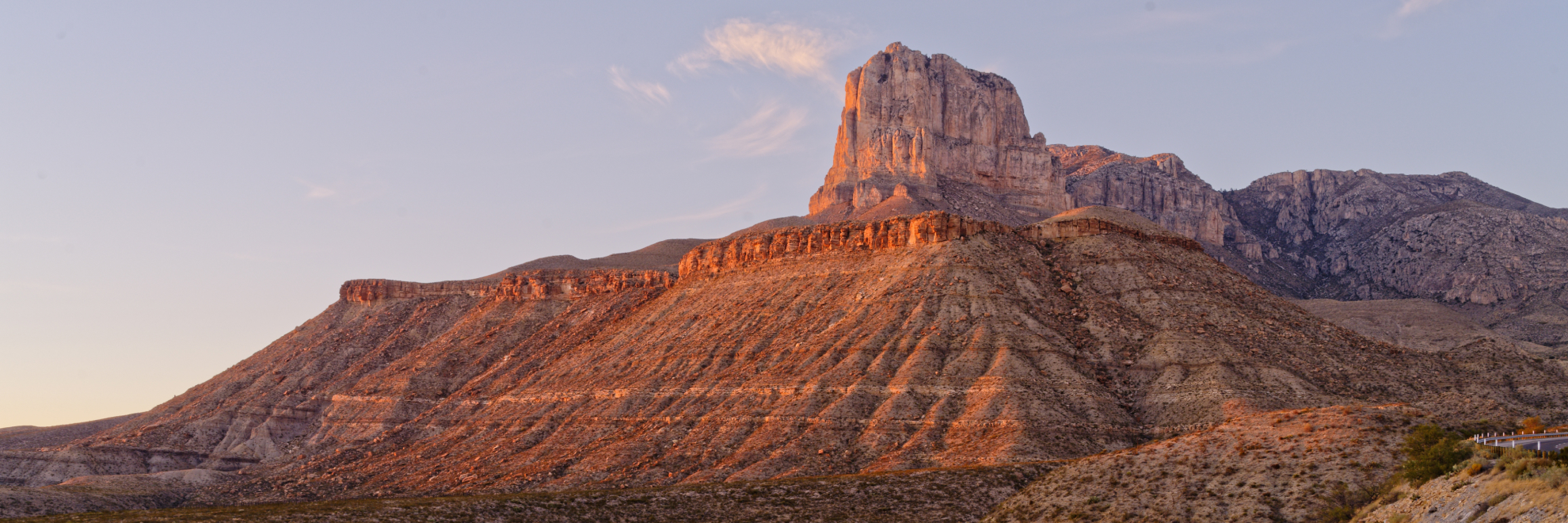
Guadalupe Mountains National Park in West Texas is a hidden gem for those who admire the rugged beauty of the desert. At its heart lies Guadalupe Peak, the highest point in Texas, and El Capitan, a limestone cliff that acts as a striking landmark. The park is also home to the world's most extensive Permian fossil reef, a remnant of an ancient underwater ecosystem that thrived over 250 million years ago.
The park is a haven for wildlife, including mule deer, mountain lions, and over 300 bird species. It also preserves unique flora such as ponderosa pine, Douglas fir, and oak, which contrast with the surrounding desert and provide critical habitats for diverse fauna.
Rich in history, the Guadalupe Mountains have been inhabited by various groups, including Mescalero Apaches and early settlers. Visitors can explore this history through sites like the Frijole Ranch, which tells the story of early settlers in the area.
For those with an adventurous spirit, the park's more than 80 miles of trails provide ample hiking opportunities, from the challenging trek to Guadalupe Peak to the quieter, more reflective paths like those in McKittrick Canyon, famed for its stunning fall colors.
Guadalupe Mountains National Park
Texas
Texas
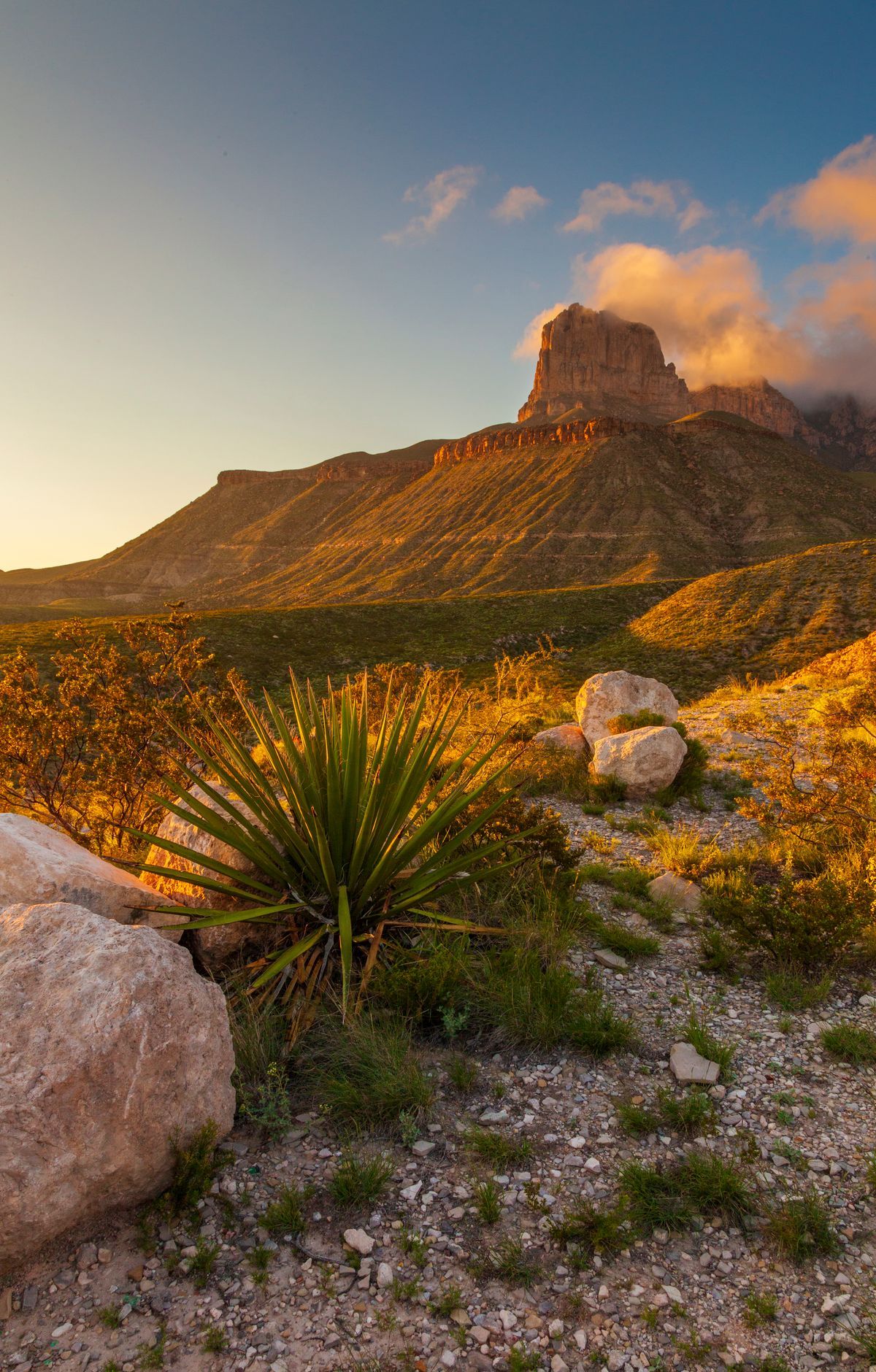
Guadalupe Mountains National Park protects the largest Permian fossil reef in the world, now exposed as the limestone peaks of the range. Inside the park are the four highest peaks in Texas, led by Guadalupe Peak, the state's high point. El Capitan, the most prominent summit at the southern end of the range, served as a landmark for travelers on the route later used by the Butterfield Overland Mail stagecoach. Hiking is the main way to experience the park's variety. The Permian Reef Trail lets you walk among the fossil formations, McKittrick Canyon offers canyon scenery, and the gypsum sand dunes glow white against the desert. Almost everything here requires a walk or hike to reach.
Park Areas
All areas →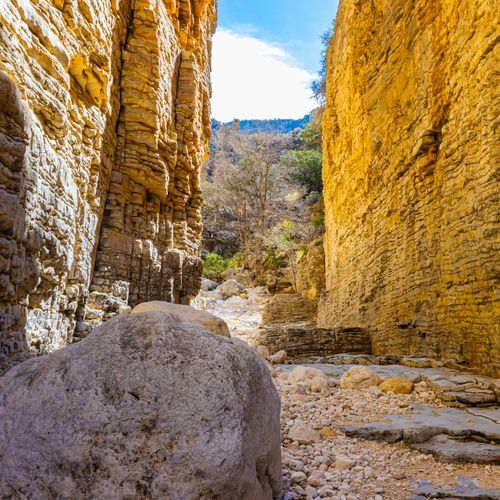
Pine Springs
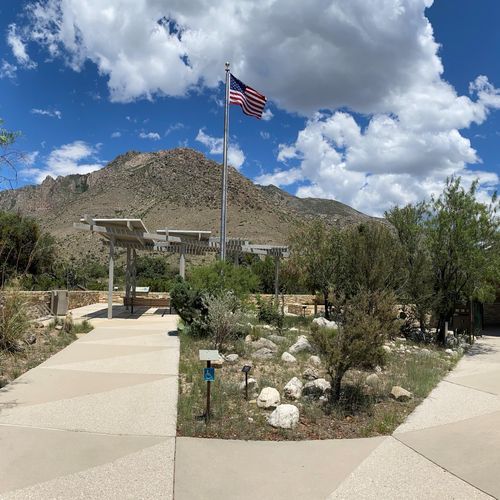
Set among high peaks in the Chihuahuan Desert, this hub brings together a visitor center, a campground and a trailhead. Hikers start the Guadalupe Peak Trail here, an 8.5-mile round trip that climbs about 3,000 feet to the highest point in Texas, so it is very strenuous. Other beginning day hikes also leave from this trailhead. The Pine Springs Visitor Center is the park's headquarters and has a museum, and it is where visitors pick up maps, brochures and the overnight wilderness use permits needed for backpacking. The campground offers tent and RV sites with drinking water and toilets but no hookups or showers, and camping is allowed only in designated sites. For a shorter outing, the paved Pinery Trail runs about three-quarters of a mile round trip to ruins of a Butterfield Stagecoach Station built in 1858.
Frijole Ranch
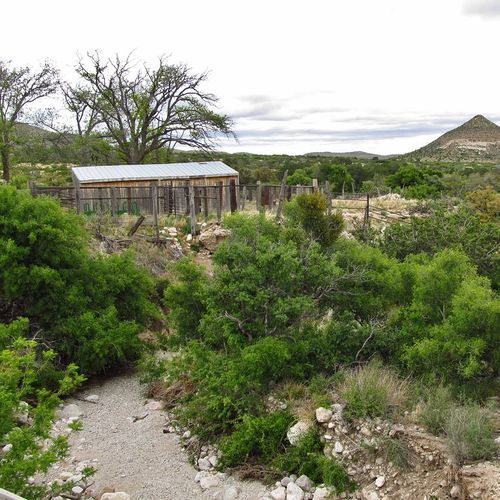
A desert oasis sits on the lower slopes of the Guadalupe escarpment, where cold spring water runs through the courtyard and keeps large shade trees and grass growing in an otherwise dry landscape. A variety of wildlife gathers here at dawn and dusk, drawn by the scarce shade and water. The Frijole Ranch History Museum occupies the old ranch headquarters and tells the human story of the Guadalupes, from Native American peoples and early ranching families to the founding of the park. Just outside stand a tiny one-room schoolhouse and a spring house built to protect and store water. Picnic tables are available nearby, and the Smith Spring Trail, the Frijole and Foothills trails, and the Frijole Horse Campsites are all reached from this area.
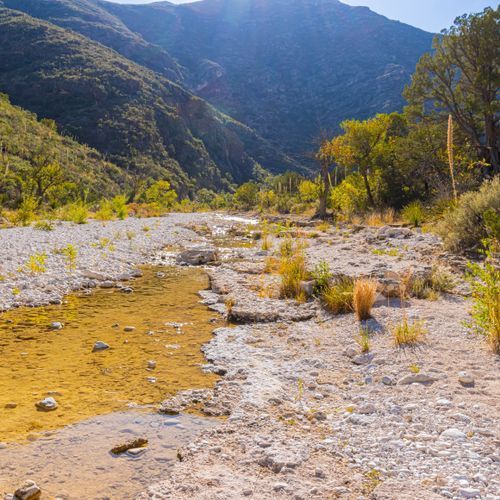
McKittrick Canyon
Fall foliage turns the canyon's riparian woodland into a display of brilliant reds, subtle yellows and deep browns against the Chihuahuan Desert. Water is the reason for the contrast. A stream runs up the canyon floor, and the trail crosses it several times past big-toothed maples, velvet ash and ponderosa pines. On the McKittrick Canyon Trail, day hikers reach Pratt Cabin, then the Grotto, a small cave with rock benches that makes a shady picnic spot. Farther up the canyon the grade steepens toward The Notch, a gap in the ridge with a viewpoint. The Notch is a challenging day hike; McKittrick Ridge is best done overnight. The McKittrick Canyon Nature Trail, a 0.9-mile loop, passes a seep hidden in junipers and explains Permian Reef geology. Birdwatchers can find warblers and tanagers in late spring.
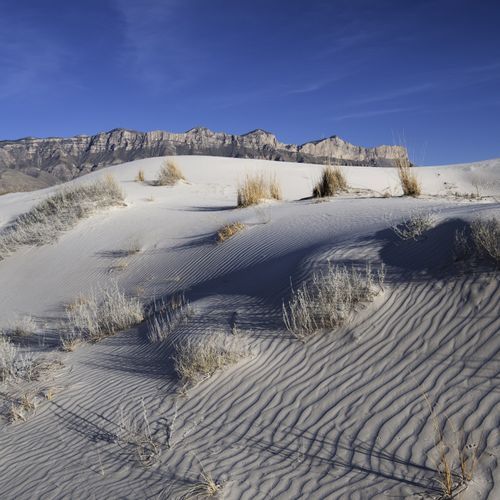
Salt Basin Dunes
White gypsum dunes cover nearly 2,000 acres in this remote day-use area on the west side. Their height runs from about three feet at the south end to sixty feet at the north end. The Salt Basin Dunes Trail is a flat, sandy hike of about 1.5 miles one way with no shade, so bring water. It follows the edge of the dune field and offers views of the western escarpment. West of the dunes lie salt flats, which supply the sand: rain leaches salts from nearby limestone, and as the water evaporates, wind carries the grains northeast to the base of the escarpment. Parts are covered in cryptobiotic crust, a dark layer of lichen and fungi that holds the soil, so keep off it. A scenic drive leads toward the dunes before the hike starts.
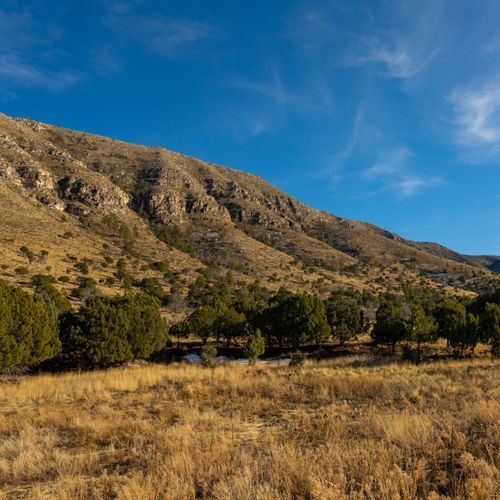
Dog Canyon
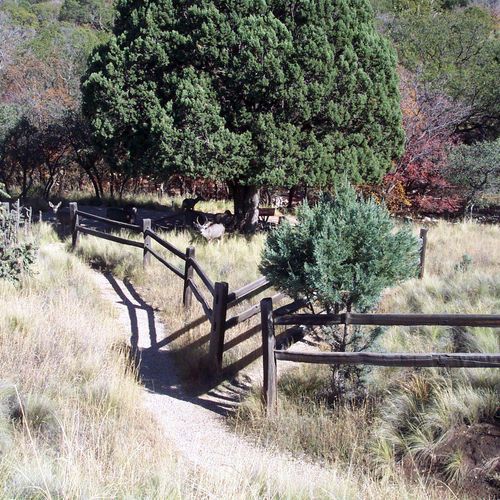
Remote and secluded, this forested canyon sits near the park's northern edge at about 6,300 feet, where the wilderness begins. The Dog Canyon Campground has shady tent and RV sites, an accessible site, horse corrals, and a group site for 10 to 20 people. Trails with relatively easy grades lead from the campground into the highcountry for day hikes, backpacking and horseback rides, and the McKittrick Ridge Trail makes a long day outing. Backpackers often build a night into a longer trip and refill their water, since the canyon is good for resupplying. Birders visit to spot acorn woodpeckers and hummingbirds, and the high forests are easy to reach. The 70-mile drive from Carlsbad, New Mexico, passes ranchland and small towns. Maps and brochures are available at the ranger station when staff are present.
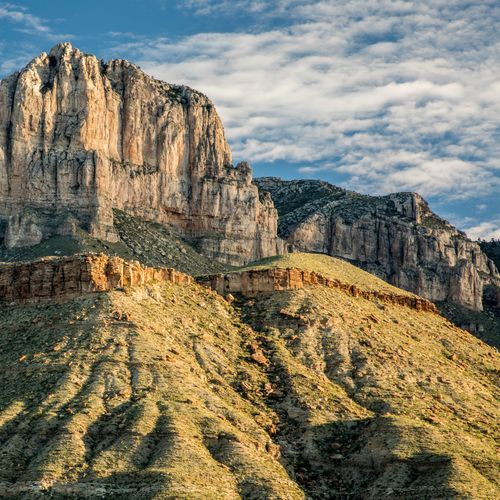
Guadalupe Peak
The summit of Guadalupe Peak, at 8,751 feet, is the highest point in Texas. Hiking to the top is a strenuous day: the Guadalupe Peak Trail starts at the Pine Springs Trailhead, half a mile from the visitor center, and gains 3,000 feet over 4.2 miles one way. Partway up, the path winds through pinyon pine and Douglas fir on a north-facing slope, and on clear days the summit rewards climbers with a wide view over surrounding mountains and desert. About a mile below the top sits the Guadalupe Peak Wilderness Campground, where five primitive tent sites allow backcountry camping, though strong winds are common there. Visitors who want a shorter stop can try the Guadalupe Peak Viewpoint, a roadside pulloff near Pine Springs that offers a clear view of the summit.
Popular Hiking Trails
All trails →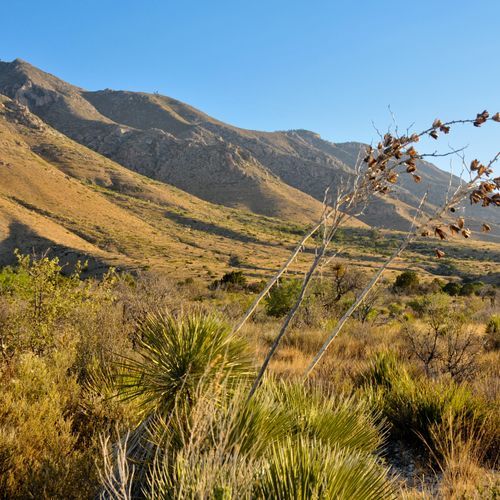
Guadalupe Peak Trail
Difficult8.3 mi
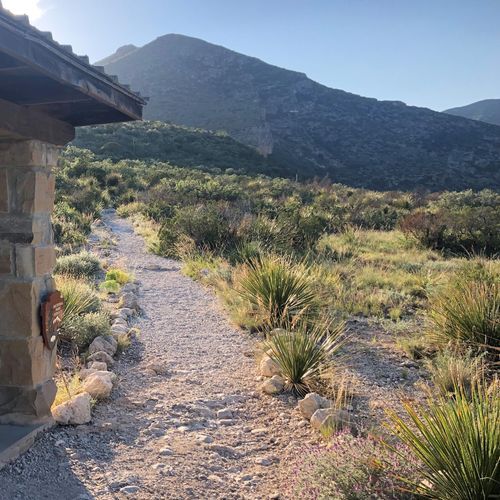
McKittrick Canyon
Moderate4.8 mi
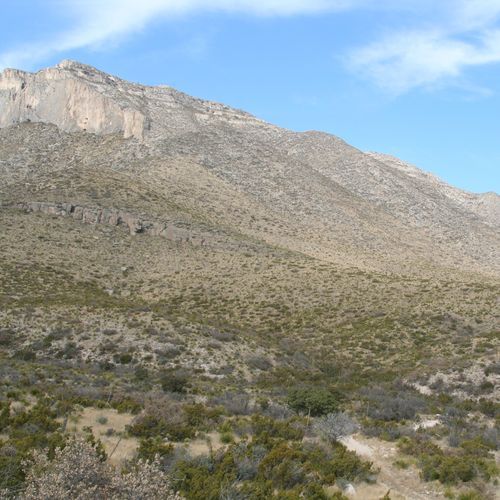
Permian Reef Trail
Difficult8.9 mi
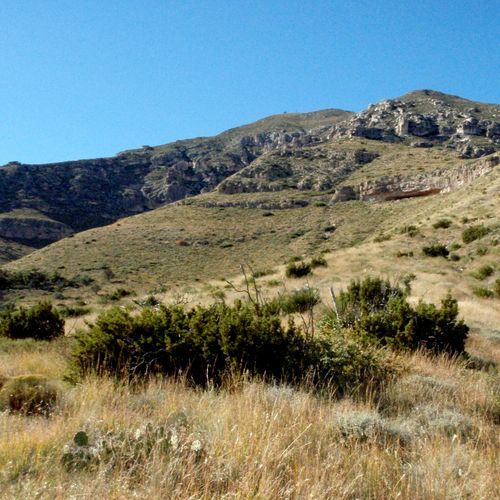
Smith Springs Trail
Moderate2.3 mi
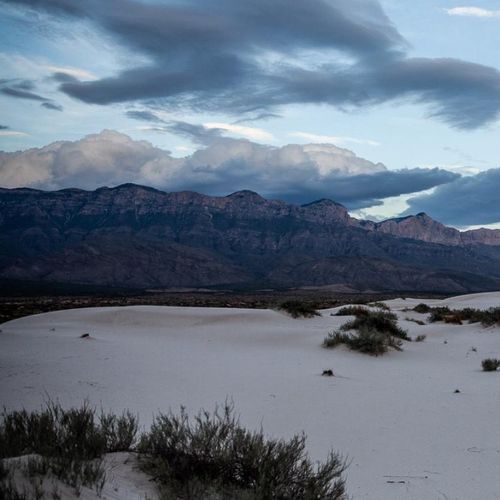
Dunes Trail
Easy3.1 mi
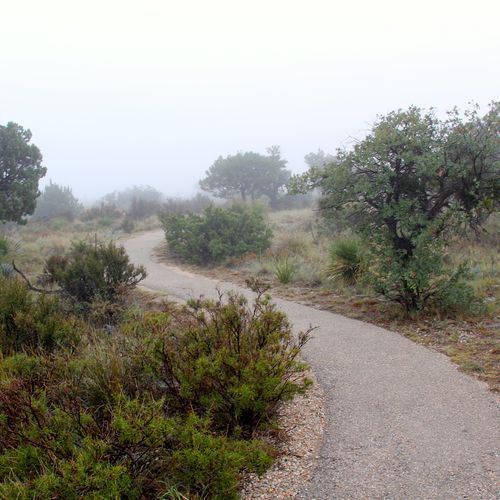
Pinery Trail
Easy0.5 mi
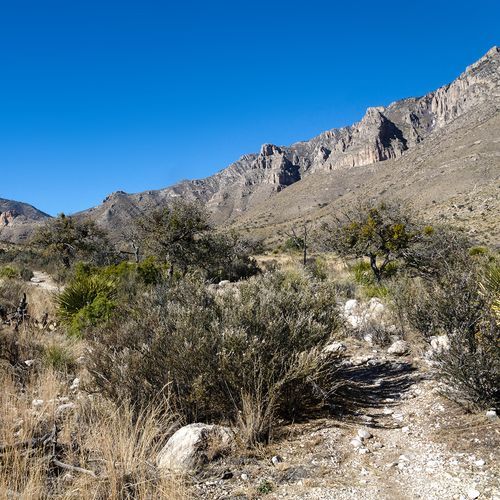
Butterfield Stage Ruins Trail
Easy0.2 mi
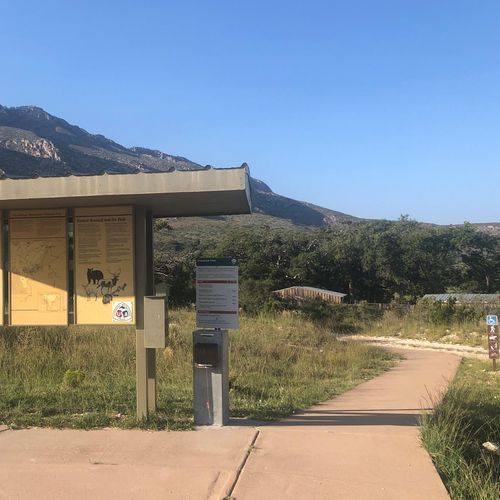
Frijole Trail
Difficult4.0 mi
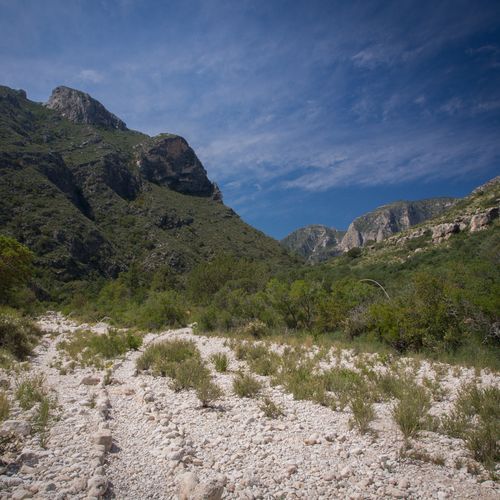
Mckittrick Ridge Trail
Extreme12.8 mi
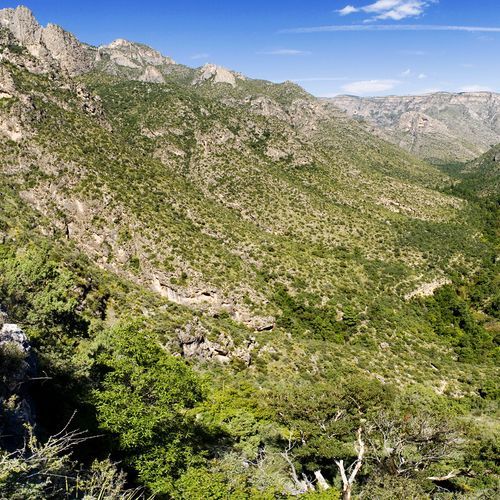
Blue Ridge Trail
Moderate1.9 mi
Visitor Centers
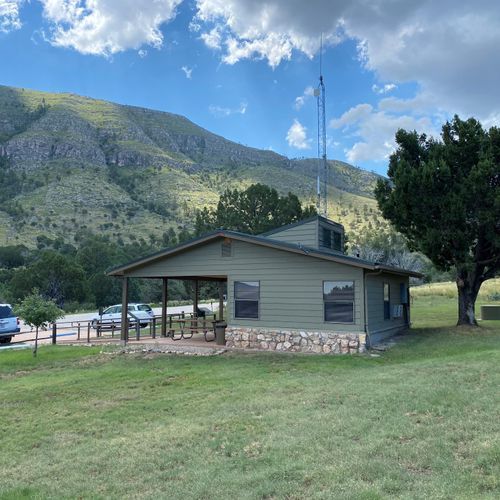
Dog Canyon Ranger Station
Closed
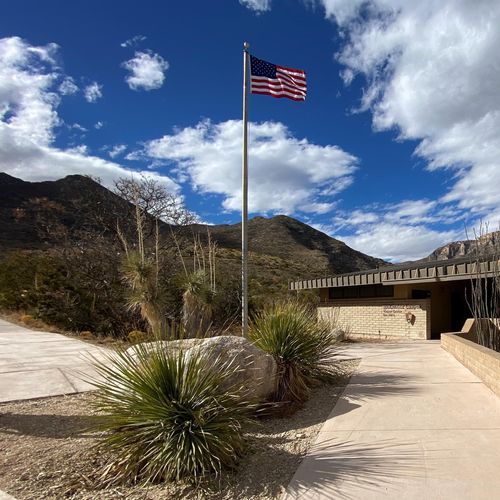
McKittrick Canyon Visitor Center
Closed
Pine Springs Visitor Center
8:00AM - 4:00PM
Campgrounds
Camping guide →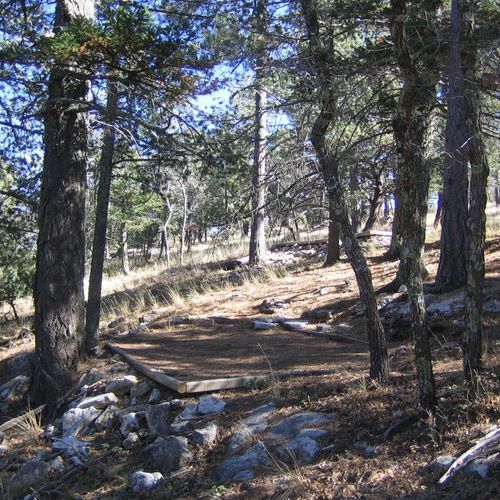
Blue Ridge Wilderness Campground
Dog Canyon
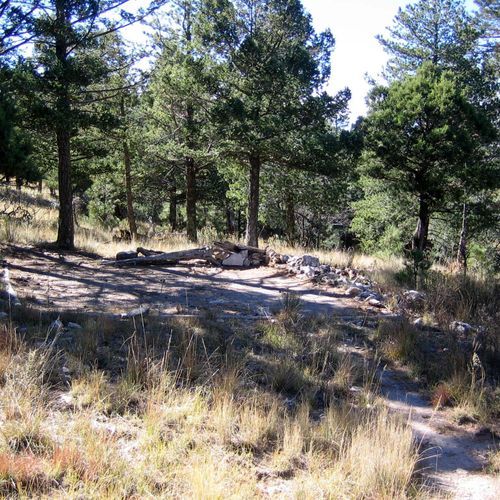
Bush Mountain Wilderness Campground
Guadalupe Peak
Dog Canyon Campground
Dog Canyon
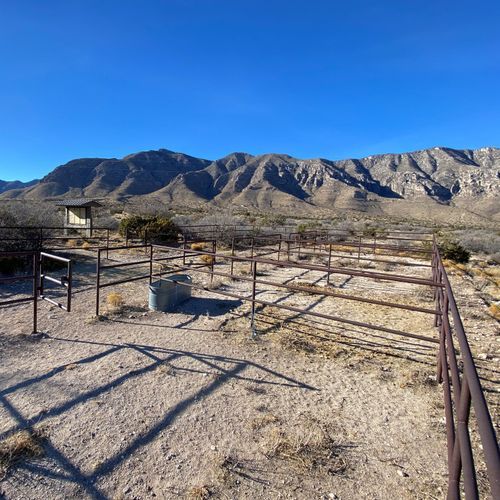
Frijole Horse Corral Campground
Frijole Ranch
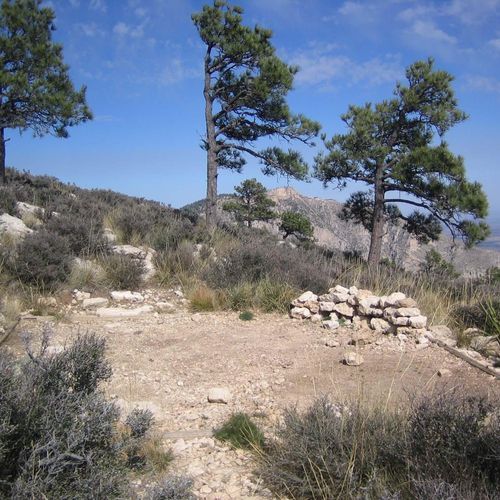
Guadalupe Peak Wilderness Campground
Guadalupe Peak
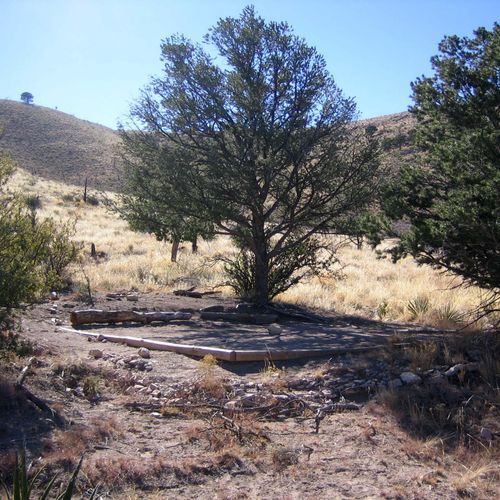
Marcus Wilderness Campground
Dog Canyon
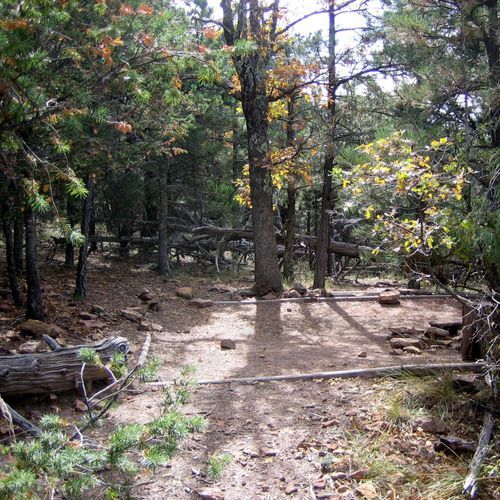
McKittrick Ridge Wilderness Campground
Dog Canyon
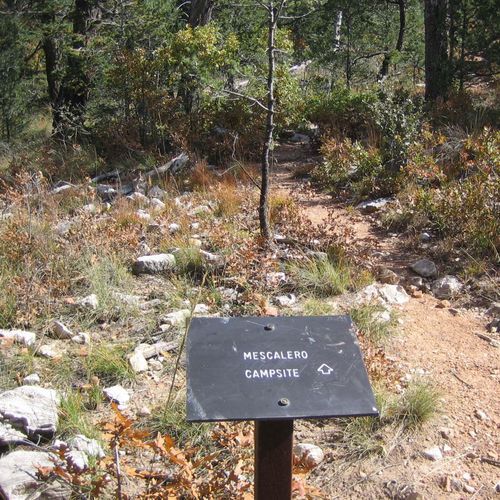
Mescalero Wilderness Campground
Dog Canyon
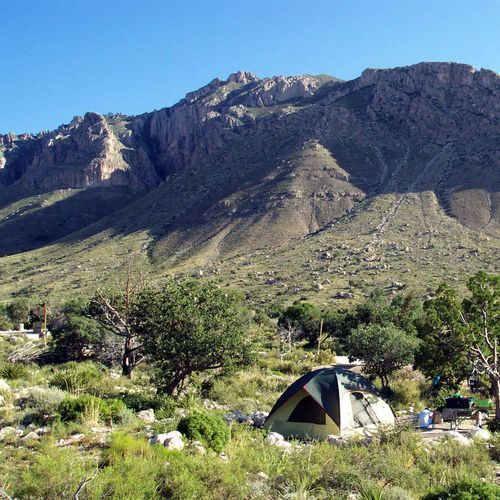
Pine Springs Campground
Pine Springs
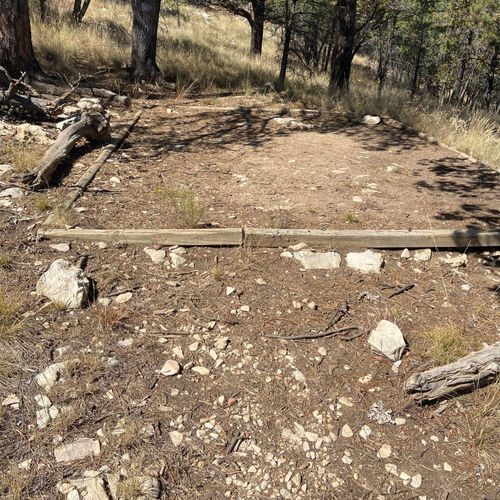
Pine Top Wilderness Campground
Pine Springs
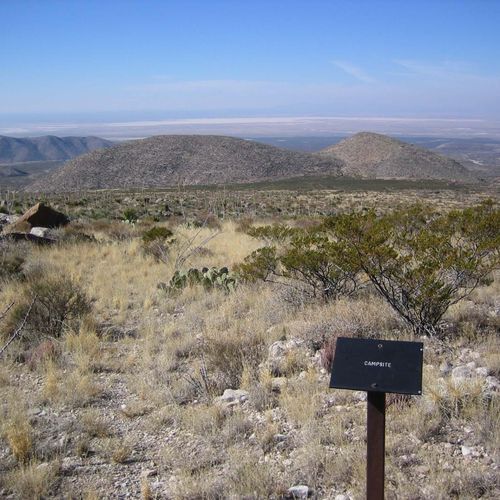
Shumard Canyon Wilderness Campground
Guadalupe Peak
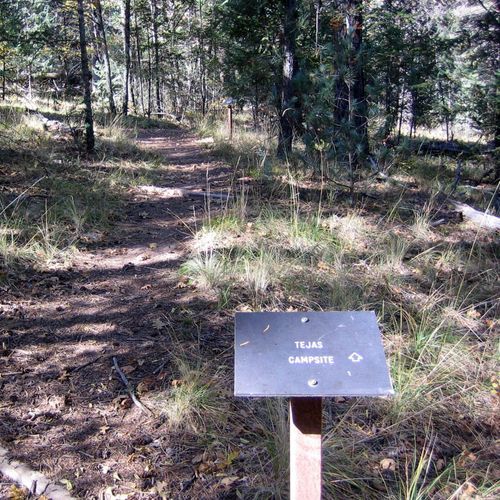
Tejas Wilderness Campground
Pine Springs
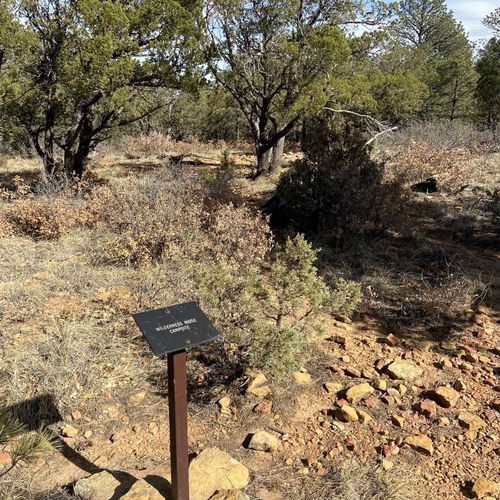
Wilderness Ridge Wilderness Campground
Dog Canyon
About the Park
Park Areas
Pine Springs is the primary trailhead for accessing Guadalupe Peak, the highest point in Texas, and serves as a convenient base for hikers with its well-maintained campground and basic amenities. The area is easily accessible and features interpretive exhibits at the visitor center, detailing the region's geology and history. Its proximity to diverse trails makes it a strategic starting point for various hiking adventures. Frijole Ranch offers a historical perspective with a museum housed in the original ranch building, providing insights into early 20th-century ranch life. The area contrasts with the park's rugged landscapes, featuring well-preserved structures and a spring-fed garden. It serves as a frequent stop for educational visits and a starting point for hikes to scenic views and natural springs.
McKittrick Canyon is renowned for its lush foliage, clear streams, and vibrant fall colors, offering a cooler, serene environment ideal for nature observation. The canyon's well-maintained trails cater to both casual hikers and experienced trekkers. The Salt Basin Dunes present a distinctive landscape with gypsum dunes reaching up to sixty feet high, providing solitude and photography opportunities. Dog Canyon offers a serene escape with cooler temperatures and diverse ecosystems, ideal for solitude seekers and wildlife observation. Williams Ranch provides a sense of isolation with its historic ranch house and panoramic views, accessible via a challenging road. Guadalupe Peak offers a challenging ascent with panoramic views of the Chihuahuan Desert, making it a notable highlight for visitors seeking expansive vistas.
Park Guides
All 11 guides →Winter Winds and Monsoon Storms: When to Visit
The windy season runs from November through March, when winds often top 30 miles per hour and gusts commonly range from 50 to 80 miles per hour.
Reaching Dog Canyon and the Remote Edges
Dog Canyon sits at the north end of Guadalupe Mountains National Park, in a secluded, forested canyon at an elevation of 6,300 feet.
Reading the World's Largest Permian Fossil Reef
Few places preserve a Permian fossil reef on this scale, and the one in these mountains is the most extensive in the world.
McKittrick Canyon to Pratt Cabin and the Grotto
The McKittrick Canyon Trail begins at the back of the visitor center, so park there first.
Guadalupe Peak: Summiting the Top of Texas
Guadalupe Peak rises to 8,751 feet, making it the highest point in Texas. The Guadalupe Peak Trail climbs to its summit in the Guadalupe Mountains.
