ParkaDownload
Joshua Tree National Park

Areas in Joshua Tree National Park

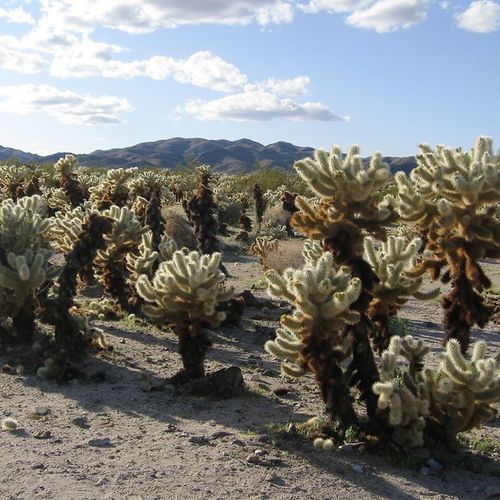
Joshua Tree is best understood as a park of distinct neighborhoods shaped by two deserts. The higher Mojave Desert defines the park’s classic image: sprawling Joshua tree forests, enormous boulder piles, and the broad central corridor that most first-time visitors explore from the west and north entrances. This is where you’ll find the iconic scenery around Hidden Valley, Ryan Mountain, Jumbo Rocks, and Skull Rock, along with the park’s most popular trailheads, campgrounds, and climbing areas. In the northwestern corner, Black Rock Canyon feels a little more tucked away, with a particularly handsome Joshua tree forest, strong hiking options, and a quieter, more local feel than the busier main road. Nearby, Covington Flats is even more remote, reached by dirt road and best for visitors who want solitude, higher-elevation desert, and a backcountry edge. As you move south and east, the park shifts dramatically into the lower Colorado Desert. Cottonwood is the key gateway here, entered from the South Entrance, and it offers a very different Joshua Tree experience: warmer temperatures, broader open vistas, fewer crowds, and desert vegetation dominated by creosote, ocotillo, and cholla rather than dense Joshua tree woodland. Cottonwood Spring adds cultural history, birding, and access to rewarding hikes, making this area especially appealing to visitors who want more than the park’s greatest hits. The Cholla Cactus Garden, farther east, showcases one of the park’s most distinctive plant communities and is at its best in low morning or late-day light. If the Mojave side is about sculptural rock and signature trees, the Colorado side is about space, texture, and the stark elegance of a harsher desert. Then there are the park’s transition and overlook landscapes, which tie everything together. Keys View, perched high in the Little San Bernardino Mountains, delivers the grand perspective: the Coachella Valley, the Salton Sink, and the sheer scale of the surrounding desert basins. Oases such as Cottonwood Spring remind you that water quietly governs everything here, creating rare pockets of life in an otherwise austere landscape. The smartest way to explore Joshua Tree is not to treat it as one continuous destination, but as a series of contrasting zones. First-time visitors should focus on the Mojave heart of the park and add Keys View for context; return visitors should make time for Black Rock, Covington Flats, and the southern Colorado Desert, where Joshua Tree reveals a wilder, less expected side of itself.

Black Rock Canyon

Black Rock Canyon

9 trails1 campgrounds

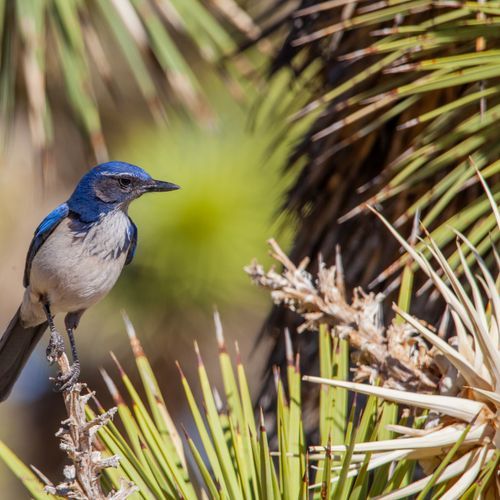
Black Rock Canyon offers a unique blend of biodiversity and geological formations. Known for its dense Joshua tree forests, this area provides excellent opportunities for birdwatching and stargazing due to minimal light pollution. Located at an elevation of 4,000 feet, Black Rock Canyon features a mix of sun and shade, resulting in cooler temperatures compared to lower areas of the park. Hiking trails vary in difficulty, catering to both casual walkers and seasoned hikers seeking more challenging routes.

Cottonwood Springs

Cottonwood Springs

6 trails1 campgrounds

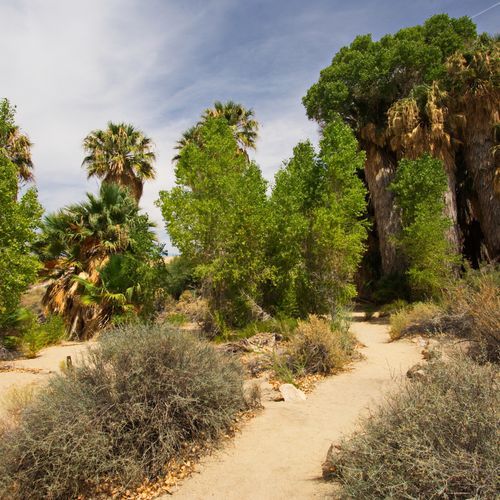
Cottonwood Springs offers a unique desert oasis experience, contrasting with Joshua Tree's more arid regions. Known for its historical significance, it served as a key water source for Native Americans, including the Cahuilla Indians, and gold miners. The area features diverse plant life, including cottonwood trees and California fan palms, and is a starting point for several hiking trails. Visitors can explore remnants of old mining operations, such as an arrastra, providing a glimpse into the area's history and ecological diversity.

Hidden Valley

Hidden Valley

36 trails6 campgrounds

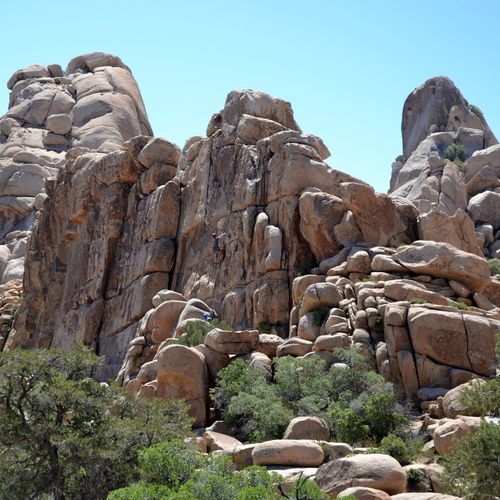
Hidden Valley offers a unique rock-enclosed basin, making it a popular destination for rock climbers and hikers. It is renowned for its distinct geological formations compared to other areas, providing a concentrated glimpse of the region's diverse flora and fauna. The valley’s historical significance as a legendary cattle rustlers' hideout adds an intriguing narrative. Its accessible one-mile loop trail allows visitors to explore its natural and historical features conveniently.

Indian Cove

Indian Cove

16 trails1 campgrounds

Indian Cove is a distinct area known for its impressive rock formations and popular campgrounds. It offers easy access to hiking trails, such as the Indian Cove Nature Trail, and rock climbing opportunities. Unlike more crowded sections, Indian Cove provides a quieter experience. The area is home to unique desert flora, including mature Mojave yuccas, and fauna, such as the desert tortoise. It serves as a convenient entry point for day trips and backpacking excursions, offering a different perspective compared to the park’s central attractions.

Pinto Basin

Pinto Basin

5 trails

Pinto Basin offers a stark desert landscape, showcasing vast stretches of creosote bush and ocotillo. This area is less crowded compared to other park locations, providing solitude for visitors. The basin's geological features include ancient rock formations and dry lake beds. Birdwatchers may observe species like the black-throated sparrow. The basin's elevation creates a unique environment for diverse flora and fauna, contrasting with the park's higher elevations.

Twentynine Palms

Twentynine Palms

3 trails

Twentynine Palms serves as a gateway to unique desert experiences, offering access to rugged landscapes and serene vistas. Unlike busier sections, it provides a quieter alternative for exploration. The area is rich in Native American history, with rock art sites nearby. It also hosts the Joshua Tree Cultural Center, which offers resources and exhibits on the region's natural and cultural heritage. Visitors appreciate its proximity to lesser-known park trails.

Explore all areas with offline maps in the Parka app

Download Parka — It's Free

Explore Joshua Tree National Park areas with offline maps

Free on the App Store

Get Parka

Why Park Lovers Choose Parka

Trip Planner

All the tools for epic adventures

Works Offline

Fully functional without cell service

Updated Weekly

Trail conditions, alerts, and closures

Try Risk-Free

7-day free trial, cancel anytime

Start Your 7-Day Free Trial

Unlock everything you need for your next national park trip. Your first week is on us!

National Park vista

Start your adventure today

Download Parka and plan your perfect national park trip in minutes.