
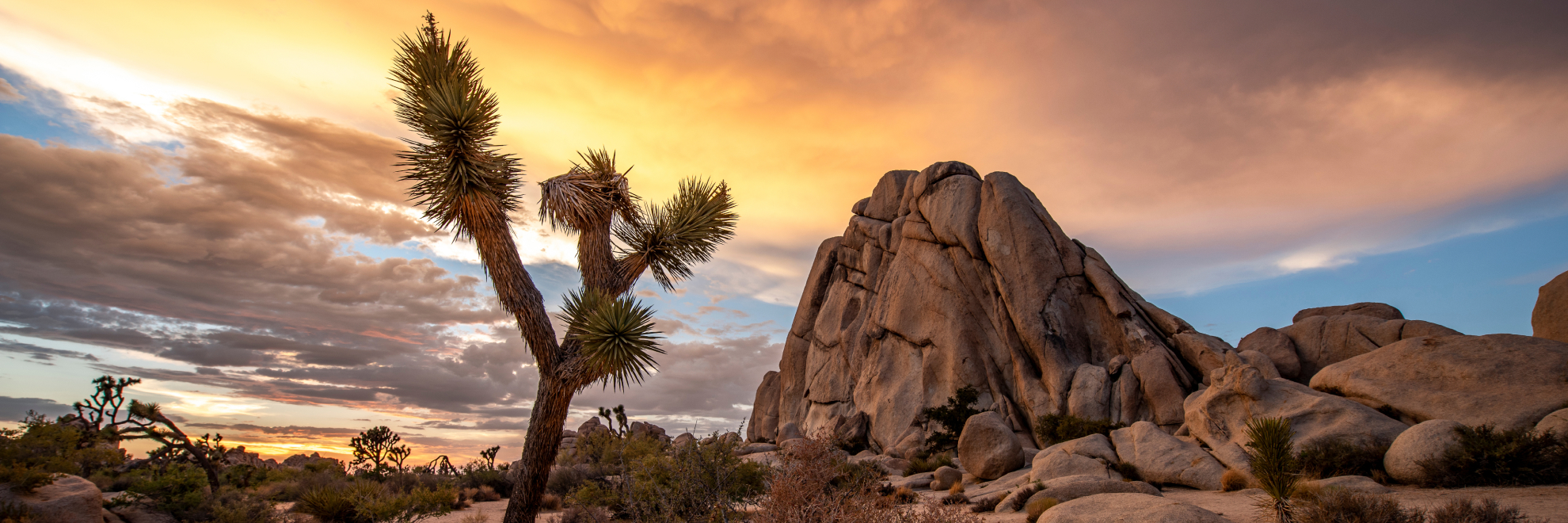
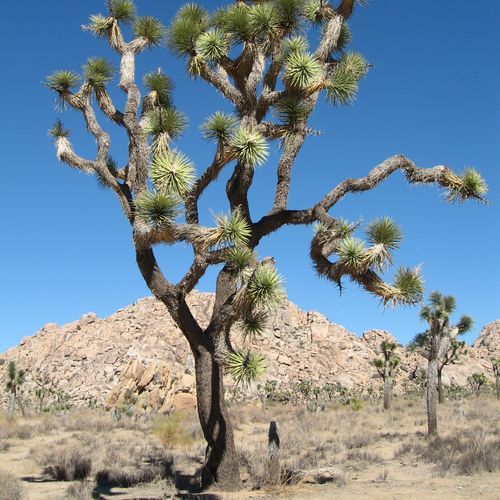
Joshua Tree National Park is a stunning example of California's desert beauty, where two distinct desert ecosystems, the Mojave and the Colorado, meet and create a landscape filled with contrasts. The park is named after the Joshua tree, a species of yucca plant that dominates the higher, cooler, and wetter Mojave Desert section. This unique plant is not technically a tree, but belongs to the Agave family and is more closely related to other yuccas and agaves than to true trees.
The park's geology is equally captivating, featuring rugged mountains of twisted rock and exposed granite monoliths that testify to the earth's volcanic and tectonic forces. These formations provide excellent opportunities for rock climbing and bouldering, making Joshua Tree one of the premier climbing destinations in the world. Visitors can explore Hidden Valley, known for its rock-enclosed basin that was once rumored to be a hideout for cattle rustlers.
The area has been inhabited by Native American tribes including the Serrano, Chemehuevi, and Cahuilla, and their petroglyphs and artifacts can still be seen. More recent history can be explored through the remnants of gold mining operations and homesteader cabins, which provide a glimpse into the tough conditions early settlers faced.
The park is home to creatures uniquely adapted to the harsh desert environment, including desert bighorn sheep, black-tailed jackrabbits, and kangaroo rats. The night brings out the coyotes and the calls of the common poorwill, the only bird known to hibernate.
Joshua Tree's extensive network of hiking trails, such as the popular Barker Dam trail or the challenging Ryan Mountain, cater to all levels and provide numerous opportunities to experience the quiet majesty of the desert. With its fascinating ecological tapestry, Joshua Tree National Park offers a serene yet rugged retreat for nature lovers, artists, and adventurers.
Joshua Tree National Park
California
California
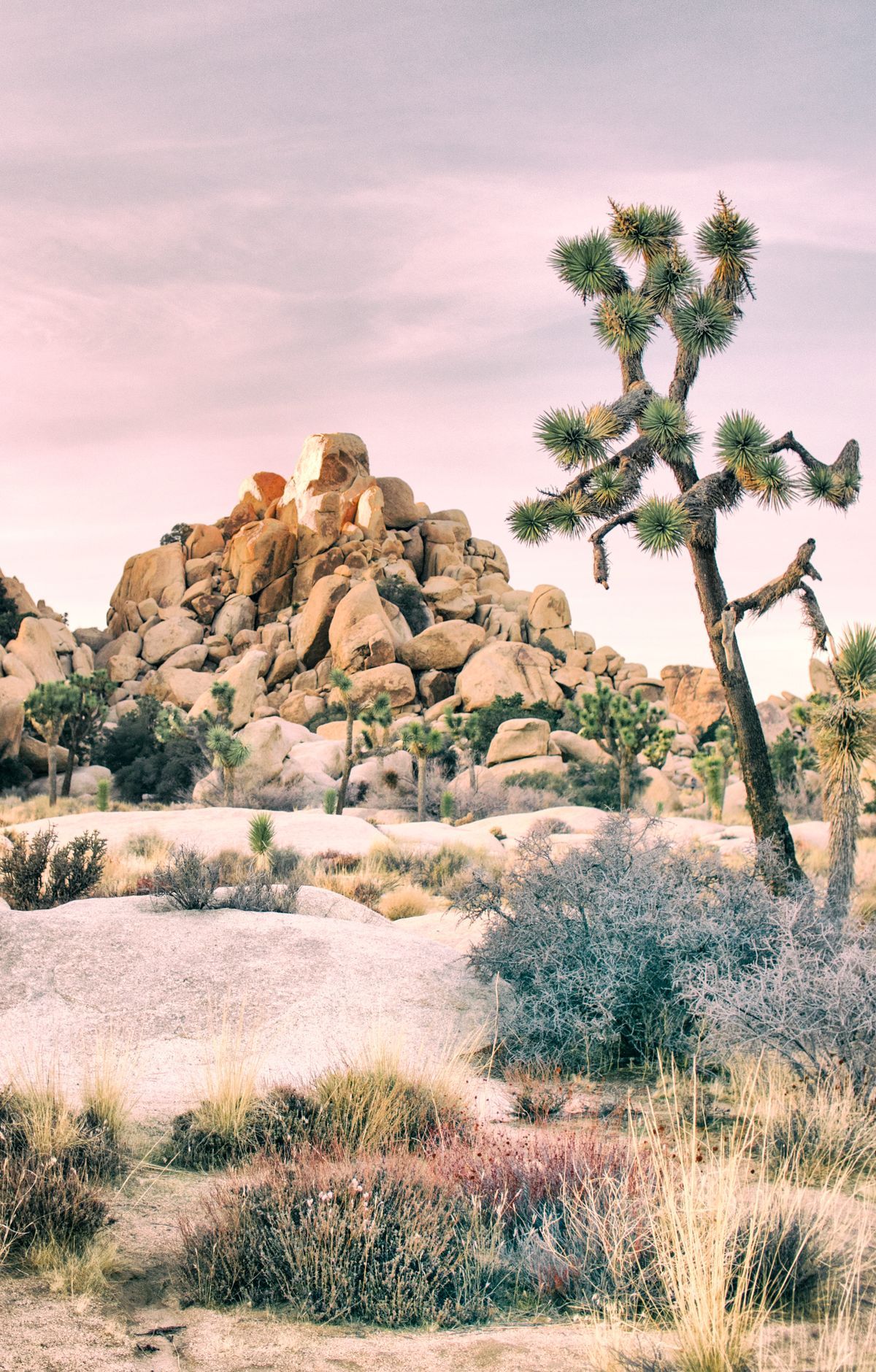
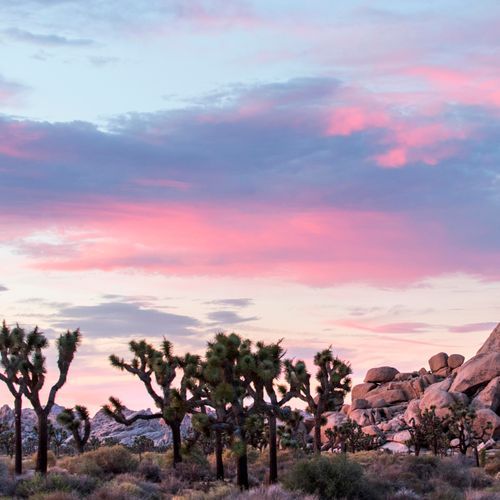
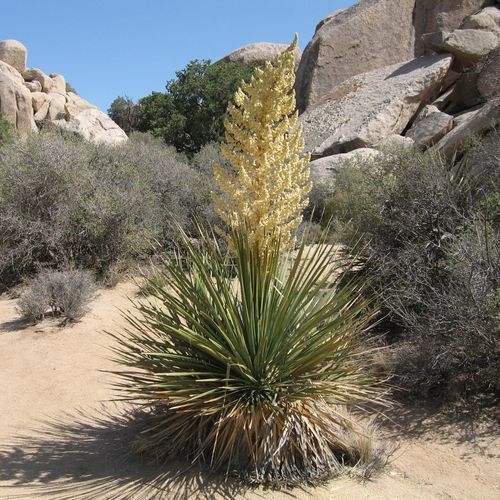
Joshua trees, which are actually tree-sized yuccas, give this park its name and its unusual look. Here the Mojave and Colorado deserts meet. The Mojave is higher and cooler, home to the Joshua trees and giant piles of smooth boulders, while the lower Colorado Desert supports cholla cactus and ocotillo. Rock climbing and scrambling are popular on the rock formations, and hiking trails run through the boulder piles. Some lesser-known trails lead to hidden oases. Visitors can also see the Cholla Cactus Garden, and the park's dark night skies add to its appeal. Its rich cultural history adds another layer to the wilderness.
Park Areas
All areas →
Black Rock Canyon
Tucked into the isolated northwest corner of the park, this area climbs to about 4,000 feet, where the air runs cooler than in the lower desert. The road ends at Black Rock Campground, whose sites sit on a hillside at the canyon mouth among Joshua trees, junipers, and cholla cacti. A network of hiking trails winds through the Joshua tree stands, mountains, and boulders, and the Panorama Loop Trail rewards hikers with views from higher ground. Pinyon pine and juniper also grow in the surrounding Black Rock Zone, where wilderness backpackers can head into the backcountry, though camping is limited to designated areas. Wildlife viewing needs no hike at all: ground squirrels, jackrabbits, and cactus wrens are common around camp, and listeners may hear coyotes after sunset.
Cottonwood Springs
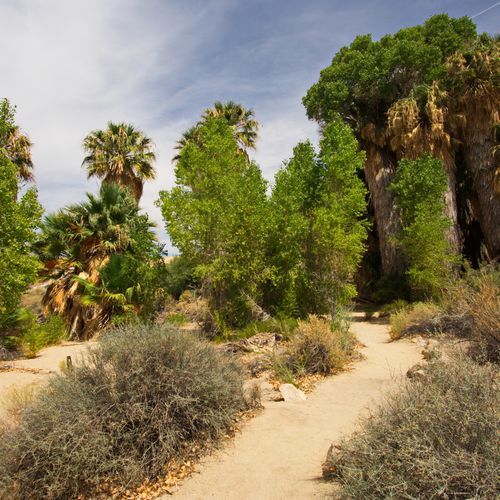
Cottonwood Spring Oasis is a spring-fed pool shaded by cottonwood trees and California fan palms, a two-minute walk from the parking area. Earthquake activity created the spring, and the Cahuilla Indians drew on it for centuries, leaving bedrock mortars and clay pots nearby. Prospectors and miners later used its water for gold processing, and an arrastra, a primitive gold mill, still lies near the spring. Hiking begins here. A three-mile loop climbs to Mastodon Peak, where walkers get 360-degree views, and the Lost Palms Oasis Trail runs eight miles round trip to the park's biggest group of fan palms. Birders come for the variety of species around the water. Cottonwood Campground, with shaded picnic tables, sits nearby, and the Cottonwood Visitor Center offers exhibits and ranger help.
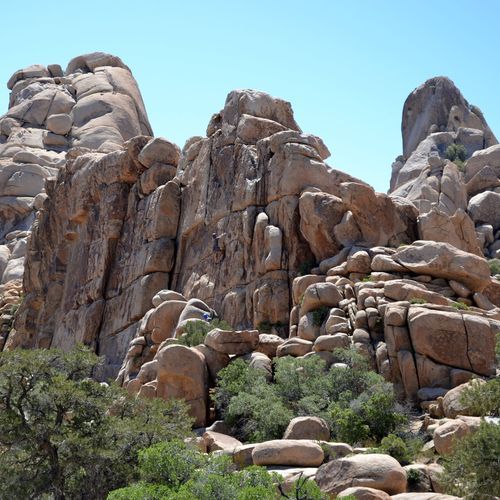
Hidden Valley
Boulders stacked around the rim form a bowl, and the one-mile Hidden Valley Trail loops around the inside of it. Hiking here is easy, and the loop usually takes 30 to 60 minutes, passing rocky walls, desert plants and interpretive signs about the local plants and wildlife. The valley is rumored to have been a hideout for cattle rustlers, which adds a bit of history to the walk. The trail starts near the Hidden Valley Picnic Area, which has barbecue grills and can be hard to park at midday. Climbers are drawn to the many routes here, and the Hidden Valley Campground has 44 sites with picnic tables and fire pits, many with climbing routes right beside them.
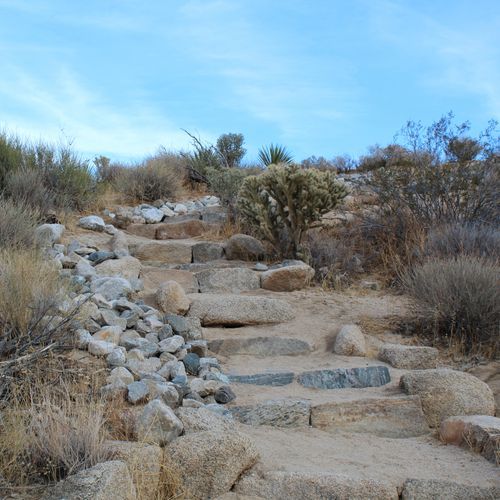
Indian Cove
Set apart in the park's northern reaches, this area has its own entrance off Highway 62, and no road links it with the park's other sections. Towering rock piles ring the campground, which has 101 sites, many of them tucked among the boulders for a more natural feel when pitching a tent. Camping here puts you steps from the rock, and climbers come to test routes of varying difficulty on formations such as Billboard Buttress, Pixie Rock and Short Wall. The easy Indian Cove Trail, a 0.6-mile loop, starts at the campground's west end, and interpretive panels along it describe local plants and how Native Americans traditionally used them. A small ranger station sits roughly two miles north of the campground, where visitors can also fill water bottles.
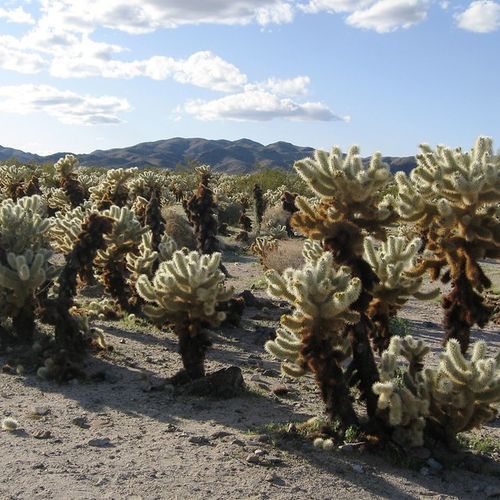
Pinto Basin
A flat, sandy dry lakebed lies at the heart of this low-lying area in the Colorado Desert portion of the park. Pinto Basin Road runs past the Cholla Cactus Garden, which sits on the edge of the basin. The easy quarter-mile walk there wanders among a thick cluster of teddy bear cholla, so closed-toe shoes are strongly advised. Cottonwood Campground and the Cottonwood Visitor Center sit off Pinto Basin Road. Old Dale Road crosses the basin's sand and requires a high-clearance, four-wheel-drive vehicle, while Black Eagle Mine Road follows its edge into the Eagle Mountains. Experienced backpackers can travel off-trail and camp in the backcountry, though they should be well versed in navigation. The park's spring wildflower bloom has drawn increasing numbers of visitors.
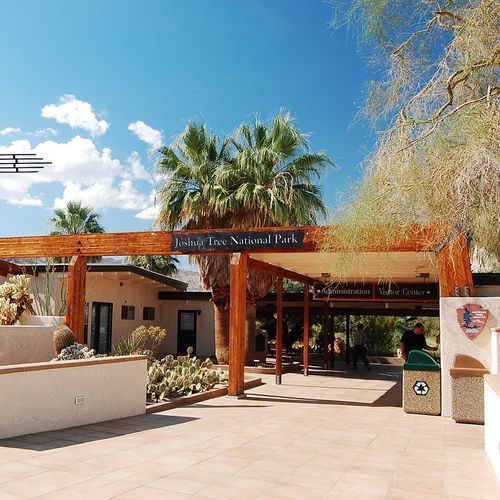
Twentynine Palms
This small town north of the park is the gateway to the North Entrance, with lodging and dining. The Visitor Center stands within a block of Highway 62 and offers educational exhibits, a bookstore and visitor information. Behind it, the Oasis of Mara is a small desert oasis circled by a paved loop trail, which makes it simple to explore. For a longer outing, the three-mile out-and-back Fortynine Palms Oasis Trail crosses a rocky ridge before dropping into a canyon, with panoramic views of town along the way. Expect no shade and no cell service, and stay on the trail near the oasis, an essential water source for wildlife. Overnight guests can also choose Indian Cove Campground, which has vault-style toilets, an amphitheater and paths into hiking areas.
Popular Hiking Trails
All trails →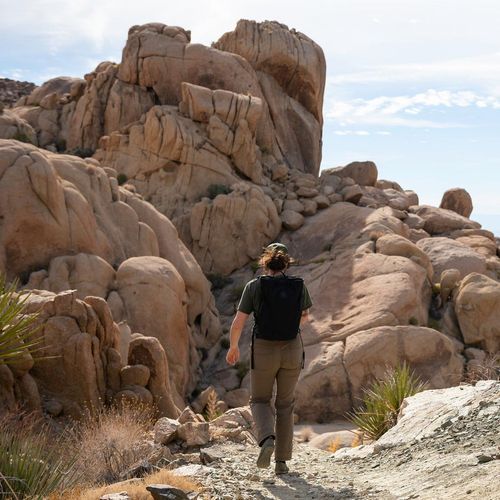
Mastodon Mine Loop Trail
Moderate2.4 mi
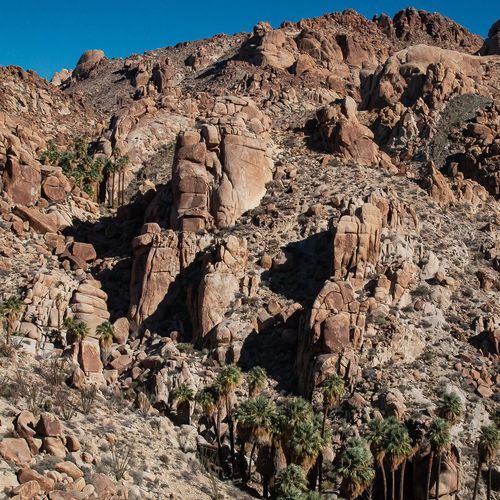
Lost Palms Oasis Trail
Moderate7.6 mi
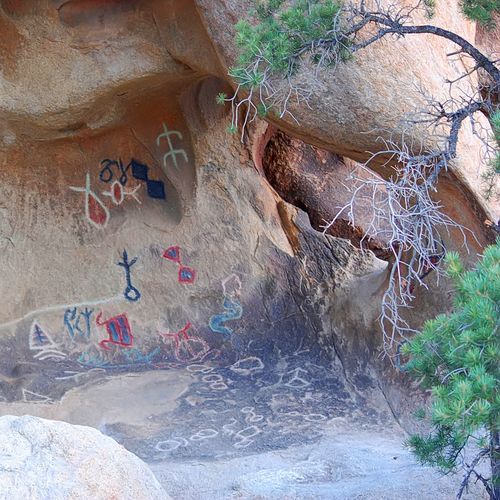
Barker Dam Loop
Easy1.3 mi
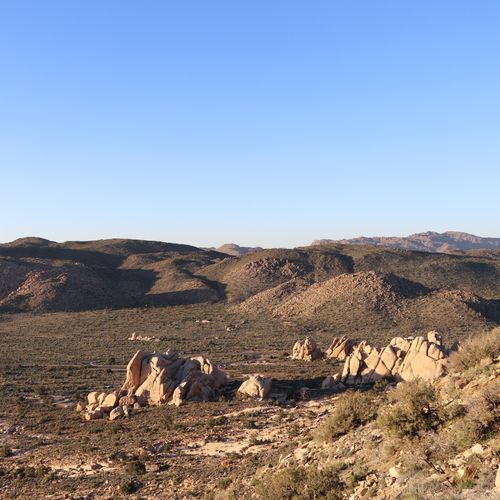
Ryan Mountain Trail
Difficult2.8 mi
Boy Scout Trail
Moderate8.0 mi
Cap Rock Nature Trail
Easy0.4 mi
Hidden Valley Trail
Easy0.9 mi
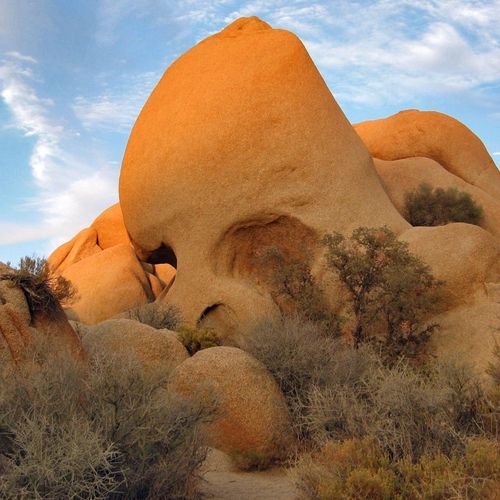
Skull Rock Nature Trail
Easy1.8 mi
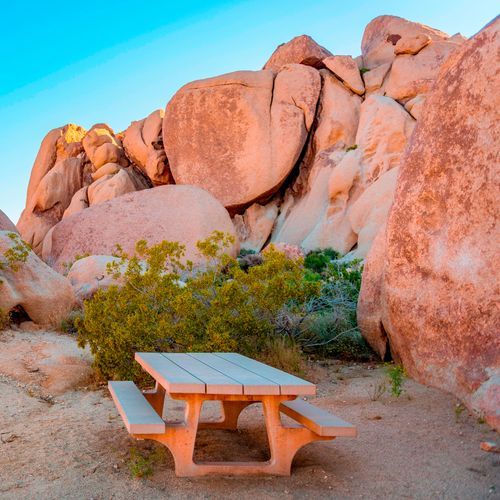
Split Rock Trail
Easy2.5 mi
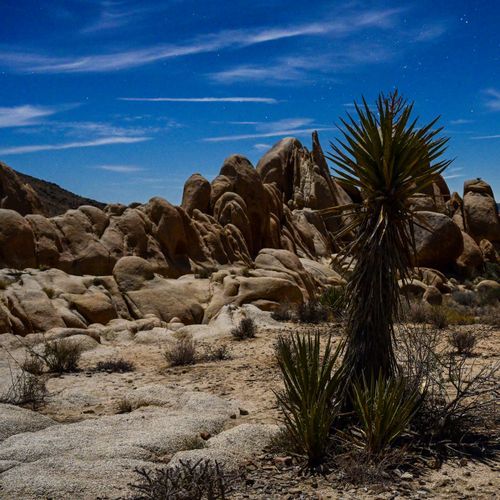
Arch Rock Trail
Easy1.1 mi
Visitor Centers
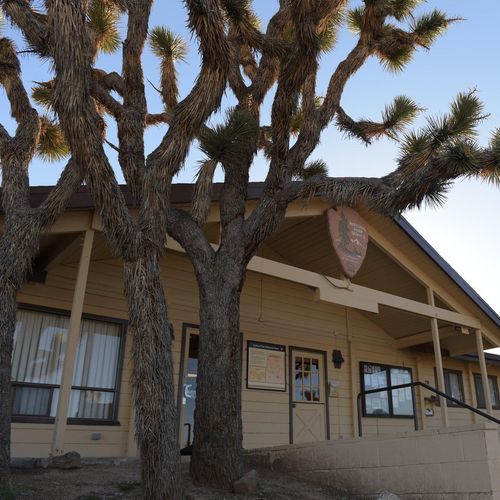
Black Rock Nature Center
8:00AM - 4:00PM
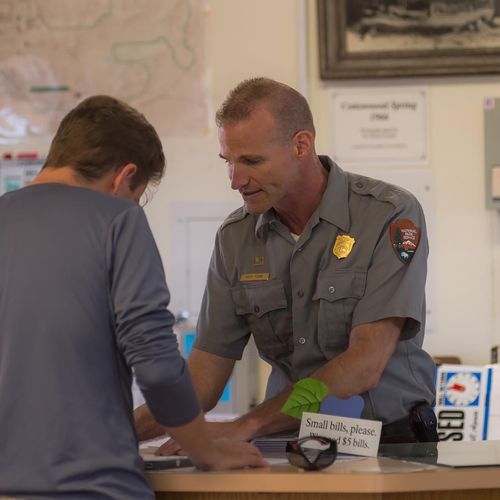
Cottonwood Visitor Center
8:30AM - 4:00PM
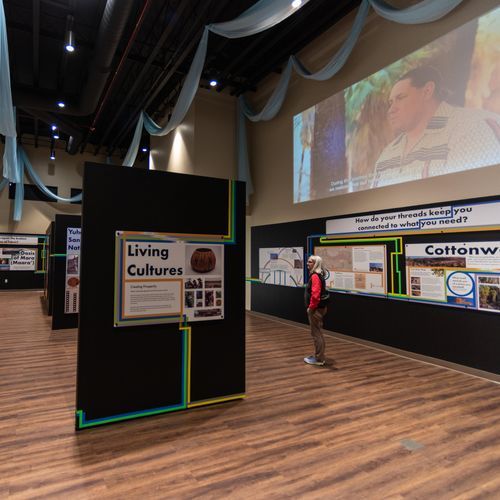
Joshua Tree National Park Visitor Center
8:00AM - 5:00PM
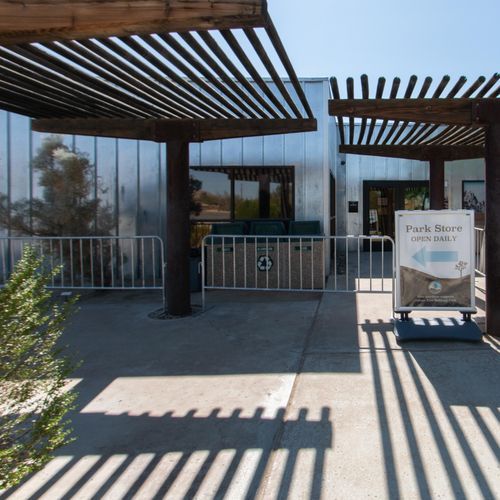
Joshua Tree Visitor Center
7:30AM - 5:00PM
Campgrounds
Camping guide →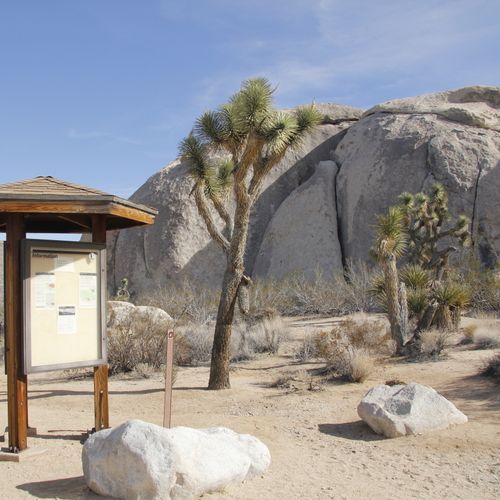
Belle Campground
Hidden Valley
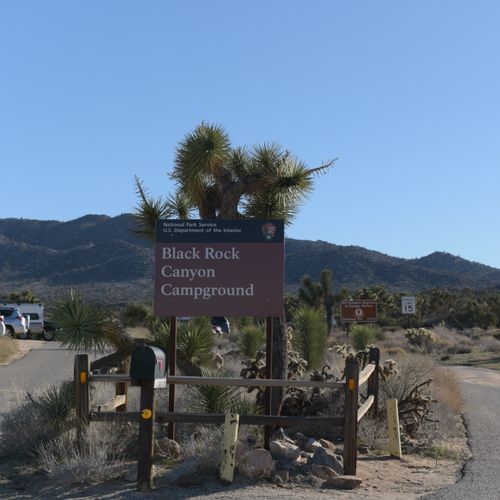
Black Rock Campground
Black Rock Canyon
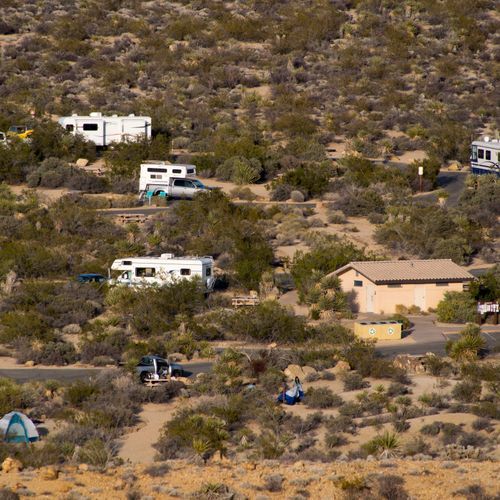
Cottonwood Campground
Cottonwood Springs
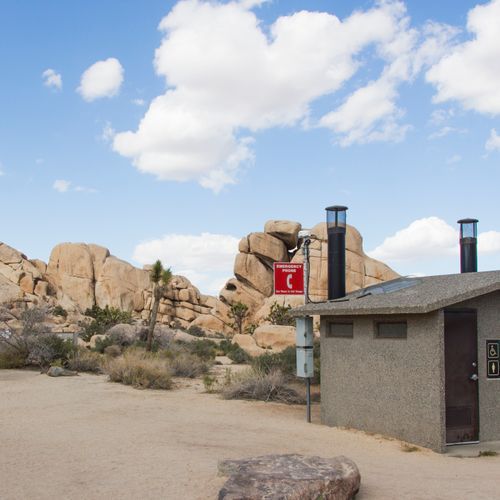
Hidden Valley Campground
Hidden Valley
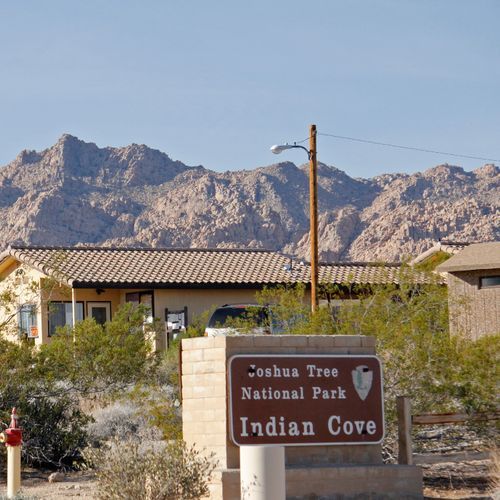
Indian Cove Campground
Indian Cove
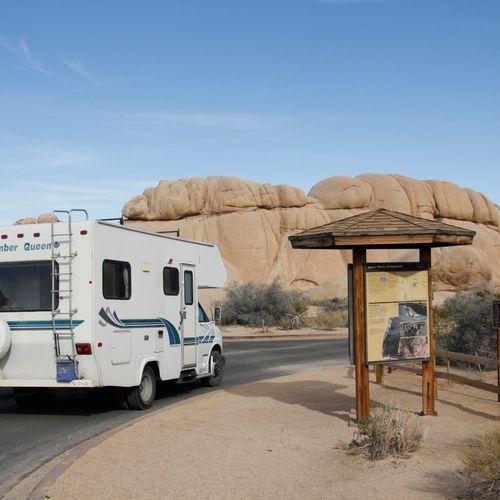
Jumbo Rocks Campground
Hidden Valley
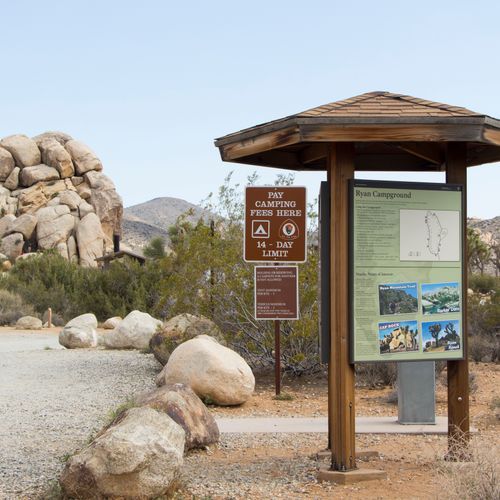
Ryan Campground
Hidden Valley
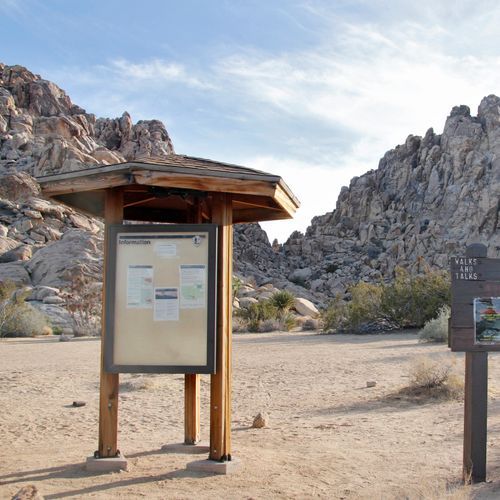
Sheep Pass Group Campground
Hidden Valley
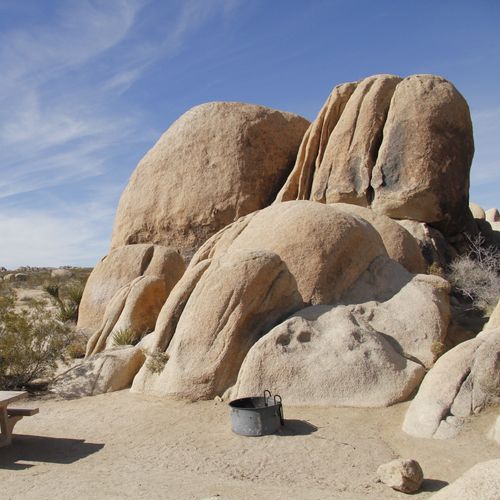
White Tank Campground
Hidden Valley
About the Park
Park Areas
Black Rock Canyon is a prime destination for visitors seeking a blend of biodiversity and geological wonders. Its dense Joshua tree forests and minimal light pollution make it ideal for birdwatching and stargazing. Situated at 4,000 feet, the area offers cooler temperatures and a variety of hiking trails for all skill levels. Cottonwood Springs provides a contrasting desert oasis experience, rich in historical significance as a water source for Native Americans and gold miners. The area features diverse plant life and remnants of old mining operations, serving as a starting point for several trails.
Hidden Valley is a rock-enclosed basin popular with rock climbers and hikers, known for its unique geological formations and historical narrative as a cattle rustlers' hideout. Its accessible one-mile loop trail offers a convenient exploration of its natural and historical features. Indian Cove is distinguished by its impressive rock formations and quieter campgrounds, offering easy access to hiking and rock climbing. It is home to unique desert flora and fauna, serving as a convenient entry point for day trips and backpacking.
Pinto Basin presents a stark desert landscape with ancient rock formations and dry lake beds, offering solitude and opportunities for birdwatching. Twentynine Palms acts as a gateway to serene desert vistas and is rich in Native American history, featuring rock art sites and the Joshua Tree Cultural Center. It provides access to lesser-known trails, offering a quieter exploration alternative.
Park Guides
All 12 guides →High-Desert Seasons and Spring Wildflowers
Most of Joshua Tree National Park sits at or above 4,000 feet, so it often feels cooler than visitors expect.
Joshua Trees: The Park's Seussian Namesake
Scientifically called Yucca brevifolia, the Joshua tree belongs to the agave family and gives Joshua Tree National Park its name.
Monzogranite Boulders 100 Million Years in Making
The boulder piles of Joshua Tree began as molten rock deep underground. Between 250 and 75 million years ago, tectonic plate movements pushed volcanic material toward the surface, and the magma cooled into monzogranite.
Keys View: San Andreas Fault to Salton Sea
Keys View sits along the top ridge of the Little San Bernardino Mountains, and from it you can take in a wide vista across the Coachella Valley.
Hiking Ryan Mountain and Other Desert Trails
Few trails in the central part of the park draw as many hikers as Ryan Mountain. Expect about three miles out and back and roughly 1,050 feet of climbing.
