ParkaDownload
Lake Clark National Park & Preserve

Areas in Lake Clark National Park & Preserve

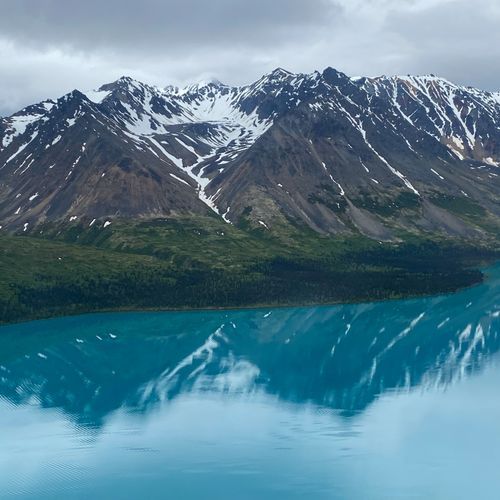
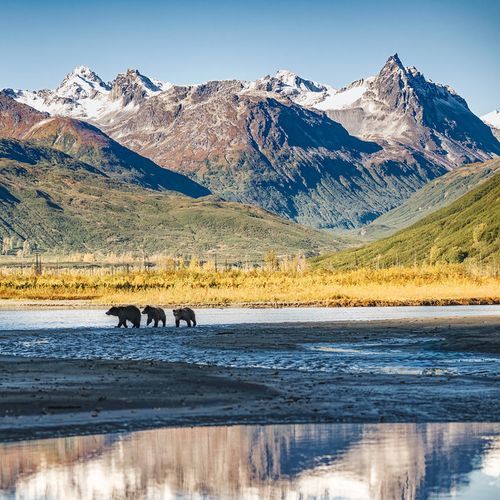
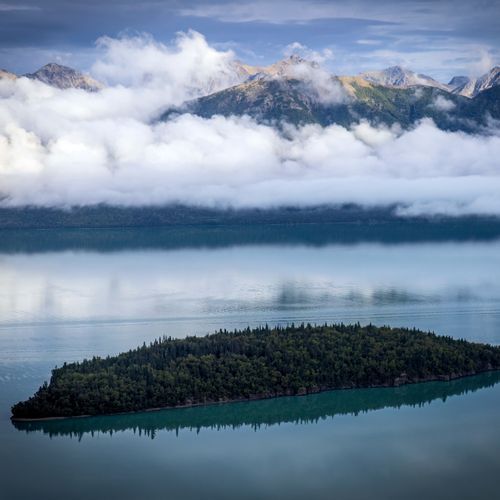
Lake Clark National Park & Preserve breaks naturally into four broad regions, and each feels like a different version of Alaska. Along the Cook Inlet coast, the park is all tidal flats, sedge meadows, estuaries, and concentrated wildlife, especially the brown bears that draw so many visitors to places like Silver Salmon Creek and Chinitna Bay. This is the most dramatic area for bear viewing and coastal wilderness scenes, with volcanoes rising beyond the shoreline and weather shaping every outing. In the mountainous eastern spine, the Chigmit and Neacola ranges deliver the park’s most rugged terrain: glaciers, sharp peaks, active volcanic landscapes, and a raw backcountry scale that is best suited to flightseeing, serious backpacking, or guided trips. This is the Lake Clark many people imagine from photographs—wild, steep, and almost impossibly grand. The central lake country offers a different experience entirely. Around Lake Clark itself, Twin Lakes, and the turquoise glacier-fed waters threaded along the mountains, the park feels more intimate and exploratory, ideal for paddling, fishing, hiking, and remote lodge stays. Port Alsworth serves as the closest thing to a hub, and it’s the most practical base for visitors who want a flexible trip that mixes day hikes, boating, and air access to farther-flung corners. To the west, the preserve and interior lowlands open into broader country where tundra, rivers, and big open space dominate the experience; this is a quieter, less visually theatrical region, but one that rewards travelers looking for solitude, hunting in preserve lands, and true off-the-grid travel. The smartest way to think about Lake Clark is not as a park with roads and districts, but as a collection of landscapes reached by air and water. Choose the coast for bears and marine-edge drama, the mountains for Alaska at its most elemental, the lake country for the park’s most versatile adventures, and the western interior for isolation and scale. Most visitors focus on one primary zone and add a flight or boat excursion into another, rather than trying to cover everything at once. In a park this large and undeveloped, a well-chosen region matters more than a packed itinerary.

Port Alsworth

Port Alsworth

3 trails1 campgrounds

Port Alsworth is a key access point for exploring Alaska's wilderness, offering visitors essential amenities and services. Unlike more remote areas, it provides a base with accommodations and guided tours. The town serves as a hub for activities such as fishing, hiking, and flightseeing. Its proximity to Lake Clark ensures varied outdoor experiences. Port Alsworth's accessibility distinguishes it from other isolated regions.

Twin Lakes

Twin Lakes

2 trails

Twin Lakes offers a serene escape, known for its stunning clear waters and picturesque mountain backdrop. Unlike other areas, it provides a unique opportunity for solitude and reflection. Home to diverse wildlife, visitors can observe bears in their natural habitat. The lakes are a favored spot for kayaking and fishing. Historically, it was the residence of naturalist Richard Proenneke, whose cabin is now a popular site to visit.

Crescent Lake

Crescent Lake

Crescent Lake offers a serene setting for wildlife observation, particularly brown bears fishing for salmon. Known for its clear waters and scenic views, it provides a quieter alternative to busier areas. Fishing enthusiasts often visit for its plentiful trout. The lake is accessible via floatplane, adding to its remote allure. Unlike other regions, Crescent Lake combines solitude with diverse wildlife, making it a unique destination for nature enthusiasts.

Silver Salmon Creek

Silver Salmon Creek

Silver Salmon Creek offers exceptional wildlife viewing, particularly for brown bears that frequent the area to fish for salmon. Compared to other regions, it provides better accessibility for photographers and nature enthusiasts. The creek lies within a dynamic ecosystem, featuring tidal flats and salt marshes that support diverse flora and fauna. Visitors often highlight the guided tours available, which enhance understanding of the area's ecological significance and wildlife behavior.

Explore all areas with offline maps in the Parka app

Download Parka — It's Free

Explore Lake Clark National Park & Preserve areas with offline maps

Free on the App Store

Get Parka

Why Park Lovers Choose Parka

Trip Planner

All the tools for epic adventures

Works Offline

Fully functional without cell service

Updated Weekly

Trail conditions, alerts, and closures

Try Risk-Free

7-day free trial, cancel anytime

Start Your 7-Day Free Trial

Unlock everything you need for your next national park trip. Your first week is on us!

National Park vista

Start your adventure today

Download Parka and plan your perfect national park trip in minutes.