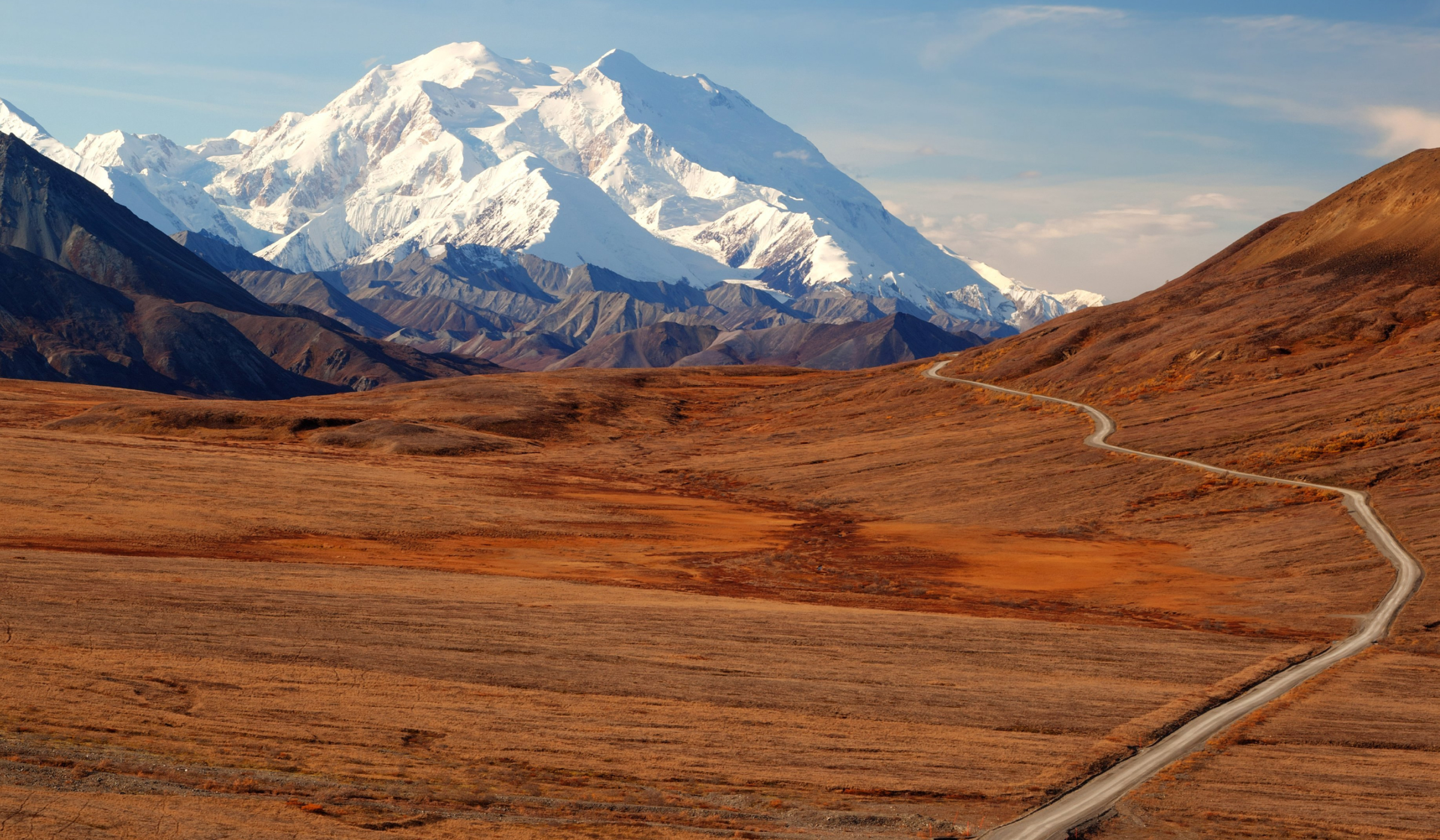
Planning Your Visit to Lake Clark National Park & Preserve
Planning a trip to Lake Clark means planning for true Alaska: remote, wild, and largely undeveloped. The park is open year-round, but for most travelers the sweet spot is June through October, when temperatures are milder and the widest range of lodges, guides, air taxis, and boat services are operating. Summer brings the easiest access and the most dependable visitor services, while shoulder-season weather can turn quickly and demand more flexibility. Conditions vary sharply between the wetter coast and the drier interior, so even in peak season you should expect changeable weather, cool temperatures, and the possibility of wind and rain at any time. Getting here is part of the adventure. Lake Clark is not on Alaska’s road system, so first-time visitors should plan on arriving by small plane or boat, with most travelers flying in from Anchorage, Kenai, or Homer on a one- to two-hour flight. In summer and fall, floatplanes, wheeled planes, and boats are the standard ways to reach different parts of the park; in winter, ski-equipped aircraft may be the only option depending on conditions. There is no entrance fee, which makes Lake Clark one of the rare major Alaska park experiences that is fee-free, but transportation, lodging, guide services, and logistics can be costly and should be arranged well in advance. For a first visit, keep your plans realistic and your preparation serious. Book flights, accommodations, and any guided bear viewing, fishing, hiking, or backcountry trips as early as possible, especially for peak summer dates. Pack for a remote environment: waterproof layers, warm clothing, sturdy boots, and a margin for weather delays are essential. Cell service and infrastructure are limited, distances are large, and itineraries often depend on aviation schedules and conditions, so flexibility is not optional. If you’re new to Alaska’s bush travel, the smartest approach is to build your trip around a lodge, guide, or air taxi service that knows the terrain and can help you move safely through one of the country’s most spectacular and least forgiving national parks.
Best Time to Visit
Lake Clark is open year-round, but most visitors plan trips between June and October when temperatures are milder and transportation, guiding, and lodging options are more available. Summer and early fall are the easiest seasons for first-time visitors because flights, boats, and visitor services are more dependable than in winter.
Getting There and Transportation
Lake Clark is not connected to Alaska’s road system, so you will need to arrive by plane or boat. Most visitors reach the park on a one- to two-hour flight from Anchorage, Kenai, or Homer, then continue getting around by float plane, wheeled plane, or boat depending on conditions and destination. Build flexibility into your itinerary, because weather can delay travel in and out of the park.
Where to Stay
Expect a mix of remote lodging and camping rather than traditional front-country park infrastructure. Camping ranges from more established campground options to primitive backcountry sites, and peak-season reservations should be made as early as possible. If you want a roof over your head, secure lodge or cabin-style accommodations well in advance, especially for summer trips.
What to Pack and Prepare
Pack for a remote Alaska environment: waterproof layers, warm insulating clothing, sturdy boots, gloves, and extra food in case weather delays your exit. Bring navigation tools, emergency communication if possible, and any medications or specialty gear you will need, since services are limited. Dry bags are especially useful if your trip includes boats, float planes, or wet landings.
Safety and Regulations
This is a vast, undeveloped park where self-reliance matters, so treat every outing like backcountry travel even if it looks straightforward on a map. Learn current rules for where aircraft can land, where access may be restricted, and the important distinction between park and preserve lands, especially if your plans involve hunting activities. Give wildlife plenty of space and be prepared for rapidly changing weather, cold water, and limited rescue access.
Accessibility Information
Lake Clark aims to provide the highest possible level of accessibility, but visitors should expect that remoteness and rugged terrain can limit what is available on the ground. Accessibility can vary widely by transportation provider, lodging, beach landing, and activity, so confirm details directly before booking flights or overnight stays. Planning ahead is essential if you need mobility support, transfer assistance, or adaptive equipment.
Tips for First-Time Visitors
Keep your first Lake Clark trip simple: choose one base area, one main activity, and at least one buffer day for weather. Many visitors underestimate the time, cost, and logistics required in a fly-in park, so finalize transportation and lodging before building the rest of your itinerary. If you are new to remote Alaska travel, booking with an experienced local operator can make the trip smoother and safer.
Start planning your trip with personalized itineraries in the Parka app
Download Parka — It's FreeStart planning your Lake Clark National Park & Preserve trip
Free on the App Store