
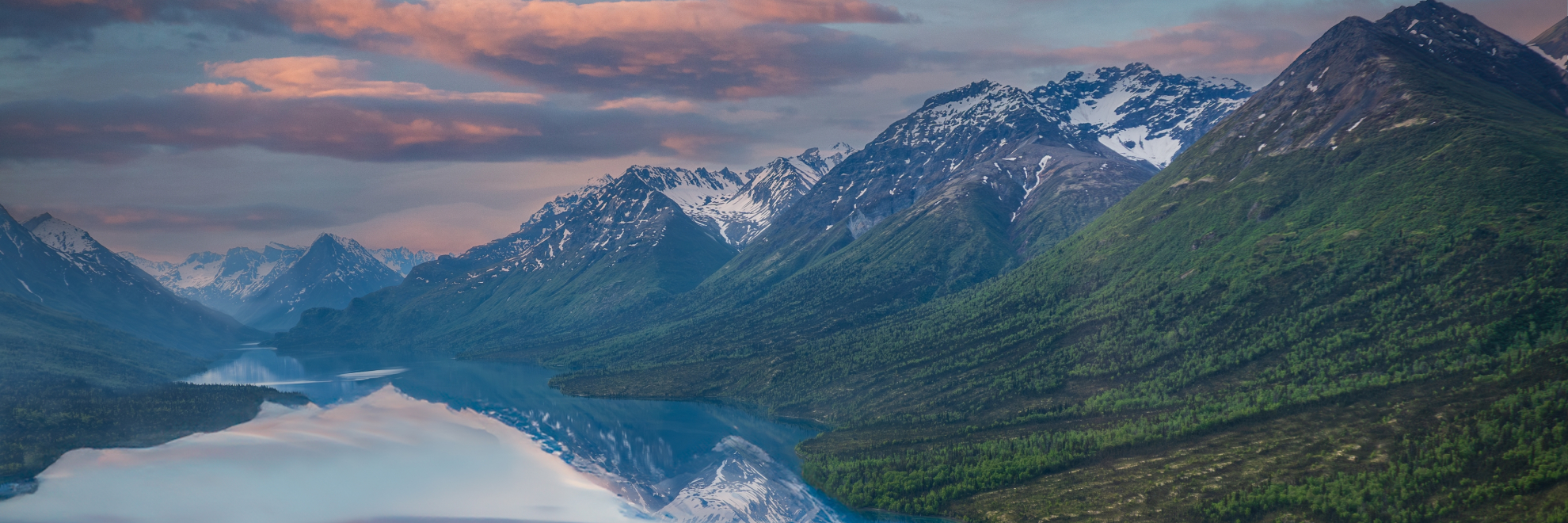
Lake Clark National Park and Preserve is a remote wonderland blessed with the dual charms of breathtaking landscapes and vibrant wildlife. It sits about 100 miles southwest of Anchorage, Alaska, encompassing a swath of stunning wilderness ranging from the shores of Cook Inlet, across the Chigmit Mountains, to the tundra-covered hills of the western interior.
This diverse park offers a dramatic mix of volcanic formations, craggy mountains, and serene lakes, notably Lake Clark itself, a 42-mile long body of water that is the heart and soul of this area. The park's diverse ecosystems host abundant wildlife, including brown bears, moose, wolves, and countless species of birds, making it a premier destination for wildlife photography and nature study.
One of the park's most famed vistas is the mesmerizing Turquoise Lake, renowned for its striking blue-green waters that mirror the sky. Human history in the park is also rich, with the indigenous Dena'ina people having lived in this area for thousands of years.
Lake Clark is not connected by roads; it can only be accessed by boat or small aircraft, which preserves its untouched allure but demands careful planning for visitors. The park's lack of roads contributes to its pristine condition and keeps it free from the crowds seen in more accessible parks.
Whether it's hiking through the open tundra, kayaking past glaciers, or simply soaking in the wild, untouched beauty from a rustic lodge, Lake Clark offers an unparalleled glimpse into Alaska's wild heart.
Lake Clark National Park & Preserve
Alaska
Alaska
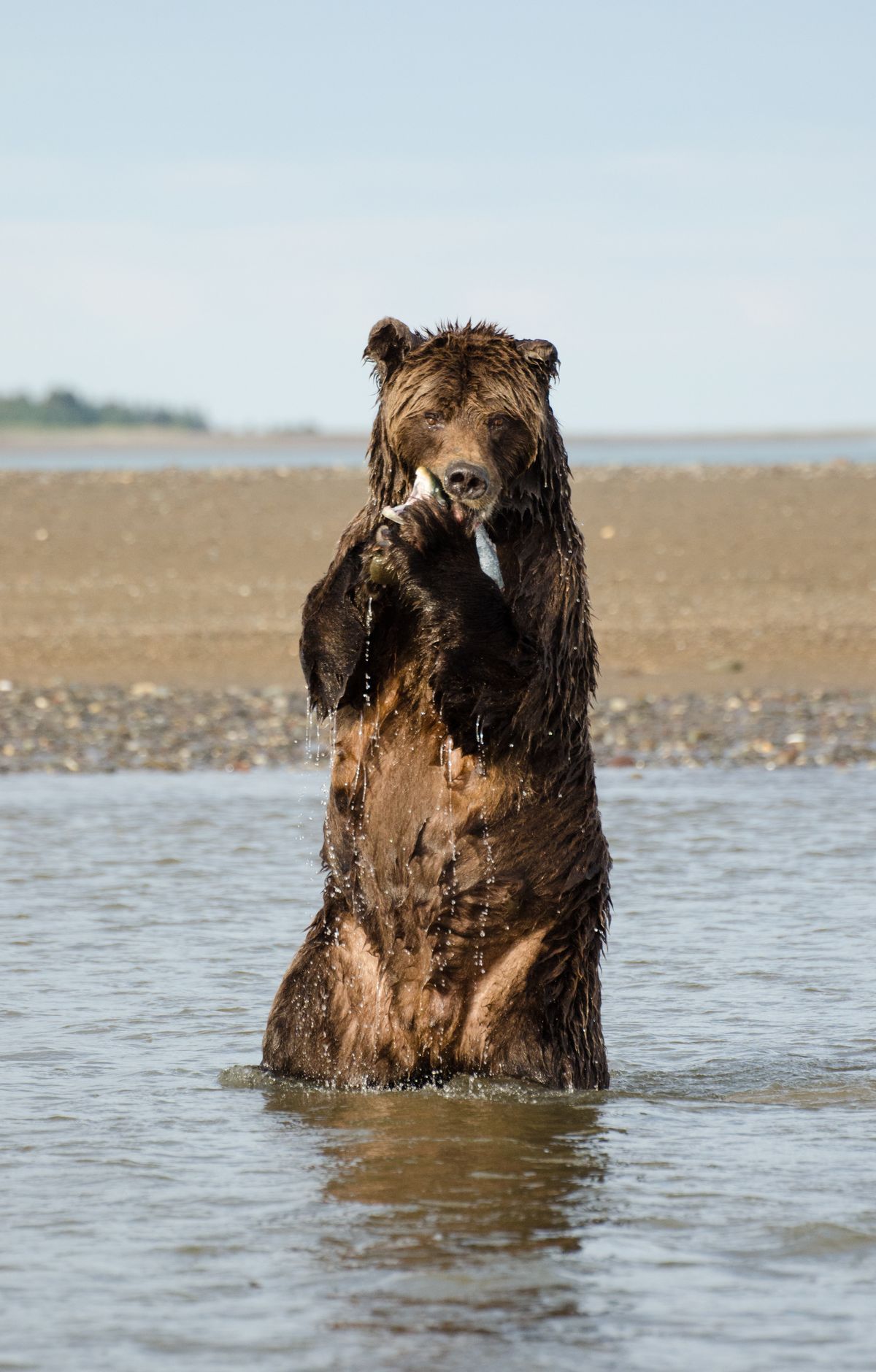
Lake Clark National Park and Preserve is a remote wilderness in southwest Alaska where active volcanoes, brown bears and salmon runs share the same landscape. Redoubt and Iliamna rise in the Chigmit Mountains, where glaciers continue to shape the peaks. Visitors reach the park by boat or plane. Lake Clark, the park's namesake, is the deepest lake in Alaska. Along the Cook Inlet coast, brown bears feed on sedges and clams, and salmon move through estuaries toward spawning streams. Anglers fish these waters, while backpackers and kayakers cross tundra slopes and turquoise lakes. Dick Proenneke's historic cabin sits on upper Twin Lake, and Tanalian Falls draws day hikers from Port Alsworth.
Park Areas
All areas →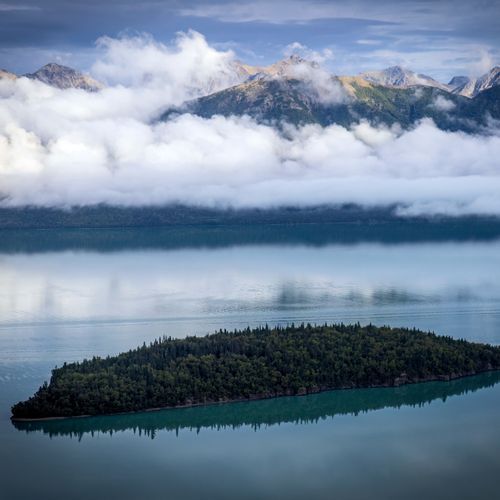
Port Alsworth
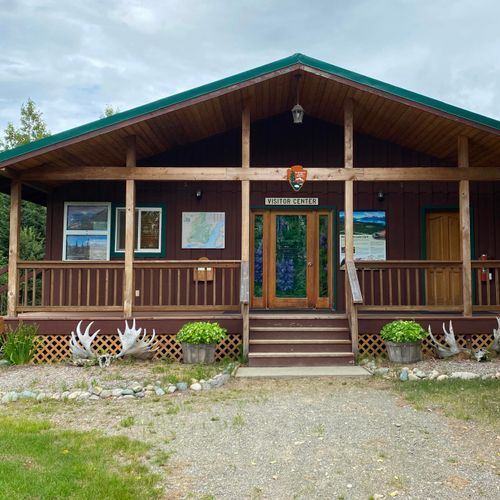
Reached only by air, this small town sits on the Lake Clark shoreline, where two gravel runways run down to Hardenburg Bay. No road system reaches the town and there are no grocery stores, so arrive prepared. Most people get around on foot unless an air taxi or lodge has arranged otherwise. The visitor center next to the Field Headquarters offers maps, trail details and advice from rangers, lends bear-resistant containers and shows films about Dick Proenneke. Outdoor exhibits include the Wassilie Trefon Dena'ina Fish Cache and the Denison Sawmill. The Tanalian Trails, one of only two maintained trail systems in the park and preserve, begin in town and include a day hike to Tanalian Falls as well as longer hiking and backpacking routes.
Twin Lakes
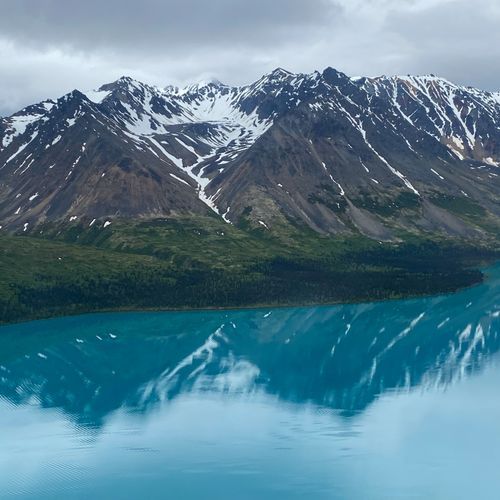
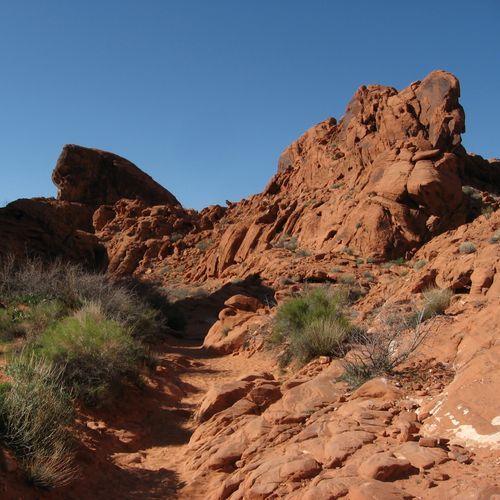
Two turquoise lakes, Upper and Lower Twin Lake, sit on the western side of the park and are most often reached by flightseeing. From Port Alsworth, the flight to Upper Twin Lake takes about 25 minutes. On the shore of Upper Twin Lake, visitors can tour the historic Proenneke Cabin, once the home of naturalist Richard Proenneke, and hike up to Teetering Rock. Upper Twin Lake is among the more popular camping spots in the area, and Hope Creek Campground sits near the cabin. Backcountry hikers can walk the shoreline between Upper and Lower Twin Lakes, ending at the Chilikadrotna River outlet. That route is off-trail, so it calls for map-reading and wayfinding skills or a guide. For a higher trip, the Low Pass route climbs into alpine country above Upper Twin Lake.
Crescent Lake
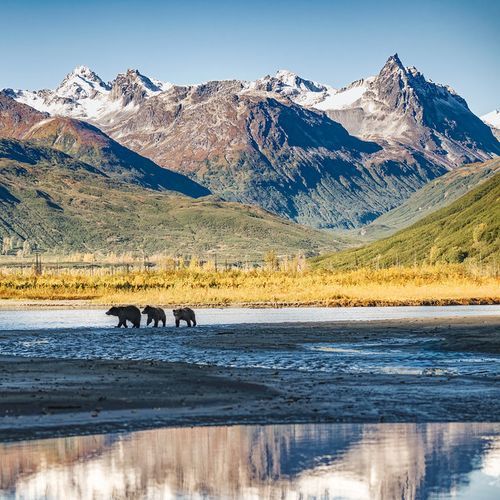
Tucked among the Chigmit Mountains, this lake draws more visitors than anywhere else in the park, yet it remains a roadless wilderness. Visitors usually fly in on small planes, which land on floats in summer and can use wheels or skis in winter. Anglers come for sport fishing, targeting sockeye, coho, Dolly Varden and lake trout. Each summer, sockeye and silver salmon push up the Crescent River, and brown bears patrol the lake and river banks looking to catch them. Thick brush runs from steep slopes right down to the water, so wandering on foot is risky, and bear watchers stay in boats instead. With no developed trails, guides and lodges supply motorboats and kayaks for getting around. When skies clear, the snow-covered Redoubt Volcano towers behind the Crescent Lake Ranger Station, a small lakeshore cabin.
Silver Salmon Creek
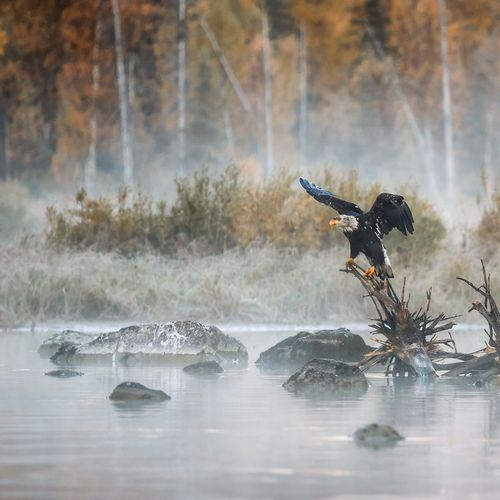
Brown bears are the main draw on this stretch of the Cook Inlet coast. They graze in the sedge meadows early in the summer, then fish the creek when the salmon run arrives. Most visitors arrive on small wheeled planes that land on the beach. Sport anglers target coho and pink salmon and Dolly Varden, while bird watchers can spot shorebirds, dabbling ducks, seabirds and loons in the estuary. The tidal flats hold razor, little neck and butter clams for digging. Experienced visitors can take day hikes from the Silver Salmon Ranger Station. Silver Salmon Creek Lodge is another option, with bears sometimes seen close by. Several licensed outfitters also lead guided trips.
Popular Hiking Trails
All trails →Kontrashibuna Lake trail
Easy2.2 mi
Teetering Rock Trail
Easy1.6 mi
Portage Creek
Moderate6.5 mi
Native Trail
Extreme48.8 mi
Foot Trail
Difficult10.8 mi
Visitor Centers
Port Alsworth Visitor Center
10:00AM - 4:30PM
Campgrounds
Camping guide →About the Park
Park Areas
Port Alsworth serves as a primary access point for exploring Lake Clark National Park, offering essential amenities, accommodations, and guided tours. It acts as a hub for activities like fishing, hiking, and flightseeing, with its proximity to Lake Clark providing varied outdoor experiences. The town's accessibility sets it apart from more isolated regions.
The Cook Inlet Coast is notable for wildlife viewing opportunities, including bears and marine life, across diverse ecosystems such as tidal flats and rocky beaches. Its remote location ensures fewer crowds, allowing for a more intimate connection with nature. Twin Lakes offers a serene escape with clear waters and a picturesque mountain backdrop, ideal for solitude and reflection. Visitors can observe diverse wildlife, including bears, and explore the historic cabin of naturalist Richard Proenneke.
Lake Clark is distinguished by its pristine waters and stunning landscapes, offering kayaking, fishing, and wildlife viewing. The lake's volcanic backdrop and migrating salmon enhance its appeal. Tanalian Trails provide accessible exploration of diverse landscapes, connecting visitors to Tanalian Falls and Kontrashibuna Lake. These trails offer a manageable hike with rewarding views of lush forests and open meadows.
Kontrashibuna Lake is known for its tranquil setting, ideal for kayaking and fishing, with common wildlife sightings along its shores. Crescent Lake offers a serene environment for observing brown bears and fishing for trout, accessible via floatplane. Silver Salmon Creek is renowned for brown bear viewing and offers guided tours to enhance understanding of its dynamic ecosystem.
Park Guides
All 11 guides →Floatplanes, Beach Landings, and Getting In
The park has no roads leading to it or running through it, so most visitors arrive by air.
Coast Versus Interior: Two Climates, One Park
Lake Clark splits its weather into two zones, the coast and the interior, and the two behave very differently.
Silver Salmon Creek: Bears on the Cook Inlet Coast
Silver Salmon Creek sits midway up the Cook Inlet coast of Lake Clark National Park and Preserve, and it is known for brown bear viewing.
Redoubt and Iliamna: Lake Clark's Steaming Volcanoes
Redoubt is the park's active volcano and the more recently active of the two peaks. It rises 10,197 feet through the Chigmit Mountains and has a summit crater 1.8 kilometers wide.
Tanalian Trails and Falls Near Port Alsworth
Tanalian Falls is the most popular hike out of Port Alsworth. The route is about three miles from the trailhead, starting on a wide gravel road that climbs steeply to the park boundary and continuing over planked boardwalk sections.
