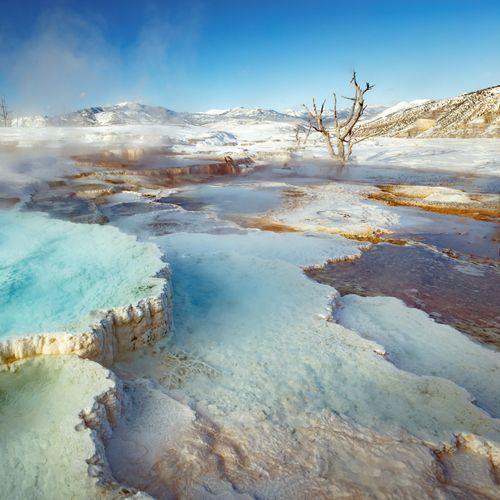
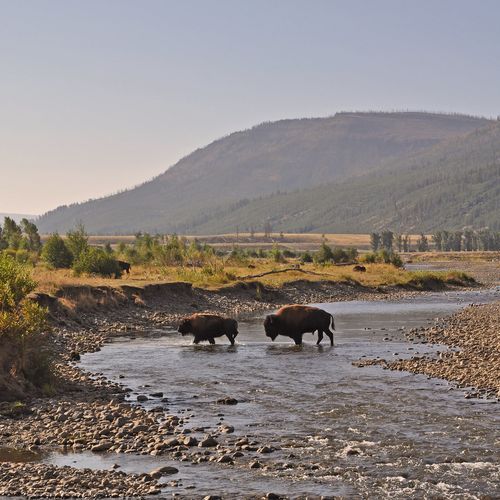
Yellowstone is best understood not as one single destination, but as a collection of distinct regions stitched together by the Grand Loop Road. Mammoth Hot Springs, in the north, feels unlike anywhere else in the park, with its pale travertine terraces, historic fort setting, and a lower-elevation landscape that often makes it a natural first or last stop. East of Mammoth, Tower-Roosevelt opens onto a wilder, more rugged Yellowstone, where steep volcanic landscapes, the park’s old frontier character, and quick access to the Lamar Valley put the emphasis on scenery and wildlife rather than geothermal spectacle. Canyon Village sits at the heart of the eastern side and serves one of Yellowstone’s grandest set pieces: the Grand Canyon of the Yellowstone, where waterfalls, dramatic rim overlooks, and a more vertical, forested landscape shift the mood from steaming basins to raw geologic drama.
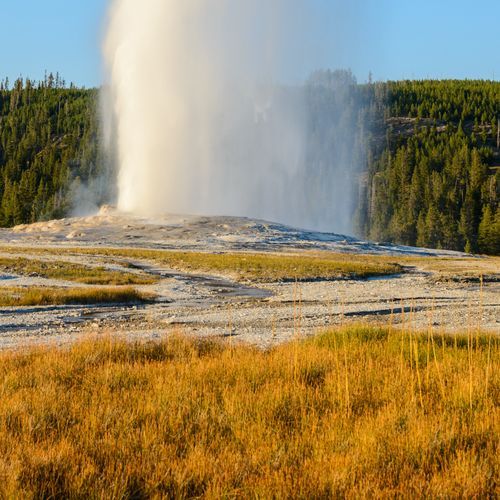
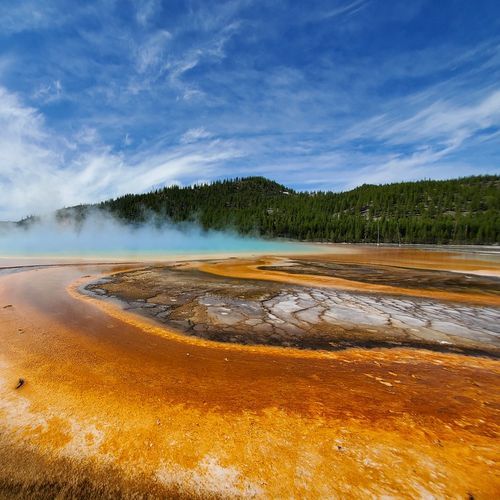
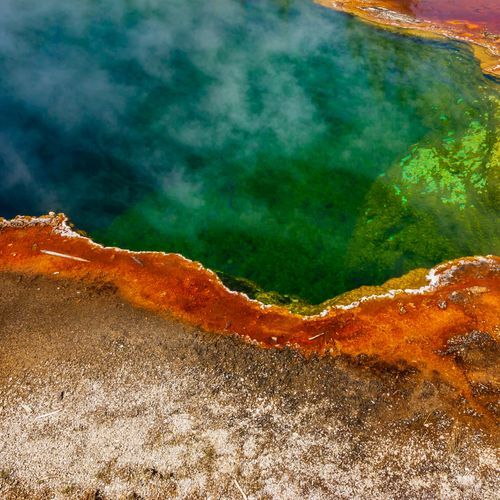
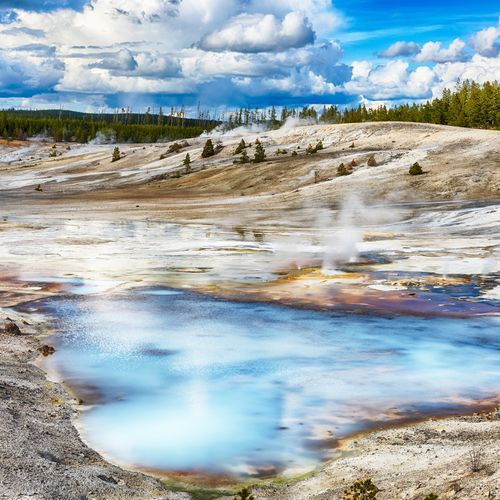
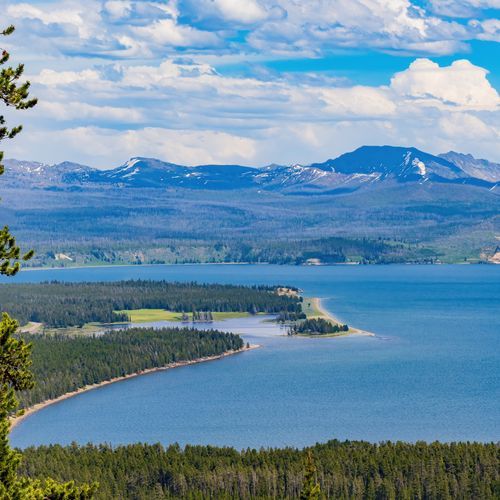
The southern and western portions of the park are where Yellowstone’s geothermal identity takes center stage. Norris Geyser Basin is one of the park’s hottest, most dynamic thermal areas, stark and otherworldly, while Madison works as a strategic crossroads for travelers heading toward geyser country or the wildlife-rich valleys. Old Faithful is the park’s most famous developed area, but it is far more than a single eruption; this is the heart of the Upper Geyser Basin, where boardwalks lead through an astonishing concentration of geysers, pools, and steam vents. Farther south and east, West Thumb introduces a different Yellowstone altogether, where thermal features meet the edge of Yellowstone Lake. The lake region itself—Grant Village, Lake Village, Bridge Bay, and Fishing Bridge—feels broader, calmer, and more expansive, with open water, mountain backdrops, boating access, and a strong sense of the park’s sheer scale.
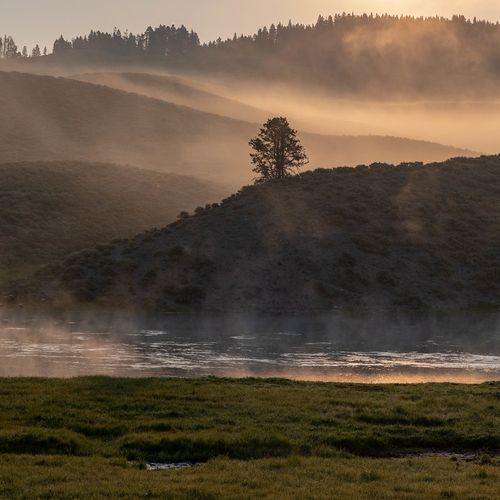
The smartest way to explore Yellowstone is to think in clusters rather than trying to conquer the entire park in a day. Pair Mammoth with Tower-Roosevelt and Lamar for history, open country, and wildlife; link Norris, Madison, and Old Faithful for the densest concentration of geothermal features; and combine Canyon with Hayden Valley and the lake country for waterfalls, big views, and excellent chances to spot bison, bears, and other wildlife. Yellowstone is enormous, and drive times are longer than the map suggests, so each region deserves its own pace and personality. Visitors who treat the park as a series of distinct landscapes—thermal basin, canyon, valley, lakeshore, and high plateau—come away with a far richer understanding of why Yellowstone feels less like a park and more like an entire world unto itself.