
Yellowstone National Park, established in 1872, proudly stands as the first national park in the United States. Situated primarily in Wyoming, and stretching into Montana and Idaho, it covers approximately 2.2 million acres, making it one of the largest and most comprehensive ecosystems in the United States.
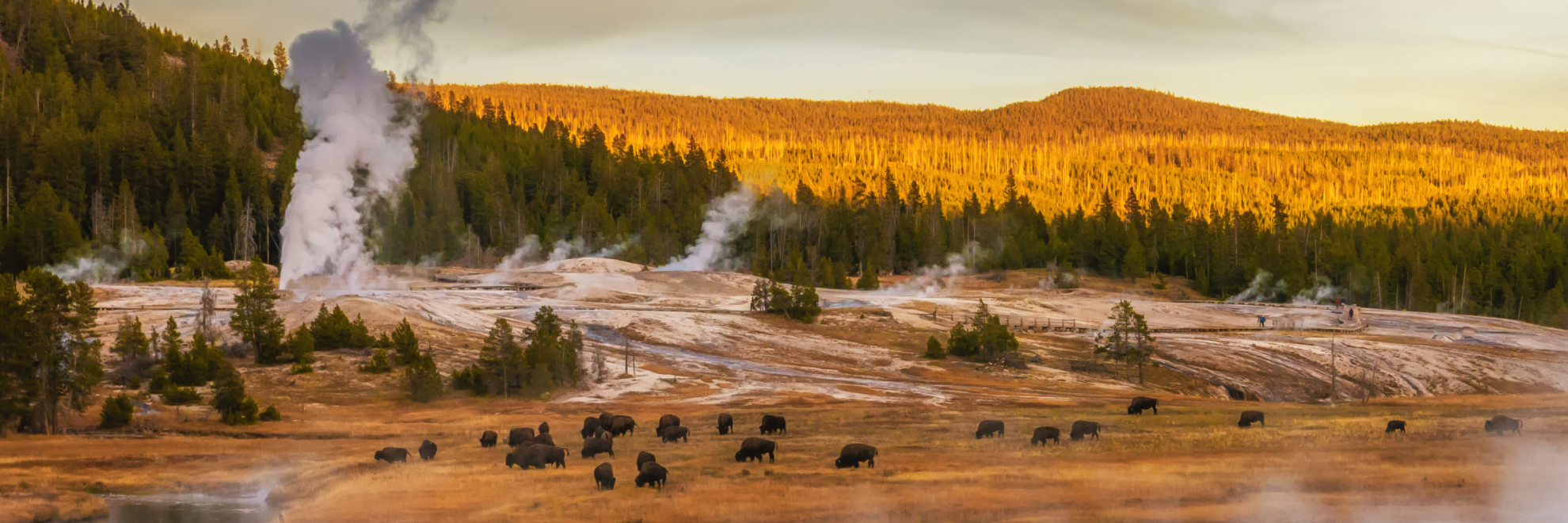
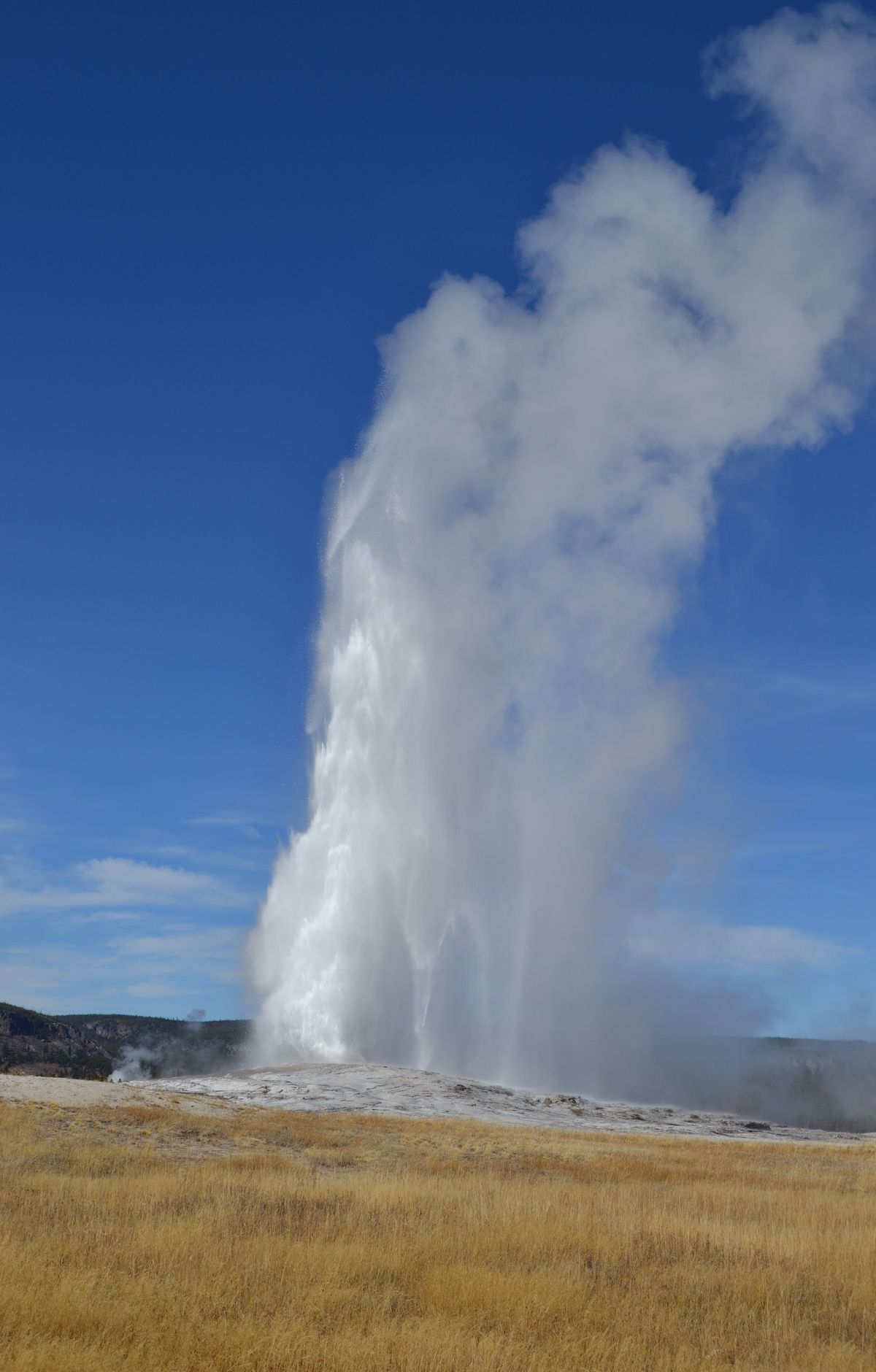
Yellowstone is famed for its geothermal wonders, including over 10,000 hydrothermal features like geysers, hot springs, mudpots, and fumaroles. The most iconic of these is Old Faithful, a geyser that predictably erupts every 60 to 110 minutes, shooting boiling water up to 184 feet in the air. The park's remarkable volcanic activity is due to the massive Yellowstone Caldera, one of the largest active volcanic systems in the world. This supervolcano's heat fuels the park's hydrothermal features and influences much of its landscape and ecology.
Yellowstone also boasts a diverse and abundant wildlife population. It is one of the few places in the U.S. where you can see grizzly bears in their natural habitat. The park is also home to the oldest and largest public bison herd in the United States, as well as wolves, elk, and numerous bird species, including the iconic bald eagle.
The park's historical significance is enriched by its connection to Native American tribes who have utilized the region for over 11,000 years. More recent history can be explored through the preserved structures like the historic Fort Yellowstone. Visitors can traverse this vast park via its extensive network of roads and more than 900 miles of hiking trails.
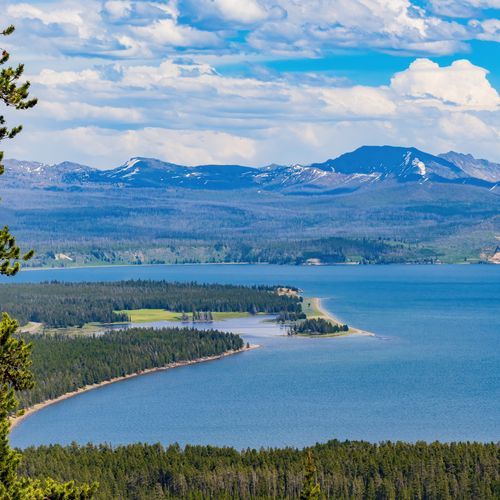
Geographical highlights include the colorful Grand Prismatic Spring, the deeply carved Grand Canyon of the Yellowstone, and the expansive Yellowstone Lake, the largest high-elevation lake in North America.
Yellowstone National Park
Idaho, Montana, Wyoming
Idaho, Montana, Wyoming
A supervolcano lies beneath Yellowstone National Park, and its heat still powers more than 10,000 hydrothermal features, including over 500 active geysers, more than half of the world's total. Created in 1872 as the first national park, it covers 2.2 million acres, mostly in northwest Wyoming with edges reaching into Montana and Idaho. Boardwalks in the Upper Geyser Basin lead past Old Faithful and steaming pools, and Grand Prismatic Spring is a top stop for first-time visitors. The Lower Falls drops 308 feet into the Grand Canyon of the Yellowstone. Bison, elk, wolves, and grizzly and black bears live in valleys like Lamar and Hayden, and more than 1,100 miles of trails cross the backcountry.
Park Areas
All areas →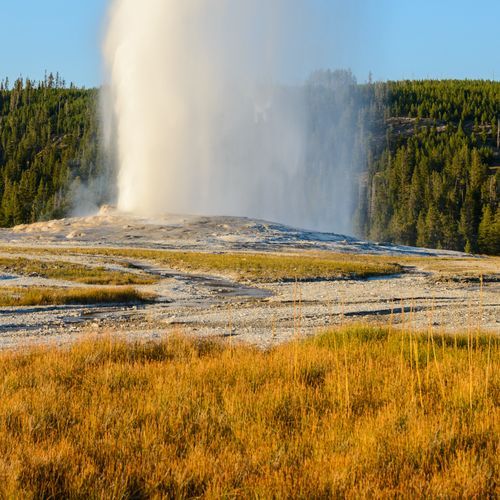
Old Faithful
Rangers forecast this geyser's eruptions reliably enough that crowds gather on the surrounding boardwalk to watch, with each eruption usually lasting three to four minutes. Of the nearly 500 geysers in the park, rangers currently predict just six, and this is one of them; its interval has grown by only about half an hour over three decades. Boardwalks wind through the Upper Geyser Basin, where hundreds more geysers and hot springs steam and bubble. The historic district, including Old Faithful Inn, preserves rustic architecture from early visitor lodging, and the Old Faithful Visitor Education Center explains the volcanic forces at work below. Trails such as Observation Point and Lone Star Geyser offer calmer vantage points, skiers and snowshoers explore the area in winter, and the warm basins give bison, coyotes and ravens a home in every season.
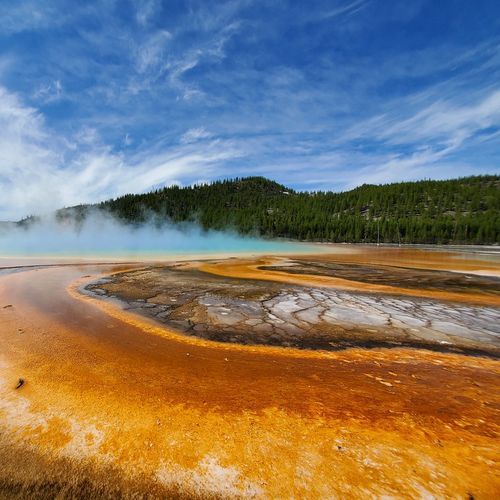
Grand Prismatic
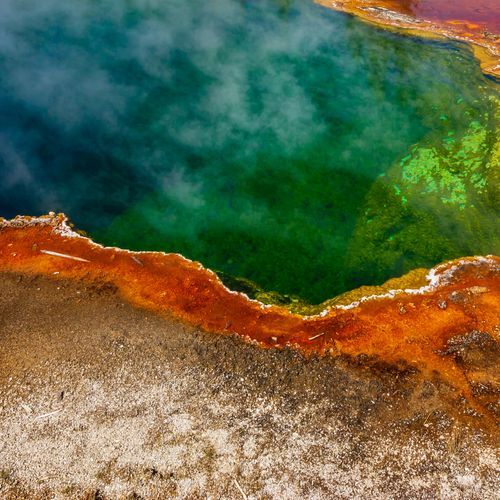
Rainbow-colored bacterial mats spread outward from a steaming azure pool at the world's largest hot spring, giving the ground a sunburst look when seen from above. The spring sits in Midway Geyser Basin, which also holds Excelsior, the world's largest geyser. Boardwalks lead past both features for a ground-level view of the steam and color. For the elevated view many photographers come for, start at the Fairy Falls Trailhead, about a mile south of the basin. The Grand Prismatic Overlook Trail is an easy hike of about 0.6 miles each way. It follows the Firehole River on flat ground, then gains roughly 105 feet to a hillside overlook above the spring and the basin. Elk sometimes graze near the water. Off-trail travel is prohibited throughout the area, including on the hills above the spring.
West Thumb
Mudpots, boiling springs and geysers crowd the edge of Yellowstone Lake here, some of them draining hot water straight into the cold lake. A short boardwalk through the West Thumb Geyser Basin passes colorful hot springs and dormant lakeshore geysers. It starts at the West Thumb Information Station, a 1925 ranger station with a ranger desk, park store and programs. The bay got its name from 1870 explorers who thought the lake looked like an outspread hand, with this bay as the thumb. The Lake Overlook Trail climbs to a meadow facing the bay and the Absaroka Mountains. Watch for bald eagles and osprey diving for cutthroat trout, along with elk, loons and ducks. Paddlers launch from Grant Village Marina. Native American hearth sites along the shore show that people once traveled, camped and gathered food here.
Norris Geyser Basin
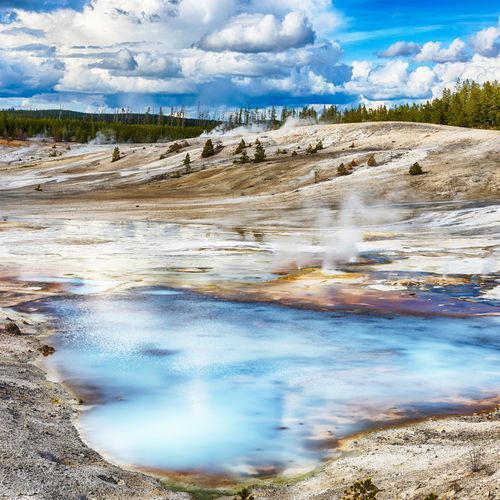
This is the park's hottest, oldest and most dynamic thermal area, sitting where major faults meet a ring fracture from an ancient caldera, so its features shift often with earthquakes and changing water levels. Most of the water is acidic, and few features stay below boiling. Boardwalks and paths cross its two areas, Porcelain Basin and Back Basin. Porcelain Basin, bare of trees, is reached by a 3/4-mile walk and offers a mix of sound, color and smell. The wooded Back Basin Trail leads to Steamboat Geyser, the world's tallest, whose unpredictable eruptions reach 300 to 400 feet. Acidic Echinus Geyser is another favorite. On the ridge above, the stone-and-log Norris Geyser Basin Museum and Information Station hosts rangers and programs. The nearby Museum of the National Park Ranger, in a restored soldier station, traces ranger history.
Mammoth Hot Springs
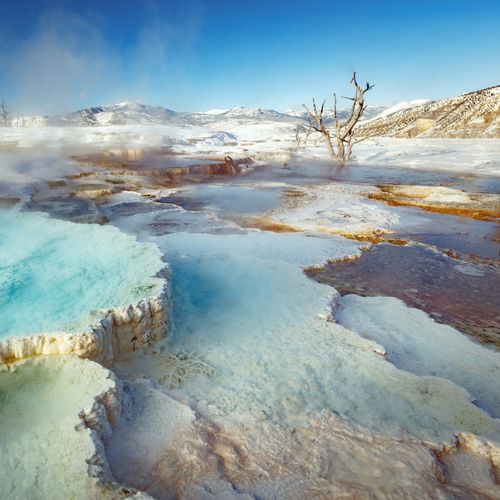
Hot water rising through ancient limestone dissolves calcium carbonate and deposits it as the white, chalky travertine terraces that step down the hillside. Travertine grows far faster than the sinter of other thermal basins, so the formations change quickly, and algae stain the warm pools brown, orange, red and green. Boardwalks pass the steaming features, and trails of varied difficulty explore the surroundings. Upper Terrace Drive, a one-mile loop, reaches Orange Spring Mound and looks over the Main Terraces, Fort Yellowstone and the Gardner River. The fort, a historic US Army post, offers a self-guiding tour on the Army's early role protecting the park, and the Roosevelt Arch belongs to the same historic district. Albright Visitor Center has wildlife exhibits, elk often graze the lawns around park headquarters, and winter brings skiing and snowshoeing on the Upper Terraces.
Madison
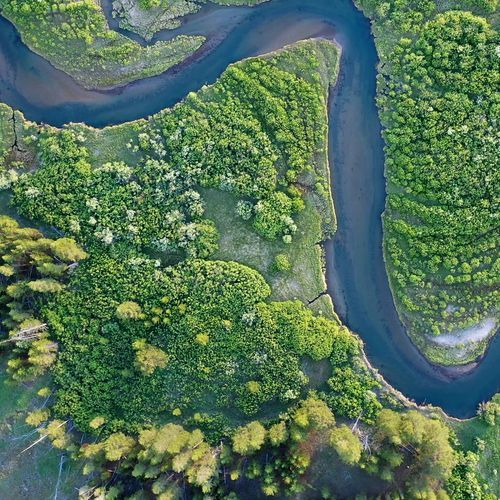
Here the Gibbon and Firehole rivers join to form the Madison River, at a junction where people have camped for at least 10,000 years, leaving obsidian flakes and campfire remnants. The National Park Mountain story claims explorers camped here in 1870 and dreamed up the national park idea, but it isn't true. Read it at the Madison Information Station and Trailside Museum, a stone and log "parkitecture" building with ranger programs and a patio view. Madison Campground, among the park's largest, sits by meadows that fill with wildflowers and bison in early summer and ring with bugling elk in autumn. The Purple Mountain Trail climbs 1,500 feet to views of the Gibbon and Madison rivers. Nearby, 84-foot Gibbon Falls spills over remnants of the caldera rim, and toward Norris, Artists Paintpots holds colorful hot springs and mud pots.
Lake Village
This lakeside village looks out over Yellowstone Lake, the biggest lake in North America sitting above 7,000 feet. Its waters plunge past 400 feet, and its shoreline runs for 141 miles. The historic Lake Yellowstone Hotel anchors the area, pairing lake vistas with a dining room, a deli and a bar. Lake Lodge Cabins offer another place to stay, and the lodge cafeteria serves casual meals. The Lake General Store adds a concession and ice cream counter, while Wylie's Canteen and gift shops round out the options. Practical services include the Lake Medical Clinic and a post office. Bridge Bay Campground lies a few miles southwest along the Grand Loop Road beside Bridge Bay Marina, and from there campers can see the Absaroka Range climbing beyond the lake's far eastern side.
Lamar Valley
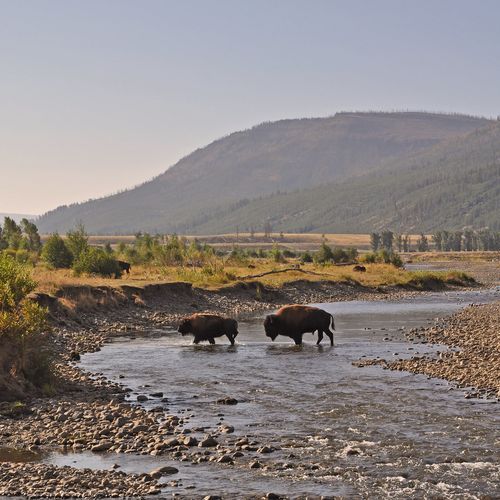
This wide valley sits off in the park's isolated northeast corner, and it has drawn wolf watchers ever since wolves were brought back in 1995. Large herds of bison and elk spend summer here, drawing wolves and grizzly bears, and black bears, pronghorn, coyotes and bighorn sheep also appear. Sightings peak in early morning and evening. Keep 100 yards from bears and wolves, 25 from other animals. The valley lies about an hour's drive from Mammoth Hot Springs, and much of the wildlife can be spotted from the road. The Lamar Buffalo Ranch, visible from the drive, recalls an early 20th-century effort to rebuild a dwindling bison herd. For a short walk, an uphill trail climbs through forest to Trout Lake. Carry bear spray and hike in a group.
Hayden Valley
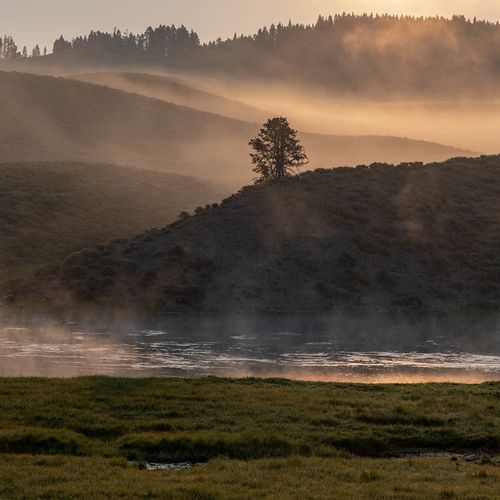
An arm of Yellowstone Lake once filled this broad valley, and the clay-rich glacial till over its old lake sediments keeps water from soaking in, leaving a marshy floor with few trees. Bison are the main draw, seen from spring through the fall rut and sometimes gathered in large herds right beside the road. Grizzly bears hunt newborn bison and elk calves in spring and early summer, and coyotes and foxes are common sights. Birders can find ducks, geese and American white pelicans floating on the river, shorebirds feeding on the Alum Creek mud flats, and bald eagles, northern harriers and sandhill cranes nearby. The road through the valley links Canyon Village and Yellowstone Lake, so it pairs easily with canyon viewpoints like Artist Point. Stay at least 100 yards from bears and 25 yards from other wildlife.
Popular Hiking Trails
All trails →
Chittenden Road - Mount Washburn Trail
Moderate5.7 mi
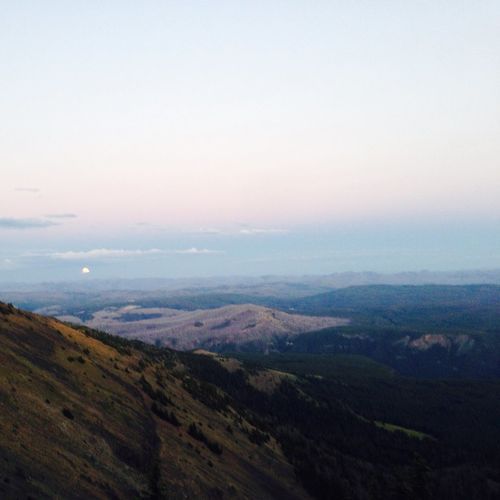
Dunraven Pass - Mount Washburn Trail
Moderate7.0 mi
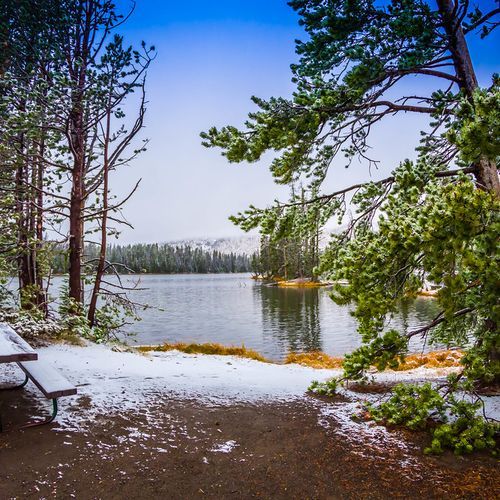
Avalanche Peak Trail
Difficult4.6 mi
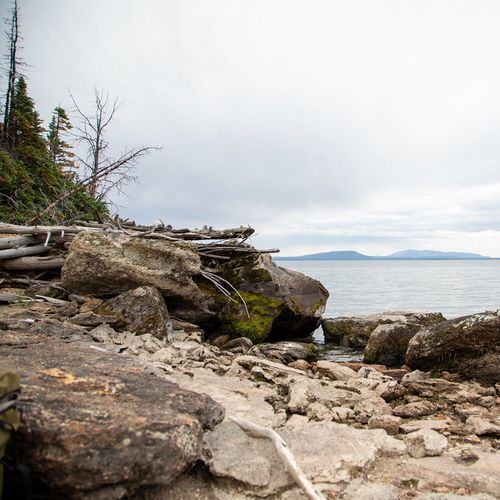
Storm Point Trail
Easy4.1 mi
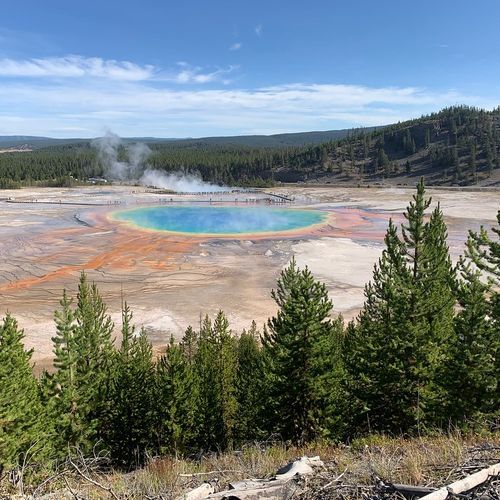
Fairy Falls Loop Trail
Moderate8.9 mi
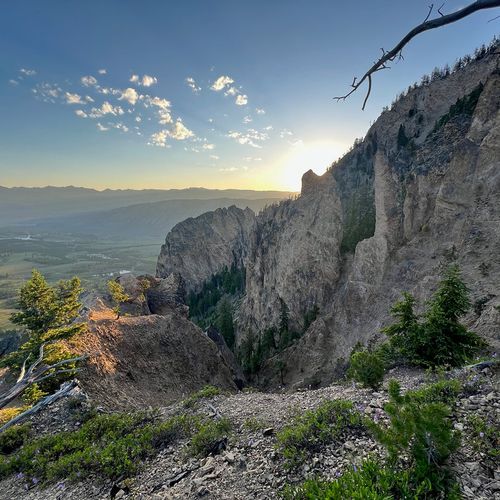
Bunsen Peak Trail
Moderate4.5 mi
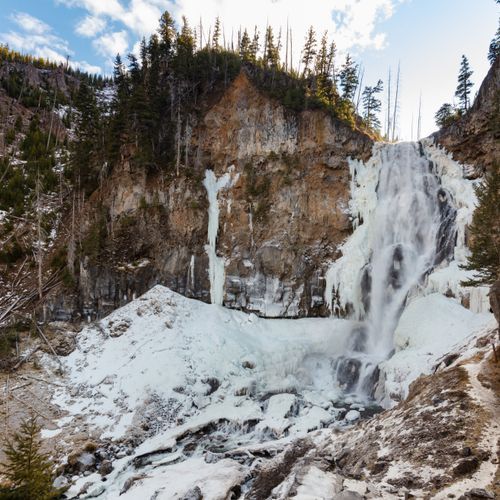
Osprey Falls Trail
Difficult9.0 mi
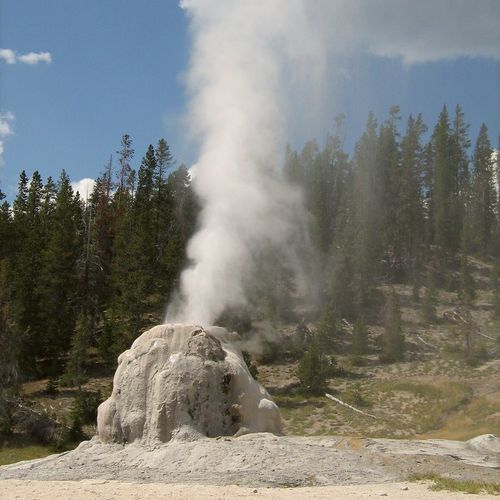
Lone Star Trail
Easy5.3 mi
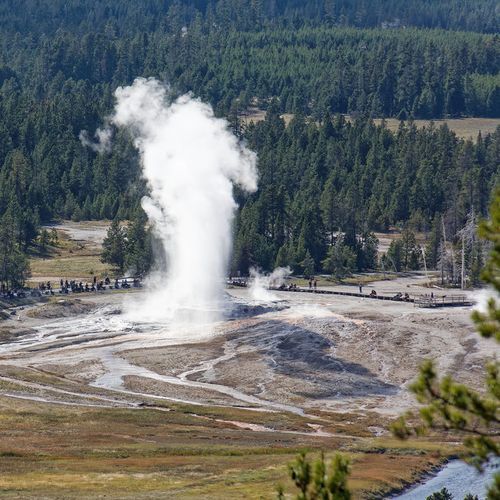
Observation Point
Moderate1.4 mi
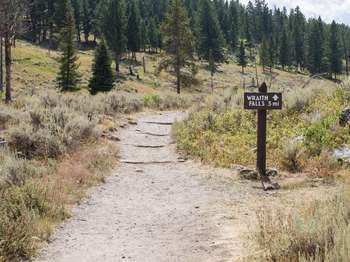
Wraith Falls trail
Easy0.8 mi
Visitor Centers
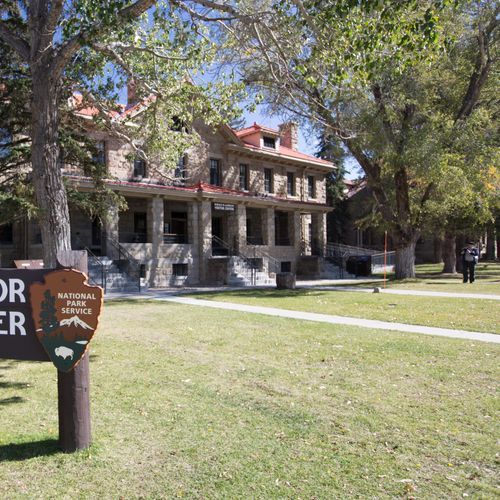
Albright Visitor Center
9:00AM - 4:30PM
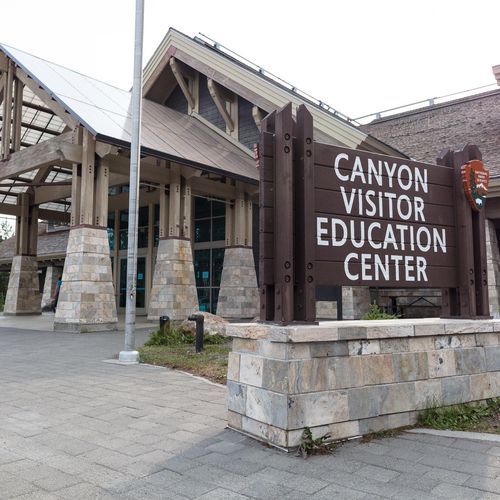
Canyon Visitor Education Center
8:00AM - 6:00PM
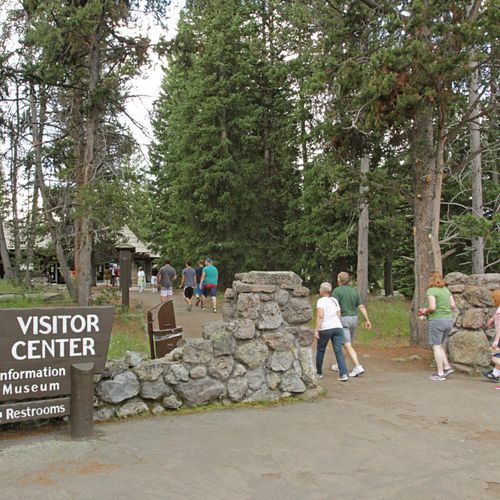
Fishing Bridge Visitor Center and Trailside Museum
8:00AM - 6:00PM
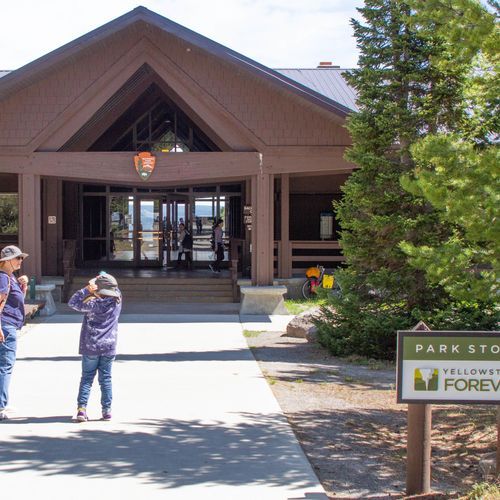
Grant Visitor Center
8:00AM - 6:00PM
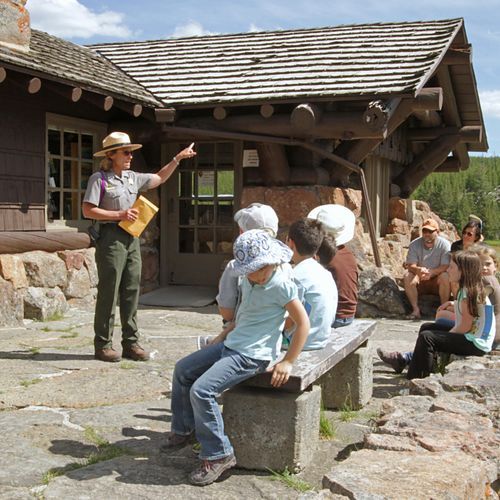
Madison Information Station and Trailside Museum
9:00AM - 4:30PM
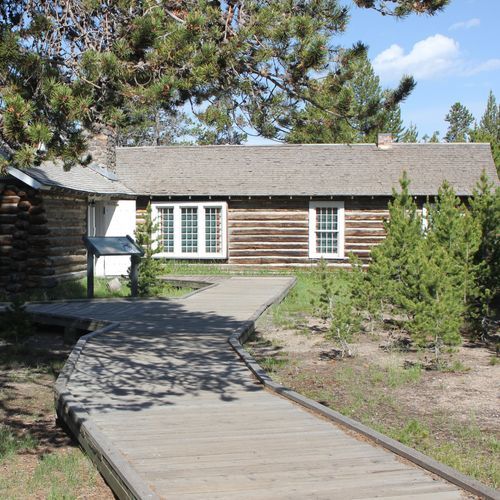
Museum of the National Park Ranger
10:00AM - 4:00PM
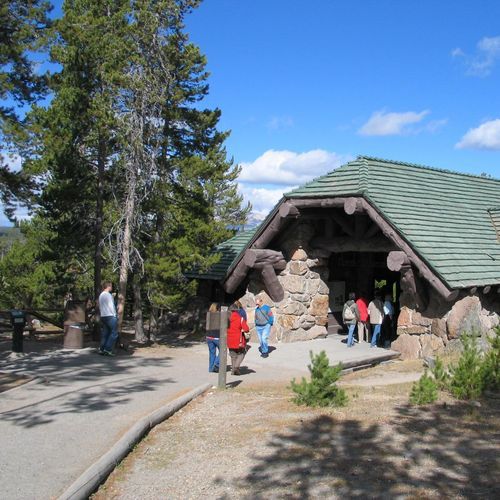
Norris Geyser Basin Museum and Information Station
9:00AM - 5:00PM
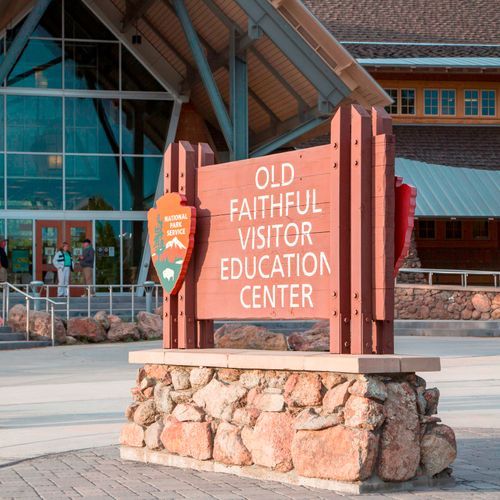
Old Faithful Visitor Education Center
8:00AM - 8:00PM
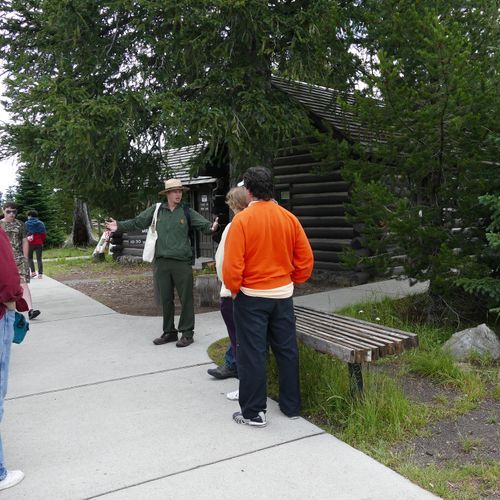
West Thumb Information Station
9:00AM - 5:00PM
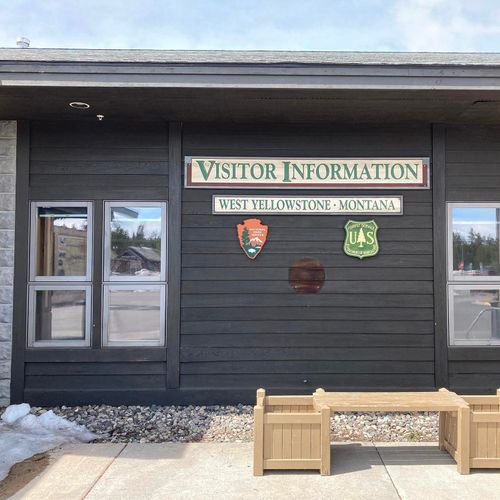
West Yellowstone Visitor Information Center (Chamber of Commerce Desk)
8:00AM - 8:00PM
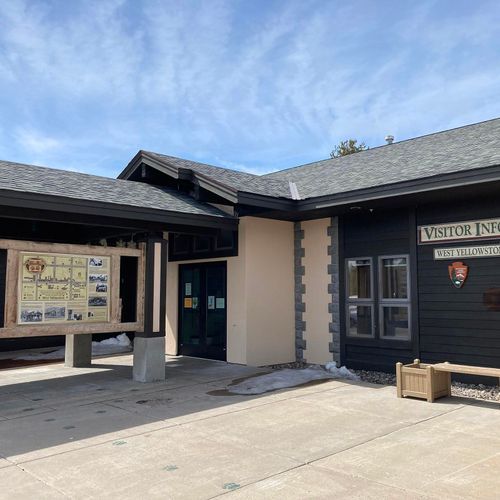
West Yellowstone Visitor Information Center (NPS Desk)
8:00AM - 8:00PM
Campgrounds
Camping guide →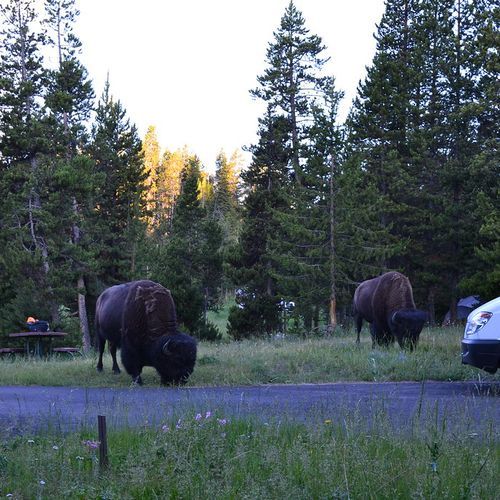
Bridge Bay Campground
Lake Village
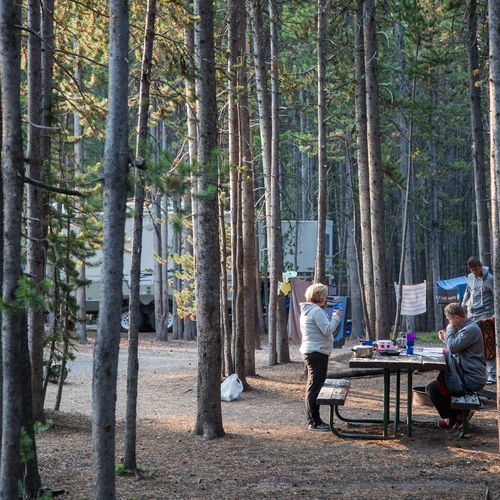
Canyon Campground
Hayden Valley
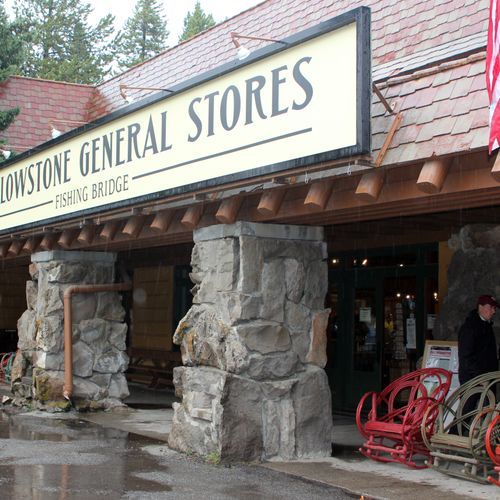
Fishing Bridge RV Park
Lake Village
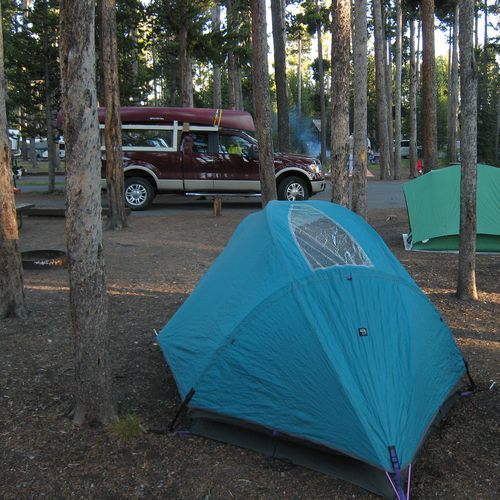
Grant Village Campground
West Thumb
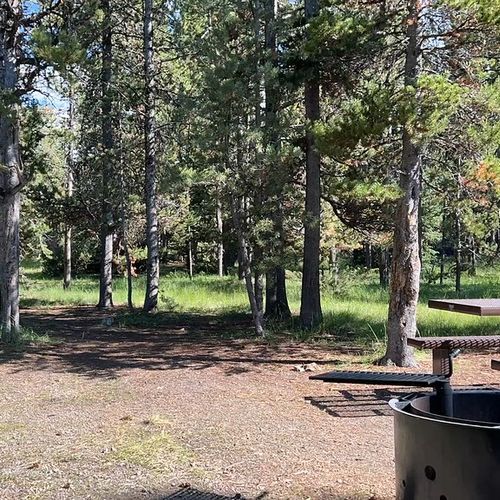
Indian Creek Campground
Mammoth Hot Springs
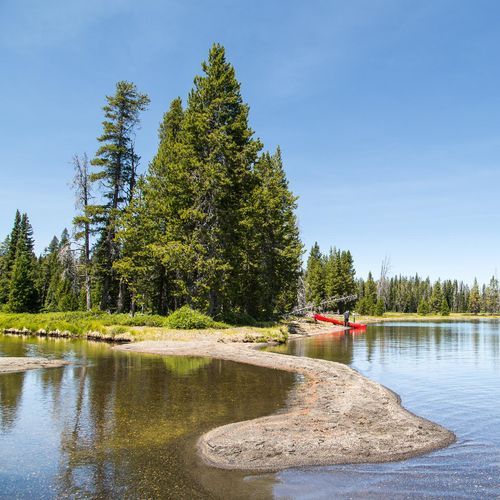
Lewis Lake Campground
West Thumb
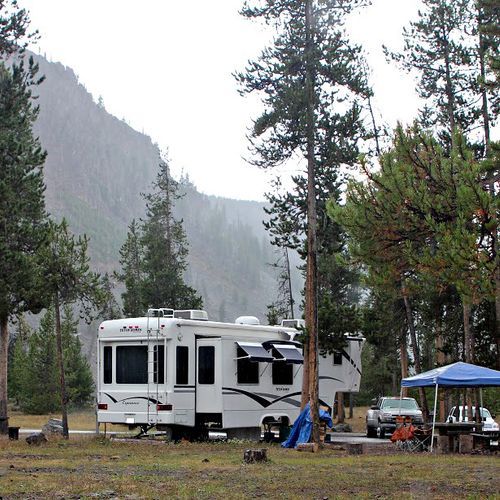
Madison Campground
Madison
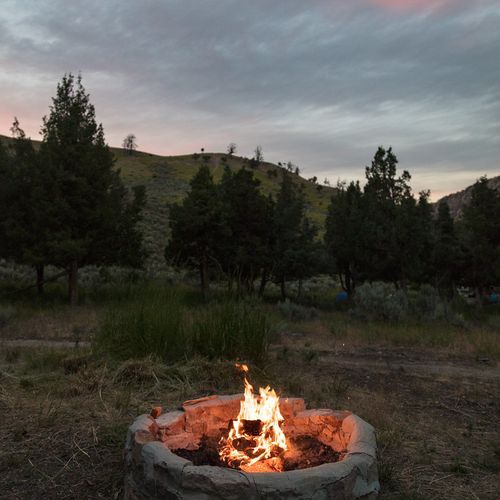
Mammoth Campground
Mammoth Hot Springs
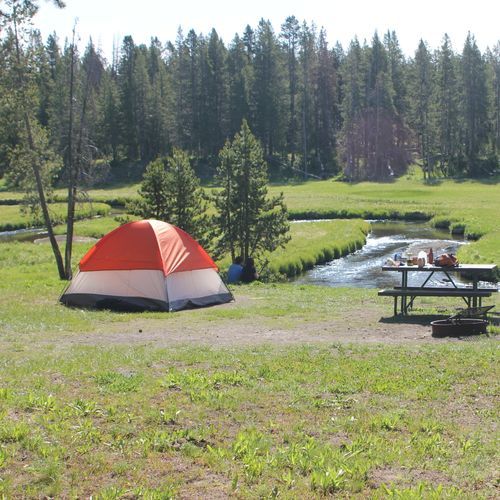
Norris Campground
Norris Geyser Basin
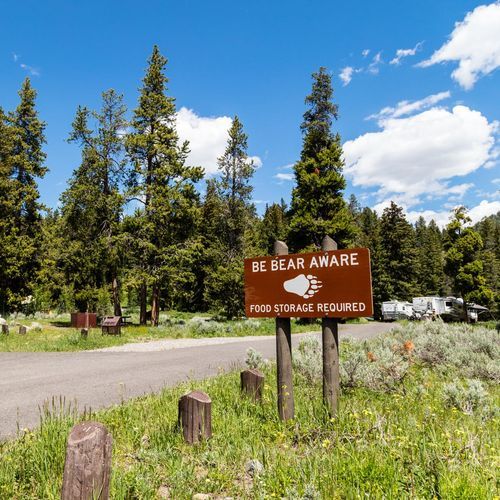
Pebble Creek Campground
Lamar Valley
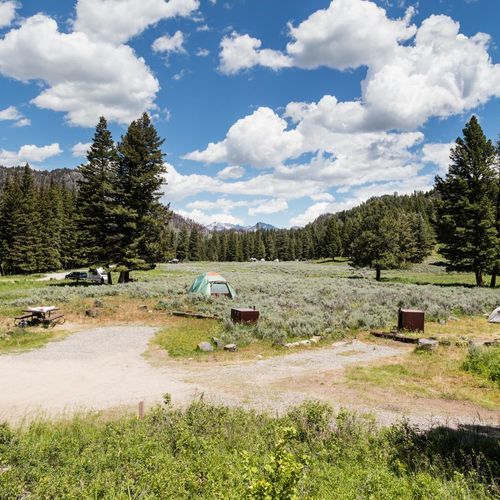
Slough Creek Campground
Lamar Valley
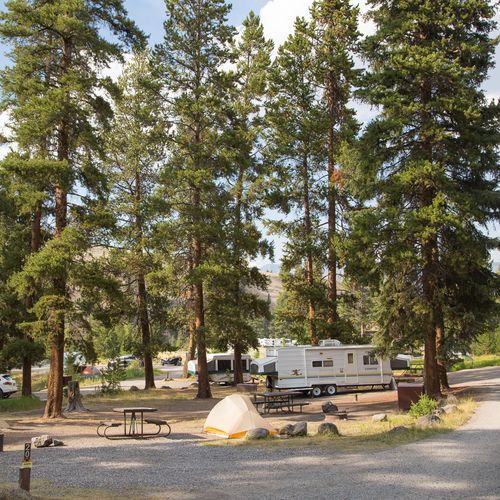
Tower Fall Campground
Lamar Valley
About the Park
Park Areas
Old Faithful is a highly predictable geothermal feature, erupting every 35 to 120 minutes, making it a favored spot for visitors. Its eruptions release thousands of gallons of boiling water, reaching heights of 90 to 185 feet, offering a reliable and impressive spectacle. Grand Prismatic Spring, the largest hot spring in the U.S., is renowned for its vibrant, prism-like colors resulting from microbial mats in its mineral-rich waters. Its expansive size and striking hues make it a standout attraction for both tourists and researchers.
West Thumb offers an intimate geothermal experience with colorful hot springs and geysers along Yellowstone Lake's shores. The boardwalks provide views of features like the Abyss Pool and Fishing Cone, contrasting thermal activity with lake vistas. Norris Geyser Basin, the hottest and most dynamic thermal area, features a variety of geysers, including Steamboat Geyser, the world's tallest active geyser. Its acidic waters and evolving landscape attract those interested in geothermal activity.
Mammoth Hot Springs is known for its unique travertine terraces formed by mineral-laden hot water, offering a distinct landscape accessible year-round. Fishing Bridge provides unique wildlife viewing opportunities where the Yellowstone River meets Yellowstone Lake, with a focus on cutthroat trout and surrounding trails for spotting grizzly bears. Madison is a serene area known for its river confluence, offering excellent fishing and wildlife watching opportunities. Lake Village offers a tranquil setting near Yellowstone Lake, with historic architecture and abundant wildlife viewing. Lamar Valley and Hayden Valley both offer exceptional wildlife viewing, with open vistas providing unobstructed views of diverse animal activity, including wolves, bison, and bears.
Park Guides
All 12 guides →Driving the Grand Loop Road's Figure-Eight
The main road through Yellowstone is shaped like the numeral eight. All five park entrances feed into this Grand Loop Road, and from it you can reach Old Faithful Geyser, Yellowstone Lake and the Grand Canyon of the Yellowstone River.
Snow in Any Month: Packing for Yellowstone
Snow can fall in Yellowstone during any month of the year, July included. Most of the park sits at 6,000 feet or higher, and that elevation makes the weather hard to predict.
Old Faithful and 10,000 Geothermal Features
Old Faithful Geyser sits in the Upper Geyser Basin and is likely the most famous geyser in the world.
Canyon Overlooks: Artist Point to the Brinks
The Grand Canyon of the Yellowstone runs roughly 20 miles, from the Upper Falls downstream to the Tower Fall area.
Mount Washburn and Avalanche Peak Day Hikes
Mount Washburn rises to 10,219 feet a few miles north of Canyon Village and is one of Yellowstone's most popular day hikes.
