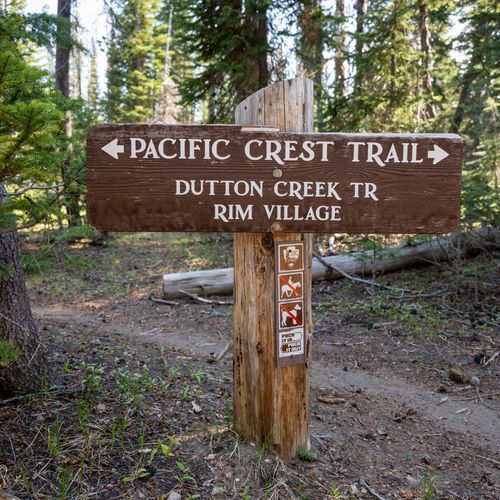
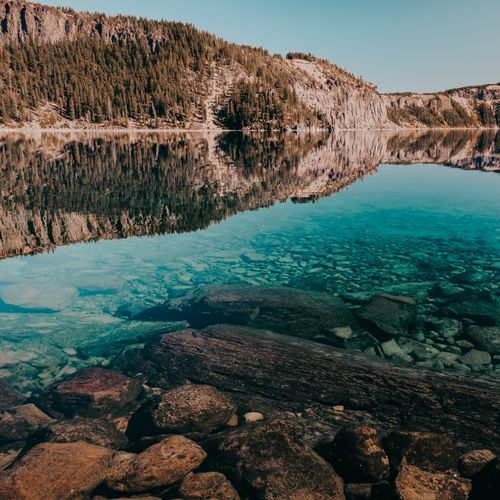
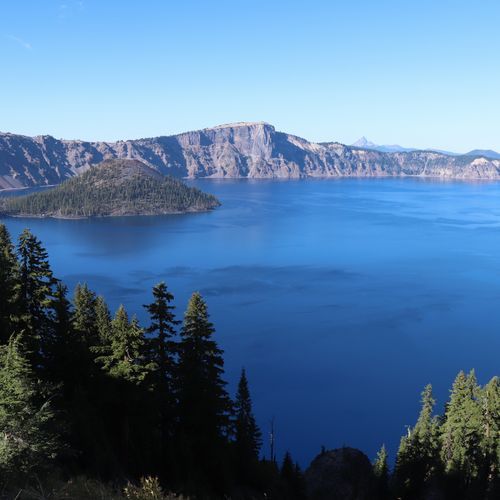
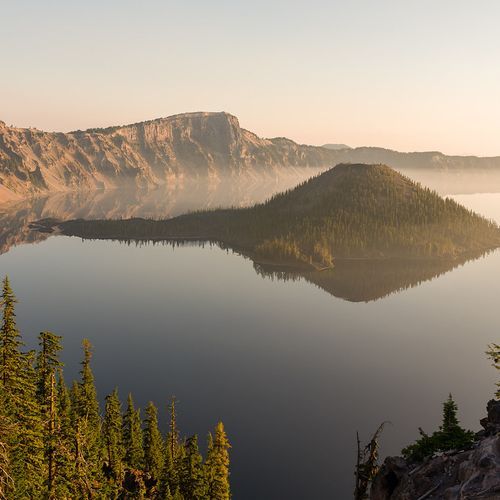
Crater Lake National Park is easiest to understand in four distinct areas, each offering a different way into the same volcanic landscape. Rim Village is the park’s front porch and, for many visitors, the emotional starting point: historic buildings, immediate lake views, and easy access to classic overlooks make it the best first stop for orientation and atmosphere. From there, the park unfolds along Rim Drive, the essential scenic circuit around the caldera. This is where Crater Lake becomes a sequence of changing perspectives rather than a single viewpoint—broad panoramas, dramatic overlooks, trailheads, picnic spots, and the constant play of light on the lake’s famously deep blue water. Visitors who want the iconic Crater Lake experience should think of these two areas together: begin at Rim Village, then use Rim Drive to build out the full visual story of the lake.
Beyond the rim, Munson Valley offers the park’s more grounded, forested side. This is where visitors connect with arrival logistics, services, and a quieter sense of the surrounding mountain landscape. It feels less like a grand reveal and more like the park settling into itself—good for travelers who want to slow down, camp, or spend time in the woods rather than chase overlooks. The fourth area is the broader network of highway pullouts, peaks, meadows, and outlying viewpoints reached from the park roads, especially along Highway 62 and key spurs. These places widen the experience beyond the crater itself, bringing in wildflowers, geologic context, dark skies, and summit perspectives that remind you Crater Lake is not just a lake, but the shattered crown of Mount Mazama. The smartest way to explore is to balance all four: use Rim Village for orientation, Rim Drive for the headline scenery, Munson Valley for a fuller sense of place, and the outlying viewpoints and trails for depth, solitude, and discovery.