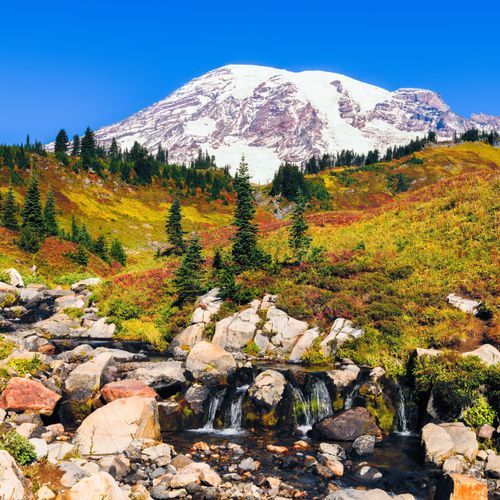
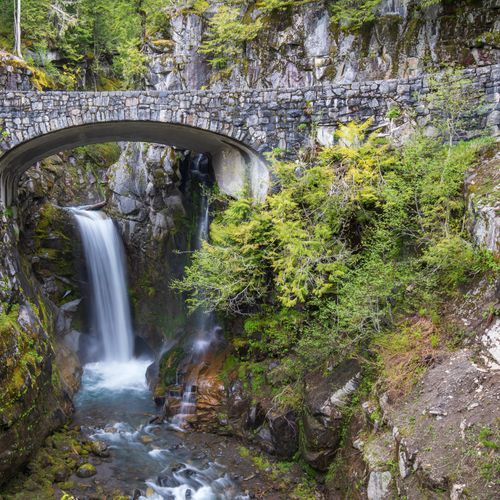
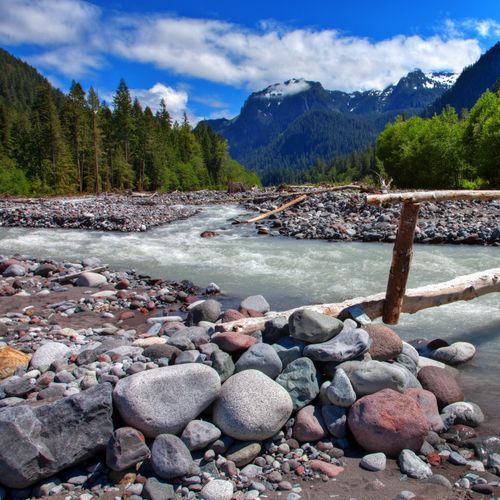
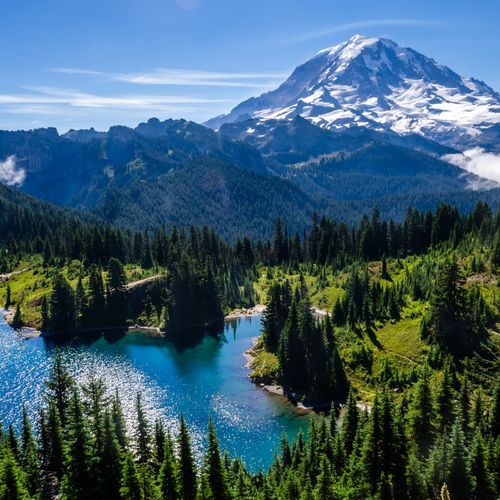
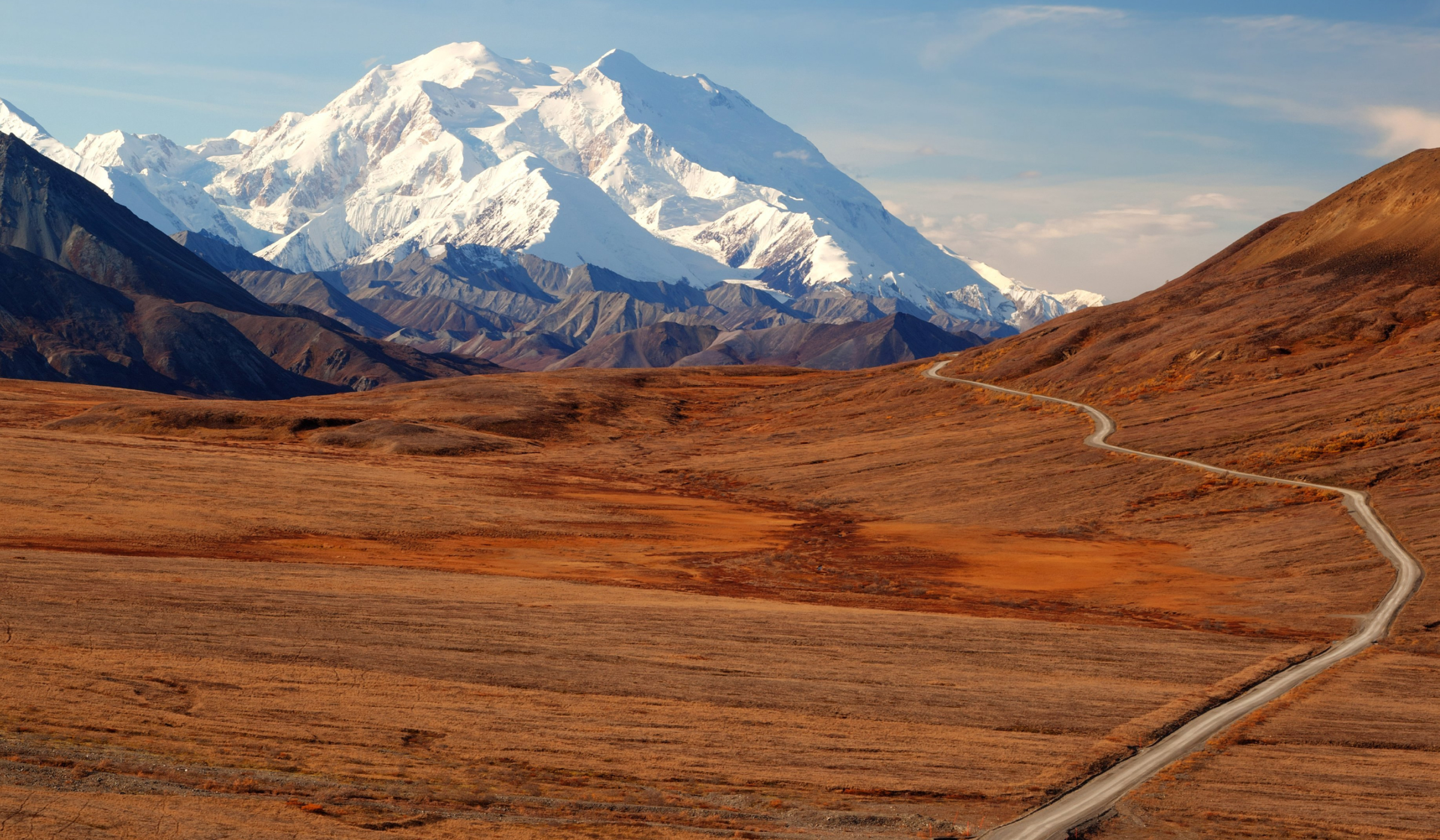
Mount Rainier National Park is best understood not as a single destination, but as a ring of distinct mountain districts wrapped around one dominant peak. Each area offers a different angle on the volcano, a different elevation band, and a different mood. Longmire, in the southwest, is the park’s historic front porch: lower-elevation forest, old park architecture, and easier year-round access make it the right starting point for first-time visitors and anyone who wants to understand the park’s early character. Just above it, Paradise is the classic Mount Rainier experience and the park’s most famous landscape, with broad subalpine meadows, dramatic glacier views, and some of the most immediate high-country scenery in the system. This is where visitors come for iconic vistas and peak summer wildflowers, but also where they should expect the biggest crowds.
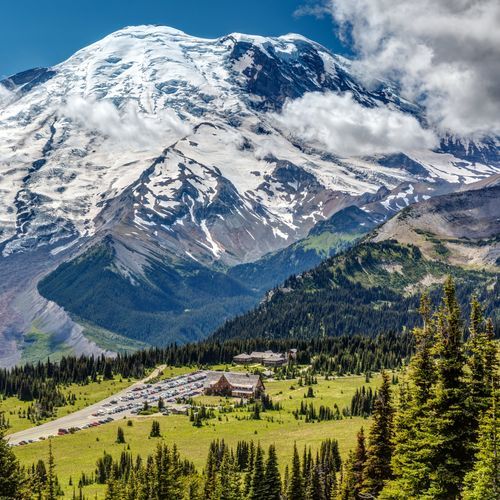
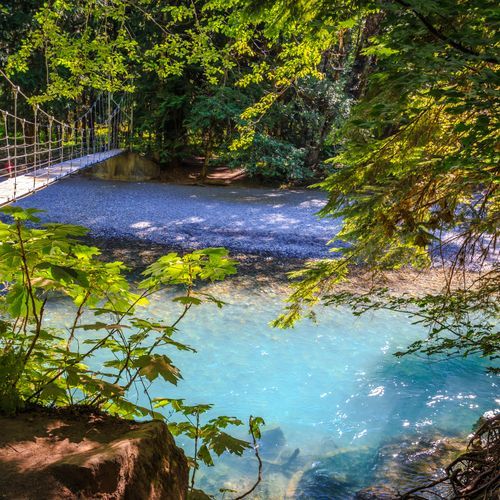
On the northeast side, Sunrise feels higher, drier, and more expansive, with a more alpine character and sweeping views across ridges and into the Emmons Glacier country. If Paradise is lush and theatrical, Sunrise is open and panoramic; strong hikers and returning visitors often prefer it for bigger skyline walking and a slightly less congested feel. Nearby, White River serves as a gateway to the east side and to classic trail access into the mountain’s wilder interior. In the southeast, Ohanapecosh is the park’s deep-forest district, known for old-growth trees, river corridors, and a cooler, quieter atmosphere that appeals to campers, families, and anyone looking for a calmer counterpoint to the big-view destinations. This is the area to choose when you want immersion in the park’s forest ecosystem rather than immediate alpine drama.
Then there is the northwest corner, Carbon River and Mowich, the park’s most rugged and least polished region. This is Mount Rainier at its rawest: dense forest, powerful river valleys, fewer amenities, and access to some of the park’s wildest terrain, including the glacier country on the mountain’s north side. Visitors should think about the park strategically. Don’t try to “do Rainier” in one stop; choose areas by interest and season. Paradise and Sunrise are for headline scenery and high-country hiking, Longmire and Ohanapecosh for history and forest immersion, and Carbon River/Mowich for solitude and a more adventurous edge. The more you treat Mount Rainier as a collection of regions rather than a single viewpoint, the richer the park becomes.