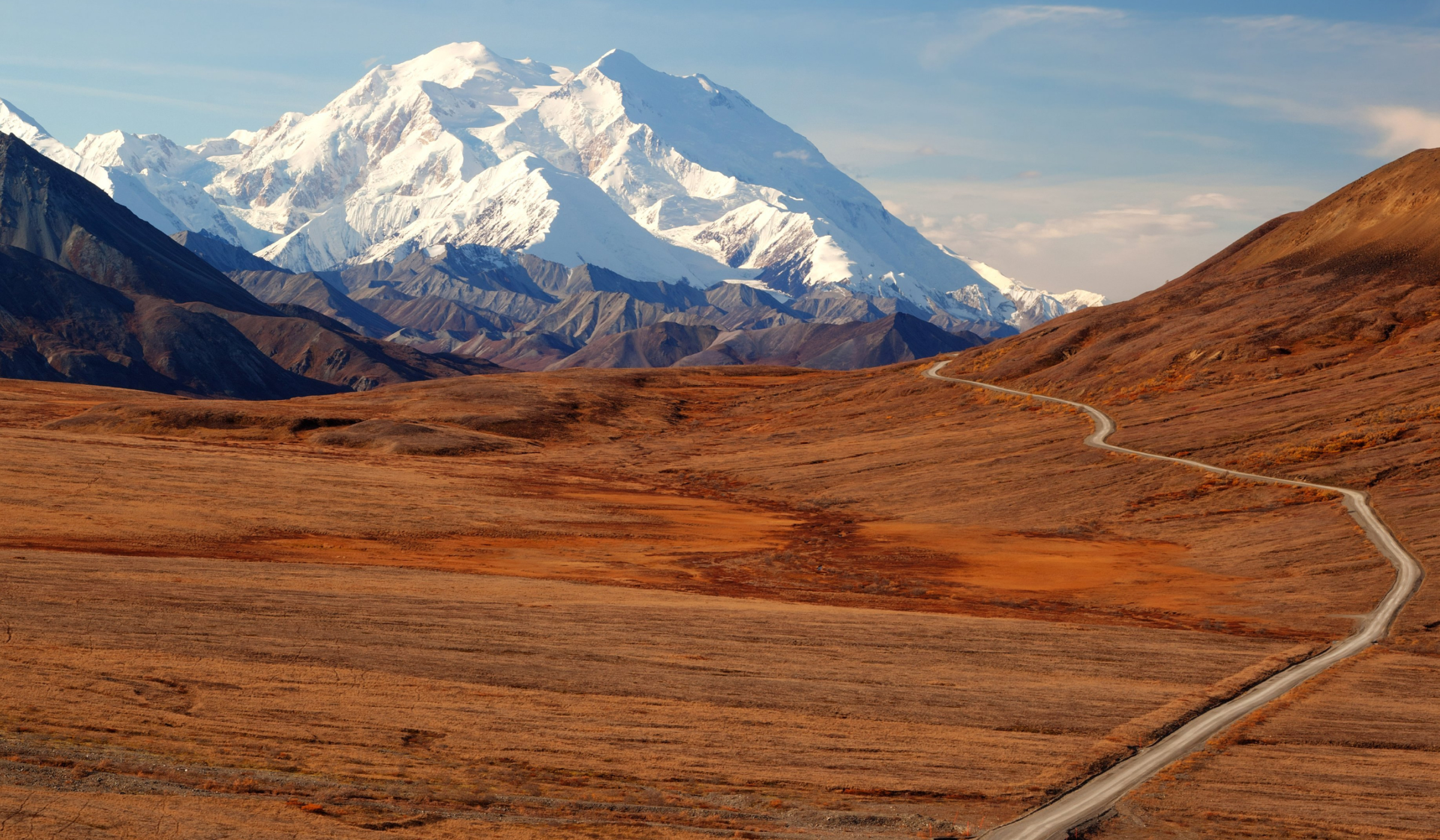
Planning Your Visit to Mount Rainier National Park
Mount Rainier is at its best in summer and early fall, when the park’s roads are typically open, trails are more likely to be snow-free, and the mountain’s famous wildflower meadows reach their peak. July through September is the prime window, with early August delivering the classic Rainier experience: broad alpine color, warmer temperatures, and the clearest access to signature areas like Paradise and Sunrise. Spring and fall can be beautiful in a quieter, moodier way, but expect damp, chilly weather and more limited access as conditions shift. Winter transforms the park into a snow-heavy landscape, with vehicle access far more restricted and many areas effectively out of reach for casual sightseeing. Most visitors arrive by car, and that is by far the easiest way to explore the park. Mount Rainier sits within easy reach of Seattle, Tacoma, Yakima, and even Portland, making it a realistic long weekend destination as well as a longer mountain escape. The park is open year-round, but first-time visitors should plan carefully around seasonal road openings and summer congestion. On busy July and August weekends, entrance lines can stretch well beyond an hour, especially at Nisqually, and parking fills quickly at the most popular trailheads and viewpoints. Arriving before 10 a.m. or later in the afternoon, and favoring a midweek visit, makes the experience markedly smoother. An entrance fee is required, so budget for standard national park admission unless you already carry an annual pass. For a first visit, give yourself at least two to three days if possible. Rainier’s weather is famously changeable, shaped by both elevation and Pacific moisture, so pack for more than the forecast suggests: waterproof layers, a warm jacket, sun protection, and plenty of water should all be considered essential. Keep a close eye on road, trail, and facility conditions before you go, because access can change quickly with weather and snow. Most important, respect the mountain. This is not a casual backdrop but a powerful alpine environment, with steep terrain, fast-changing conditions, and real hazards for unprepared hikers. Stay on established trails, give wildlife plenty of space, and resist the temptation to push beyond your experience level.
Best time to visit
Summer through early fall is the sweet spot for Mount Rainier, especially July through September, when roads are typically open, trails are more likely to be snow-free, and weather is warmest and driest. For peak wildflowers, aim for late July to early August. Spring and fall can be beautiful and less crowded, but expect damp, chilly conditions and more variable access. Winter visits are possible, but deep snow dramatically limits where you can drive and hike.
Getting there and transportation
Mount Rainier National Park sits in west-central Washington and is most easily reached by car from Seattle, Tacoma, Yakima, or Portland. Most visitors enter through the Nisqually Entrance; if you are using GPS for that gate, use 39000 State Route 706 E, Ashford, WA 98304. Parking fills quickly in summer, so arrive before 10:00 am or after 2:30 pm when possible, and expect the longest entry delays on weekends and holidays.
Where to stay
For in-park lodging, the main options are Paradise Inn, National Park Inn at Longmire, and Sunrise Day Lodge, all of which should be booked as far ahead as possible for summer. Campers should also reserve early where reservations are offered, because prime dates fill fast. If park lodging is full, staying in gateway communities such as Ashford can be a practical backup that keeps you close to the Nisqually Entrance.
What to pack and prepare
Pack for rapid weather changes even in summer: bring a waterproof layer, a warm jacket, sun protection, and plenty of water. Sturdy footwear is essential because many trails can be wet, rocky, or snowy well into the season. Check current road, trail, and facility conditions before you go, and build flexibility into your itinerary in case weather shifts or an area is still closed.
Safety and regulations
Mount Rainier is a powerful mountain environment, and visitors should treat it with respect. Stay on designated trails, keep a wide distance from wildlife, never feed animals, and do not venture onto glaciers or snowfields without the right skills and equipment. Weather, rockfall, flooding, and geologic hazards can change conditions quickly, so if you hear rumbling or see water rising near valleys or streams, move to higher ground immediately.
Accessibility information
Accessibility varies by area, season, and snow conditions, so it is smart to confirm the status of roads, visitor facilities, and major viewpoints before arrival. The most practical approach is to focus on developed areas such as Paradise and Longmire, where services and easier access are generally more available than in backcountry zones. If accessibility needs are a priority, visit during the main summer season when the widest range of park roads and facilities is typically open.
Tips for first-time visitors
Give yourself at least two to three days if you can, since the park’s major areas are spread out and weather can obscure views on any given day. First-timers do best by choosing one main region per day, with Paradise and Sunrise usually offering the strongest introduction to the park. Visit midweek for lighter crowds, start early, and keep expectations flexible because Mount Rainier rewards patience as much as planning.
Start planning your trip with personalized itineraries in the Parka app
Download Parka — It's FreeStart planning your Mount Rainier National Park trip
Free on the App Store