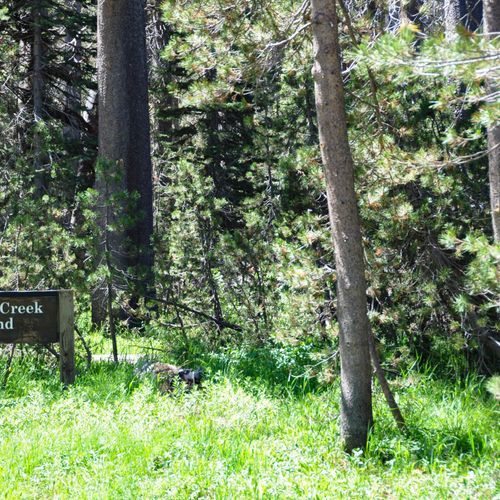
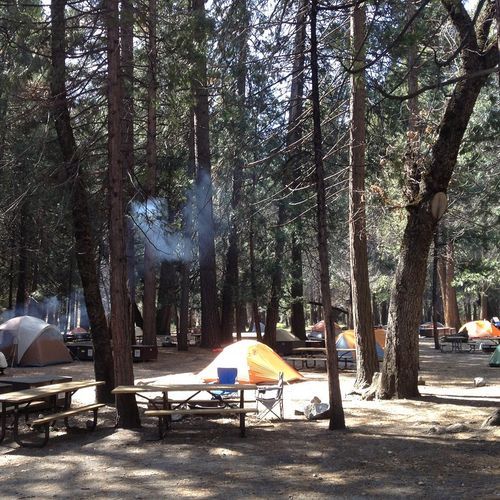
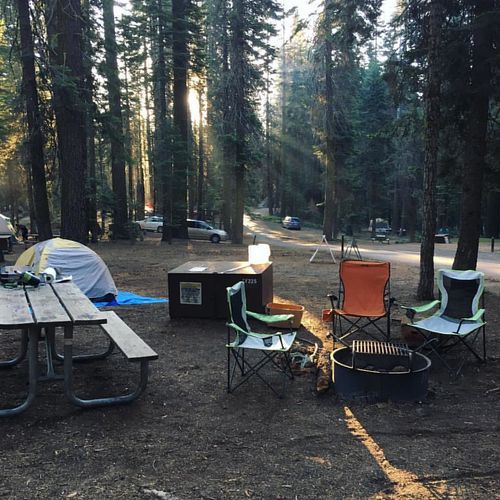
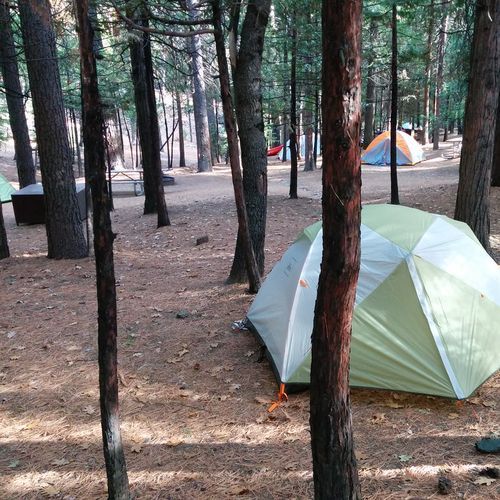
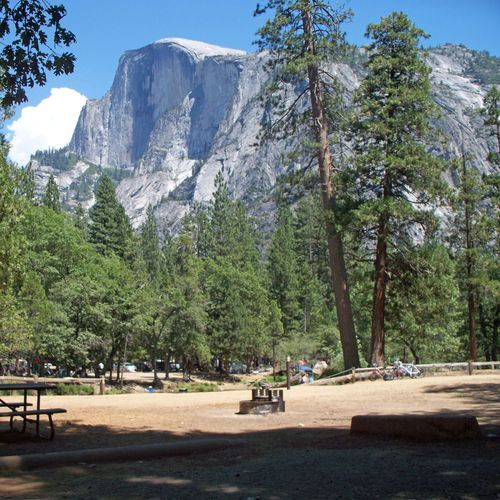
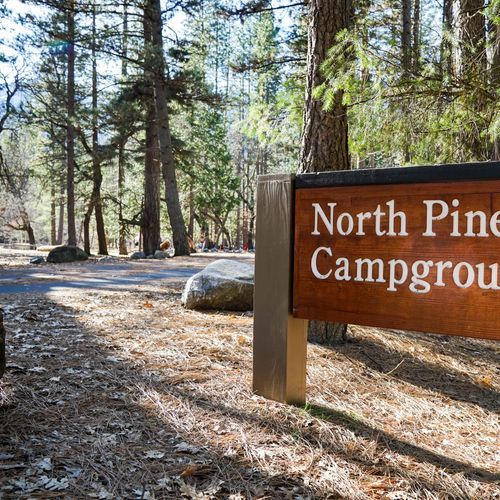
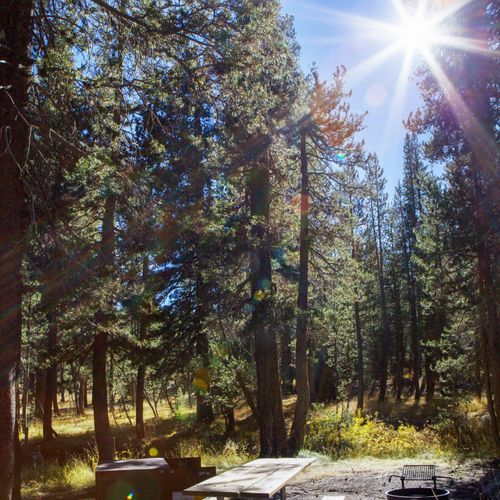
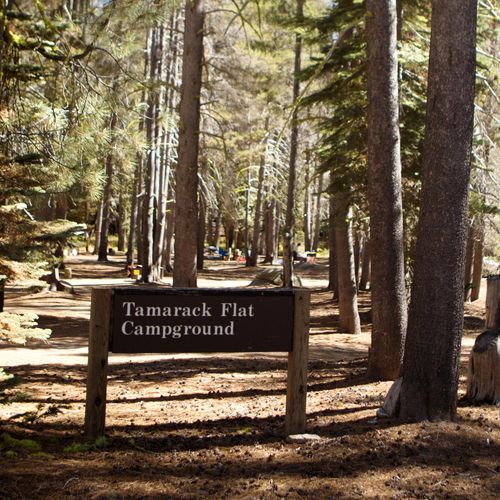
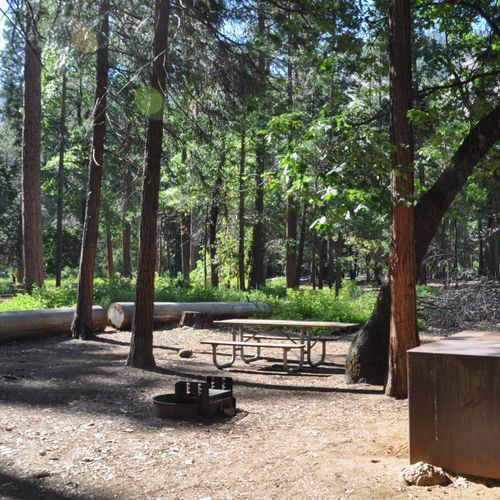
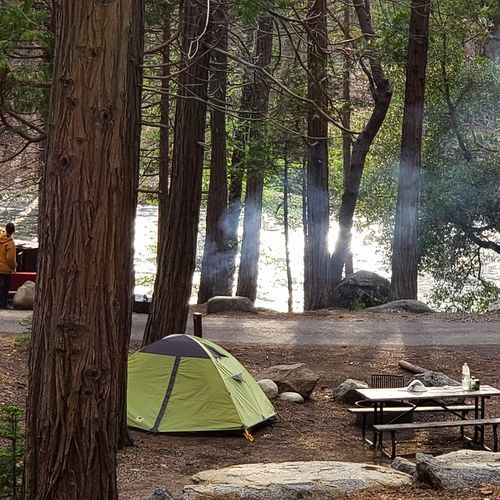
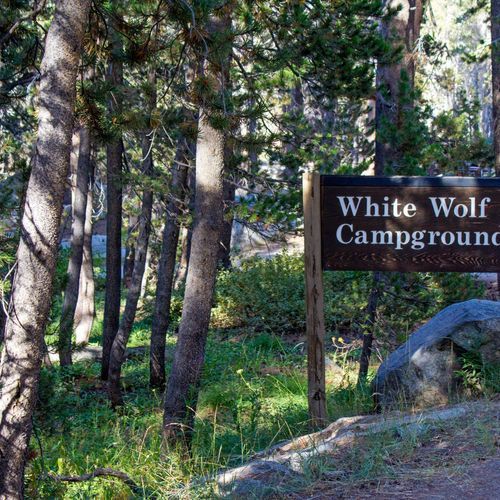
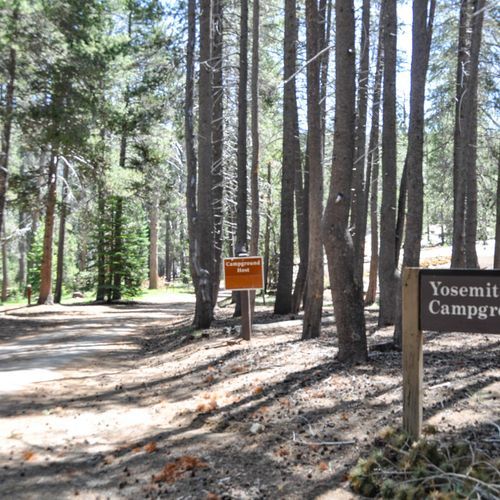
Yosemite’s 14 campgrounds span everything from granite-walled stays in Yosemite Valley to quiet, high-country sites along Tioga Road when it’s open. In the Valley, Upper Pines, Lower Pines, and North Pines put you steps from trailheads and iconic views, while legendary walk-in Camp 4 channels the park’s climbing heritage. Beyond the Valley, Wawona and Hodgdon Meadow offer forested family bases near gateway entrances, and the Tuolumne Meadows area delivers cooler temperatures, big skies, and meandering rivers at subalpine elevations. Amenities vary widely: developed campgrounds typically provide picnic tables, fire rings, bear lockers, and restrooms, while more primitive options like Tamarack Flat, Porcupine Flat, and Yosemite Creek are rugged and seasonal, often with pit toilets and no potable water. For permitted backpackers, simple walk-in backpacker camps near Yosemite Valley and Tuolumne Meadows accommodate a night before and after a wilderness trip.
Camping here is about immersion—star-studded skies, birdsong at dawn, and the hush of pine forests broken by the Merced River’s rush—tempered by rules that protect wildlife and your food. Bear-safe storage is mandatory, and rangers enforce it. There are no RV hookups in Yosemite campgrounds, and services are deliberately limited; plan to be self-contained. Showers are not available in campgrounds themselves, with pay showers offered in Curry Village and seasonally at Tuolumne Meadows Lodge. Expect big elevation-driven temperature swings, especially in the high country, and be ready for seasonal fire restrictions that may limit campfires to designated rings or prohibit them entirely.
Plan early. From roughly April through October, nearly all campsites require reservations and they book out fast. Secure sites on Recreation.gov or by phone at , and be online before the on-sale time with flexible dates and multiple campground choices. Midweek and shoulder seasons help, as does monitoring for cancellations. In late fall through early spring, a handful of campgrounds may switch to first-come, first-served; arrive early to improve your odds. Sleeping in vehicles is only allowed within a campsite you’ve reserved and occupied. Pack water containers if you’re eyeing primitive campgrounds, store every crumb in bear lockers, carry layers for cool nights, and check current road conditions—high-country campgrounds open and close with the snow.