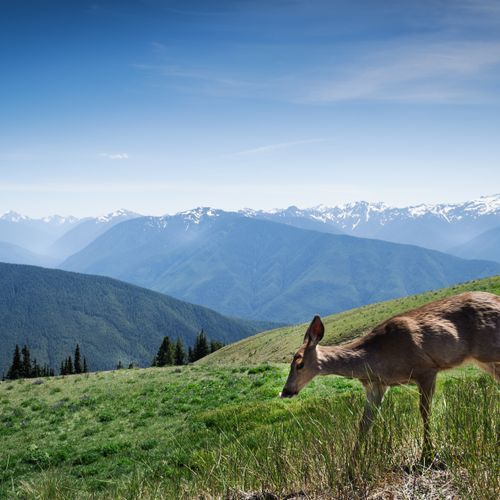
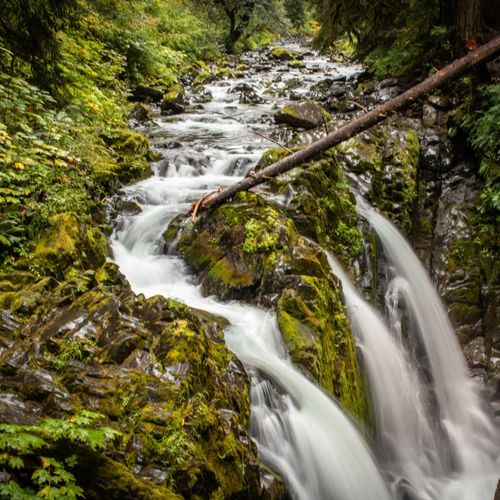
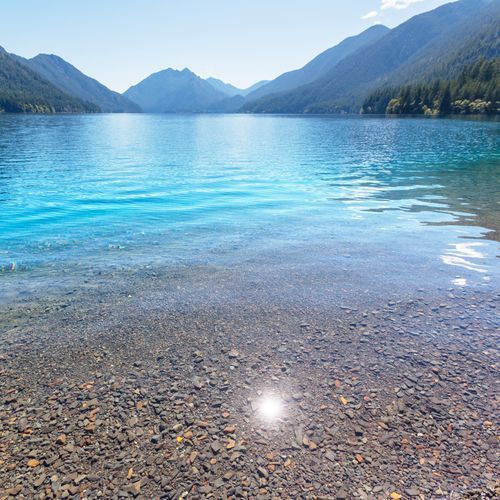
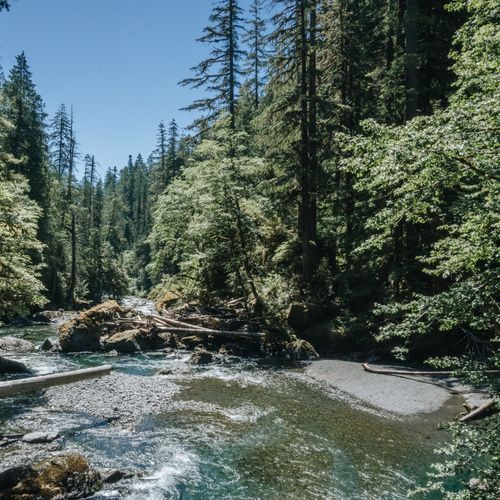
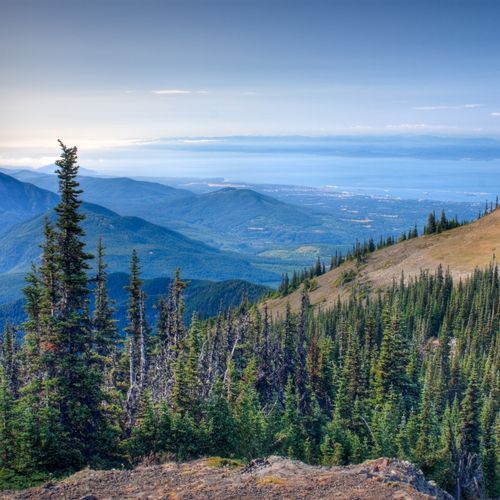
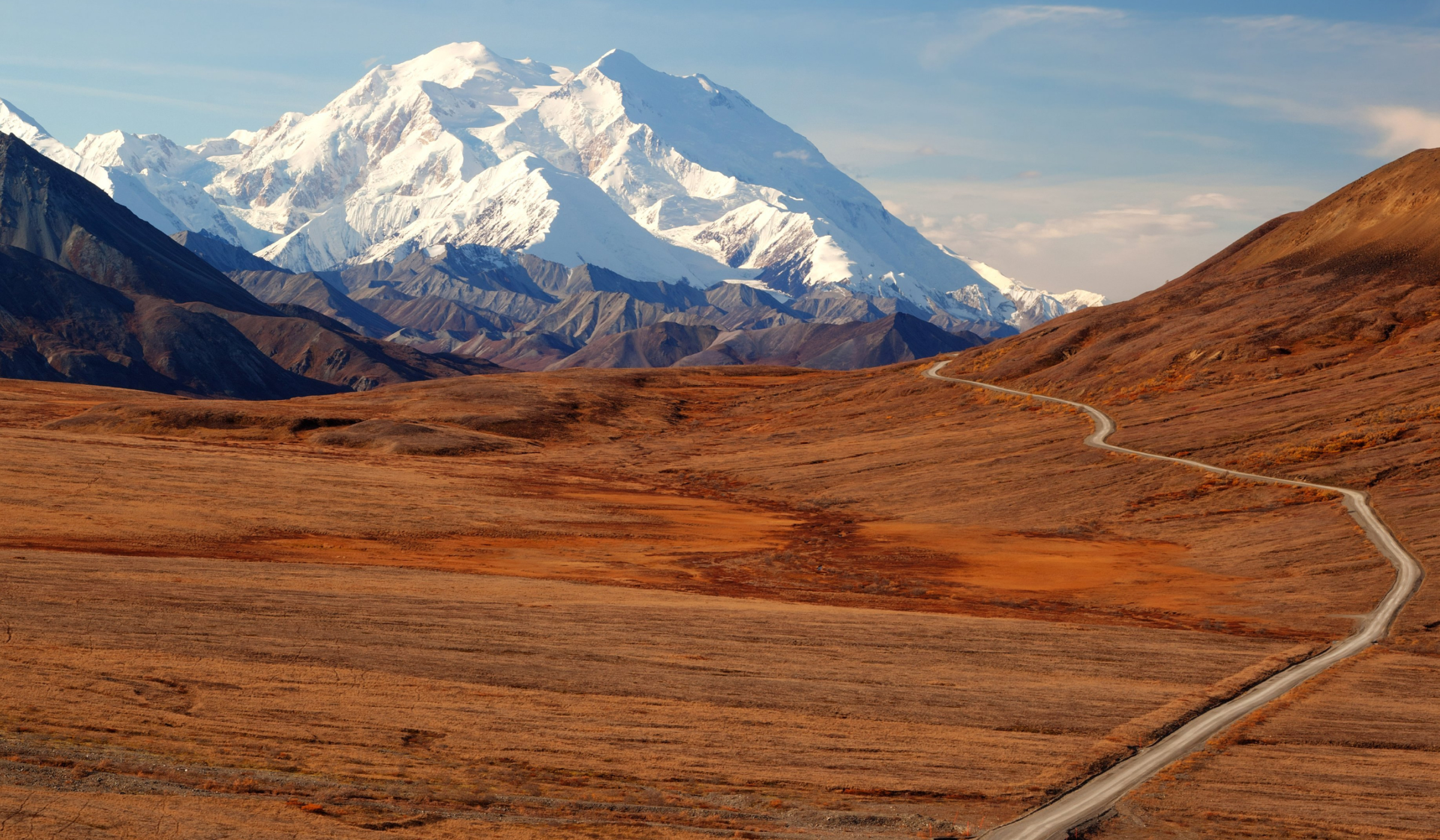
Olympic National Park is best understood not as one destination, but as a collection of dramatically different landscapes spread across the Olympic Peninsula. The mountain core is the park’s visual anchor: Hurricane Ridge delivers the easiest high-country access, with big alpine views, snow season appeal, and a classic first stop for visitors based near Port Angeles. Beyond the ridge, the Elwha, Sol Duc, and Staircase areas open the door to deep river valleys, forested trail systems, waterfalls, hot springs, and longer wilderness adventures into the park’s immense roadless interior. Lake Crescent offers a gentler, scenic counterpoint, pairing sapphire water with easy shoreline stops and standout day hikes, while the remote Ozette area feels wilder and more self-contained, known for its lake, coastal access, and a more rugged, less hurried rhythm.
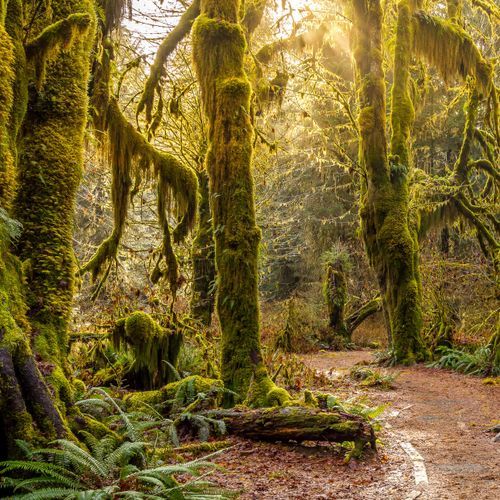
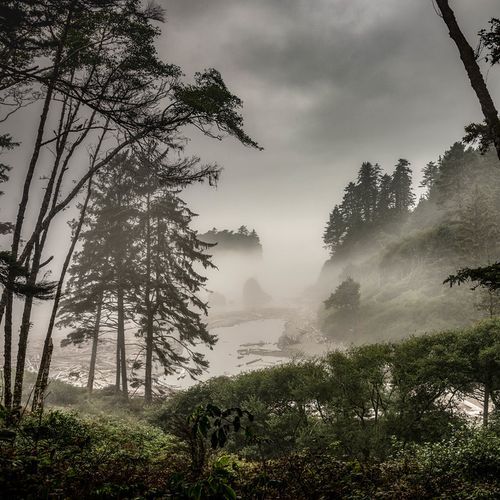
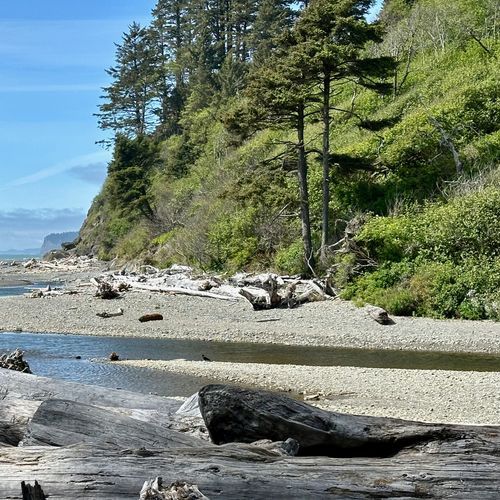
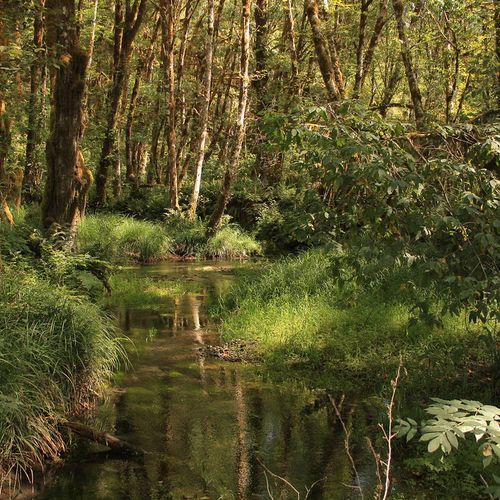
The west and southwest sides of the park showcase Olympic’s rainforest identity. Hoh Rain Forest is the most famous, with its moss-draped old growth and easy trails that make the park’s lushness instantly legible to first-time visitors. Quinault offers a broader, more layered experience, mixing rainforest, lake scenery, valley drives, and trailheads that lead toward both quiet lowlands and alpine country. The Queets area is the most remote expression of this ecosystem, appealing to travelers who want fewer people, rougher edges, and a stronger sense of true wilderness. Then there is the coast, where Kalaloch and Mora reveal yet another Olympic entirely: broad beaches, sea stacks, driftwood, tide pools, and a raw Pacific atmosphere. Kalaloch is the easier coastal base for iconic beach walks and sunset views, while Mora gives access to the park’s northern coast, including the Lake Crescent-to-Forks corridor and beaches like Rialto, making it ideal for visitors who want to combine forest, coast, and short hikes in a single day.
The smartest way to explore Olympic is to stop trying to “see it all” at once. Distances are long, roads do not cross the park’s mountainous center, and each area feels like its own trip. Think in clusters: Hurricane Ridge, Lake Crescent, and Sol Duc work well together from the north; Hoh, Mora, and Kalaloch make a strong west-side loop; Quinault and Queets belong to a quieter southern or southwestern itinerary; Staircase stands apart as the southeast gateway. Visitors with one day should choose one region and go deep. With two or three days, combine mountains, rainforest, and coast for the full Olympic effect. With more time, add one of the park’s less-visited valleys or a wilderness hike, because Olympic’s greatest distinction is not just its variety, but the feeling that every corner reveals a different national park altogether.