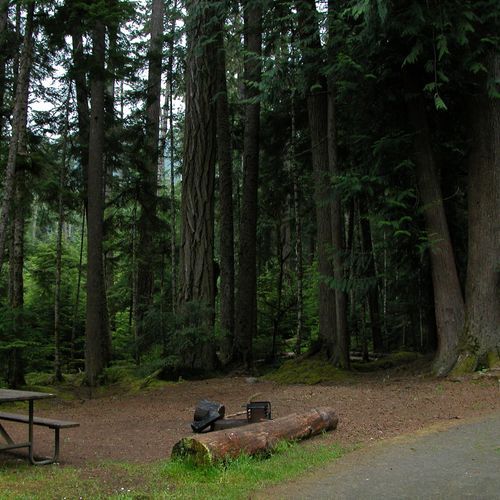
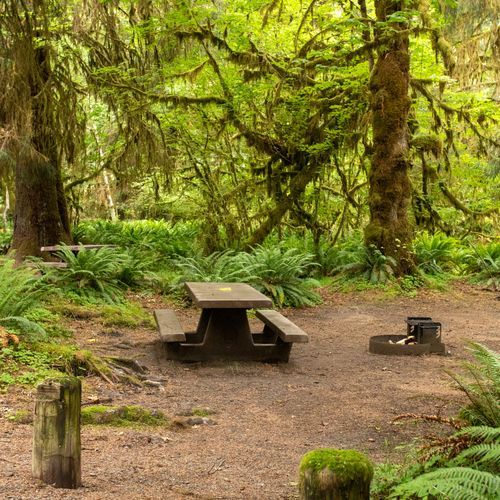
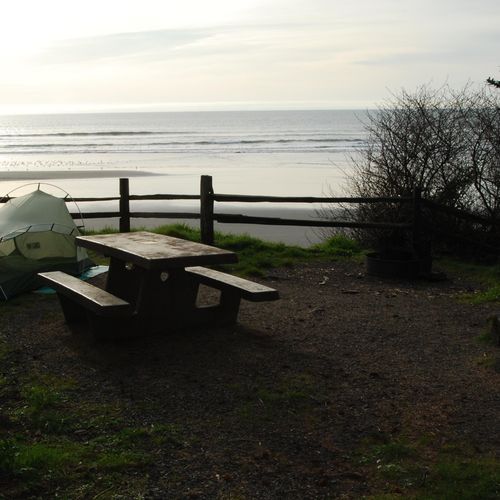
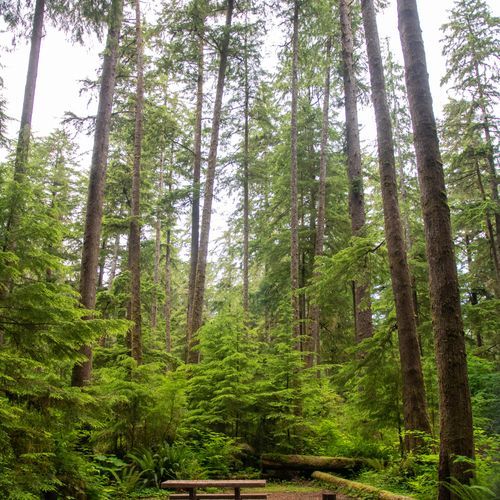
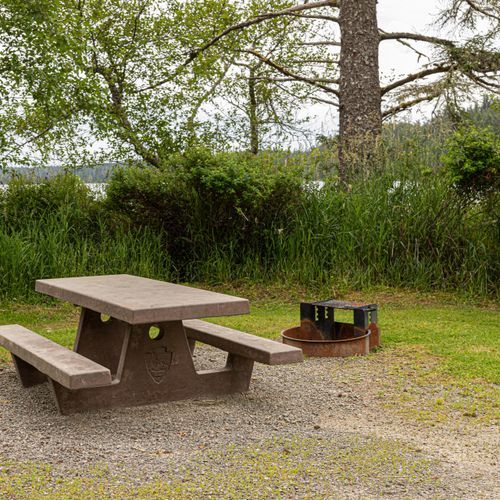
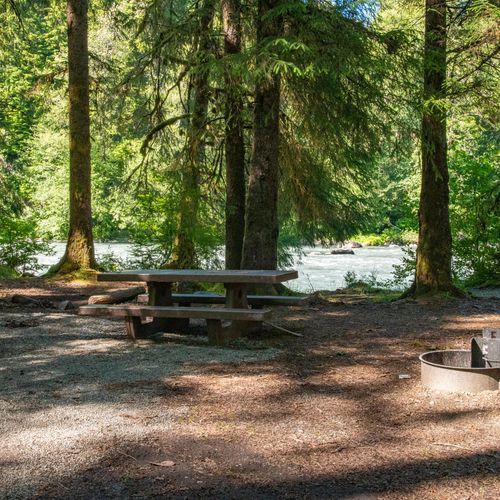
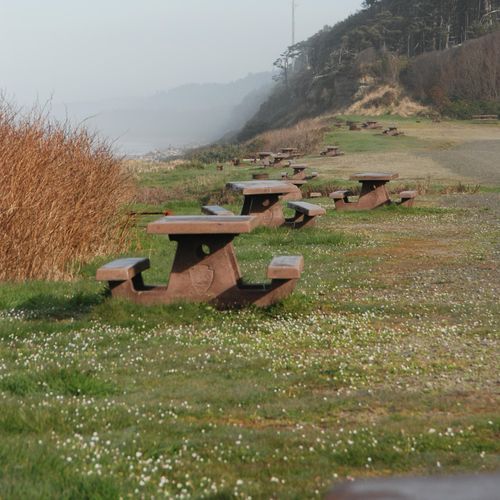
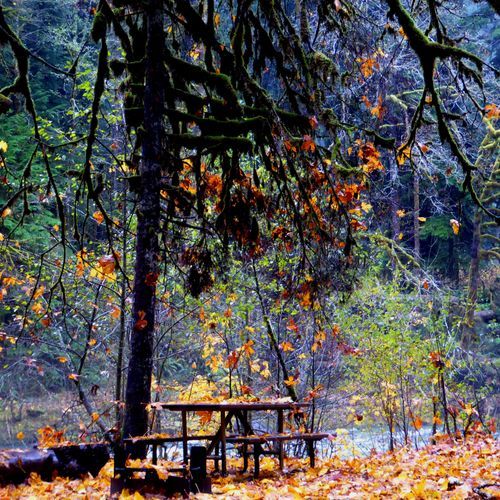
Camping in Olympic National Park is wonderfully varied, with a dozen frontcountry campgrounds spread across the park’s beaches, forests, and mountain corridors, plus wilderness camping for travelers heading deeper into the backcountry. That range is the point: you can pitch a tent near the surf at Kalaloch or South Beach, settle into a forest campground beneath towering evergreens, or plan a permit-based backpacking trip into the park’s wilder interior. Some campgrounds are more developed and family-friendly, while others feel quieter and more rustic, but the overall appeal is the same everywhere—Olympic delivers a camp setting that feels immersed in landscape rather than parked beside it.
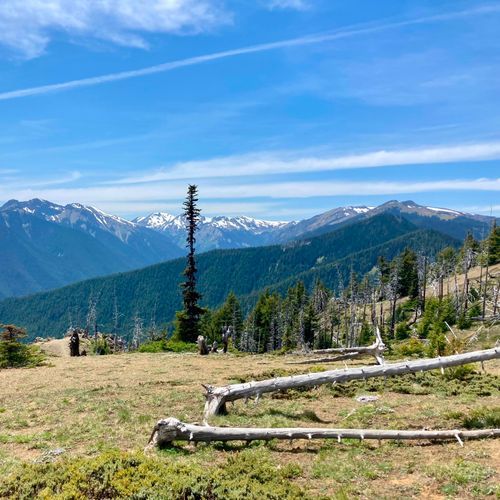
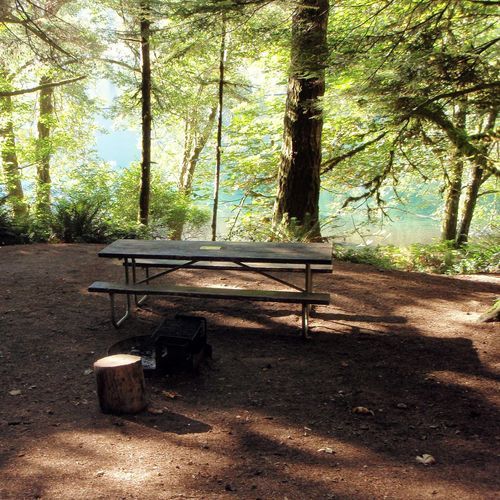
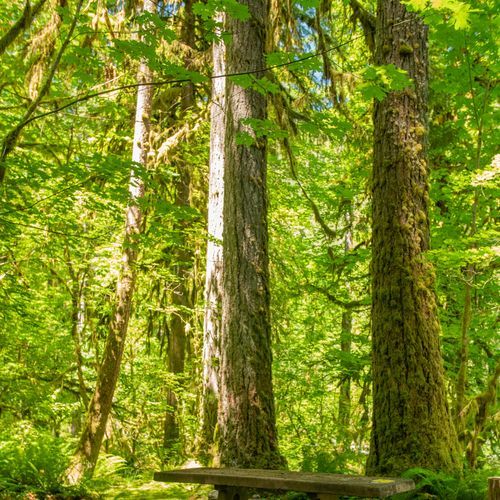
The camping experience here is defined by atmosphere as much as location. Mornings can be cool, damp, and hushed, with mist hanging in the trees or marine fog drifting along the coast. Nights are darker and quieter than many first-time visitors expect, and the sense of distance from towns adds to the park’s appeal. Coastal campgrounds bring salt air, driftwood beaches, and easy sunset access, while inland sites trade ocean views for rivers, mossy forest, and a classic Pacific Northwest feel. Backcountry camping is the most immersive option of all, giving hikers access to alpine basins, remote valleys, and long stretches of wilderness that feel far removed from the road network.
The practical side is simple: reserve early, especially for summer and for the best-known campgrounds, because Olympic is a high-demand park and prime sites fill fast. Kalaloch is the standout coastal reservation and one of the park’s most sought-after places to camp, with year-round access and a large campground, while South Beach is a more seasonal option nearby. Expect changeable weather in every season and pack for rain even when the forecast looks favorable. Bring layers, waterproof gear, and a flexible itinerary, and don’t assume your preferred campground will have space if you arrive without a plan. For backcountry trips, secure the necessary wilderness permits well ahead of time and pay close attention to seasonal access, especially at higher elevations where snow can linger well into summer.