
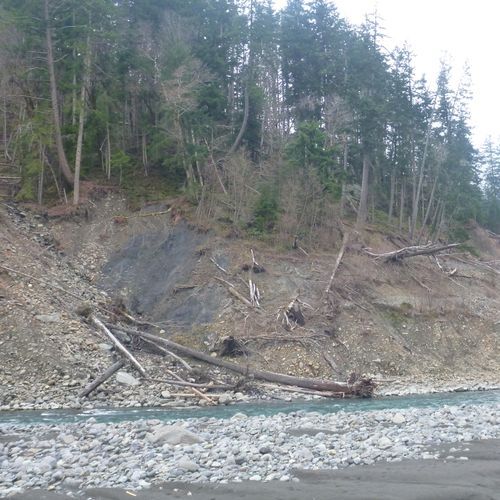
Viewpoint
viewpointHurricane Ridge
Olympic is one of the best national parks in the country for travelers who want the full experience without spending every hour on the trail. Start with the park’s great scenic drives and high-elevation lookouts, especially Hurricane Ridge, where the road does the hard work and the mountain panoramas arrive almost instantly. On clear days, the views stretch across the Olympic peaks, down to forested valleys, and out toward the Strait of Juan de Fuca. Lake Crescent is another essential stop, prized for its deep blue water, quiet shoreline pullouts, and classic Pacific Northwest atmosphere. For a more leisurely outing, the Lake Crescent boat tour adds a memorable on-the-water perspective, while the Quinault area offers a beautiful loop drive through rain forest country, giant trees, and historic park scenery. Olympic’s coastline is just as compelling as its mountains, and it delivers some of the park’s most distinctive non-hiking experiences. Ruby Beach is the headliner, with sea stacks, driftwood, and dramatic sunset light that makes it one of the most photogenic places in Washington. Kalaloch and the broader stretch of wild Pacific shore are perfect for beachcombing, storm watching, and simply taking in the scale of the coast, while tidepooling reveals a whole smaller world of anemones, shells, and marine life when conditions are right. Add in roadside waterfalls like Madison Falls, ranger-led evening programs, and summer night sky events, and Olympic becomes far more than a hiking destination. In winter, the experience shifts again, with opportunities for skiing and tubing that give this park an unexpectedly playful cold-season side.
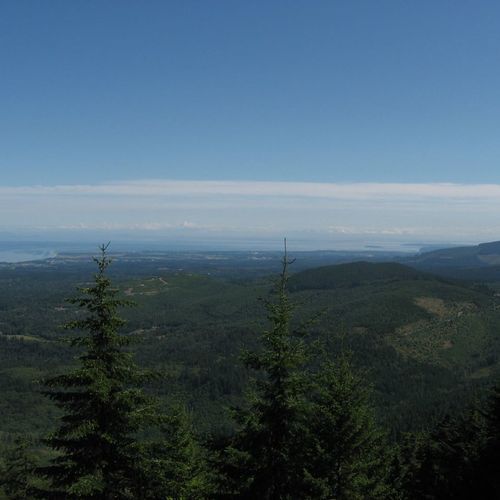
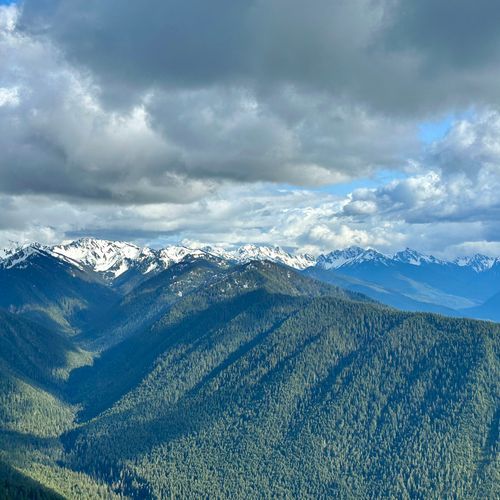
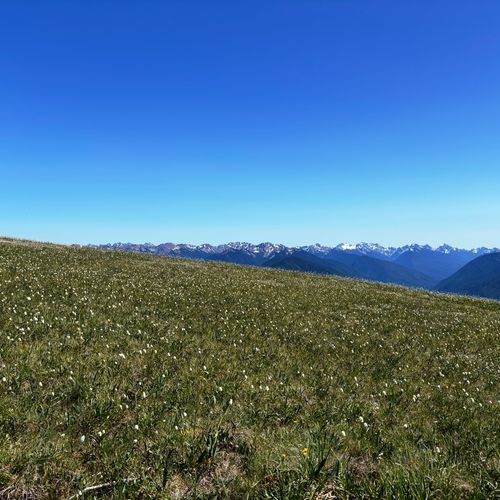
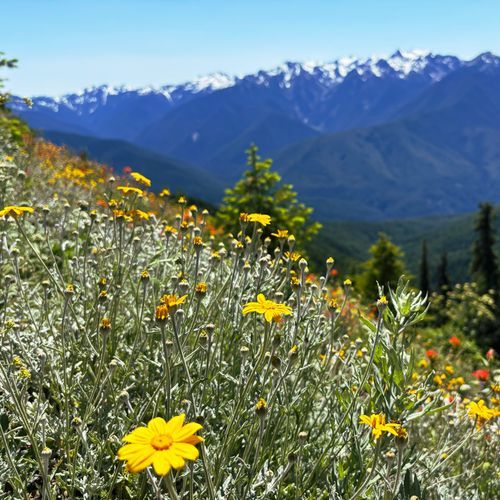
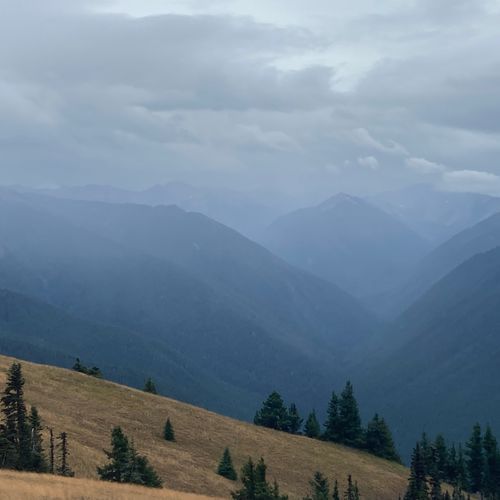
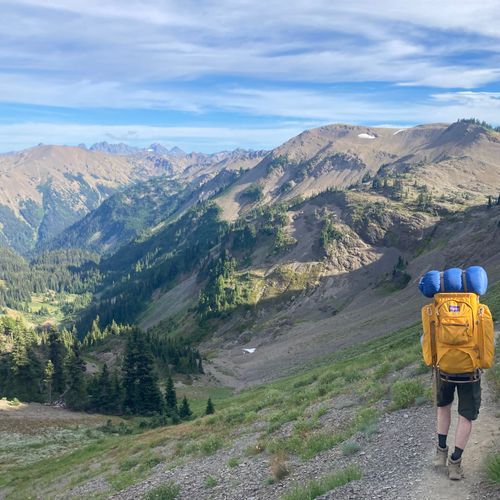
Sunrise Viewpoint offers sweeping, panoramic views down a meadowed slope into a thickly forested river valley, with snow-capped peaks rising on the far side of the basin and patchy snow lingering in the higher meadows.
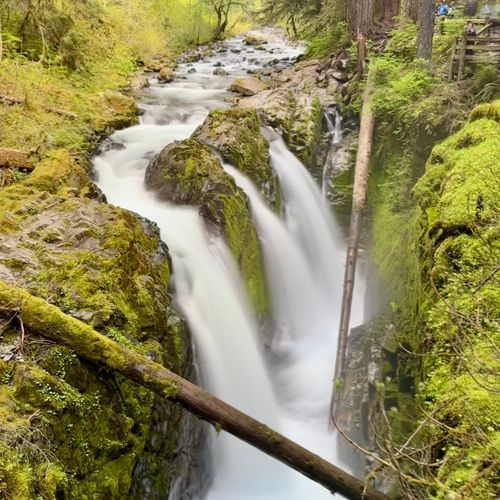
Sol Duc Falls plunges through old-growth forest into a cascading, rainbow-lit gorge, offering one of the Sol Duc Valley’s most iconic viewpoints. The falls are reached via a short trail. The valley is reached by Sol Duc Road about 40 minutes west of Port Angeles; road may be closed in winter; check the recorded Road & Weather line at 360-565-3131.
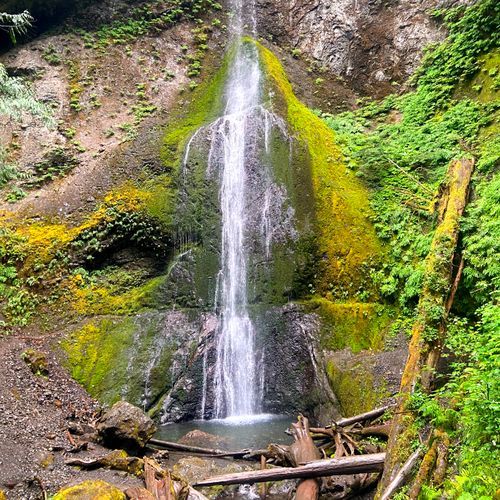
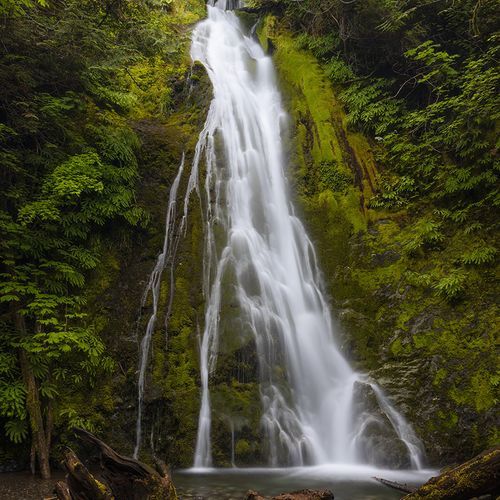
Marymere Falls is a classic Lake Crescent viewpoint, rewarding visitors with a 90-foot cascade reached via a popular hike. The trail begins at the Storm King Ranger Station and winds through old-growth forest; the first half-mile is a hard-packed but uneven surface, leading to an overlook above Barnes Creek, a family-friendly outing and one of the lake's most visited day hikes.
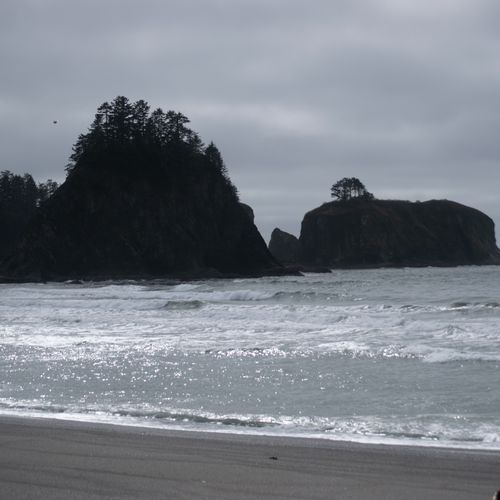
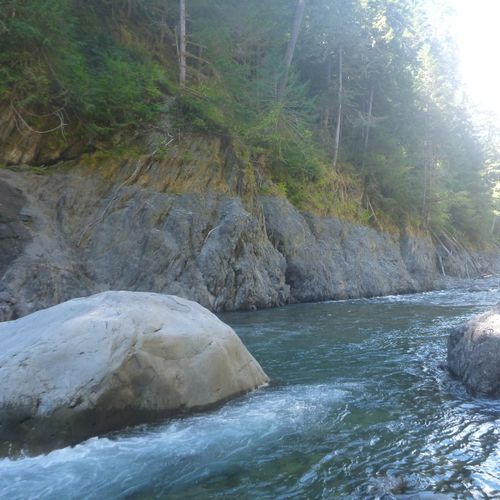
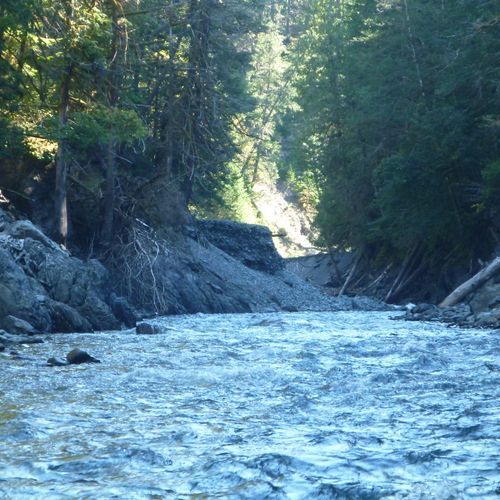
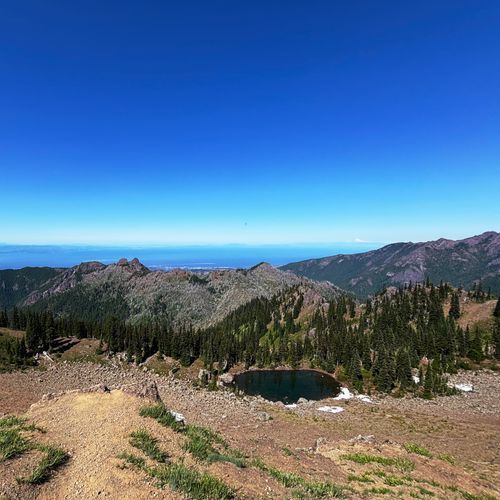
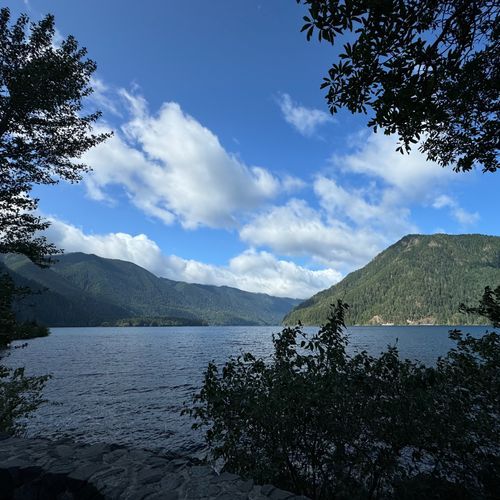
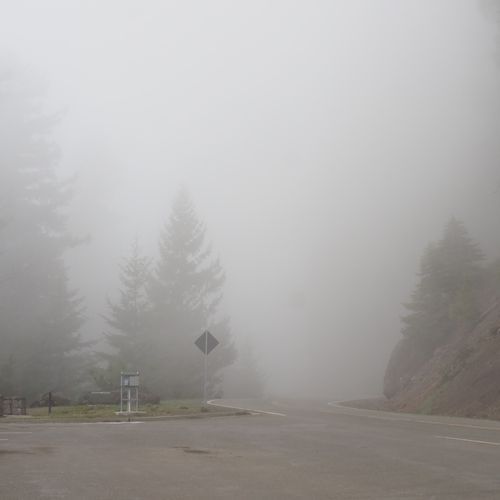
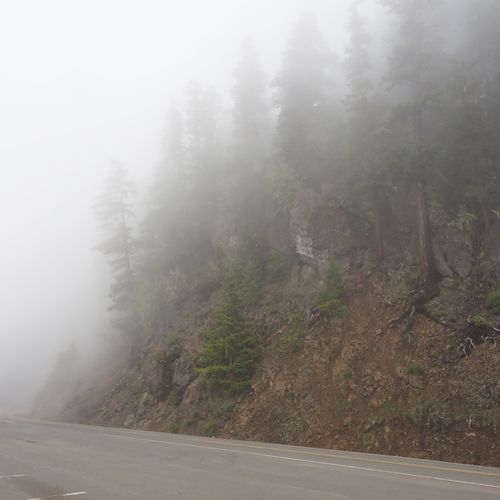
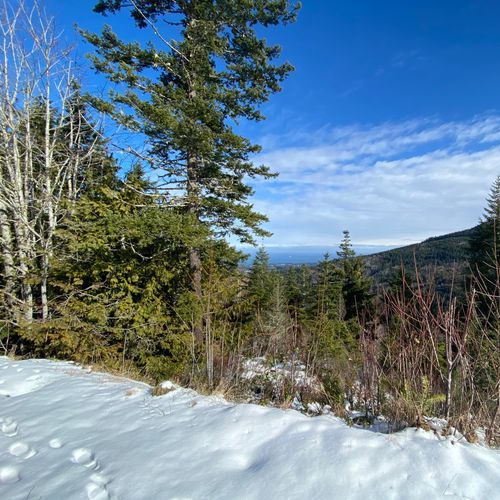
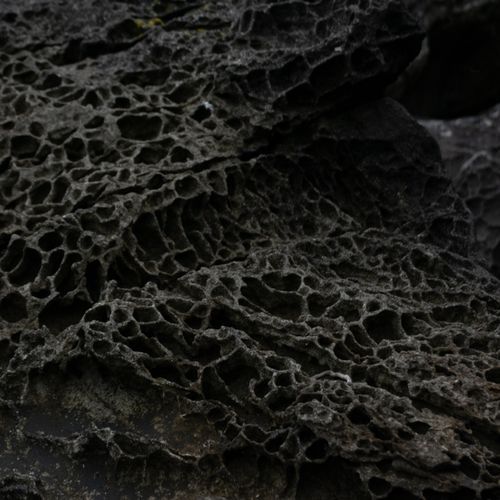
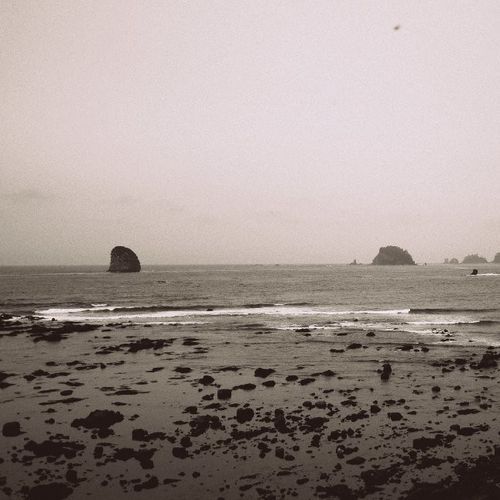
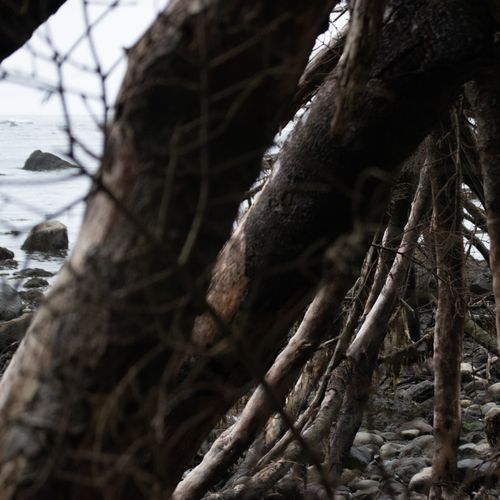
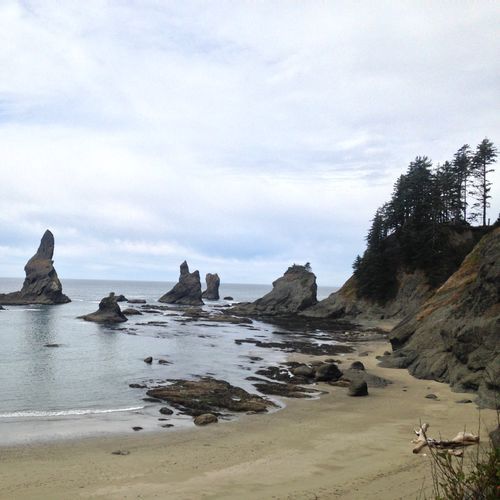
Sand Point is the headland used in the Ozette Triangle loop and on the coastal route linking Sand Point to Rialto Beach far to the south. The headland routes near Sand Point, which may be required at high tides, are steep and treacherous; ropes may be present but are not maintained, and some boardwalk sections on the loop are weak or slippery when wet.
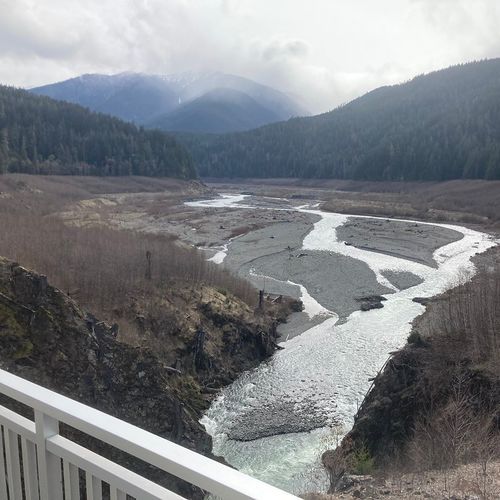
Stand at the Glines Canyon Spillway Overlook to witness the Elwha River's dramatic recovery after removal of the Glines Canyon and Elwha dams, a rare place where revegetation crews and nature have greened the exposed sediments of the drained reservoir. Hike to the overlook to learn the watershed restoration story, and in season look for salmon returning to spawn where they were blocked for a century.
Isaac Peak offers stunning high-country panoramas, featuring views of Lake Crescent and the surrounding peaks. The trail to the viewpoint is steep and maintained, rated difficult at approximately 1.7 miles with an elevation change of 600 to 2,700 feet. The best time to visit is from May to October; be prepared for early-season snow by carrying navigation tools and having an ice axe and self-arrest skills ready.
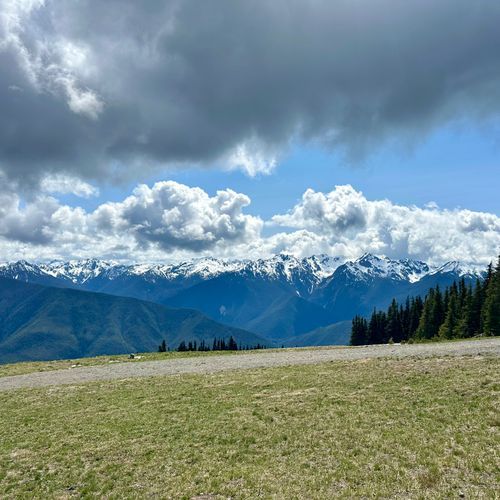
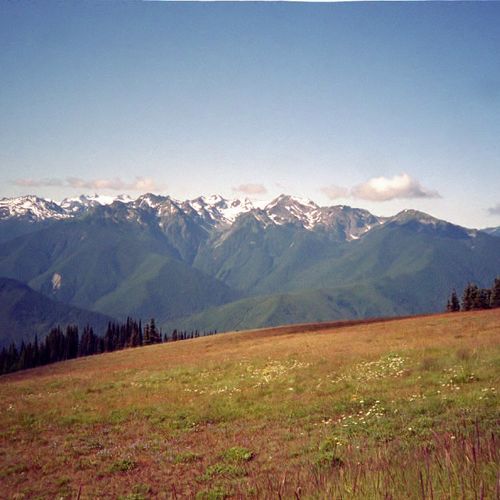
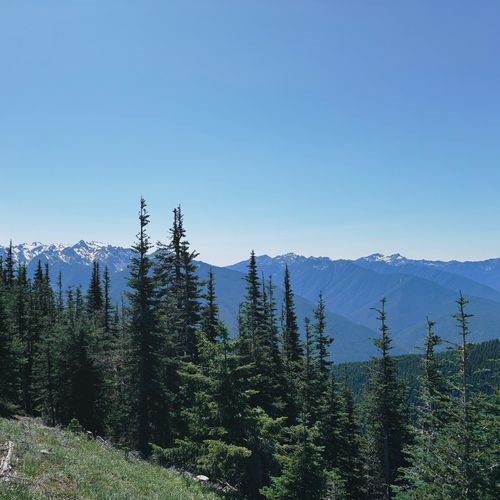
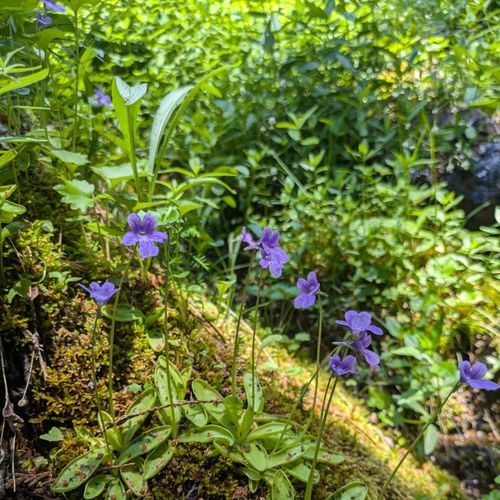
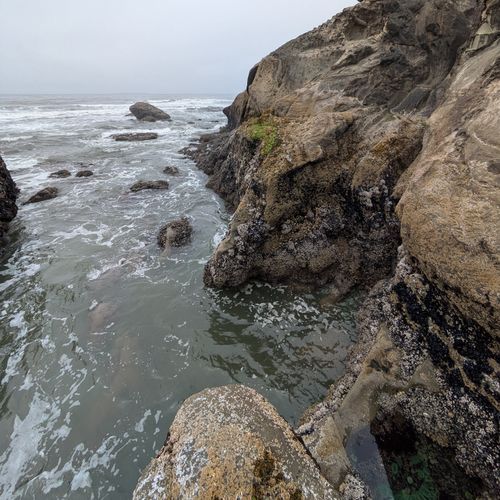
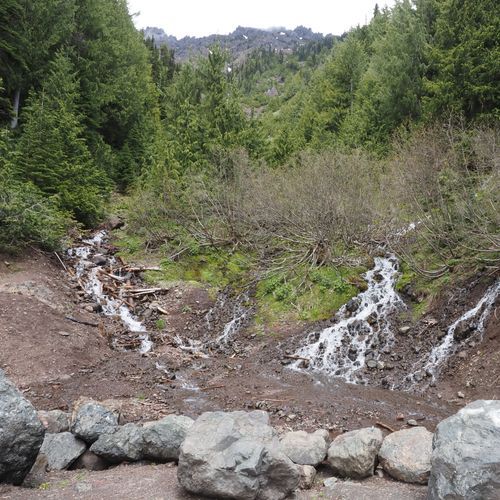
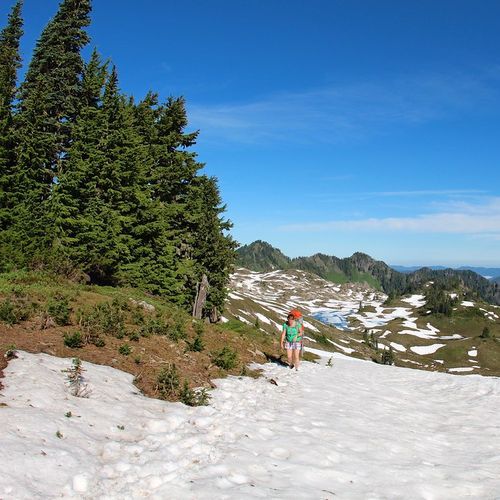
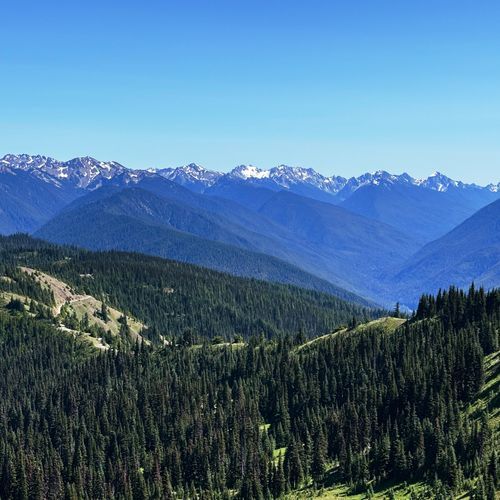
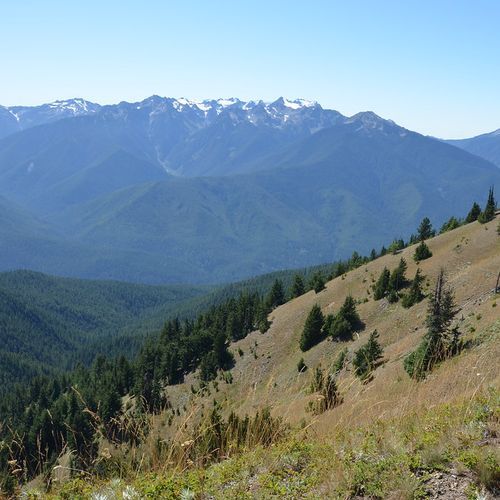
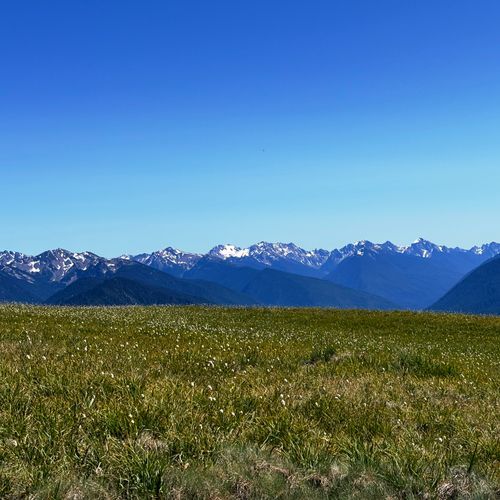
Perched at 5,242 feet, Hurricane Ridge is a scenic, popular mountain area within Olympic National Park, known for its panoramic views and year-round recreational activities. Located 17 miles south of Port Angeles, it offers excellent opportunities for hiking in summer and snow activities in winter.
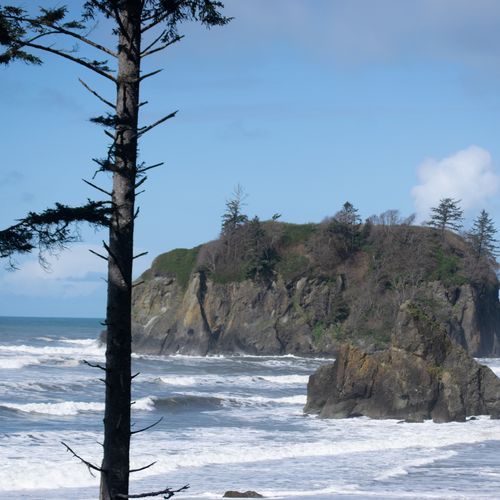
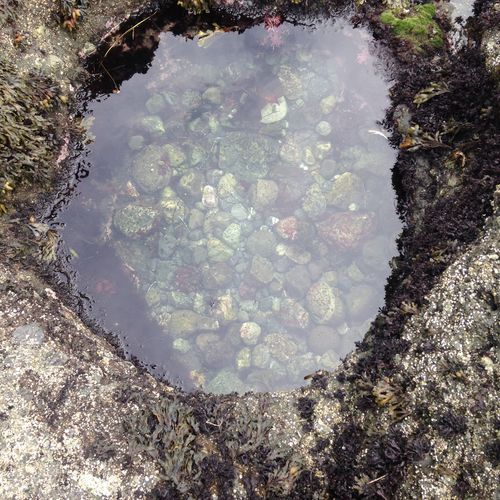
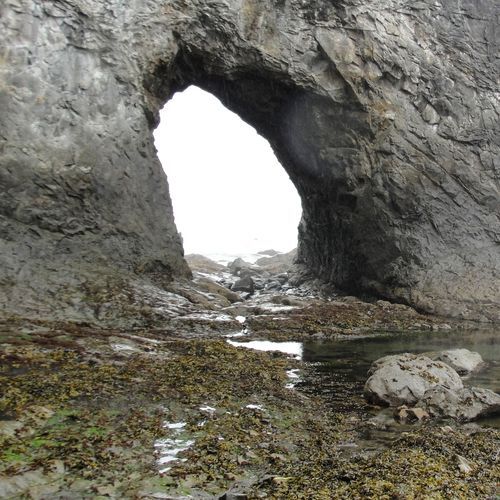
Hole-in-the-Wall is a dramatic sea-carved arch on the Olympic Wilderness coast, prized for its exposed tidepools and striking ocean views near Second and Third Beaches. The arch sits about 1.5 miles north of Rialto Beach (roughly a one-hour hike from the parking area); check tides and plan to arrive at least 30 minutes before low tide; do not cross when the arch floor begins to submerge, and avoid standing under the arch due to falling-rock hazards.
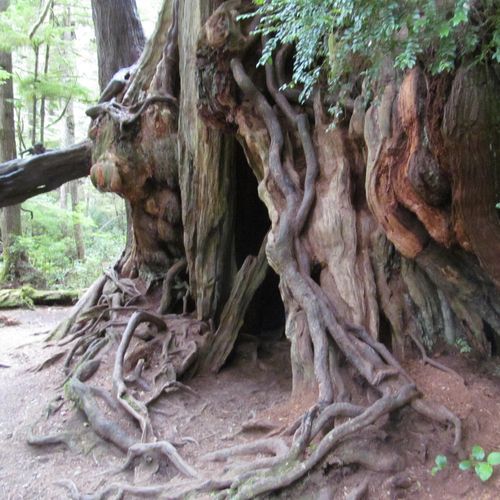
The Big Cedar is an ancient western red cedar split by a 2014 storm, the standing and fallen halves forming a dramatic testament to the coastal temperate rain forest, where mosses, ferns and nurselogs carpet the forest floor. A short, compacted-gravel trail (about 0.2–0.32 miles) leads from a small parking area with van-accessible spaces to the tree; it is very close to the trailhead (about 110 feet), so please resist the urge to climb on this fragile giant.
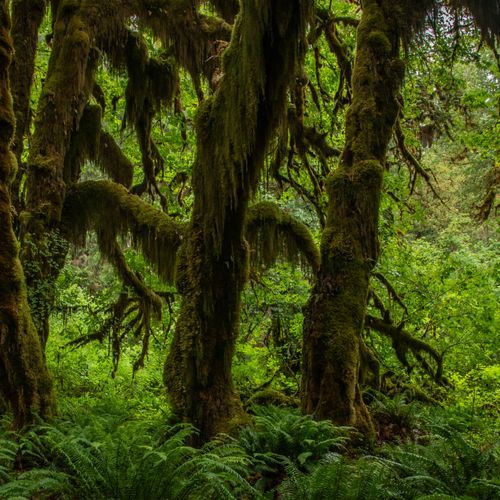
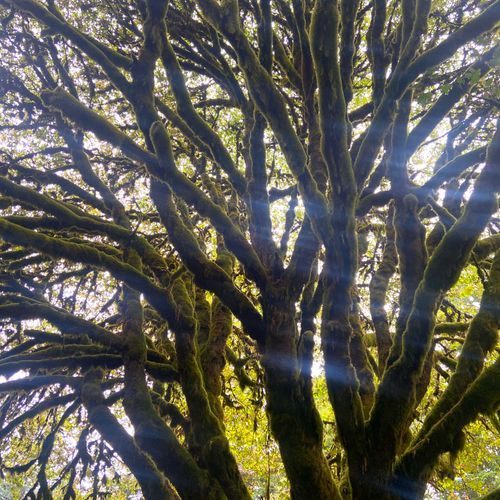
The Hall of Mosses is among the most famous and beloved paths in the park. The enchanting old-growth loop in the Hoh Rain Forest has towering conifers, ferns and carpets of moss that create a cathedral-like, emerald understory unique to temperate rain forests. This easy 0.8–0.86 mile loop (about 100 ft elevation gain) is on compacted gravel, typically 3–6 feet wide, and offers van-accessible parking and visitor information boards at the Hoh parking area for easy access.
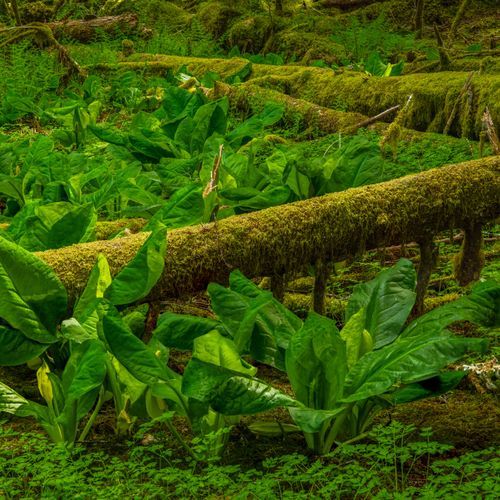
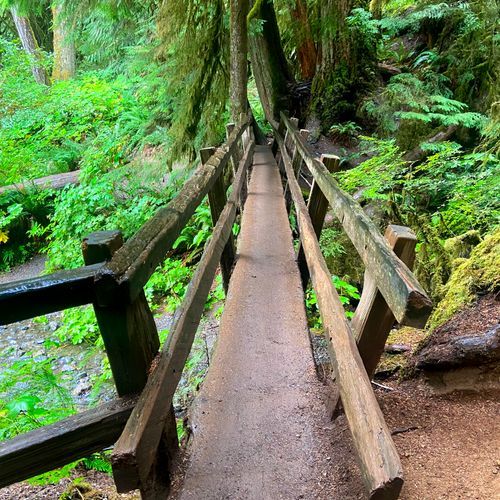
This short, family-friendly loop is a peaceful way to experience the old-growth temperate rainforest of the Sol Duc Valley. Moss-covered giants line the trail as it winds past a small riverside bluff, encouraging you to slow down and look around. Keep an eye on the forest floor for banana slugs and seasonal mushrooms. This compact 0.57-mile loop, reached from a roadside pullout about 8.8 miles up Sol Duc Valley Road, follows compacted gravel with boardwalks and short bridges, and offers van-accessible parking.
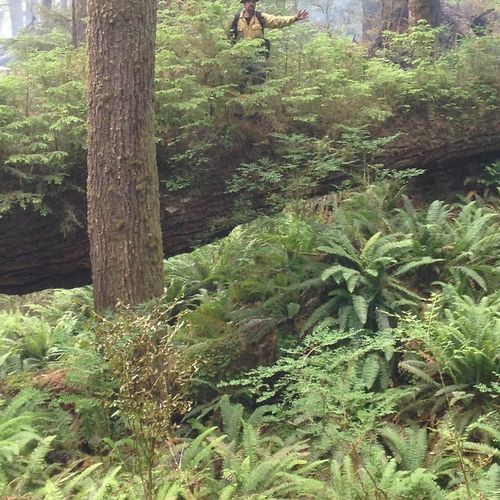
Pelton Creek Shelter is nestled within the enchanting Hoh Rain Forest, surrounded by lush greenery and towering trees. This serene spot offers a perfect retreat for nature lovers and adventurers alike. Experience the tranquility of the forest while enjoying the beautiful sounds of Pelton Creek babbling nearby. Keep in mind that this area is popular, so it’s advisable to arrive early to secure a spot in this stunning natural setting.
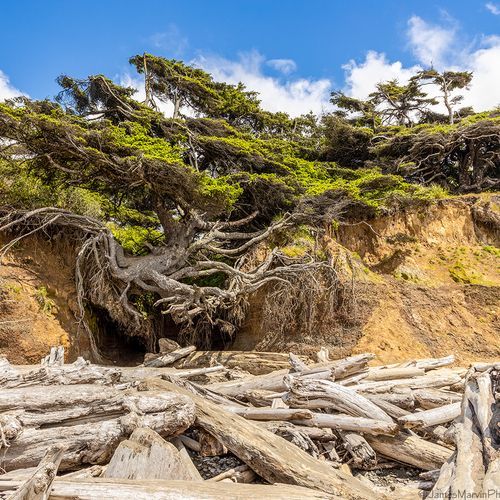
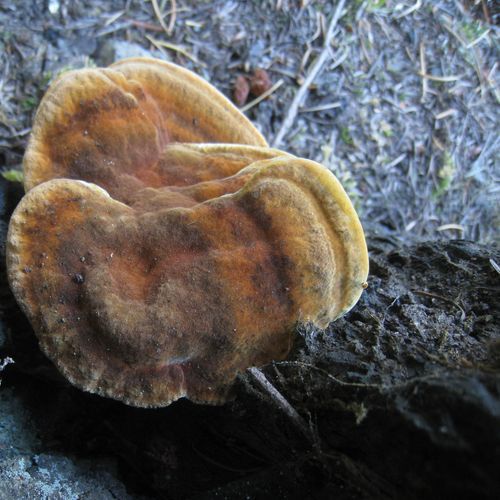
Unique for its place within Olympic’s temperate rain forest, the Tree of Life highlights old-growth Douglas-fir towering with epiphytes, mosses and decaying “nurse logs” that support new life. This coastal Kalaloch & Ruby Beach landmark is illustrated alive with wildlife, including owls, gliding flying squirrels, moles and shelf fungi, and reflects the park’s reliance on natural processes like periodic fire to renew Douglas-fir stands.
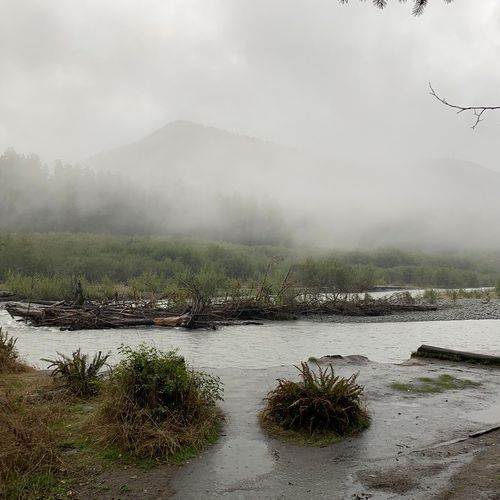
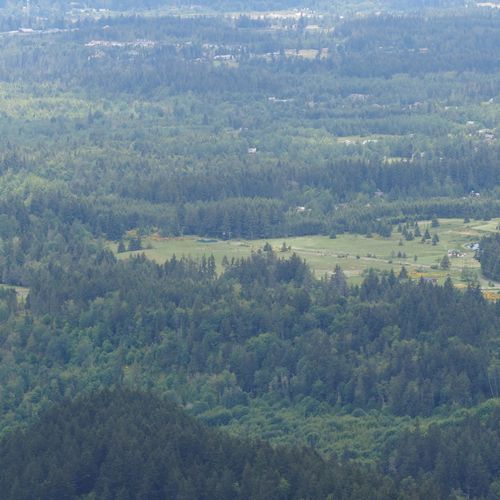
Hoh River Viewpoint provides a stunning overlook of a lush, forested river valley from a grassy slope. Snow-capped mountain peaks rise majestically on the opposite side of the basin, and patches of snow can be seen lingering in the higher meadows. A Discover Pass is required to park at the South Fork Hoh River Trailhead.
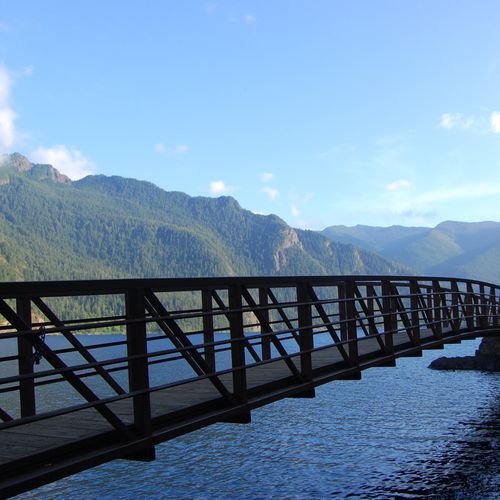
Discover more activities and plan your visit in the Parka app
Download Parka — It's FreePlan your Olympic National Park trip in the app
Free on the App Store
All the tools for epic adventures
Fully functional without cell service
Trail conditions, alerts, and closures
7-day free trial, cancel anytime
Unlock everything you need for your next national park trip. Your first week is on us!

Download Parka and plan your perfect national park trip in minutes.