
Olympic National Park, located in the northwest corner of Washington State, is a vast and diverse wilderness area that spans nearly one million acres. This park encompasses three distinct ecosystem regions: the Pacific coastline, the temperate rainforests, and the Olympic Mountains. Each of these areas offers visitors a different experience.
The park's coastal region features over 70 miles of wild coastline, where rugged cliffs and rocky shores give way to sandy beaches and tide pools teeming with marine life. This area is perfect for beachcombing, tide pool exploring, and viewing sea stacks that rise impressively from the surf.
Inland, the dense rainforests of Olympic are some of the best remaining examples of temperate rainforest in the world. These forests are dripping with mosses and ferns, and are home to towering trees such as Sitka spruce and western hemlocks that can be over 200 years old. The Hoh Rainforest is particularly famous for its beauty and is a serene place where visitors can hike and immerse themselves in the lush, green surroundings.
Above the forests, the Olympic Mountains rise steeply with glacier-capped peaks such as Mount Olympus, the highest peak in the park at 7,980 feet. The mountains offer challenging climbs and spectacular alpine vistas, with numerous glaciers grinding slowly across the high country. The park's varied landscapes also support diverse wildlife, including the endemic Olympic marmot, black bears, Roosevelt elk, and a variety of birds.
Human history in the area dates back thousands of years, with Native American tribes like the Quileute and Hoh living off the land. Their legacy can be seen in various cultural artifacts found throughout the park. Today, Olympic National Park continues to be a place of discovery and adventure, offering something for everyone, whether you're looking for a scenic drive, a peaceful stroll through ancient forests, or a challenging mountain trek.
Olympic National Park
Washington
Washington
Few parks pack as much variety into one place as Olympic National Park, where sharp swings in rainfall and elevation produce three separate ecosystems. Glacier-capped mountains rise at the center of the Olympic Peninsula, old-growth temperate rain forest fills the western valleys with trees that can reach 300 feet, and more than 70 miles of wild Pacific coastline hold colorful tidepools. Covering nearly a million acres in Washington, the park was created in 1938 partly to protect Roosevelt elk. The United Nations recognizes it as both a World Heritage Site and a Biosphere Reserve. Hiking trails lead from forest to beach to alpine wildflower meadows, and Hurricane Ridge anchors the park's northern side.
Park Areas
All areas →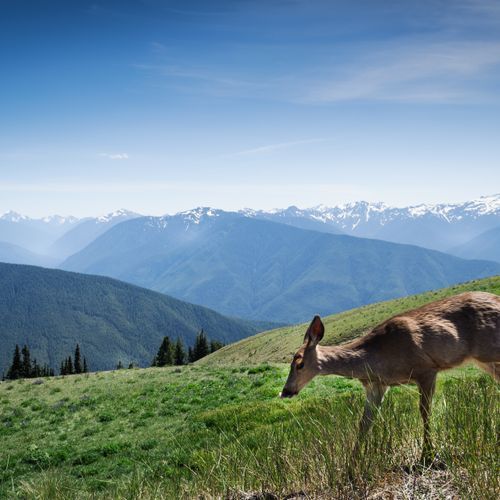
Hurricane Ridge
Perched at 5,242 feet, this is the park's most easily reached mountain area, with views across the snowcapped Olympic Mountains and, on clear days, to Vancouver Island across the Strait of Juan de Fuca. Winds gusting past 75 miles an hour gave the ridge its name, and 30 to 35 feet of yearly snow keeps the subalpine meadows open; look for wildflowers, blacktail deer and marmots. Hiking ranges from easy paved walks to steep ridge routes. The Meadow Loop Trails start from the parking lot, Hurricane Hill Trail climbs about 700 feet over 1.6 miles one way on a rough paved path, and Klahhane Ridge Trail heads out near the visitor center, which has exhibits, a snack bar and a gift shop. In winter, visitors snowshoe, ski, snowboard, go tubing and join ranger-guided snowshoe walks.
Hoh Rain Forest
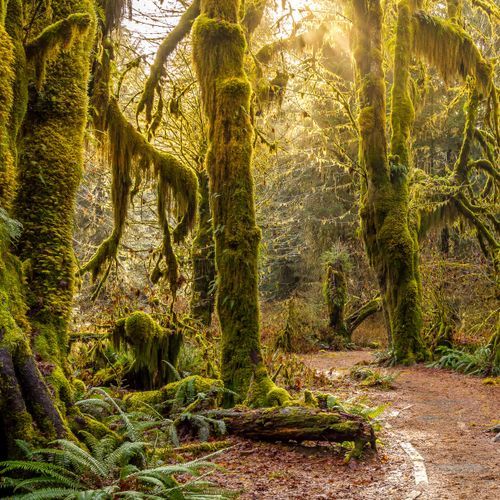
Fed by 12 to 14 feet of rain a year, this temperate rain forest on the west side of the Olympic Mountains is green from floor to canopy. Giant Sitka spruce and western hemlock rise overhead, while moss hangs from branches and ferns carpet the ground. On the Hall of Mosses Trail, an easy 0.8-mile loop, old-growth giants draped in moss line the path, and the 1.2-mile Spruce Nature Trail reaches the Hoh River. Both begin near the Hoh Rain Forest Visitor Center, which has rain forest exhibits and a bookstore. The Hoh River Trail runs 17.3 miles to Glacier Meadows on Mount Olympus, with a further climb to views of the Blue Glacier. Hoh Campground has 88 sites, some beside the river. Watch for elk, deer, black bears and northern spotted owls, keeping 50 yards away.
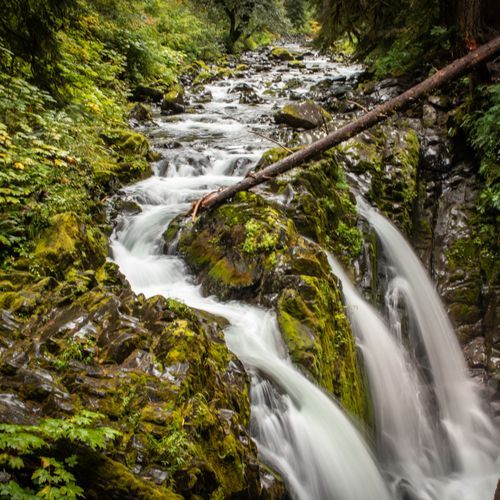
Sol Duc Valley
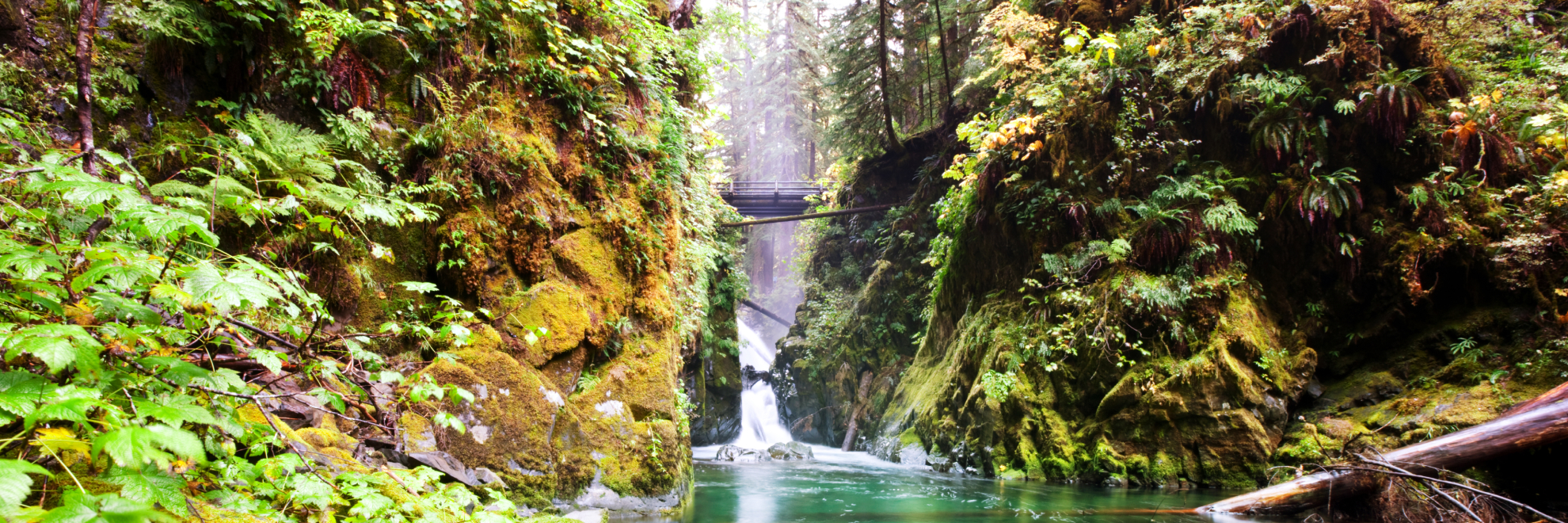
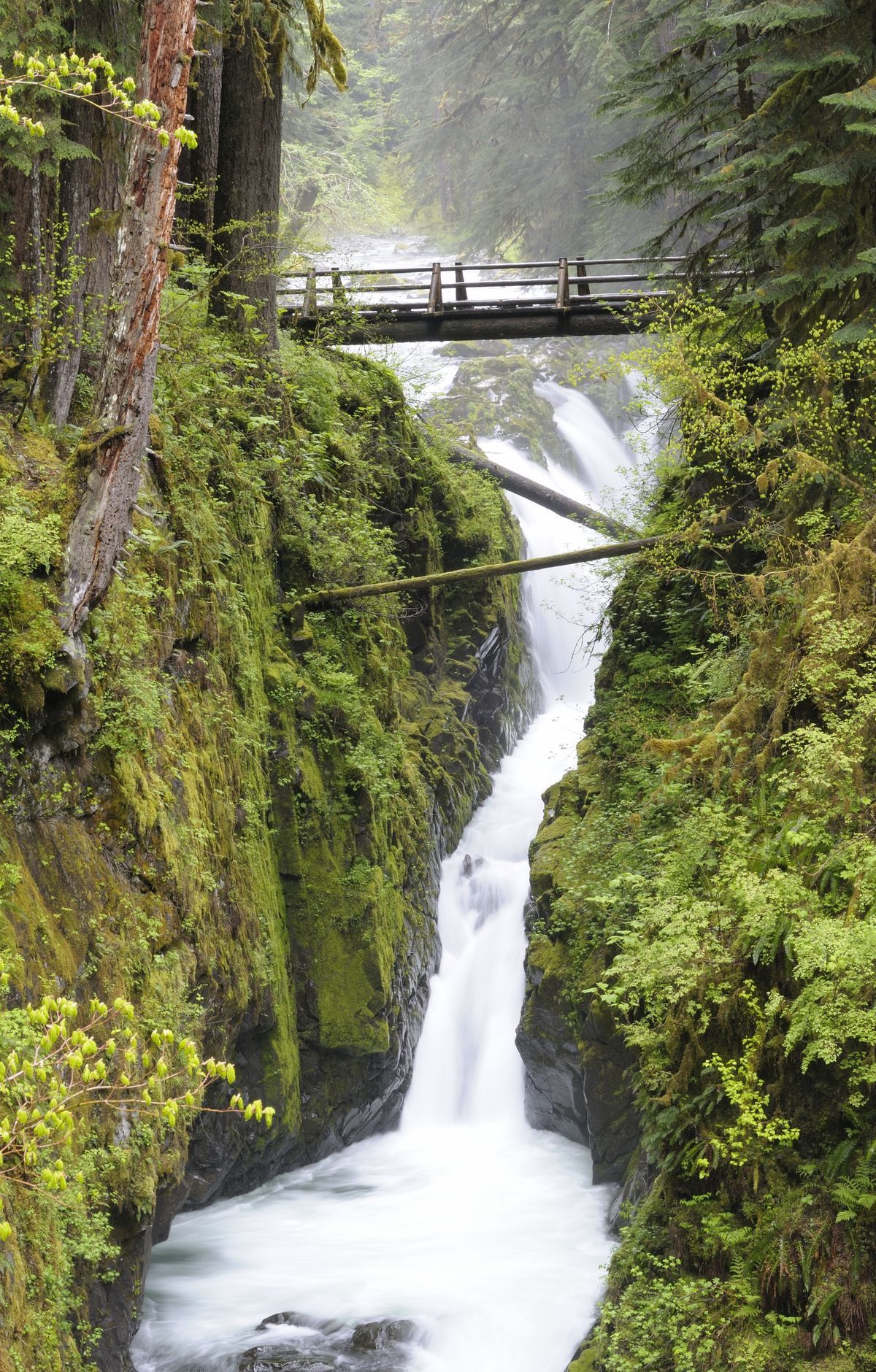
Hot springs, old-growth forest and a three-pronged waterfall define this valley in the northwest corner of the park, between Lake Crescent and the Pacific Coast. The Sol Duc River runs through it, serving as a main route for coho salmon bound for lakes and headwaters in the mountains. A popular day hike leads 0.8 mile through old-growth forest to Sol Duc Falls, and the Lover's Lane loop follows the far side of the river to link the falls with Sol Duc Hot Springs Resort. For more of a climb, trails rise through dense forest to Mink Lake and Deer Lake. Longer trips on the High Divide Loop pass through Seven Lakes Basin, with mountain lakes and views of Mount Olympus. Stay at the resort or the Sol Duc Hot Springs RV Park and Campground.
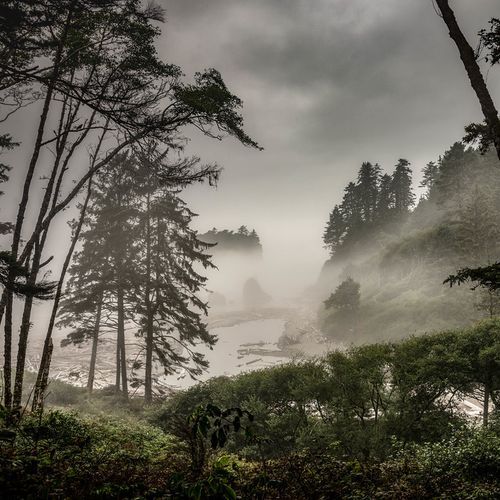
Kalaloch & Ruby Beach
On the southwest coast of the Olympic Peninsula, Kalaloch is known for its wide sandy beach, while Ruby Beach, the northernmost access point, is known for its sea stacks. Seven trails drop from Highway 101 down the bluff to the ocean. Of these, only the Ruby Beach path lets wheelchair users continue all the way onto the sand, and an accessible viewpoint overlooks the water beside its parking area. Tidepools dot the rugged shoreline, and at low tide Beach 4 reveals seastars and anemones in many colors. Western gulls and bald eagles nest and feed along this stretch, and offshore islands shelter colonies of common murres and tufted puffins. The Kalaloch Nature Trail makes an easy one-mile loop through coastal forest. Overnight options include the Kalaloch and South Beach campgrounds and Kalaloch Lodge, with cabins, rooms and a restaurant.
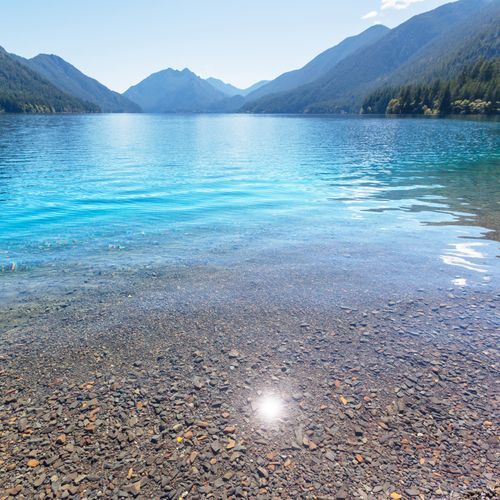
Lake Crescent
Tucked into the foothills on the north side of the Olympic Mountains, this deep, glacially carved lake holds clear blue-green water. About 7,000 years ago a massive landslide cut it off from Lake Sutherland, and two distinct trout populations, the Crescenti and Beardslee, developed in that isolation. Kayaks, canoes, sailboats and rowboats share the water, with boat launches at the east and west ends and rowboat rentals at the historic Lake Crescent Lodge on the shore. For a swim or a lazy afternoon, East Beach and Bovee's Meadow have beaches, and picnic tables also sit at Fairholme, La Poel and the North Shore. Trails lead through old-growth forest to 90-foot Marymere Falls, up the steep switchbacks of Mount Storm King, and along the paved Spruce Railroad Trail, an old rail bed with two historic tunnels on the north shore.
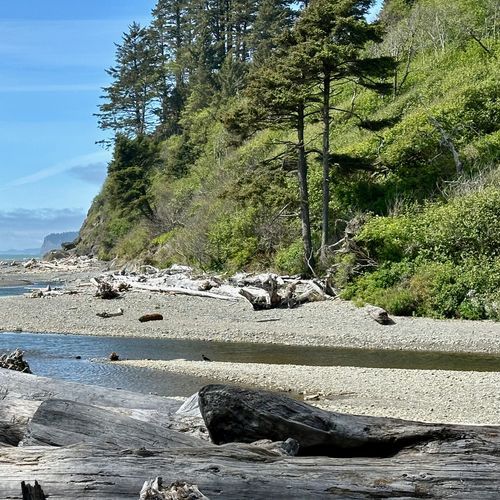
Rialto, Second & Third Beaches
Weathered sea stacks rise offshore along this rocky stretch of Pacific coast, where heaps of giant drift logs line the sand and heavy surf rolls in. Rialto Beach is the simplest to reach, since the parking area sits right beside the shore. Walk north, using the beach itself as the trail, to Hole-in-the-Wall, a natural arch cut through a headland that you can step through when the tide is low. The rocks nearby are good for tidepooling, and the shoreline offers chances to see otters, seals, bald eagles and gray whales. A short boardwalk runs from the lot to the Rialto Beach Picnic Area in the coastal forest. Second Beach and Third Beach are reached by easy hikes. Backpackers heading along the Wilderness Coast need a wilderness camping permit and must keep food in bear canisters.
Quinault Rain Forest
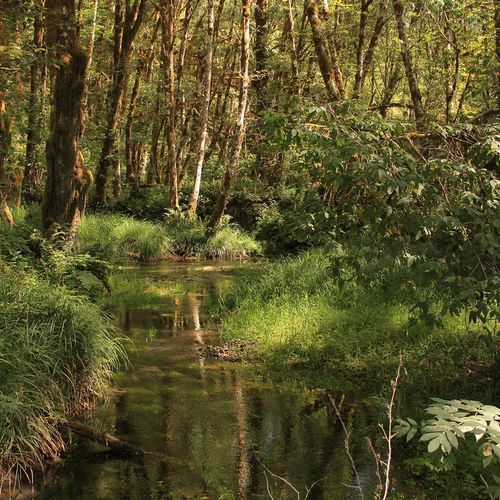
Ferns, moss and lichen cloak the ground and giant Sitka spruce, western hemlock and Douglas-fir in this west side temperate rain forest valley, where yearly rainfall tops 12 feet. The park holds the north shore of Lake Quinault, while the national forest manages the south shore. A scenic loop drive circles through the valley, and the Quinault Rain Forest Ranger Station on the north shore, with exhibits and picnic tables, makes a good first stop. From there, the flat Maple Glade Trail loops half a mile through a mossy grove of bigleaf maples, and the self-guided Kestner Homestead Trail covers 1.3 miles of homestead history. Longer hikes follow the North Fork Quinault River into the wilderness, and campers can pick the small North Fork or larger Graves Creek campground.
Staircase
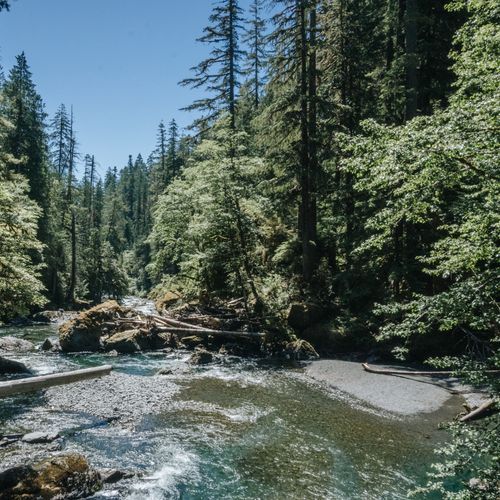
Tucked into the park's remote southeastern corner, this quieter, less-visited region is defined by towering old-growth Douglas-firs and the North Fork Skokomish River. The easy Staircase Rapids Loop, about 2 miles with little climbing, follows the river through old-growth forest to a bridge, passing rapids and waterfalls, with a spur to a huge fallen cedar. Stronger hikers take on the steep climb to Flapjack Lakes, where overnight permits are limited. Backpackers can follow the North Fork Skokomish River Trail into the wilderness toward the Duckabush River. Staircase Campground and the nearby ranger station, which offers exhibits and wilderness permits, serve as the hub for trips. The Bear Gulch Fire burned more than 20,000 acres in and around the area, and its closures affect the access road and many trails, so check current conditions first.
Deer Park
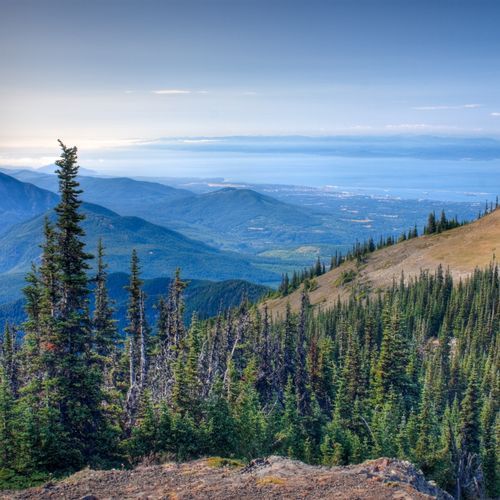
Sitting at 5,400 feet in the dry rainshadow of the eastern Olympics, this corner stays drier because Pacific storms shed most of their moisture before clearing Mount Olympus and the Bailey Range. The 18-mile Deer Park Road is narrow and steep, with its last nine miles on gravel and no room for RVs or trailers. At the top, a small tents-only campground offers 14 sites with picnic tables and fire pits, and the Deer Park Ranger Station has information. Hiking starts with the short Rain Shadow Loop, which climbs Blue Mountain for wide views of lowlands and peaks. Longer options include the 7.4-mile trail to Obstruction Point through subalpine forest and meadows, and the strenuous Three Forks Trail, which drops 3,416 feet to the Gray Wolf River Trail. Clear nights bring starry skies.
Popular Hiking Trails
All trails →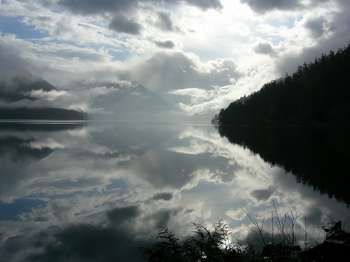
Pyramid Mountain Trail
Difficult6.6 mi
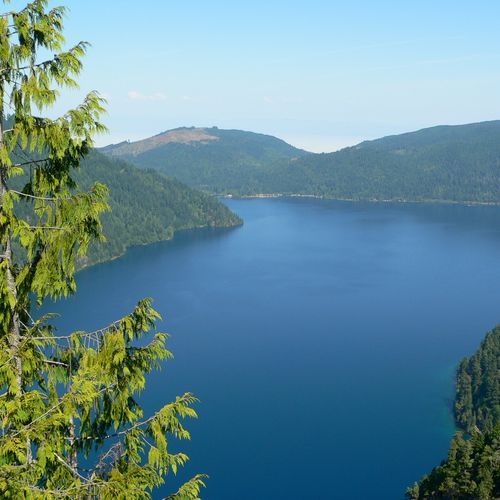
Mount Storm King Trail
Difficult4.1 mi
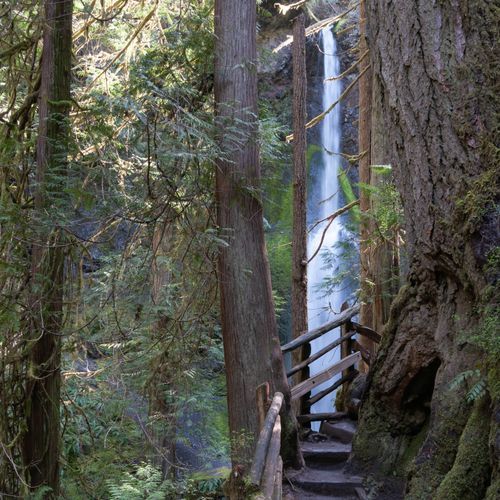
Marymere Falls Trail
Easy1.8 mi
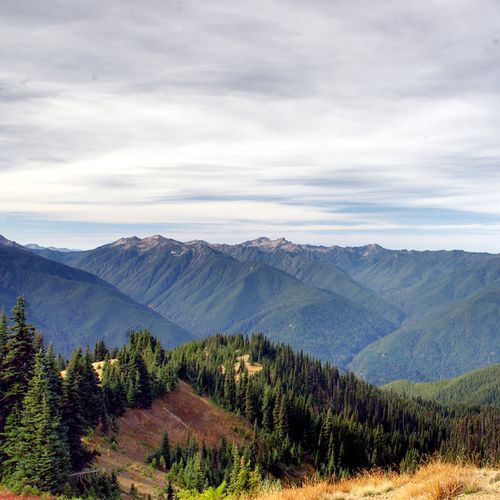
Hurricane Hill Nature Trail
Moderate3.5 mi
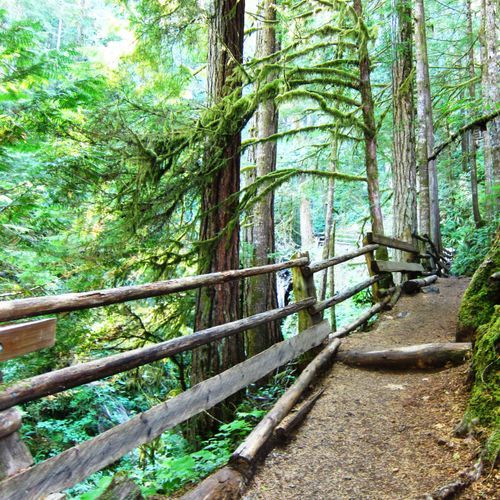
Hall of Mosess Trail
Easy1.1 mi
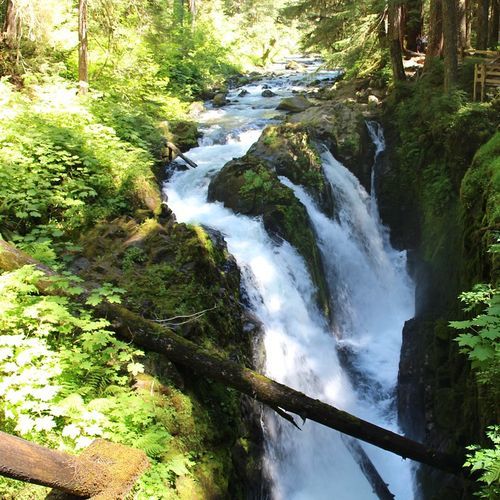
Sol Duc Falls Trail
Easy1.7 mi
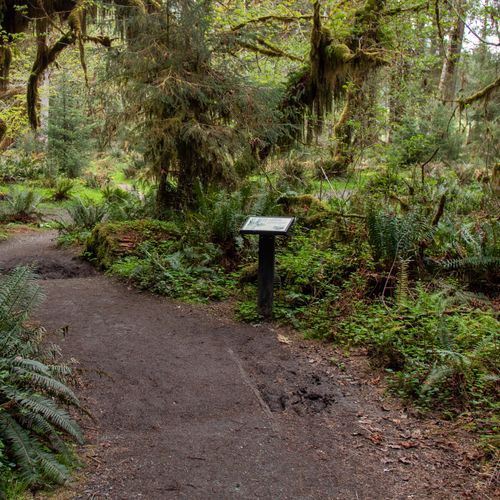
Spruce Nature Trail
Easy0
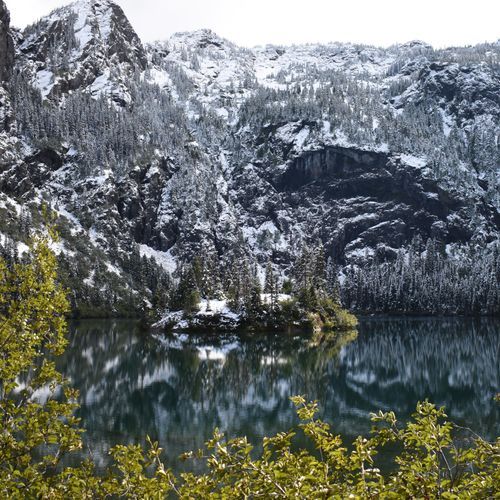
Lake Angeles Trail
Difficult6.8 mi
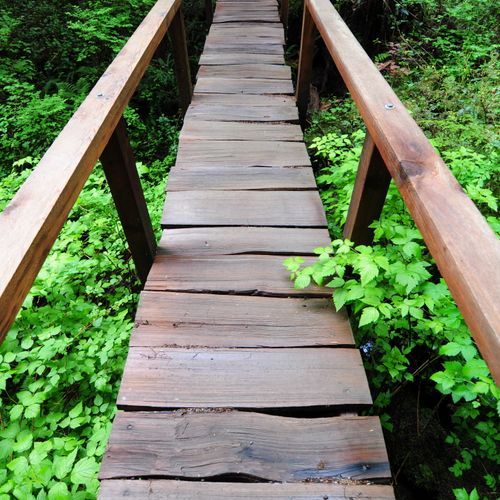
High Divide Traverse
Extreme46.5 mi
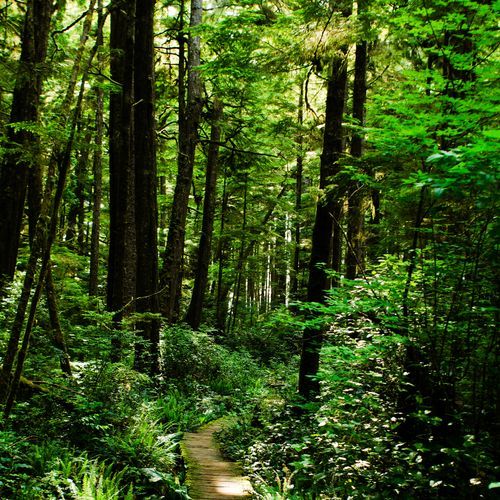
Ozette Loop
Moderate8.7 mi
Visitor Centers
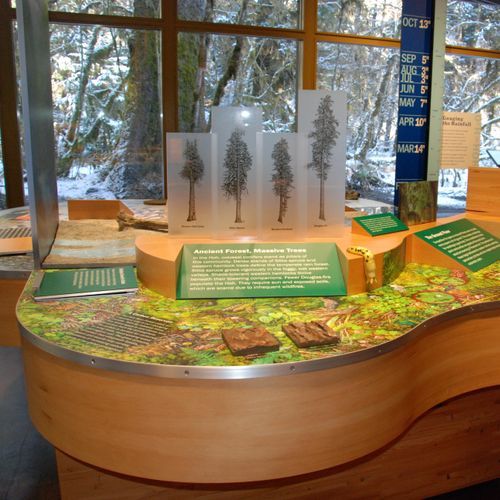
Hoh Rain Forest Visitor Center
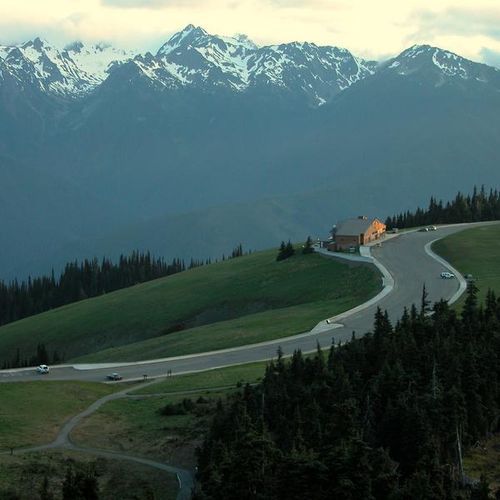
Hurricane Ridge Visitor Center
10:00AM - 5:00PM
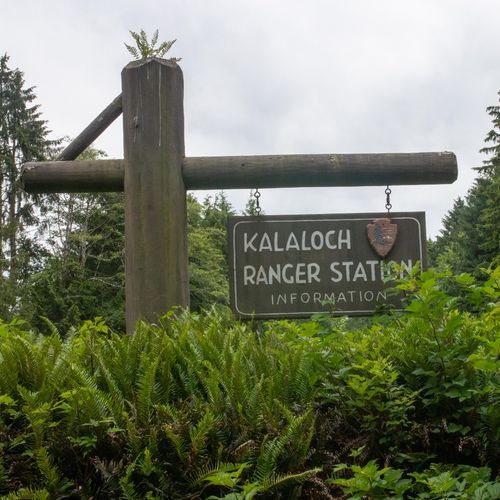
Kalaloch Ranger Station
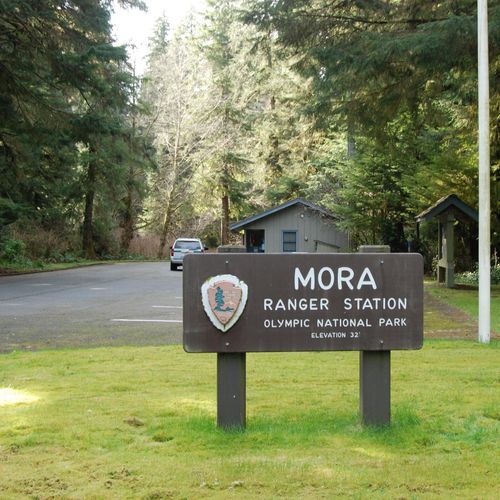
Mora Ranger Station
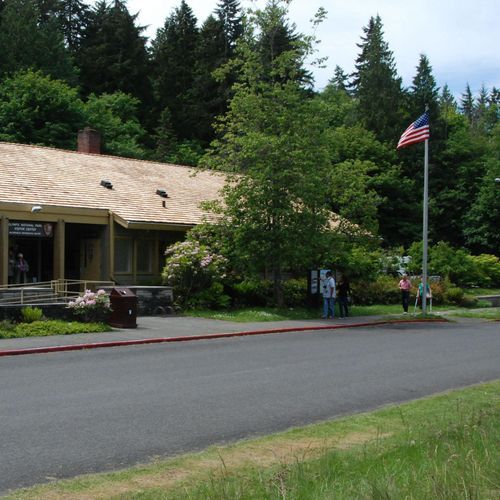
Olympic National Park Visitor Center
9:00AM - 4:00PM
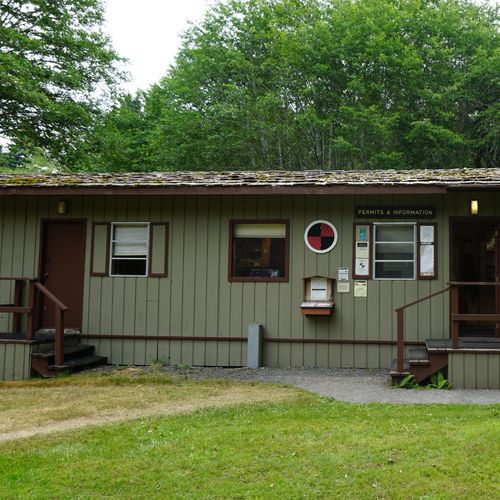
Ozette Ranger Station
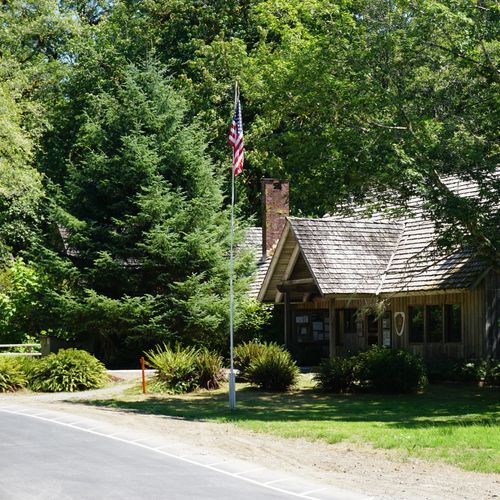
Quinault Rain Forest Ranger Station
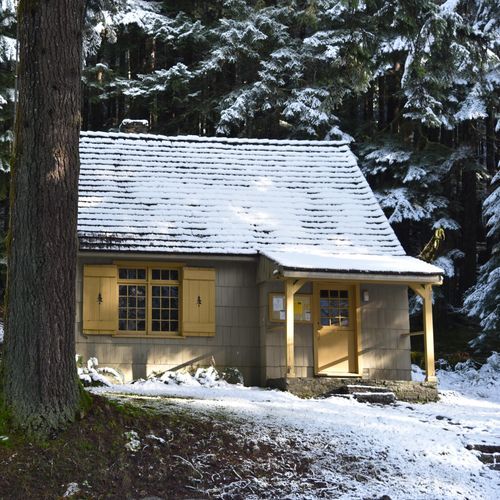
Sol Duc - Eagle Ranger Station
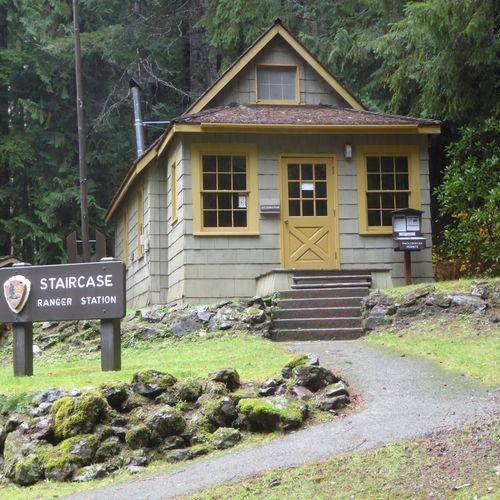
Staircase Ranger Station
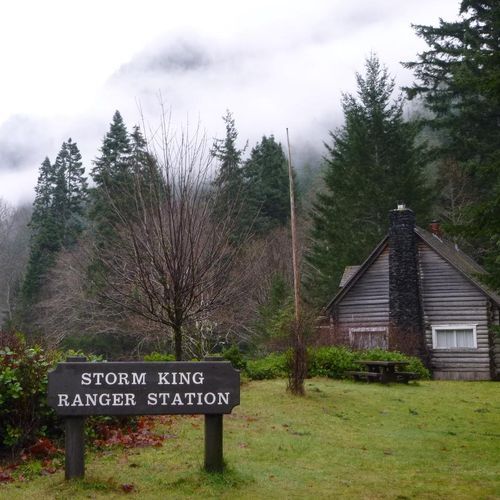
Storm King Ranger Station
Campgrounds
Camping guide →
Deer Park Campground
Deer Park
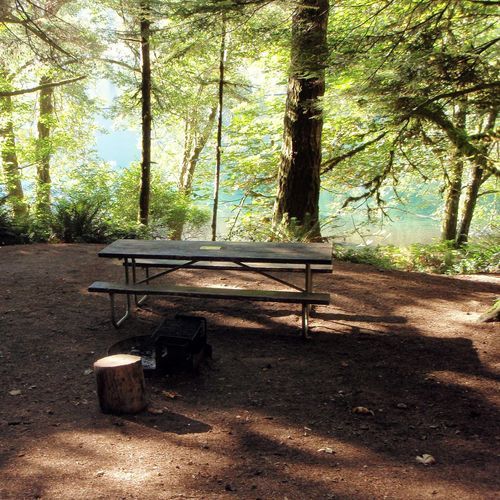
Fairholme Campground
Lake Crescent
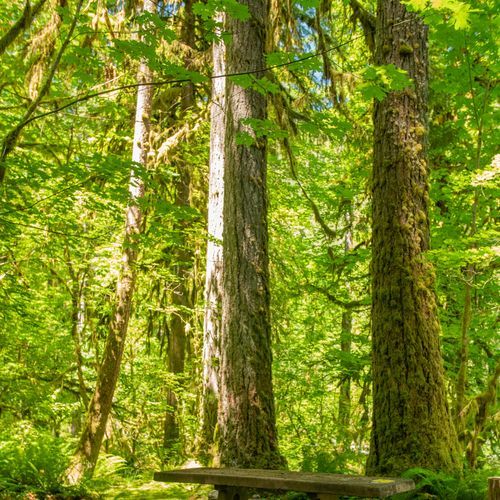
Graves Creek Campground
Staircase
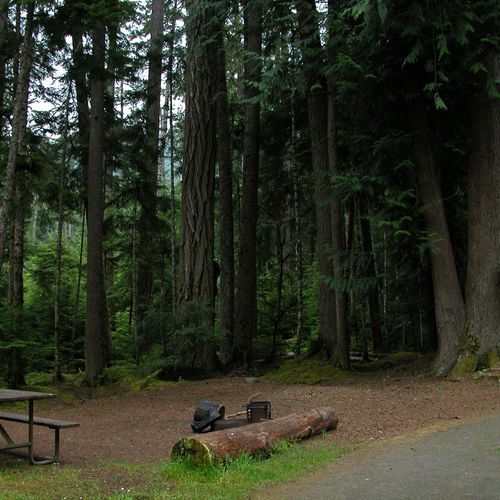
Heart O' the Hills Campground
Hurricane Ridge
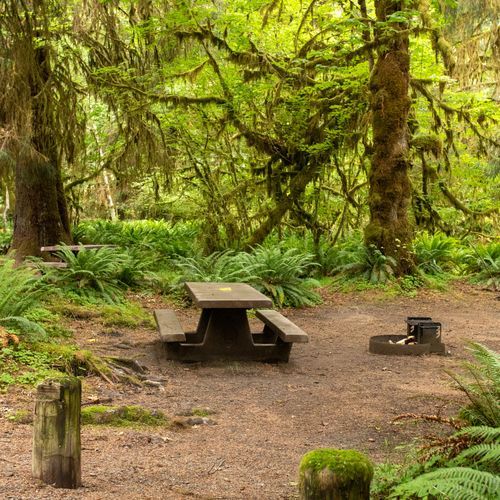
Hoh Campground
Hoh Rain Forest
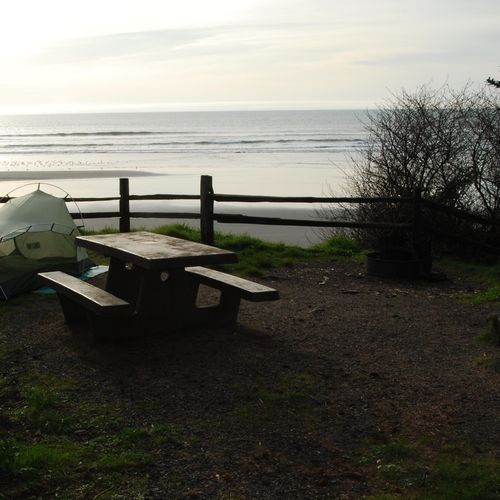
Kalaloch Campround
Kalaloch & Ruby Beach
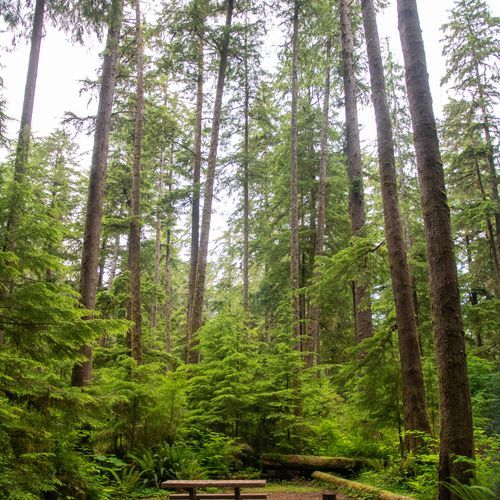
Mora Campground
Rialto, Second & Third Beaches
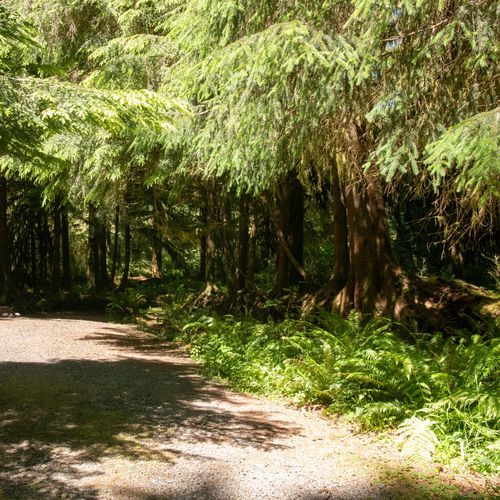
North Fork Campground
Quinault Rain Forest
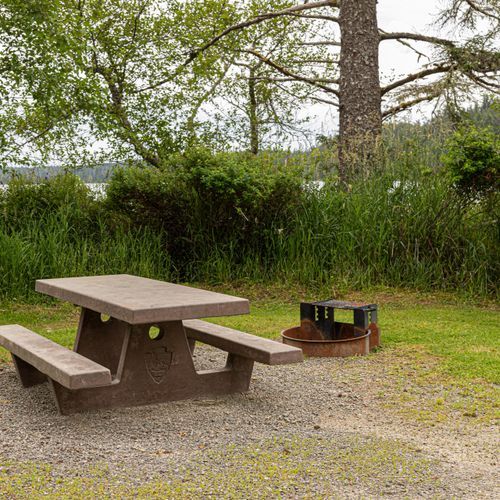
Ozette Campground
Rialto, Second & Third Beaches
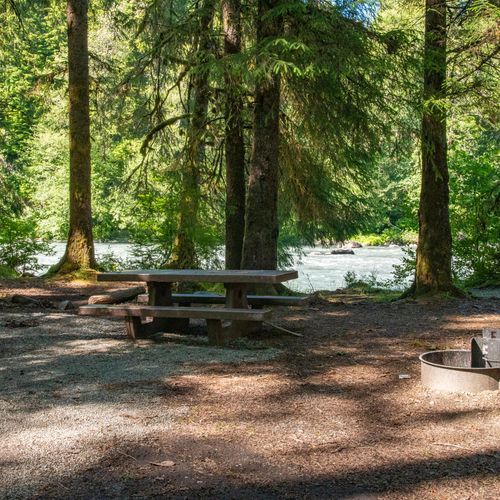
Queets Campground
Quinault Rain Forest
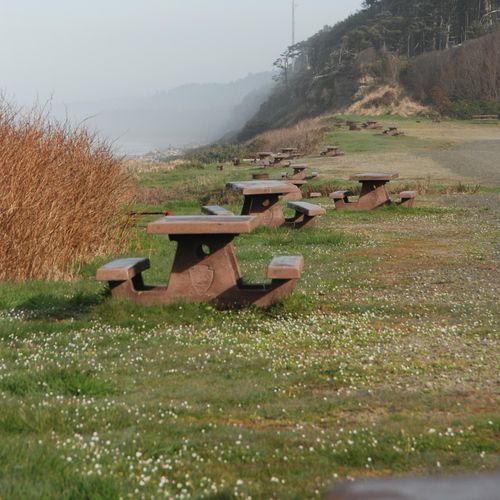
South Beach Campground
Kalaloch & Ruby Beach
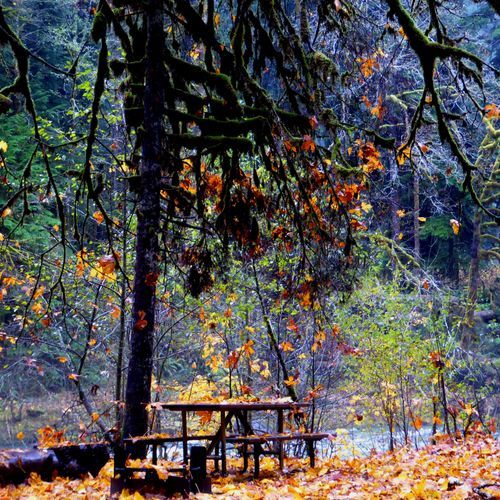
Staircase Campground
Staircase
About the Park
Park Areas
Hurricane Ridge stands out for its panoramic views of the Olympic Mountains and accessible alpine experiences. It offers snow activities in winter and hiking in summer, with abundant wildlife sightings. Despite the 2023 fire that destroyed the visitor center, temporary facilities are available. The Hoh Rain Forest provides a lush, temperate rainforest ecosystem with dense canopies and rich biodiversity. Visitors can explore the Hall of Mosses and observe wildlife like Roosevelt elk. Sol Duc Valley is known for its lush forests, hot springs, and the dramatic Sol Duc Falls. It offers solitude and rich biodiversity, with trails for all hiking levels.
Kalaloch and Ruby Beach present dramatic sea stacks and tidal pools, distinct from the park's rainforests and mountains. These beaches are ideal for photography and reflection. Lake Crescent offers clear waters for kayaking and fishing, with tranquil hiking trails and historic lodges nearby. Rialto, Second, and Third Beaches provide rugged shorelines and sea stacks, popular for tide pooling and photography. Quinault Rain Forest features lush vegetation and diverse wildlife, with trails like the Quinault Loop showcasing ancient trees.
Staircase offers old-growth forests and rugged terrain, with the North Fork of the Skokomish River providing scenic hiking opportunities. Deer Park, at 5,400 feet elevation, offers panoramic mountain views and subalpine meadows, with challenging trails for experienced hikers. Seasonal access due to snow adds a unique planning aspect.
Park Guides
All 12 guides →Driving the Peninsula Loop Between Park Regions
Olympic's regions are not linked by a single road. The Olympic Mountains fill the middle of the peninsula, so moving from one area to another means driving around them on Highway 101.
Olympic's Seasons: Summer Trails to Winter Snow
Weather in Olympic National Park is variable and unpredictable in every season. Different conditions often exist in different parts of the park at the same moment.
Hall of Mosses and the Hoh Rain Forest
The Hall of Mosses Trail is the walk most visitors come to the Hoh Rain Forest to take. This flat 0.8-mile loop passes through a grove of old big-leaf maples hung with heavy curtains of moss, while ferns cover the ground and Sitka spruce rise far above.
73 Miles of Wild Coast and Tidepools
Olympic National Park protects 65 miles of wild Pacific shoreline, one of the longest undeveloped coasts in the lower 48 states.
Winter Snow Play at Hurricane Ridge
Hurricane Ridge sits at 5,242 feet, high enough to stay buried in snow for much of the winter.
