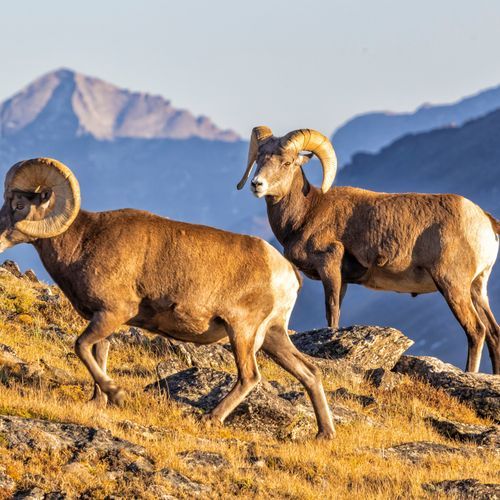
Rocky Mountain National Park breaks naturally into three distinct areas, and the smartest way to explore it is to treat each one as its own mountain experience. On the east side, the Estes Park entrances open into the park’s most iconic and most visited terrain: broad meadows, classic mountain views, easy access to trailheads, and some of the best wildlife watching in the park. This is where first-time visitors often begin, with places like Moraine Park, Horseshoe Park, Bear Lake country, and the dramatic backdrop of Longs Peak delivering the postcard version of Rocky Mountain. The east side is ideal for visitors who want variety in a single day—scenic drives, short walks, big alpine lakes, and a good chance of seeing elk in the valleys.
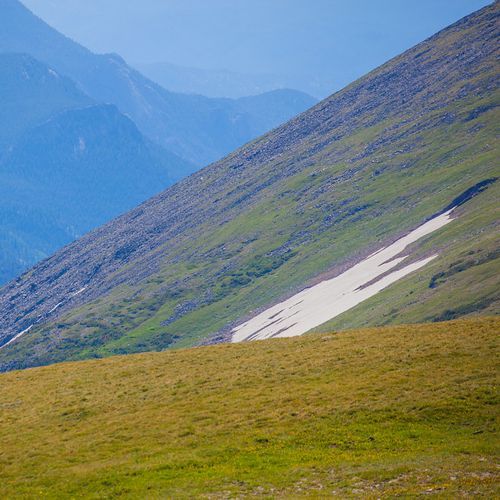
Running through the center is the high alpine spine of the park, where Trail Ridge Road climbs above treeline and Rocky reveals its most extraordinary dimension. This central alpine zone is defined by tundra, sweeping overlooks, exposed ridgelines, and a feeling of altitude that is impossible to ignore. Stops around Many Parks Curve, Forest Canyon, Fall River Pass, the Alpine Visitor Center, and the tundra along Trail Ridge are about immersion in the high country rather than settling into one valley. Visitors should think of this area as the park’s grand traverse: a place to drive slowly, stop often, step out for short tundra walks, and experience the Continental Divide and the vast scale that makes Rocky unique.
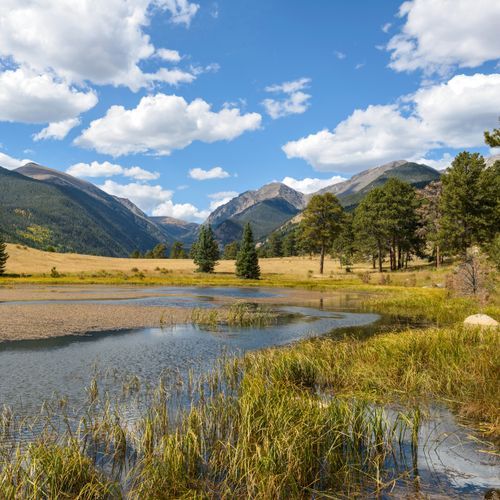
On the west side, the Kawuneeche Valley offers a quieter, softer, and more contemplative version of the park. Reached from Grand Lake, this side feels less crowded and more spacious, with broader valleys, more forest, rich wetlands, and the headwaters of the Colorado River. Wildlife viewing here is excellent, especially for moose, and the mood is less about dramatic roadside spectacle than about depth, solitude, and time spent in the landscape. Wild Basin, in the park’s southeastern corner, is often thought of as a separate subregion as well—more rugged, more trail-focused, and ideal for visitors who want waterfalls, forested climbs, and a slightly less trafficked alternative to the east side’s headline destinations. Put simply: explore the east for classic highlights, the alpine corridor for Rocky’s high-altitude drama, and the west for quiet immersion and a slower pace.