
Rocky Mountain National Park, located in the state of Colorado, is defined by its rugged mountains, pristine alpine lakes, and a variety of wildlife, making it a must-visit destination for nature lovers and adventurers alike.
Spanning the Continental Divide, Rocky Mountain National Park offers harsh, craggy peaks in the west and lush, verdant forests in the east. With elevations ranging from 7,860 to 14,259 feet, the park includes Longs Peak, one of Colorado's famous 'fourteeners', a challenging summit that attracts climbers from around the globe.
The park's complex topography creates distinctive climate zones that foster a rich biodiversity, including thick forests of spruce and fir, wide-open tundra, and riparian areas along its streams and rivers. Wildlife enthusiasts may encounter an array of animals such as elk, mule deer, moose, black bears, and a variety of birds, including the majestic bald eagle. The colorful aspen groves also provide a spectacular display of fall colors that draw visitors from across the country.
Rocky Mountain National Park offers a variety of recreational activities including hiking along its 355 miles of trails, scenic drives such as the Trail Ridge Road which is the highest continuous paved road in the United States, offering breathtaking panoramic views of the surrounding area. Fishing, wildlife watching, and winter sports like skiing and snowshoeing also attract visitors year-round.
Remember, this high-altitude environment requires preparation for changing weather conditions and proper acclimatization. Whether you're seeking thrilling mountain adventures or peaceful moments in nature, Rocky Mountain National Park provides an unforgettable experience with its awe-inspiring landscapes and rich history.
Rocky Mountain National Park
Colorado
Colorado
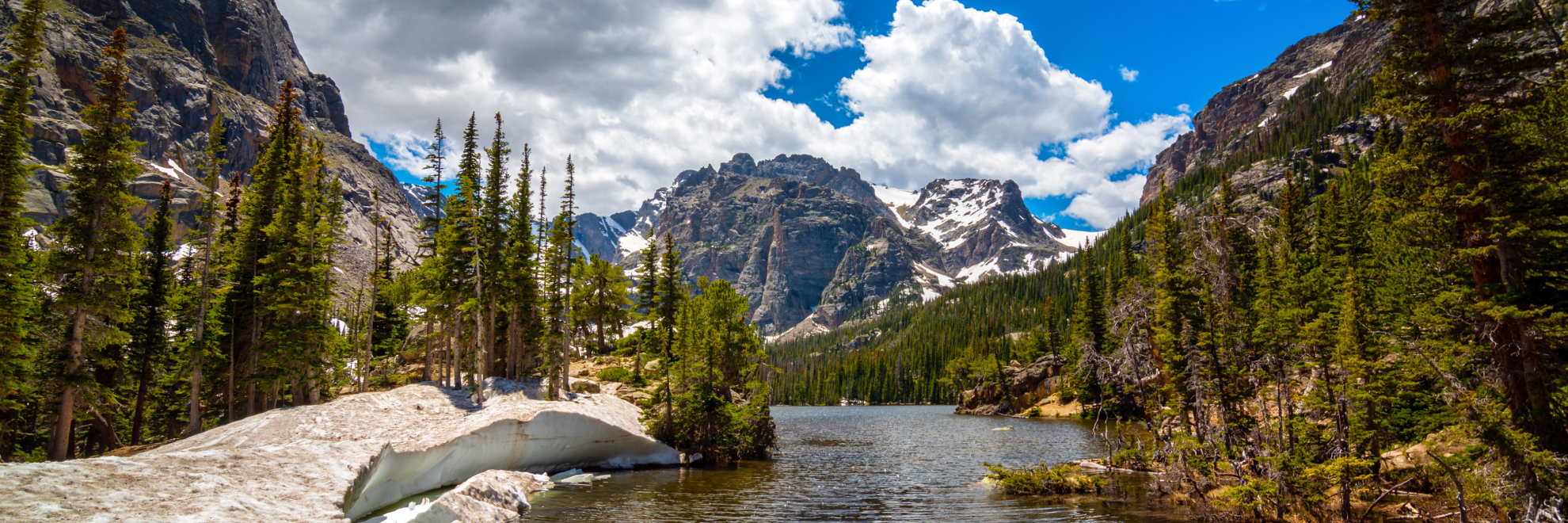
In Rocky Mountain National Park in Colorado, the Continental Divide splits the park from north to south across a landscape of high peaks. Sixty summits top 12,000 feet, and roughly a third of the land is alpine tundra. Longs Peak, at 14,259 feet, is the park's only fourteener. No paved through road in any national park climbs higher than Trail Ridge Road, which crosses the divide and reaches 12,183 feet. Along it, Forest Canyon Overlook looks toward Longs Peak and the Gorge Lakes. More than 300 miles of trails include a short, easy walk around Bear Lake. Wildlife viewing is a favorite pastime here, with elk, bighorn sheep, mule deer and moose among 66 mammal species.
Park Areas
All areas →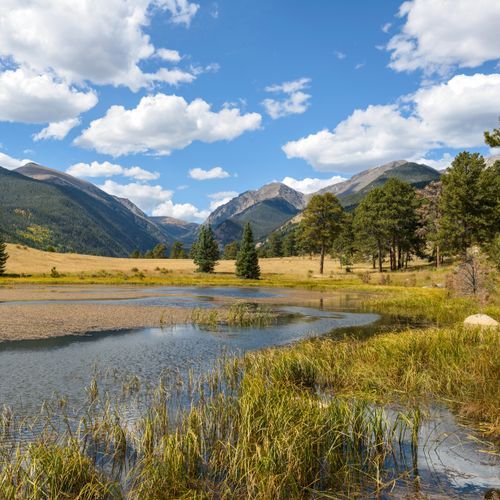
East Side
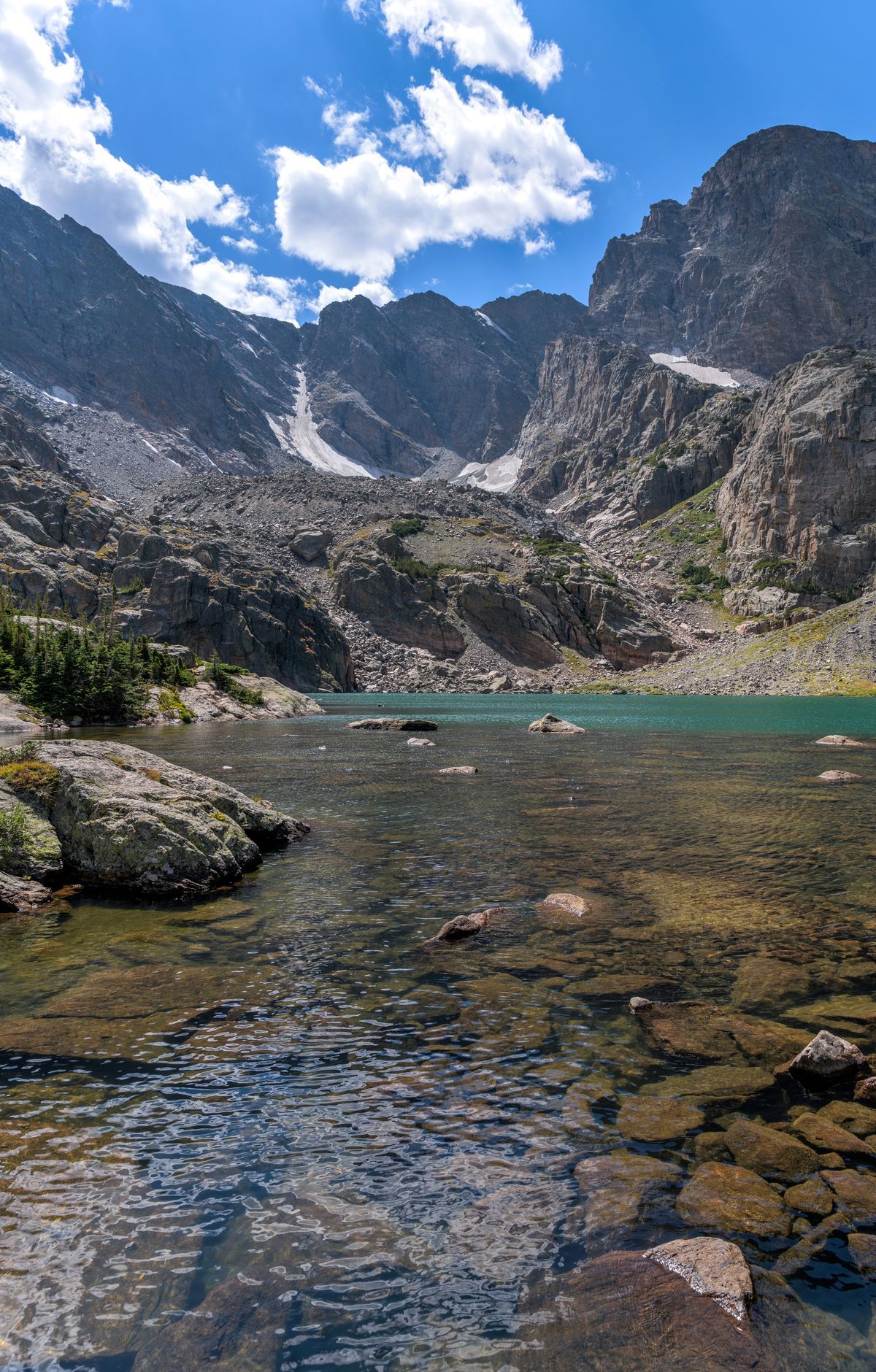
The East Side is reached through Estes Park, the gateway town at the end of U.S. Highways 34 and 36 west from I-25. Hiking defines the area. Around Bear Lake, trails lead past Dream Lake to Emerald Lake, over to Lake Haiyaha and The Loch, and on to Mills and Black Lakes. The Longs Peak Area climbs toward Chasm Lake and the Boulder Field, while the Fern Lake Area includes the Spruce Lake Trail. Farther north, the Mummy Range Area holds Lawn Lake and Ypsilon Lake. Horseback riding is also part of the mix, and hitchracks stand at spots such as Lawn Lake, Ypsilon Lake and Mills Moraine. The Sprague Lake Area adds a nature trail. When snow covers the high trails, snowshoers head out on the east side as well.
West Side
West of the Continental Divide, the landscape turns wetter and more forested than the drier, heavily glaciated east side. The Kawuneeche Valley lies on this side, and the town of Grand Lake serves as the gateway, reached by US Highway 34 from Granby. Hiking trails start from several trailheads. A 0.8-mile walk from the East Inlet Trailhead leads to Adams Falls, while the Coyote Valley Trailhead offers a 1-mile loop. Longer routes reach Big Meadows and Granite Falls from the Green Mountain Trailhead and Cascade Falls from the North Inlet Trailhead. From the Colorado River Trailhead, a 7.4-mile hike visits Lulu City, a ghost town. Horseback riding and wildlife viewing add to the options, and in winter rangers lead snowshoe hikes through the Kawuneeche Valley.
Alpine Areas
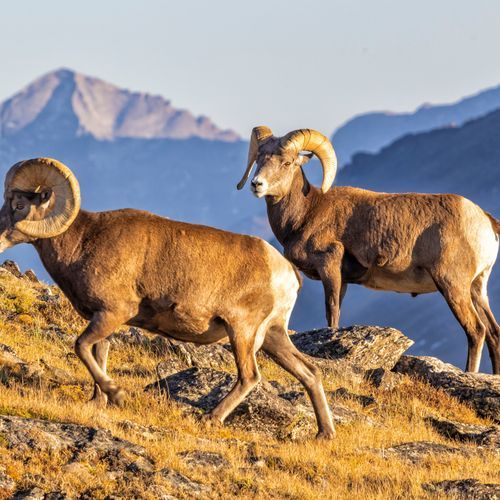
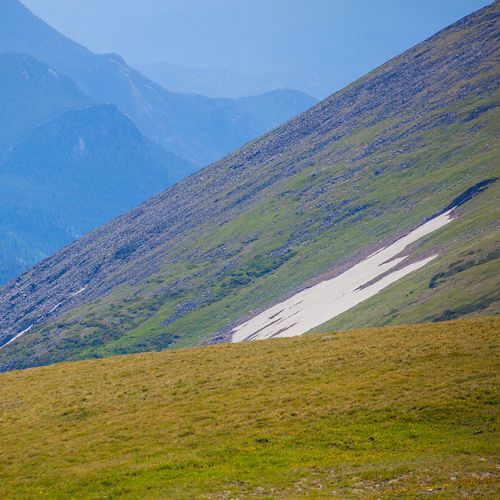
Above roughly 11,000 feet, trees give way to alpine tundra, and more than a third of the park lies in this cold, windswept zone. Plants survive by staying low: cushion plants anchor long taproots in rocky soil, and many wildflowers grow dwarfed. No paved through road in any national park climbs higher than Trail Ridge Road, which crosses about 11 miles of tundra and tops 12,000 feet. Its overlooks give a good chance of spotting bighorn sheep and elk, and the Tundra Communities Trail puts you on the tundra itself. Old Fall River Road, an unpaved, one-way uphill route built between 1913 and 1920, climbs Mount Chapin's south face from subalpine forest into alpine terrain. Both roads reach Fall River Pass and the Alpine Visitor Center, the highest in the National Park System at 11,796 feet.
Popular Hiking Trails
All trails →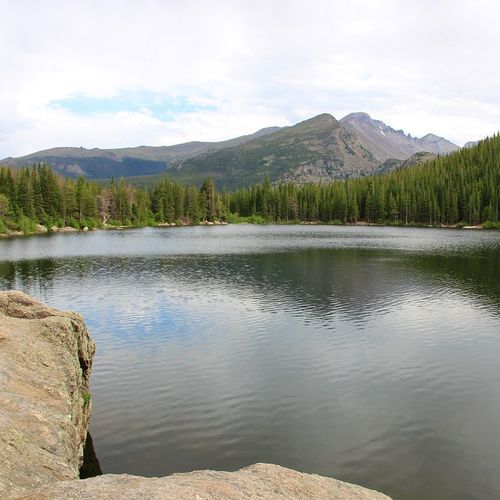
Bear Lake Trail
Easy0.6 mi
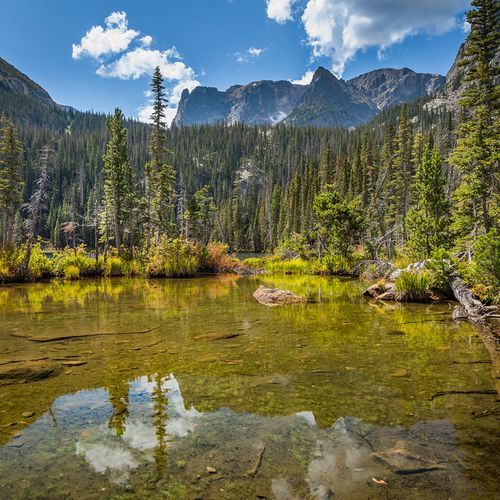
Fern Lake Trail
Moderate7.5 mi
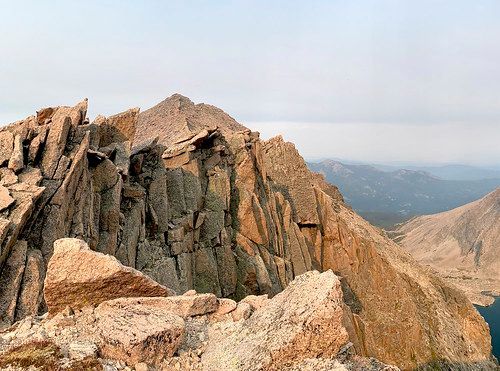
Longs Peak Trail
Extreme13.7 mi
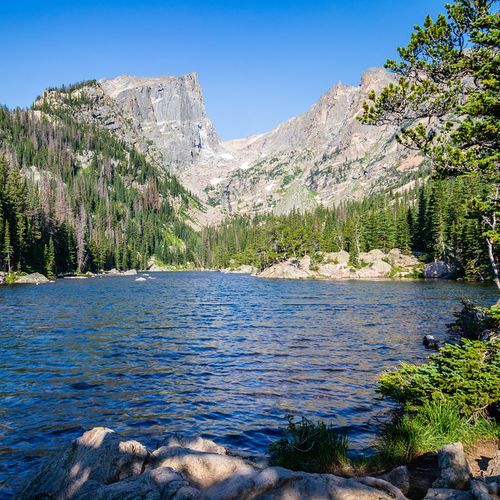
Emerald Lake Trail
Moderate3.2 mi
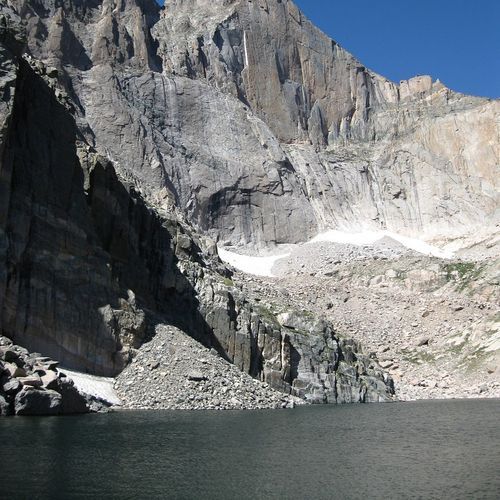
Chasm Lake Trail
Difficult8.3 mi
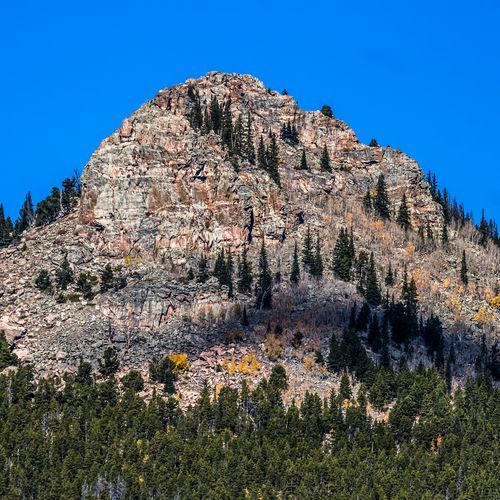
Estes Cone Trail
Moderate6.1 mi
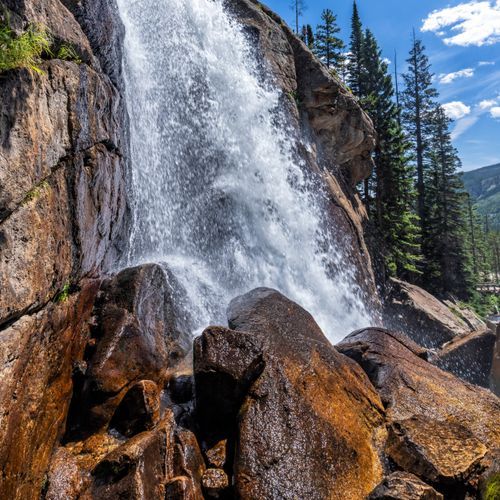
Copeland Falls Trail
Moderate5.8 mi
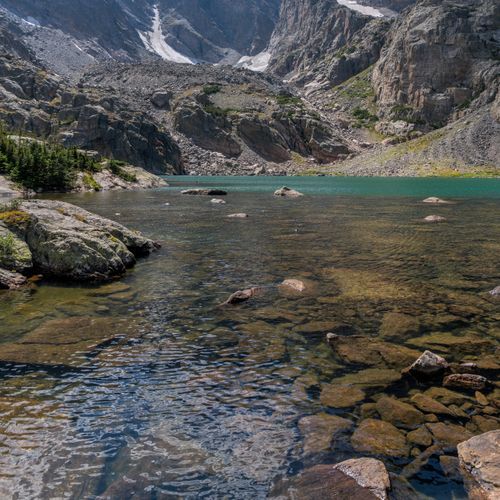
Sky Pond Trail
Difficult8.6 mi
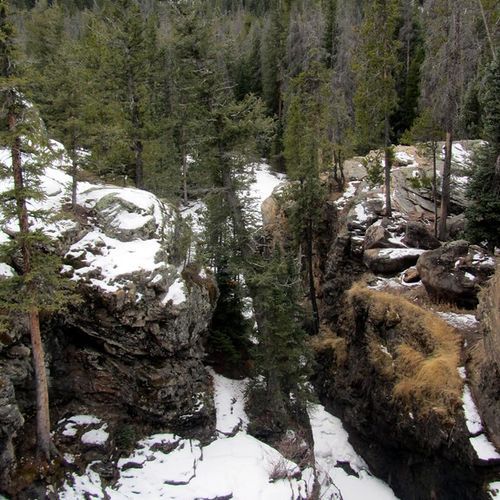
Adams Falls Loop
Easy0.7 mi
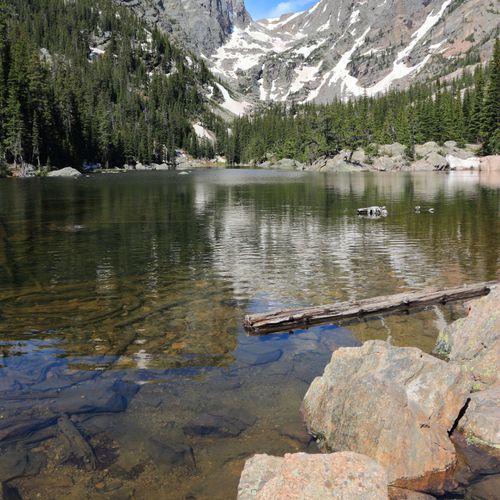
Odessa Lake Trail
Moderate8.5 mi
Visitor Centers
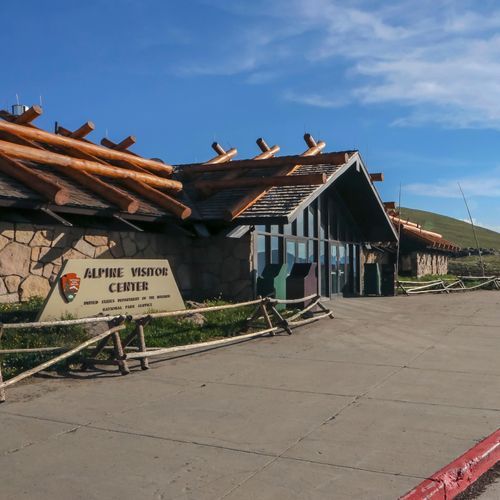
Alpine Visitor Center
Closed
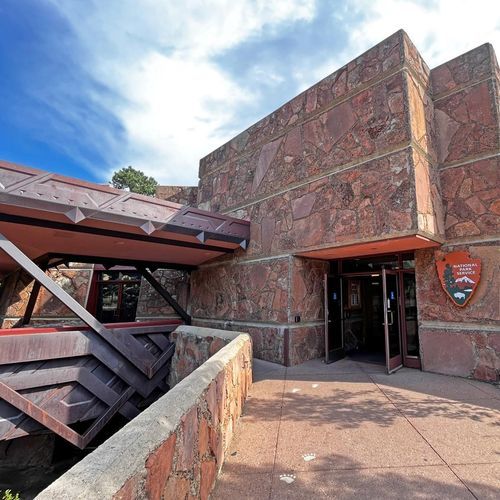
Beaver Meadows Visitor Center
9:00AM - 4:30PM
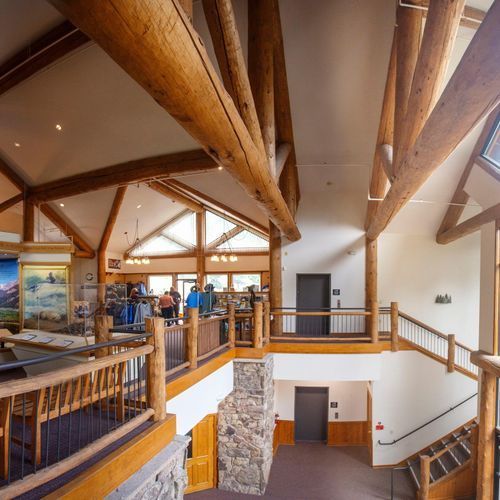
Fall River Visitor Center
9:00AM - 4:30PM
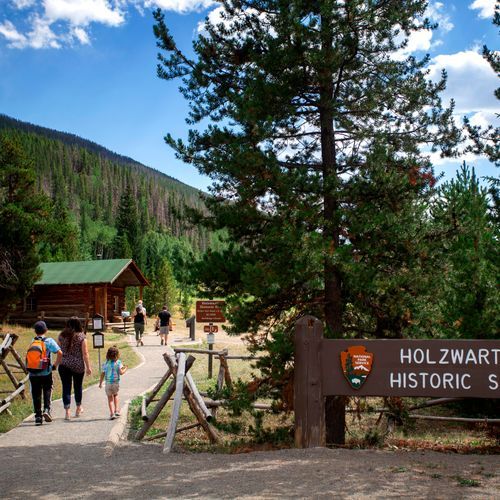
Holzwarth Historic Site
Closed
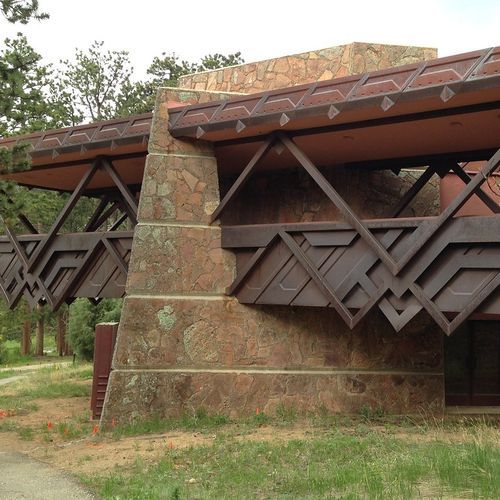
Information Office
8:00AM - 4:00PM
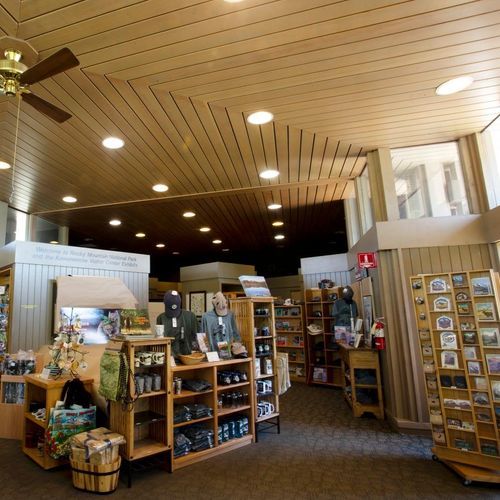
Kawuneeche Visitor Center
Closed
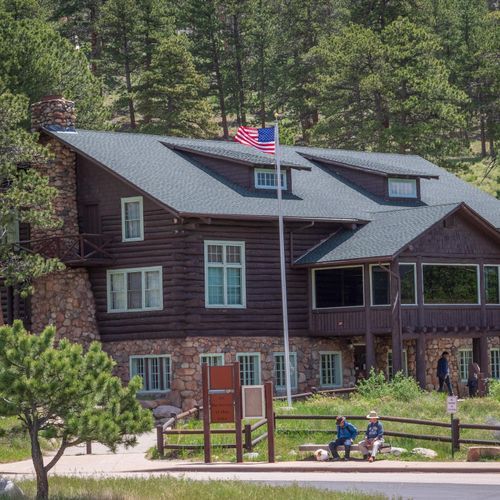
Moraine Park Discovery Center
Closed
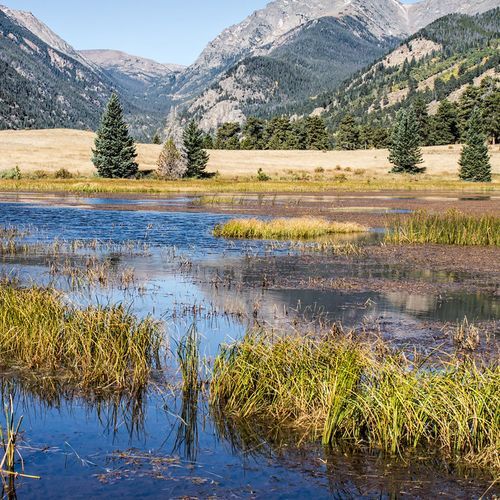
Sheep Lakes Information Station
Closed
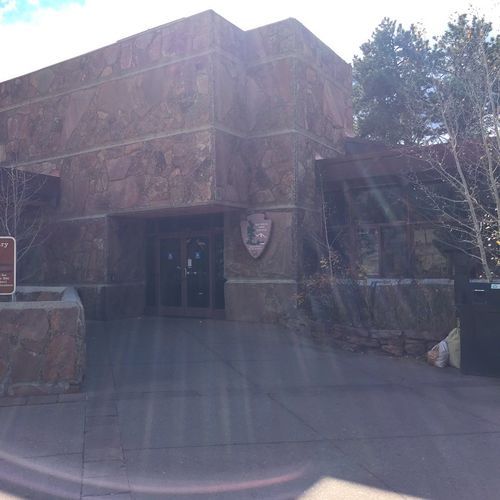
Wilderness Office
7:00AM - 3:30PM
Campgrounds
Camping guide →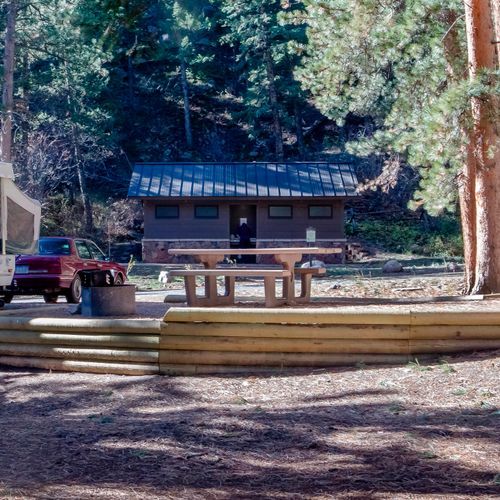
Aspenglen Campground
East Side
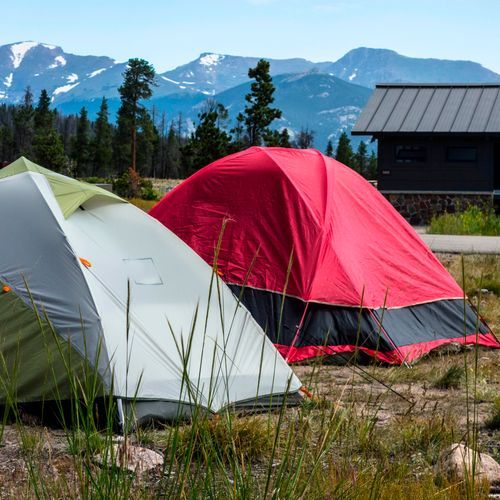
Glacier Basin Campground
East Side
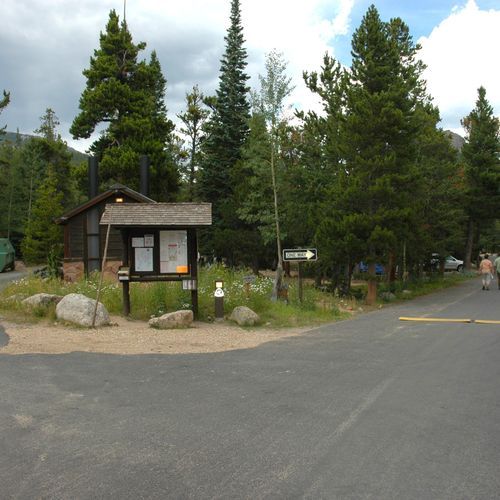
Longs Peak Campground
East Side
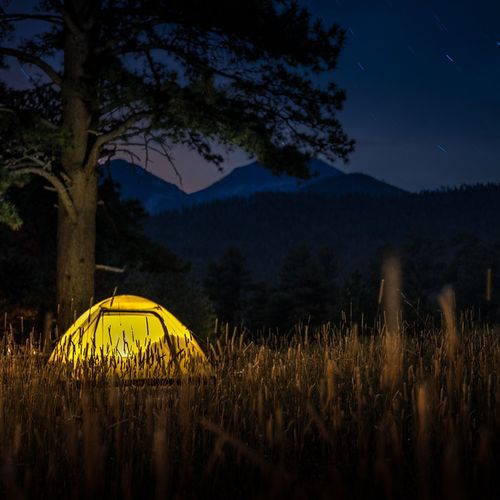
Moraine Park Campground
East Side
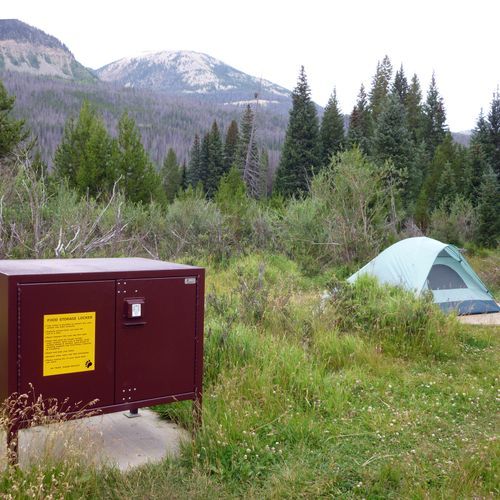
Timber Creek Campground
Alpine Areas
About the Park
Park Areas
The East Side of Rocky Mountain National Park is a prime destination for visitors due to its accessible trails and diverse wildlife. It features well-maintained paths suitable for all skill levels and offers historical sites and educational centers. Trail Ridge Road provides sweeping vistas and connects different ecosystems, enhancing the visitor experience. Its proximity to Estes Park allows for easy access to amenities.
In contrast, the West Side offers a quieter, less crowded experience with lush, dense forests and abundant wildlife, including moose. Trail Ridge Road also traverses this area, offering stunning alpine views. The Kawuneeche Valley is ideal for scenic hiking and fishing, providing a serene atmosphere and opportunities to explore the Colorado River's headwaters.
Alpine areas present a unique experience with stark landscapes and panoramic views above the tree line. These regions feature diverse ecosystems and rare wildlife, with the Tundra Communities Trail offering a glimpse of fragile plant life. Visitors should prepare for unpredictable weather at these elevations. Trail Ridge Road, reaching over 12,000 feet, showcases the dramatic transition from montane to alpine environments.
The Southeast region offers diverse landscapes, including dense forests and alpine lakes, with terrain suitable for families and casual hikers. Historical sites like the Holzwarth Historic Site provide insights into early 20th-century homesteading. This area is less crowded than Bear Lake, offering a quieter experience while still showcasing the park's natural beauty.
Park Guides
All 11 guides →Trail Ridge Road: Driving Across the Tundra
Trail Ridge Road carries US Highway 34 for 48 miles across Rocky Mountain National Park, linking Estes Park on the east side with Grand Lake on the west.
Bear Lake to Nymph, Dream, and Emerald Lakes
The Emerald Lake Trail begins at the Bear Lake Trailhead, at the end of Bear Lake Road on the east side of Rocky Mountain National Park.
Climbing Longs Peak and the Keyhole Country
At 14,259 feet, Longs Peak rises above every other summit in Rocky Mountain National Park and is the only fourteener inside its boundaries.
Five Ecosystems from Ponderosa Forest to Tundra
Climb a thousand feet in Rocky Mountain National Park and the average temperature in dry air falls about 5.4 degrees Fahrenheit.
Moraine Park Elk, Bighorn Sheep and Kawuneeche Moose
Moraine Park is one of the most reliable places in Rocky Mountain National Park to find elk, with herds grazing across the open valley floor.
