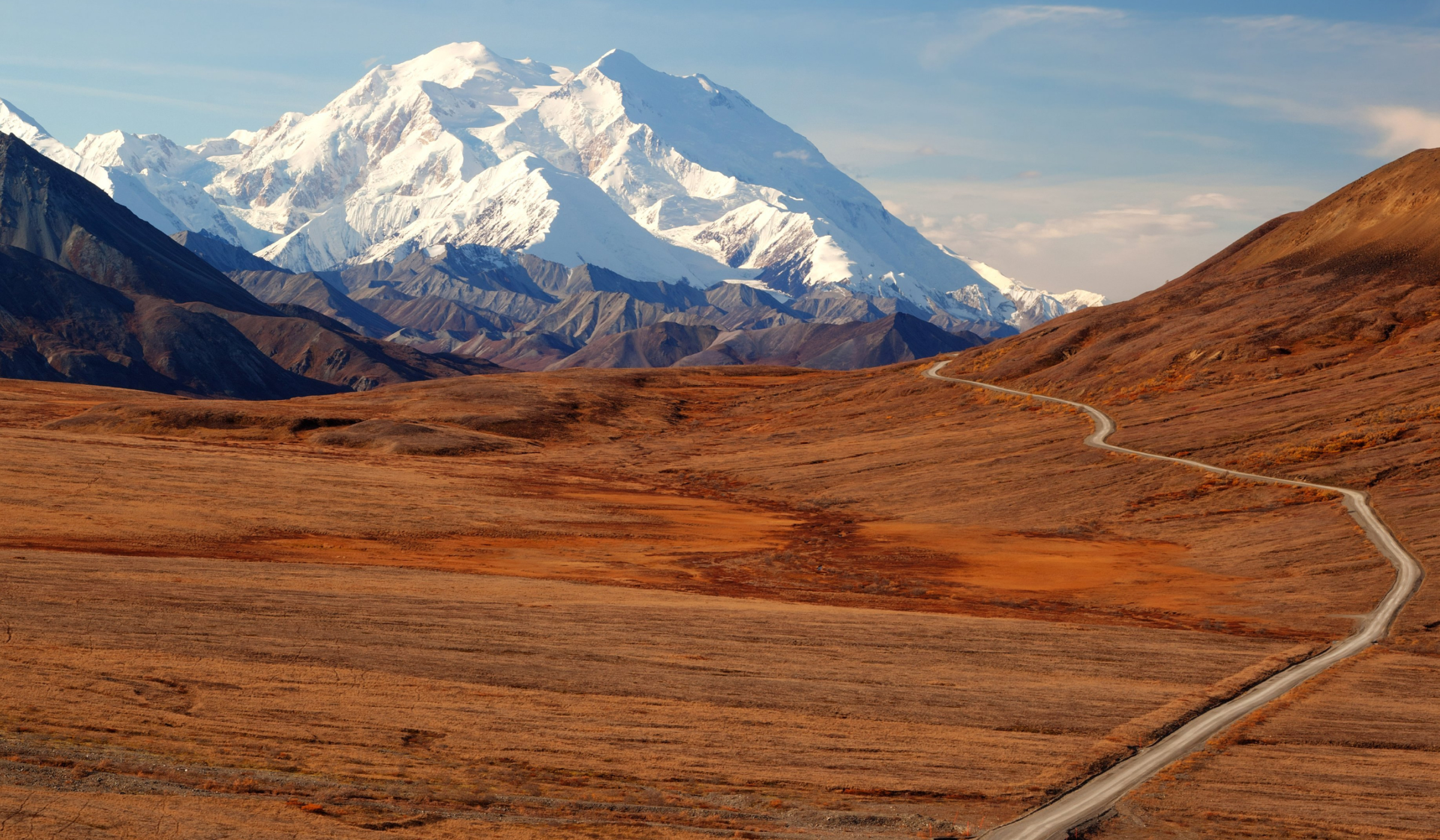
Planning Your Visit to Rocky Mountain National Park
Rocky Mountain National Park rewards smart planning. For the fullest experience, aim for summer through early fall, when high-country routes like Trail Ridge Road are typically open and hiking access is at its best. June brings classic summer conditions, July and August are prime for backpacking, September is excellent for wildlife and crisp mountain days, and October is the sweet spot for lighter crowds and lower travel costs. Winter has its own appeal—quiet trails, snowshoeing, and a far less hectic atmosphere—but first-time visitors usually get the most out of a first trip between June and September, when the park’s signature drives and a wider range of trailheads are more reliably accessible. Getting there is straightforward. Rocky Mountain National Park sits in northern Colorado, about 90 minutes from Denver, making Denver the most convenient fly-in city for most travelers. The east side near Estes Park is the most popular gateway and is reached from I-25 via U.S. 34 or 36; the west side near Grand Lake is approached from I-70 via U.S. 40 and U.S. 34. Entrance fees apply, so expect to pay a park admission fee unless you hold an annual or interagency pass. Because this is not a fee-free park, it pays to sort out your pass options before arrival. In peak season, demand is high, so reserve campsites and lodging early and be prepared for timed-entry requirements and crowded trailheads. For first-time visitors, the biggest mistake is underestimating the combination of altitude, weather, and crowds. Weather changes fast here, especially as you gain elevation, so dress in layers and carry rain protection, extra water, snacks, sturdy footwear, and a map even if you rely on your phone. Give yourself time to acclimate, start early, and keep a backup plan in case your first-choice trailhead is full. If you can, spend at least two or three days so you’re not rushing through one of the West’s great mountain parks. Rocky is busiest for a reason, but with an early start, realistic expectations, and a little flexibility, a first visit can feel effortless.
Best time to visit
For full park access, including Trail Ridge Road and Old Fall River Road, aim for summer through early fall. June is a strong all-around choice for hiking and open roads, September is excellent for wildlife and fall color, and October is quieter if you want fewer crowds. Winter offers a very different trip with low visitation and snow activities, but expect cold temperatures and seasonal road closures.
Getting there and transportation
Rocky Mountain National Park sits in northern Colorado, with the east side accessed through Estes Park and the west side through Grand Lake. Most visitors arrive by car; from the Front Range, take I-25 to Highway 34 or 36 for Estes Park, or use I-70 and Highway 40 to reach Grand Lake. Plan for limited parking at popular trailheads and scenic stops, and build in extra time for traffic during peak season.
Where to stay
Estes Park is the most convenient base for the east side of the park, while Grand Lake works well for a quieter west-side stay. Visitors can choose from gateway-town hotels, cabins, and vacation rentals, or stay inside the park at campgrounds for earlier access to trails and scenic drives. If you want to camp, reserve as early as possible, especially for summer and early fall when sites can fill months ahead.
What to pack and prepare
Pack for fast-changing mountain weather, even on short outings: layers, a waterproof jacket, sturdy footwear, sun protection, food, and plenty of water are essentials. Carry the 10 essentials, including a paper map and compass, and do not rely only on your phone for navigation. If you are coming from lower elevation, give yourself time to acclimate and keep your first day lighter than planned.
Safety and regulations
Weather can shift quickly with elevation, so check the forecast before every hike and be willing to turn around if conditions deteriorate. Know your limits, pace yourself, and keep your group together, since altitude and overexertion are common problems for visitors. Expect park rules designed to protect wildlife and the visitor experience, and plan ahead for permit or reservation requirements during busy periods.
Accessibility information
Visitors who need accessible trip planning should focus first on developed areas such as visitor centers, scenic overlooks, and popular roadside stops, which are generally the easiest places to begin. Accessibility can vary widely by trail, shuttle stop, restroom, and lodging area, so confirm details for the specific facilities you want to use before arrival. Arriving with a short list of priority stops makes it much easier to build a smooth, low-stress day in the park.
Tips for first-time visitors
Give yourself at least two to three days if possible, since Rocky Mountain rewards a slower pace and the altitude alone can make packed itineraries backfire. Make a plan with backup options because busy trailheads and overlooks can change your day quickly, especially in summer. Start early, pack patience, and remember that flexibility is often the difference between a stressful visit and a great one.
Start planning your trip with personalized itineraries in the Parka app
Download Parka — It's FreeStart planning your Rocky Mountain National Park trip
Free on the App Store