
Buffalo National River guides
8 in-depth guides to Buffalo National River, in reading order: what to see, how to get around, and what to know before you go. Back to the Buffalo National River overview.
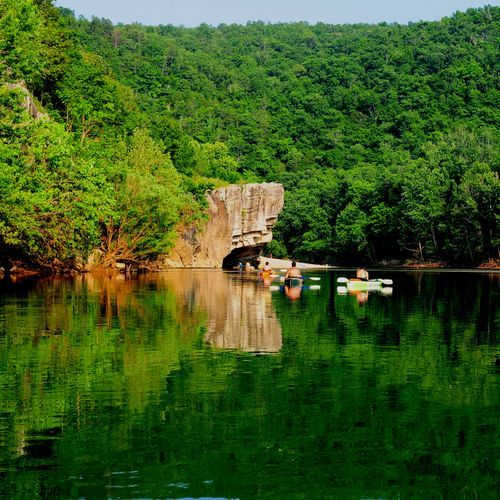
22 Access Points and Shuttle Logistics
The river can be entered or left at any of its 22 access points, so you can plan a float that starts and ends where you choose.
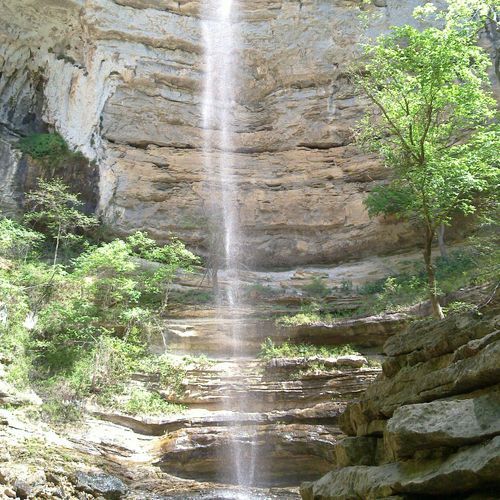
Hemmed-in Hollow Falls and Big Bluff
The Compton Trailhead is a common starting point for the Ponca Wilderness, and it is where the Hemmed-in Hollow Trail begins.
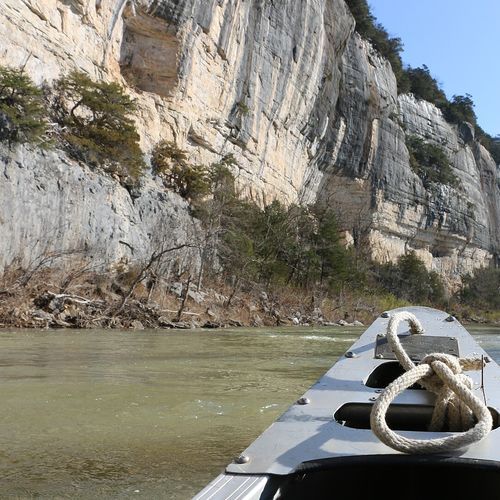
Floating the Buffalo: Whitewater Upstream, Calmer Downstream
Floating is how many visitors experience Buffalo National River. The lower 135 miles lie within the park, and the middle and lower reaches run calmer than the upper river.
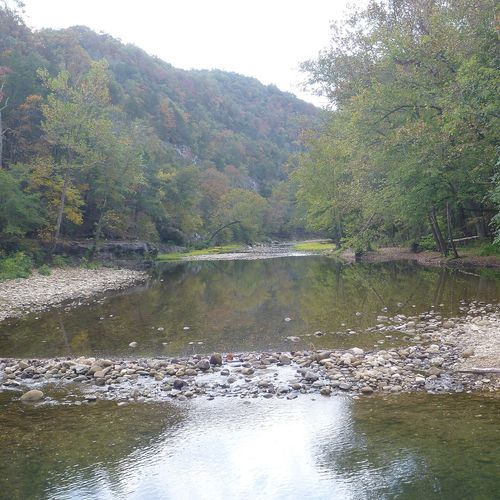
Snorkeling Clear Pools Below Ponca Bluffs
Snorkeling at Ponca lets you see the Buffalo River from just beneath its surface. Below the stone bluffline at Ponca, snorkelers swim in the blue waters of the river.
Turtles, Herons and Bass Along the Banks
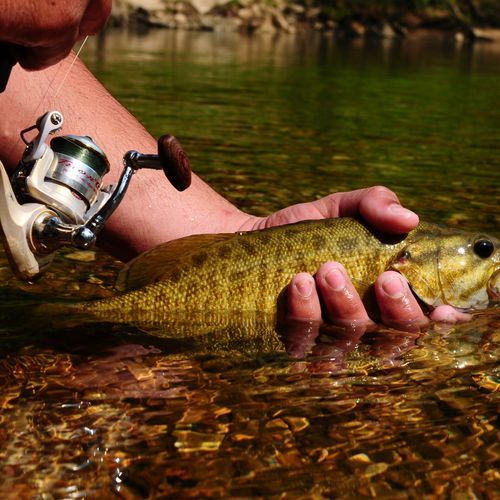
Smallmouth bass are a major draw for anglers on the Buffalo. The river is home to seventy-four species of fish, and twelve of them are game fish.
Towering Bluffs and Karst Caves
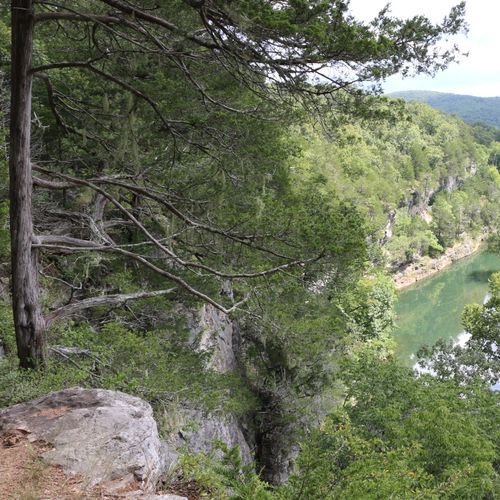
Buffalo National River sits in the Ozarks, where karst is one of the defining features of the land.
Riverside History: Rush, Erbie and Boxley
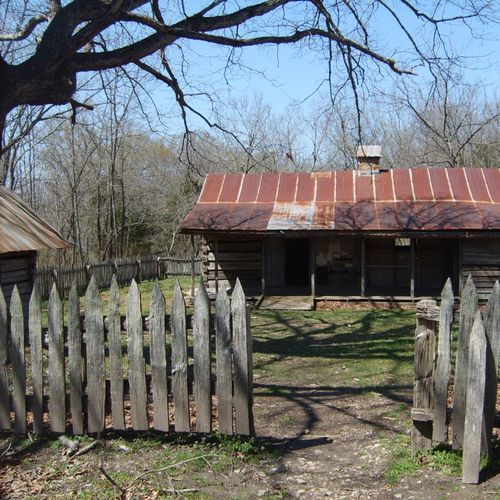
The Rush Historic District lies near the Yellville and Buffalo Point area and covers about 1,300 acres of old zinc mining ground.
Gravel Bar Camping Rules on the Buffalo
Gravel bars are one of the most popular places to camp along the Buffalo. Campers can pitch tents on many of them and build campfires, though the bars have no developed facilities.