
Channel Islands National Park is a pristine natural sanctuary off the coast of southern California, comprising five remarkable islands and their surrounding waters. Anacapa, Santa Cruz, Santa Rosa, San Miguel, and Santa Barbara islands each offer a glimpse into diverse ecosystems and captivating natural landscapes, collectively preserving a wealth of natural and cultural resources.
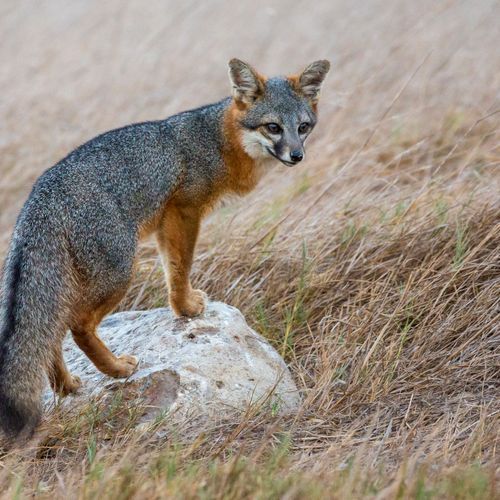
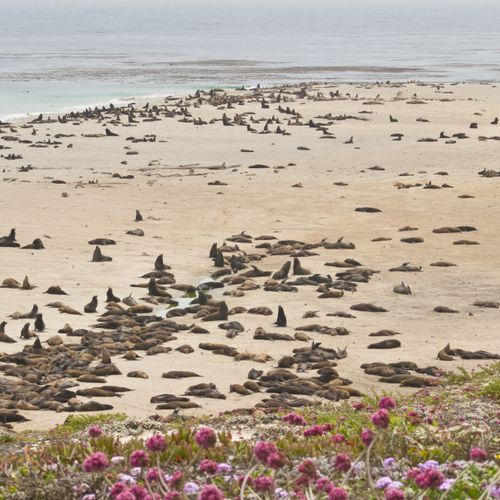
The park is a haven for a multitude of wildlife species. It boasts over 2,000 plant and animal species, of which 145 are found nowhere else on Earth. Especially notable is the diminutive island fox, which has been the subject of successful conservation efforts leading to significant increases in their population. The islands also serve as a major breeding ground for the California sea lion and harbor seals.
The human history of the Channel Islands stretches back over 13,000 years, encompassing the rich heritage of the Chumash Native American tribes. Remnants of these cultures can be seen in the form of shell middens and primitive tool sites scattered across the islands. More recent history is preserved in the 19th-century ranch buildings and historic structures on the islands.
Accessible primarily by boat, Channel Islands National Park features dramatic sea cliffs, sea caves, and unique rock formations, including the famous Painted Cave on Santa Cruz Island, one of the largest sea caves in the world. It offers a truly remote adventure for visitors, providing opportunities for kayaking through sea caves, snorkeling in kelp forests, and hiking along scenic trails overlooking the Pacific Ocean.
Without any connection to mainland utilities, this park exemplifies the beauty and resilience of undisturbed nature. Notably, the islands serve as a crucial research area for scientists studying island ecology and archaeology, providing valuable insights into the evolution of isolated ecosystems.
Channel Islands National Park
California
California
Five remote islands off the Southern California coast make up this park, and thousands of years of separation have given rise to wildlife and plants found only here, among them the island fox and 145 species unique to the islands. The park protects the surrounding ocean, where visitors sea kayak among sea caves and snorkel or dive through kelp forests. Hikers can follow the Potato Harbor Trail or visit Cavern Point on land, and camping is available on the islands. Archeological sites record more than 10,000 years of human life here, including the Island Chumash, who relied on the sea and crossed to the mainland in plank boats made of redwood that had drifted down the coast.
Park Areas
All areas →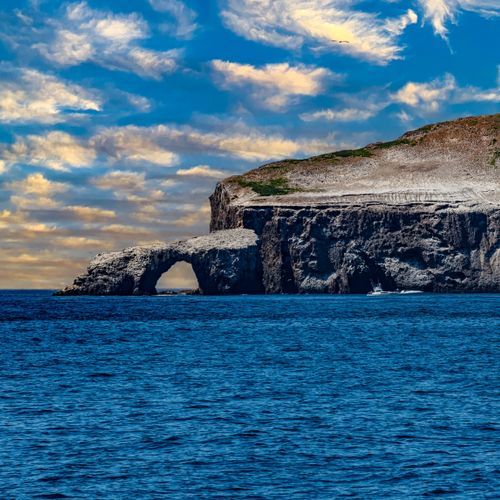
Anacapa Island
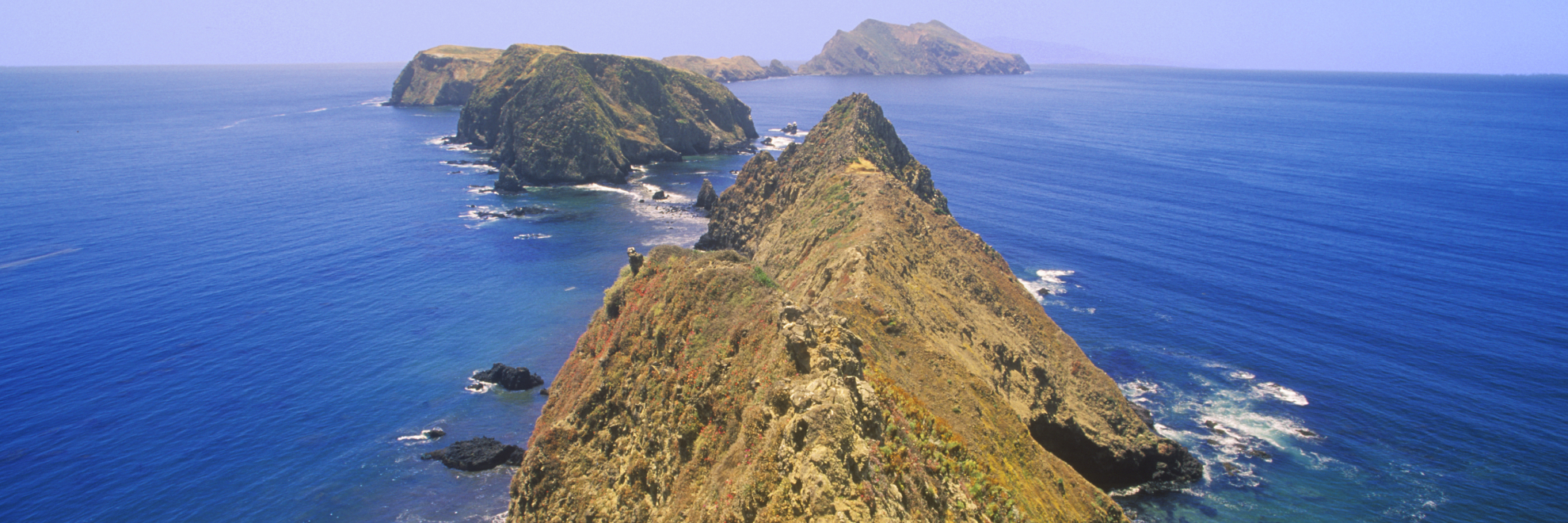
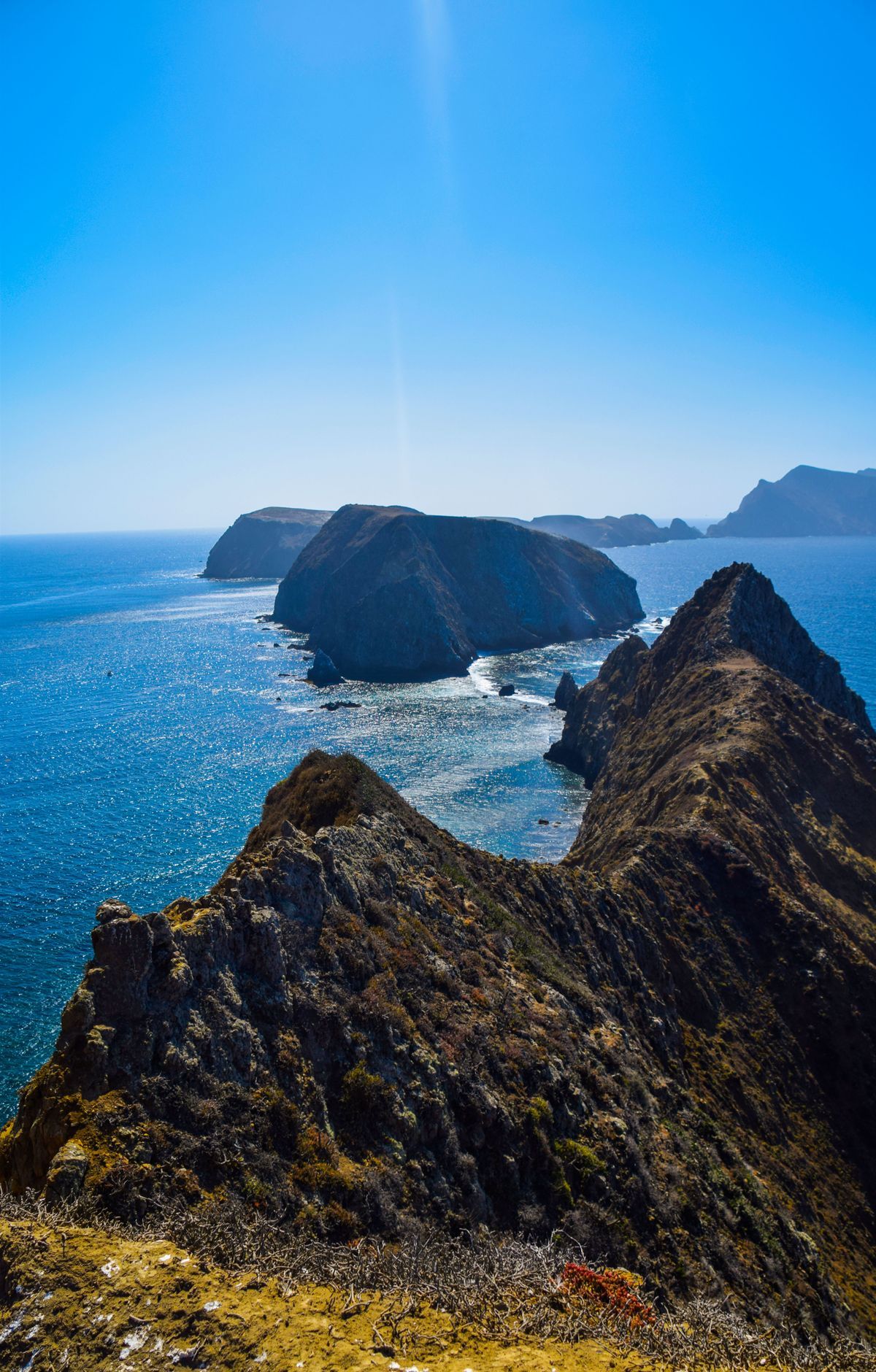
Arch Rock, a forty-foot natural bridge carved by waves, rises above volcanic sea cliffs, and about 30 sea caves are tucked along the shoreline. Most visitors stay on East Anacapa, where roughly two miles of trail wind across gentle slopes to viewpoints in a figure-eight loop. Inspiration Point, a bluff at the end of one route, looks across the three islets and out toward Santa Cruz. The island's lighthouse, lit in 1932, sits a short walk from the landing and was the final permanent light built along the West Coast. Western gulls nest across the island from spring into summer, so expect noise, odor and birds guarding their territory. Boats also reach Frenchy's Cove, a small beach on West Anacapa where the biggest group of nesting California brown pelicans gathers.
Santa Cruz Island
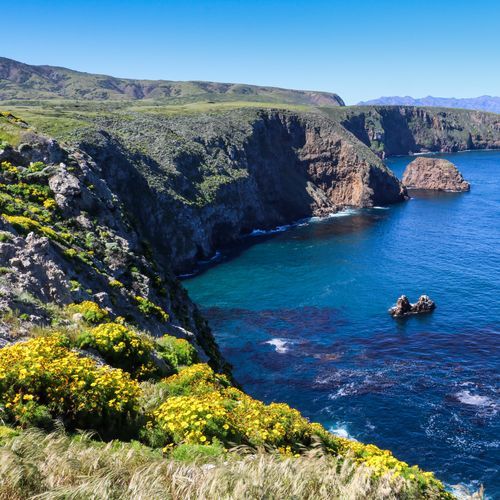
Santa Cruz is the largest island in the park and the one with the most things to do. Its peaks, canyons and craggy shoreline shelter the island fox and the island scrub-jay, and the scrub-jay lives on no other island. Boats land at Scorpion Anchorage, where a guided concession leads sea kayak trips into the sea caves. Painted Cave ranks among the planet's biggest sea caves, and paddlers heading west toward Cavern Point or east toward Scorpion Rock often see wildlife along the way. On foot, the 5.2-mile Potato Harbor loop draws more hikers than any other route here, and longer trails climb into the interior. Campers can stay at the Scorpion Ranch campground, though they should be ready for strong winds, fog and little shade.
Santa Rosa Island
At about 53,000 acres, this is the state's second largest island, marked by rolling hills, deep canyons and a high central ridge. Its shoreline shifts from wide sandy beaches and dunes to a coastal lagoon and sheer cliffs. Six plant species grow here and nowhere else, and the island fox, spotted skunk and island deer mouse are native mammals found only in this island group. Hikers can follow a level route to Water Canyon Beach or a rugged, mountainous path toward Black Mountain. Cherry Canyon is a shorter walk that some manage on a day trip. Boats arrive at Bechers Bay, where a small campground sits roughly a mile and a half from the landing point. The Chumash called the island Wima, meaning driftwood, for the logs currents brought ashore to build plank canoes.
San Miguel Island
The westernmost island takes the full force of North Pacific wind and fog, so its weather stays windswept and harsh. Point Bennett, at the western tip, is one of the largest wildlife concentrations in the world, where up to five pinniped species breed, pup and haul out, with more than 30,000 animals at times. Reaching it means an all-day, ranger-guided hike on designated trails, because off-trail walking is not permitted and the former bombing range may still hold unexploded ordnance. A permit and liability waiver are required before going ashore. Native plants are returning after a century of sheep ranching, and overnight visitors can camp. Cuyler Harbor Beach and the Cabrillo Monument are open for exploring when visitors are not with a ranger.
Santa Barbara Island
The smallest Channel Island rises as a one-square-mile mesa with steep cliffs and twin peaks, the higher being Signal Peak at 634 feet. Those cliffs make ideal nesting ground for Scripps's murrelets, rare seabirds that breed here in one of the largest colonies known. Coreopsis and other wildflowers brighten the island in late winter and spring, and several endemic plants grow nowhere else. Boat access is limited to Landing Cove, the island's only landing area, and a climb of about 200 feet leads to the top. From there, hiking trails of just over five miles lead to overlooks where seals and sea lions can be watched, including the Elephant Seal Cove overlook. Camping is available, but campers must bring all their own food and water, since no services exist. The endemic island night lizard also lives here.
Popular Hiking Trails
All trails →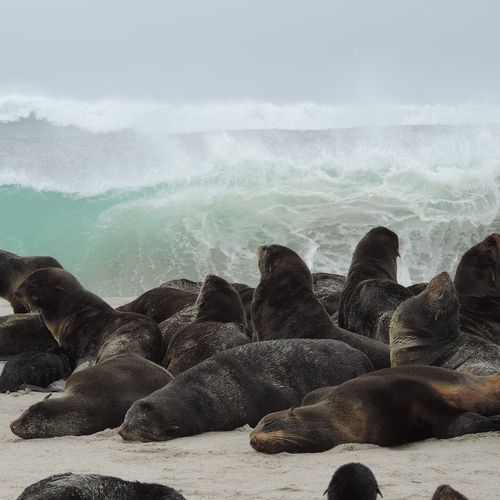
Point Bennett Trail
Difficult12.8 mi
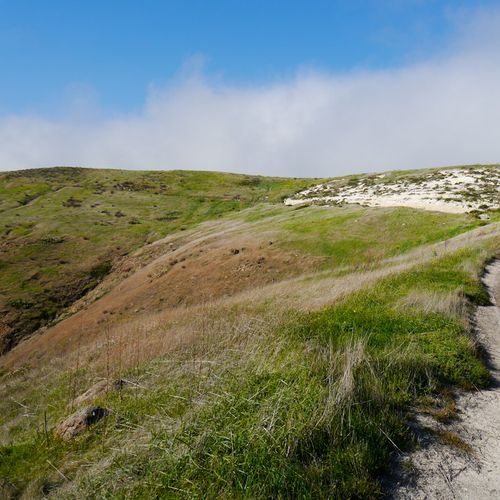
Scorpion Canyon Loop Trail
Moderate3.9 mi
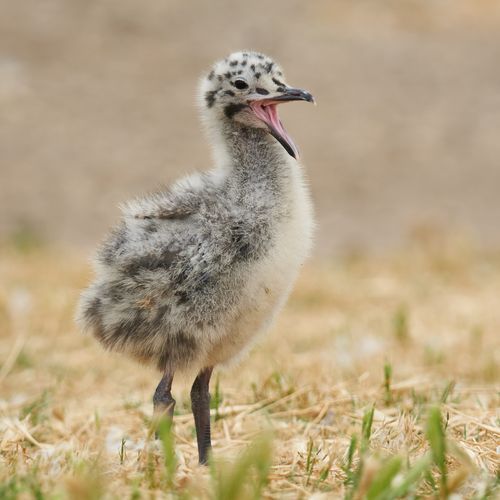
Cavern Point Loop Trail
Easy3.0 mi
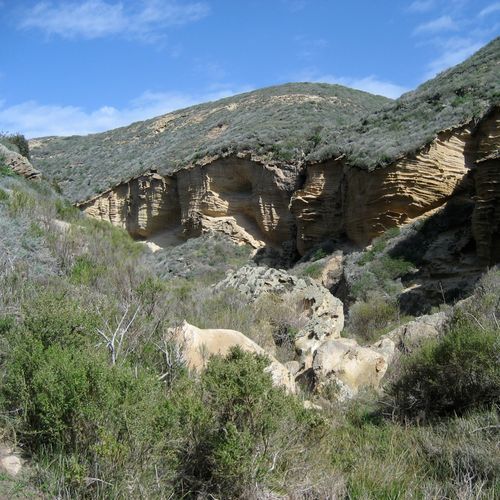
Lobo Canyon
Easy1.6 mi
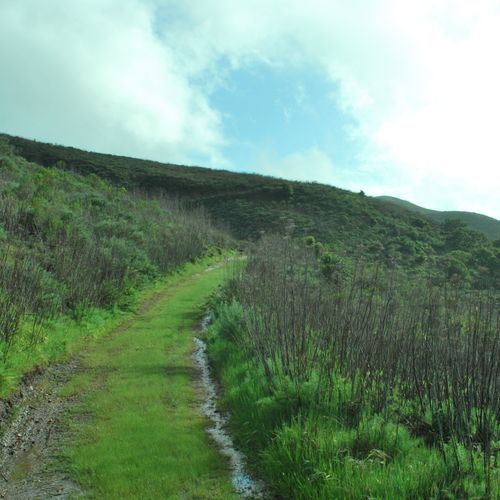
Torrey Pines Trail
Easy1.0 mi
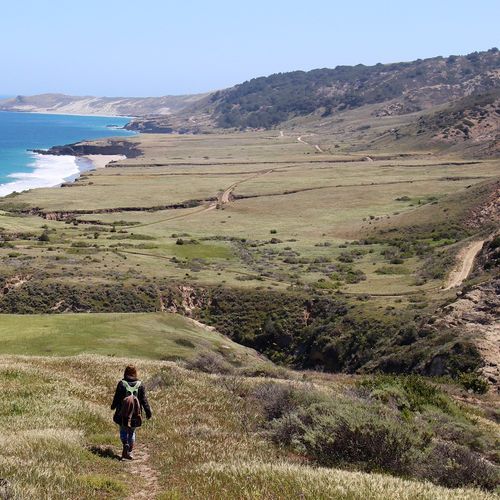
Cherry Canyon Trail
Easy1.9 mi
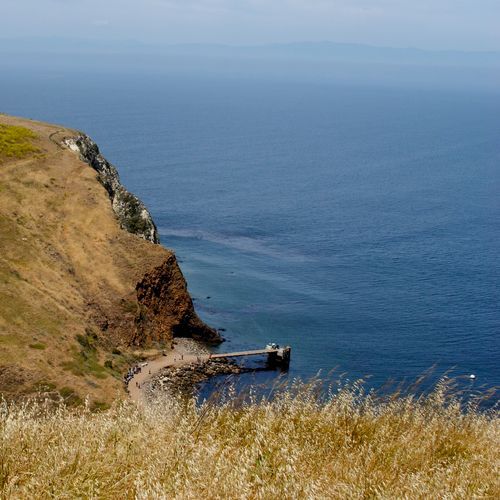
Del Norte Trail
Moderate7.7 mi
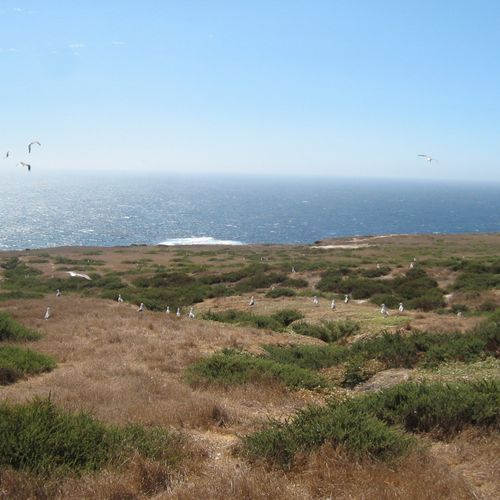
Signal Peak Loop Trail
Moderate3.6 mi
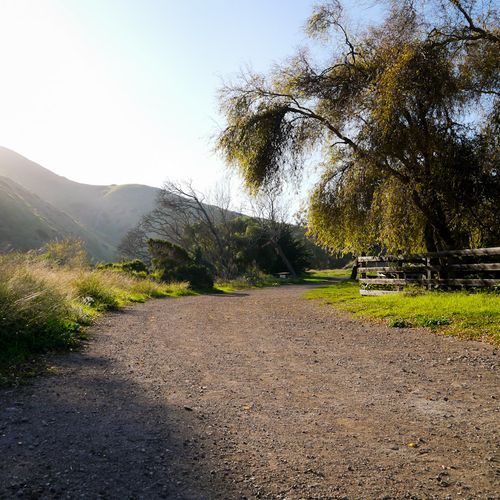
Elephant Seal Cove Trail
Easy1.4 mi
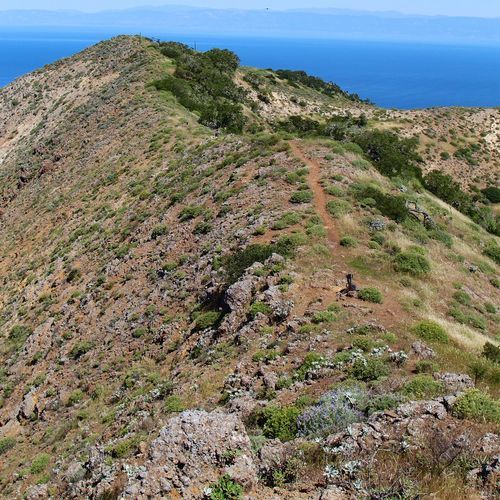
Montañon Ridge Trail
Difficult4.7 mi
Visitor Centers
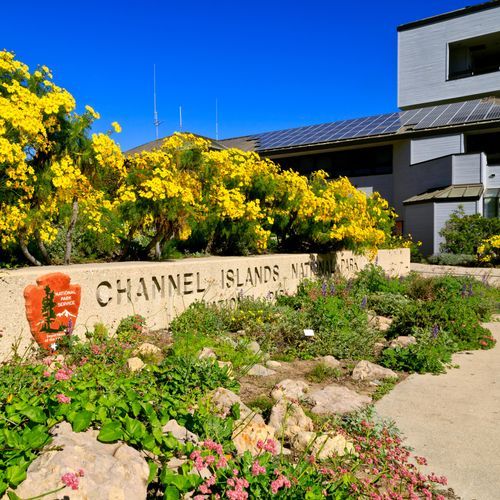
Channel Islands National Park Visitor Center
8:30AM - 5:00PM
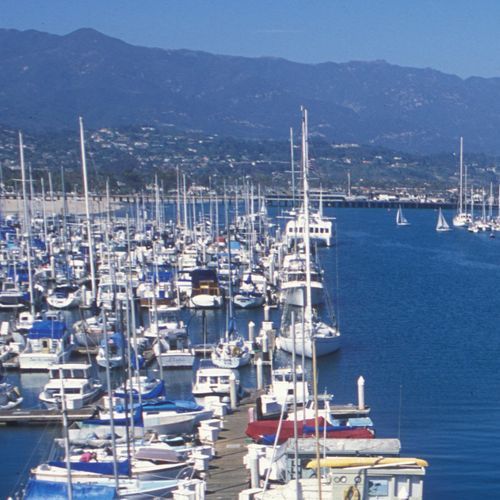
Outdoors Santa Barbara Visitor Center
10:30AM - 4:30PM
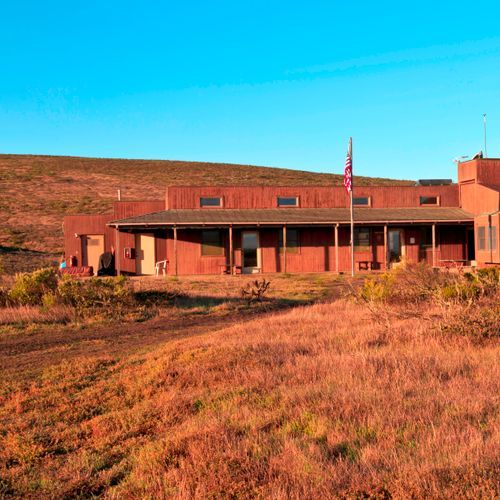
San Miguel Island Ranger and Visitor Contact Station
8:30AM - 5:00PM
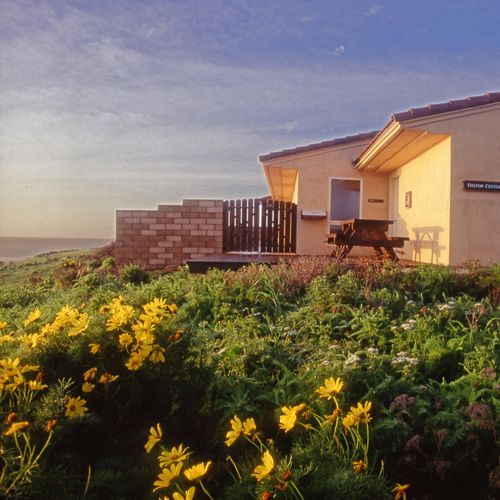
Santa Barbara Island Visitor Center
8:30AM - 5:00PM
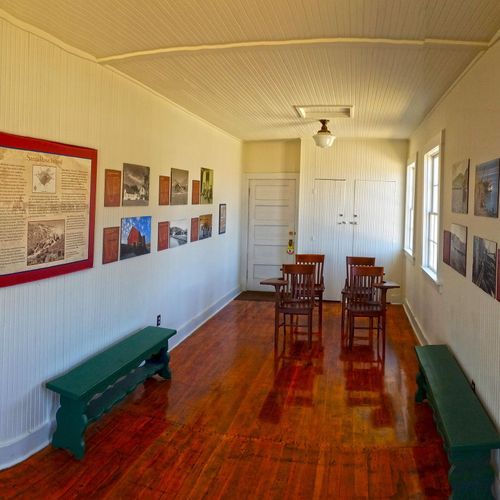
Santa Rosa Island Visitor Contact Station
8:30AM - 5:00PM
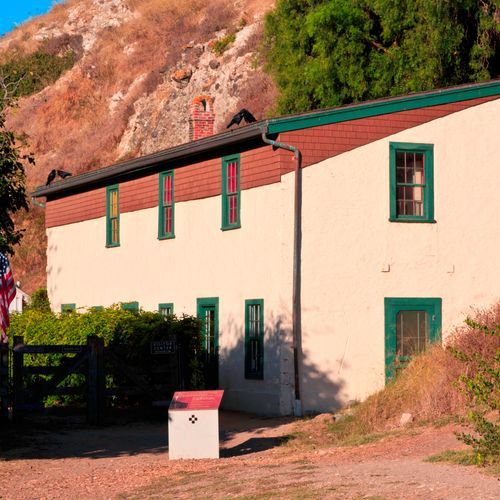
Scorpion Ranch Visitor Center on Santa Cruz Island
8:30AM - 5:00PM
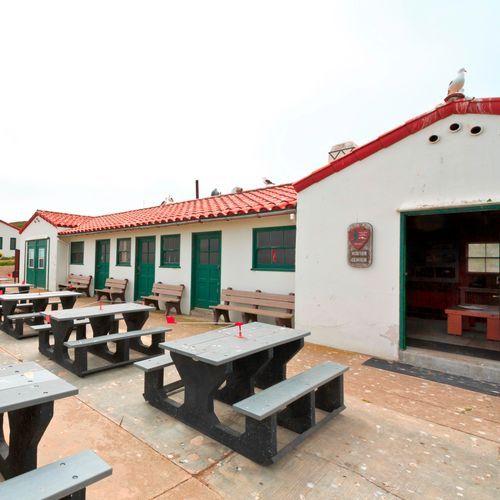
Visitor Center Anacapa Island
8:30AM - 5:00PM
Campgrounds
Camping guide →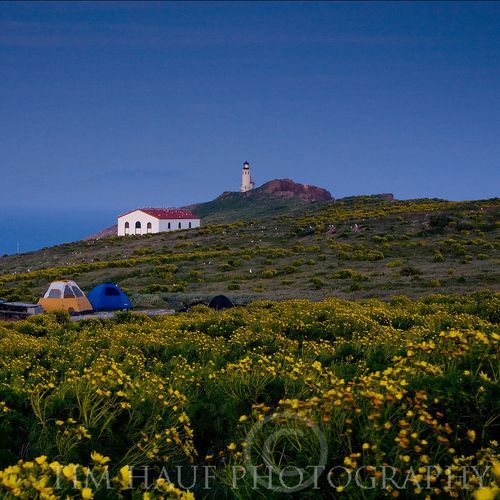
Anacapa Island Campground
Anacapa Island
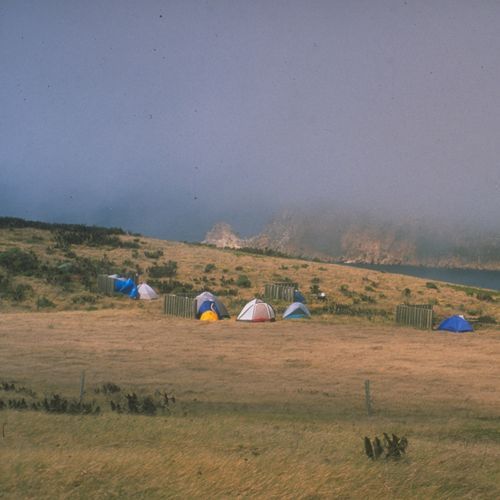
San Miguel Island Campground
San Miguel Island
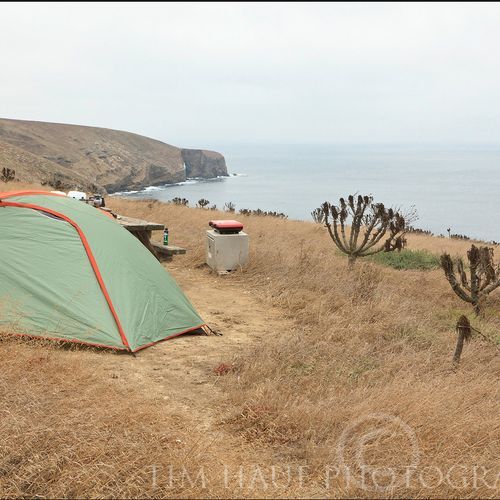
Santa Barbara Island Campground
Santa Barbara Island
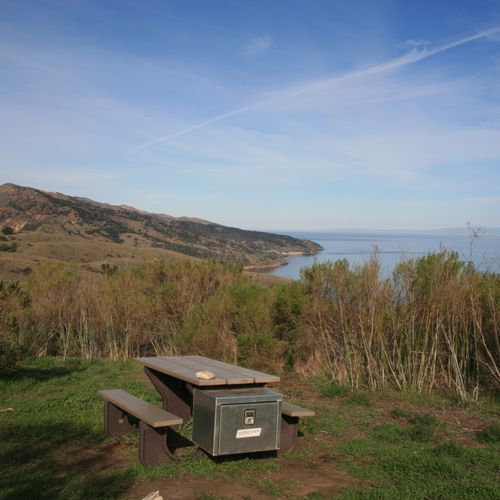
Santa Cruz Island Del Norte Backcountry Campground
Santa Cruz Island
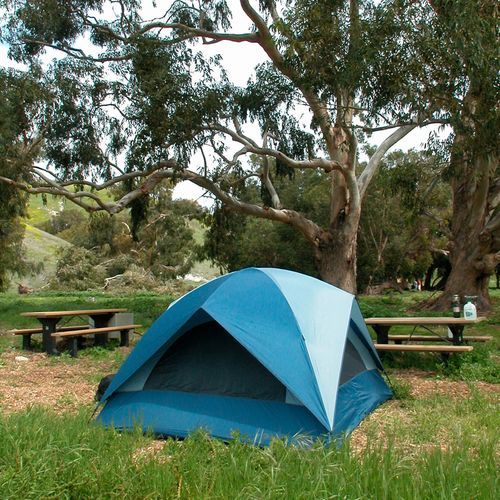
Santa Cruz Island Scorpion Canyon Campground
Anacapa Island
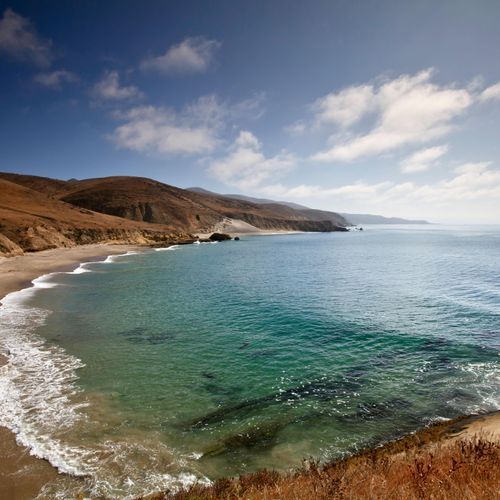
Santa Rosa Island Backcountry Beach Camping
Santa Rosa Island
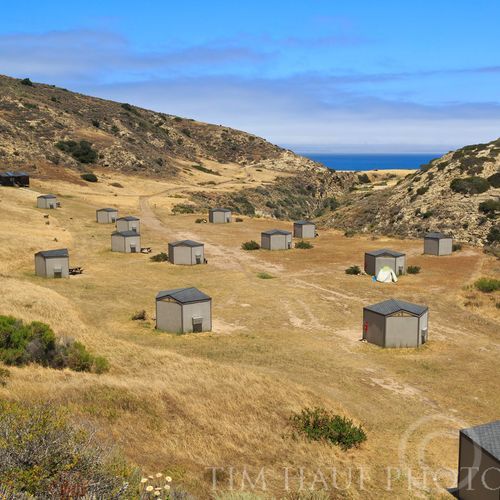
Santa Rosa Island Campground
Santa Rosa Island
About the Park
Park Areas
Anacapa Island stands out with its unique geological formations and abundant wildlife, making it a prime spot for birdwatching, particularly for the California brown pelican and Scripps's murrelet. Visitors can explore the iconic Arch Rock and enjoy panoramic ocean views. The island's historical lighthouse, built in 1932, adds to its charm. Its compact size is perfect for day trips and educational visits.
Santa Cruz Island, the largest in the Channel Islands, offers a diverse landscape of rugged mountains, pristine beaches, and unique flora and fauna. It is home to the island scrub jay and the Santa Cruz Island fox. Extensive hiking trails and opportunities for kayaking through sea caves make it a compelling destination for exploration.
Santa Rosa Island provides a sense of solitude with its rolling hills, deep canyons, and sandy beaches. It is notable for the rare Torrey pine and the island fox. Visitors can delve into the island’s Chumash history and remnants of its ranching past, with hiking and wildlife viewing as popular activities.
San Miguel Island offers rugged terrain and rich biodiversity, featuring endemic island foxes and numerous seabird species. Its gently sloping plateaus and long sandy beaches are complemented by challenging hiking trails and historical significance, offering exploration and solitude.
Santa Barbara Island provides a secluded experience with dramatic cliffs and diverse wildlife, including sea lions and native plant species. Its trails offer panoramic ocean views and birdwatching opportunities, fostering a unique ecosystem ideal for those interested in natural history and conservation.
Park Guides
All 11 guides →Coreopsis Blooms and Island-to-Island Weather
The yellow coreopsis usually peaks from late January through March. After a year of normal rainfall, the islands turn green, and wildflowers reach their height in late winter and spring.
Kayaking the Sea Caves and Kelp Forests
Santa Cruz Island is the largest island in Channel Islands National Park, stretching 22 miles long and between two and six miles wide.
Blue, Gray and Humpback Whales of the Channel
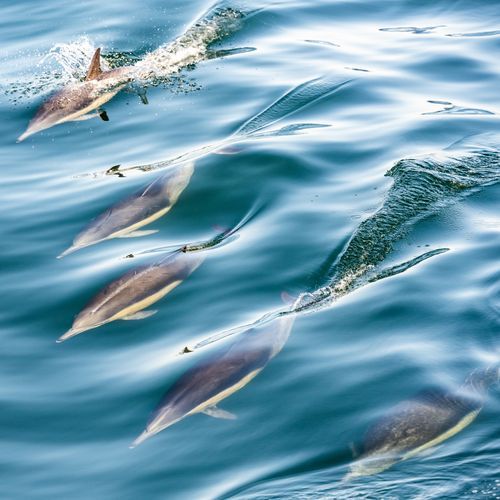
Whales, dolphins and porpoises, known together as cetaceans, are a big part of life in the waters around these islands.
The Island Fox and Other Endemic Survivors
The island fox is a dwarf cousin of the gray fox found on the mainland, shaped by millennia of isolation on the islands.
Point Bennett's Elephant Seal Colonies on San Miguel
Point Bennett sits at the western tip of San Miguel Island, and it is the most famous spot on the island for watching pinnipeds.
