
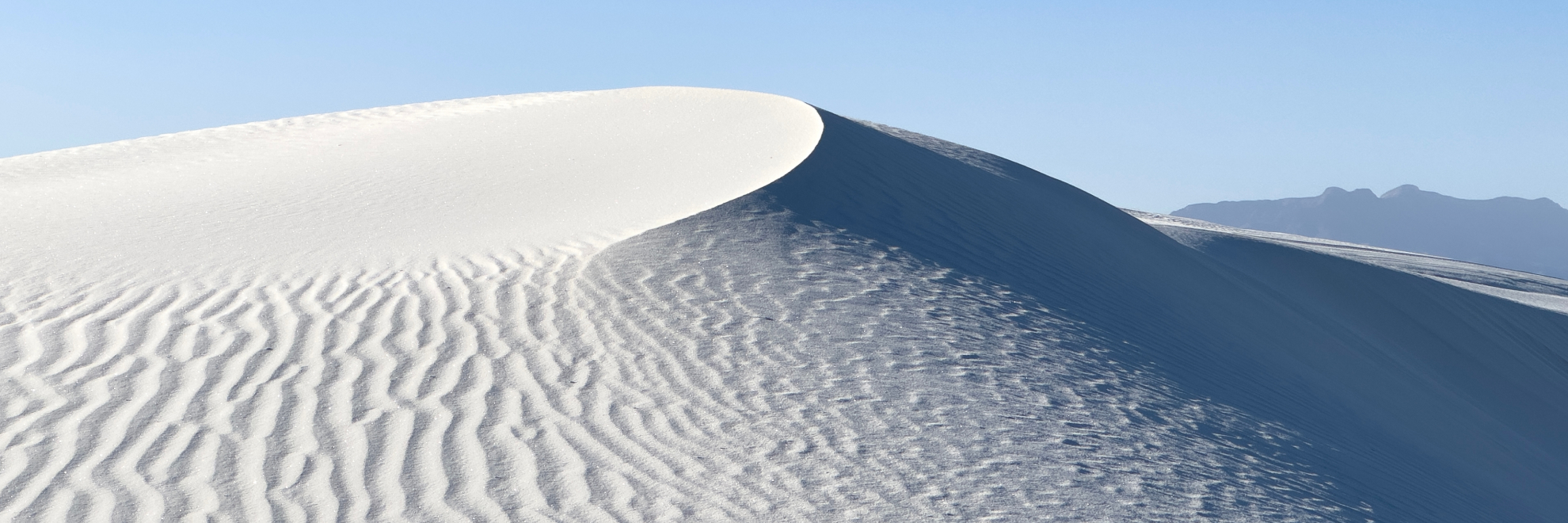
Welcome to White Sands National Park, a landscape of glistening white sand dunes composed of gypsum crystals—one of the world's great natural wonders. Located in the Tularosa Basin of New Mexico, this unique ecosystem spans 275 square miles and is notably the largest gypsum dune field in the world.
The formation of these dunes began with the uplift of mountains surrounding the basin, followed by the dissolution of gypsum from these mountains. Unlike typical desert sand, gypsum does not absorb heat from the sun, hence the surface of the dunes remains cool to the touch even under the blazing sunlight. This characteristic makes the dunes a delightful playground all year round.
White Sands National Park is not only a place of beauty but also of rich history. The area has been home to various cultures over the centuries, from ancient Paleo-Indian and later Native American groups to European settlers. Fossilized footprints from humans and mammoths, giant ground sloths and other prehistoric creatures have been found in the park and are being studied for their unique characteristics.
The park also supports a variety of wildlife uniquely adapted to this environment. Species such as the bleached earless lizard are so adapted to their surroundings that they blend seamlessly into the background of white gypsum. Night predators and insects also thrive here, taking advantage of the cooler nocturnal temperatures.
Visitors to White Sands can enjoy a number of activities such as sledding down sand dunes, picnicking under the endless blue sky, or capturing the stunning landscape through photography. Guided walks and ranger programs provide insight into the fascinating ecology and geology of the dunes. For something truly magical, experiencing the park during a full moon offers a breathtaking view as the moonlight reflects off the white sands, creating an almost daylight-like glow across the dune field.
White Sands National Park is an enchanting place where the winds continuously sculpt the sand into surreal, wave-like patterns, inviting all who visit to explore its wonders and embrace the beauty of a landscape unlike any other on Earth.
White Sands National Park
New Mexico
New Mexico
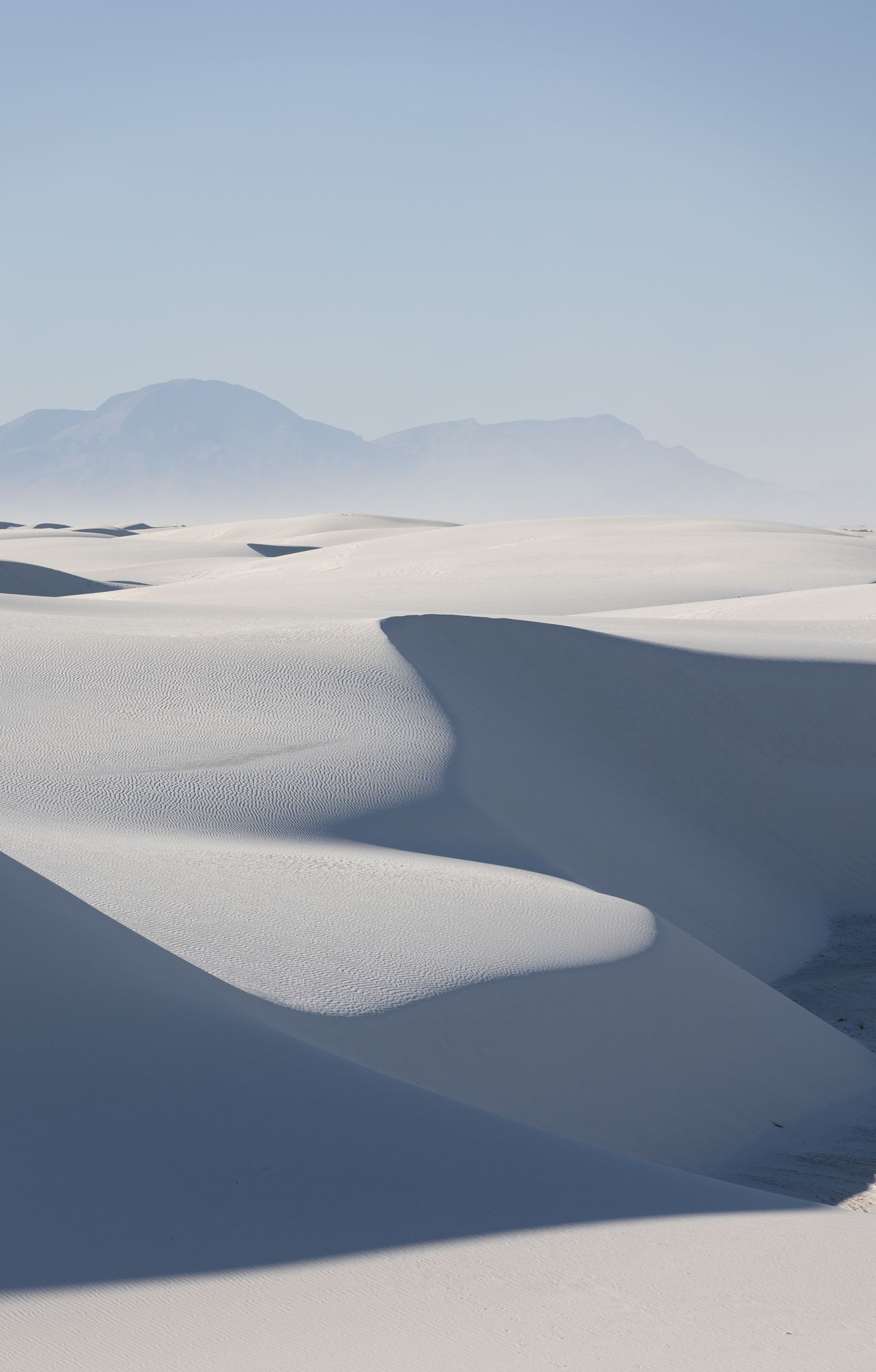
White Sands National Park protects the world's largest gypsum dune field, where 275 square miles of fine white sand have been shaped into wave-like ridges in the Tularosa Basin of southern New Mexico. Visitors can go sand sledding on the slopes or hike marked trails through the dunes, including the Alkali Flat Trail. The Dunes Drive is the main road into the dunefield and leads past the points of interest. Wildlife here is unusual, with at least 45 species found nowhere else, including the bleached earless lizard and the White Sands woodrat. The park sits next to the White Sands Missile Range. Overnight visitors can backpack to one of ten primitive backcountry campsites in the dunes.
Visitor Centers
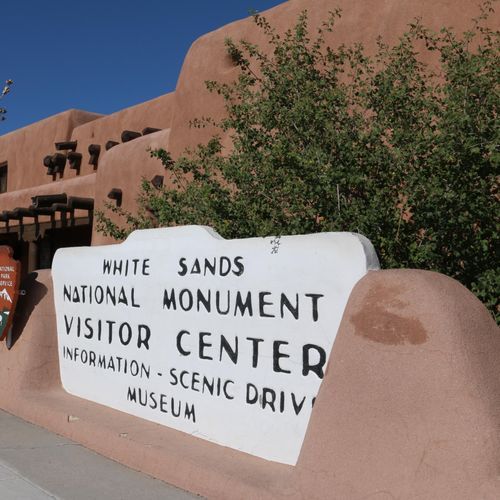
White Sands Visitor Center
9:00AM - 5:00PM
Campgrounds
Camping guide →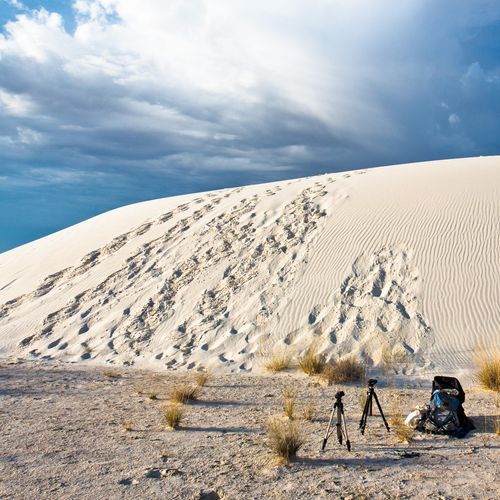
Backcountry Camping
About the Park
Park Guides
All 11 guides →Dunes Drive: The Park's Only Road
Dunes Drive is the park's only road. It starts at the visitor center and runs eight miles one way into the heart of a gypsum dunefield spanning 275 square miles, the largest of its kind in the world.
March Crowds, Quiet Winters, 100°F Summers
The busiest months at White Sands are March and July, when more than 60,000 visitors arrive each month, or about 2,000 people a day.
The World's Largest Gypsum Dunefield
The dunes here cover 275 square miles of the Tularosa Basin in southern New Mexico, making this the largest gypsum dunefield in the world.
Alkali Flat and the Park's Five Trails
The Alkali Flat Trail is the toughest of the park's five established trails. It is a strenuous five-mile round trip that takes about three hours on average.
Sand Sledding at Roadrunner and Alkali Flat
Sand sledding is one of the most popular ways to enjoy the gypsum dunes, which form the world's largest gypsum dune field.
