
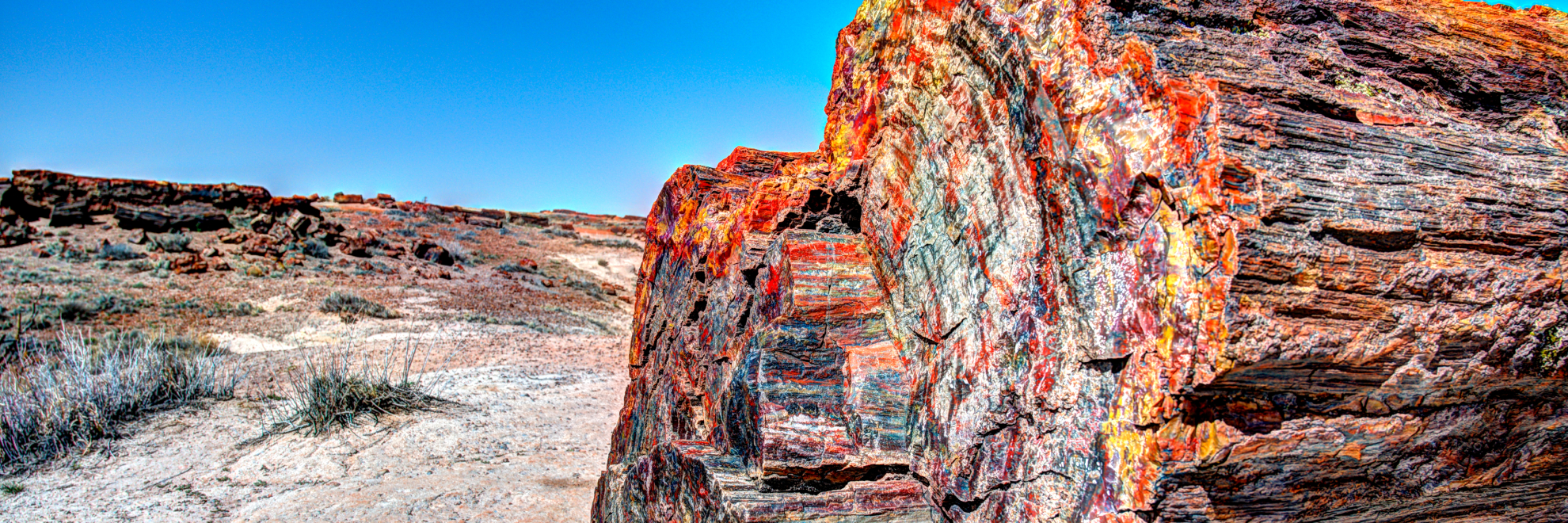
Petrified Forest National Park is a captivating landscape that offers a unique glimpse into the Earth's distant past. Situated in northeastern Arizona, it is known for its vast deposits of petrified wood that date back over 200 million years to the Late Triassic period. These ancient logs have turned to stone through a process called permineralization, where minerals carried by water replace the original organic material, faithfully preserving the wood's intricate details. The result is a stunning array of colorful, fossilized tree trunks that litter the landscape, providing a vivid tableau of nature's artistry.
Besides its famous petrified trees, the park is also a treasure trove of paleontological resources. It contains one of the largest concentrations of Triassic fossils in the world, offering invaluable insights into prehistoric life. These fossils include early dinosaurs, giant reptiles, and a variety of flora, painting a vivid picture of this ancient ecosystem.
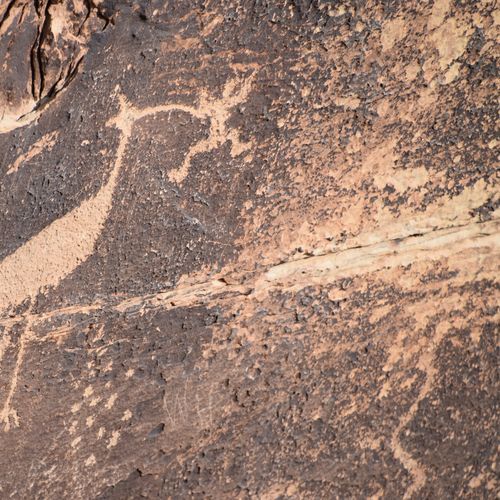
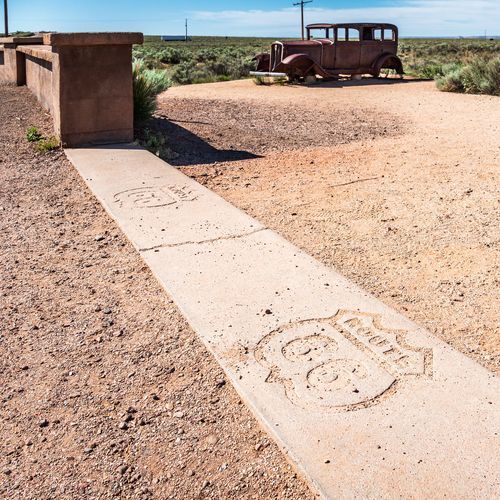
The park's arid plains and striking badlands have been home to various cultures over thousands of years, including the Ancestral Puebloans, whose pottery and petroglyphs can still be seen today. More recent history includes the Old Route 66 that used to run directly through the park.
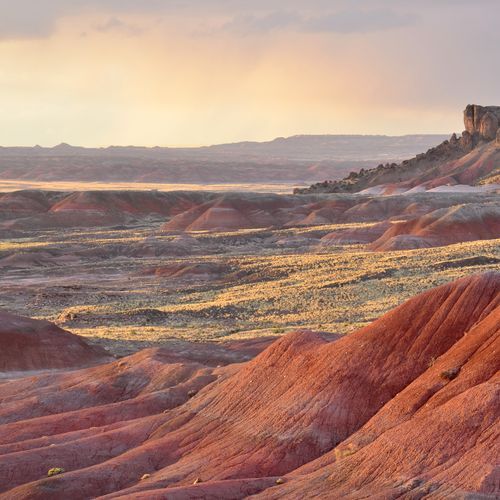
The landscape itself is a dramatic mix of colorful badlands, broad plateaus, and dense clusters of petrified wood. The Painted Desert, a portion of the park known for its brilliant hues of red, orange, lavender, and pink, offers some of the most photogenic sunsets in the American Southwest.
Visitors to Petrified Forest National Park can explore this unique area through a variety of scenic drives and day-hikes that offer close-up views of the petrified logs and sweeping vistas of the painted badlands. Whether marveling at the natural wonder of fossilized trees or exploring the rich tapestry of ancient and cultural history, Petrified Forest National Park offers an unforgettable experience in one of the most scientifically and scenically significant landscapes in the United States.
Petrified Forest National Park
Arizona
Arizona
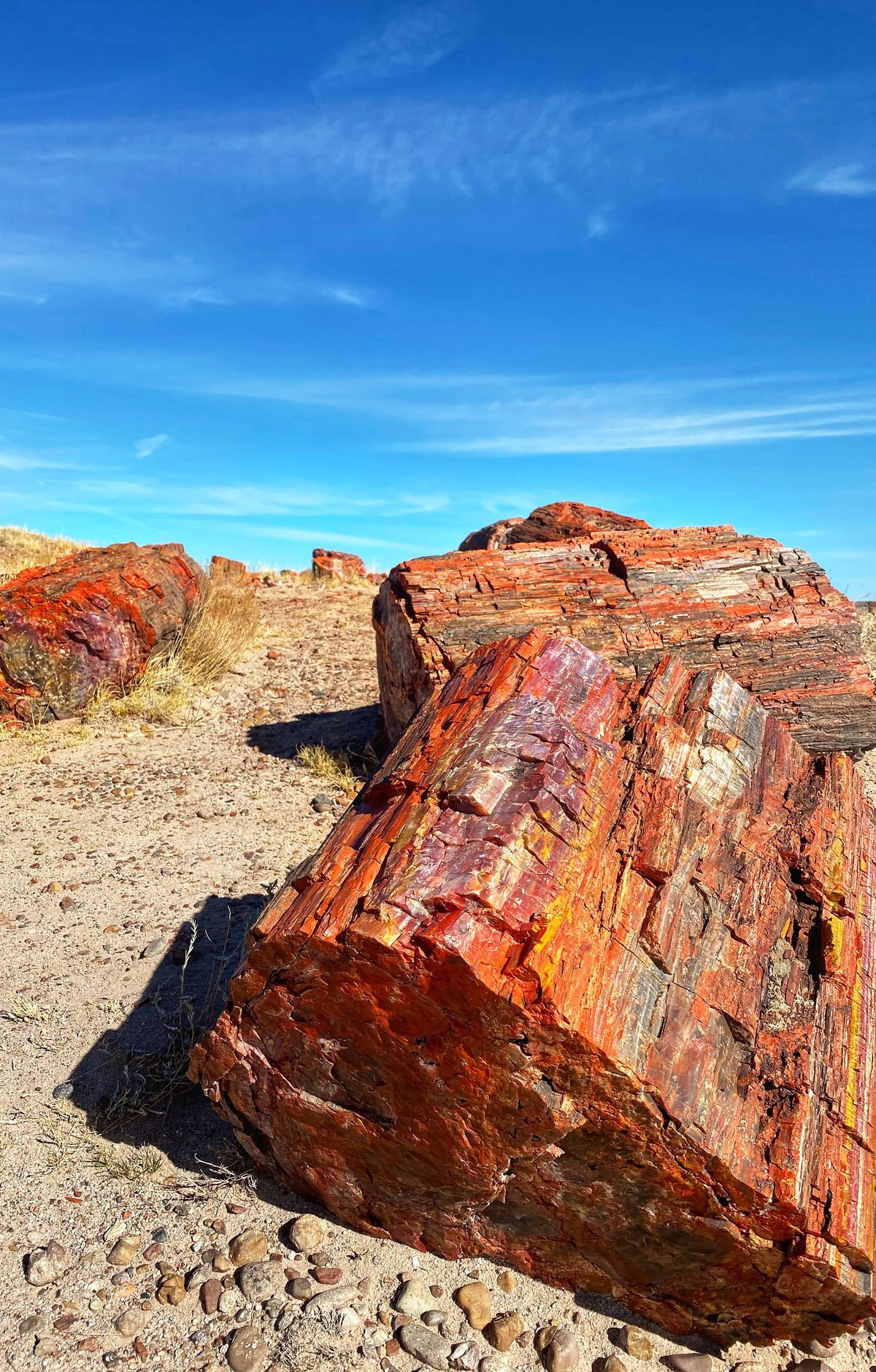
Petrified Forest National Park in northeastern Arizona is known for its deposits of petrified wood, one of the largest collections in the world. The northern section holds the Painted Desert, a landscape of multi-hued badlands, while the south has many of the biggest petrified wood sites. A 28-mile park road links the north and south entrances, passing viewpoints and short hiking trails. Puerco Pueblo, where masonry wall remnants and petroglyphs mark an ancient settlement, is one stop. The Blue Mesa Trail offers a walk along the Blue Mesa, and the Painted Desert Inn National Historic Landmark is among the park's historic structures. Triassic fossils from the Late Triassic Period add to the park's scientific importance.
Park Areas
All areas →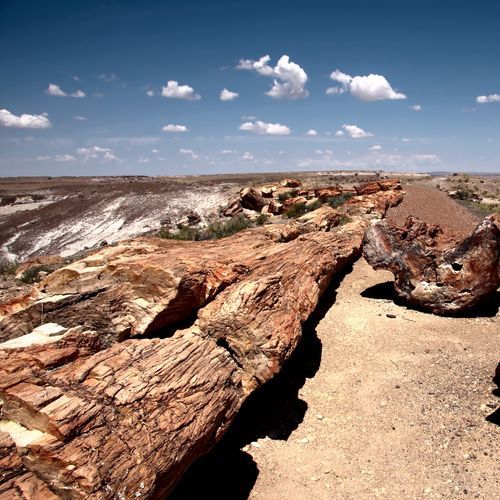
Rainbow Forest
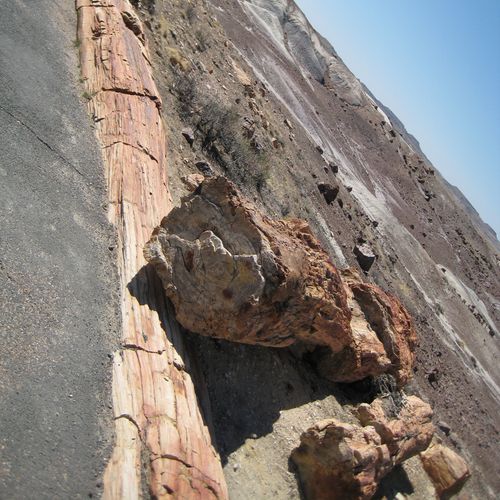
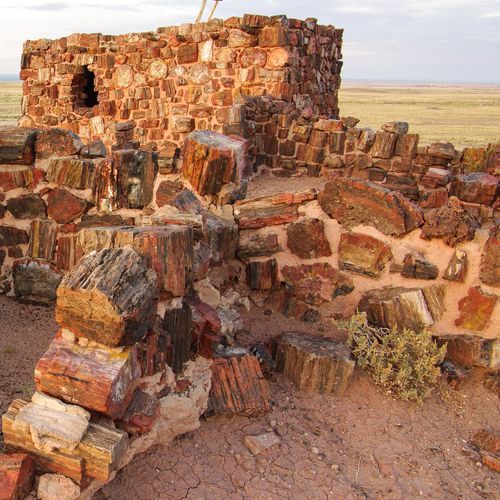
Some of the park's largest petrified logs lie close to the visitor center. The Giant Logs Trail begins behind the museum and covers 0.4 miles of easy paved path, passing numerous petrified logs, the largest of which goes by the nickname Old Faithful. The Long Logs Trail, a 0.6-mile loop, leads into the area where petrified wood is most plentiful. A half-mile spur off that loop reaches Agate House, a rebuilt pueblo made from petrified wood. Exhibits inside the Rainbow Forest Museum & Visitor Center explain the Late Triassic world and how the wood turned to stone, and fossils and prehistoric animal displays are also on view. Visitors can watch the park orientation film, and rangers have led hikes, talks and walks here.
Crystal Forest
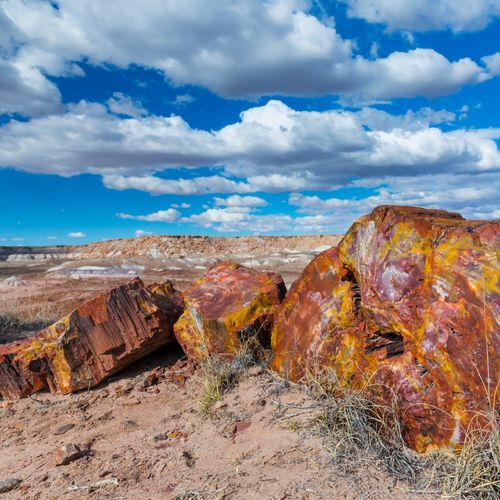
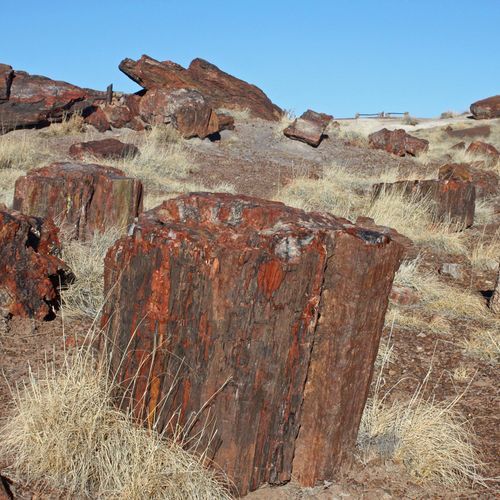
Quartz crystals form inside many of the petrified logs here, and those crystals gave the trail its name. The paved loop of the Crystal Forest Trail winds among some of the most colorful petrified wood in the park, and walkers can get right up to large logs. Hiking the loop usually takes about 45 minutes to an hour, and the route curves through rolling gray and purple badlands. Leave the petrified wood where you find it so the next visitor can see it in the same condition. Photographers will find plenty of color to frame, since iron oxide and other traces mixed with the silica gave the wood its varied hues. The Jasper Forest Overlook, another stop in the park, looks across one of its largest collections of petrified wood.
Painted Desert
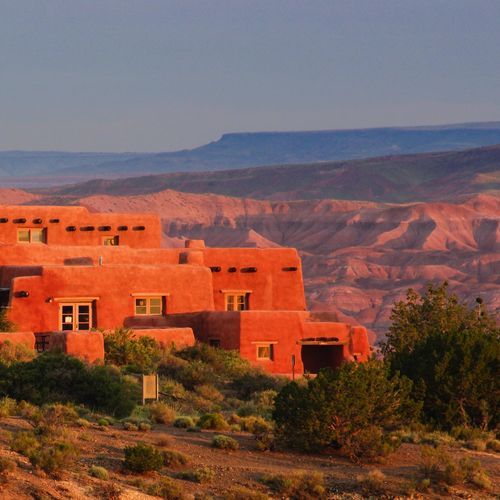
Multi-hued badlands of the Chinle Formation make up this landscape, where layers of red and white rise from the desert floor. Sunrise and sunset are favorite times to photograph the colored hills. The Painted Desert Overlooks, including Tawa Point and Kachina Point, give broad views across the badlands. The Painted Desert Rim Trail is an unpaved one-mile round trip through rim woodland, where in spring cliffroses and native wildflowers line the path and birds gather for cover and meals. The Painted Desert Inn National Historic Landmark, once a respite for travelers on Route 66, now holds exhibits on the area's recent history. Backpackers can enter the wilderness area but must carry their own water. The Painted Desert Visitor Center, designed by Richard Neutra, is part of a historic community complex.
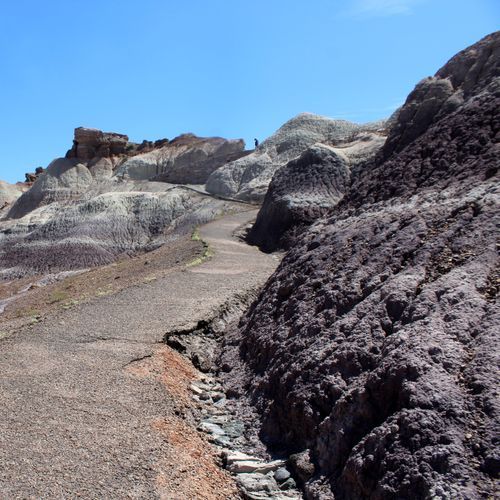
Blue Mesa
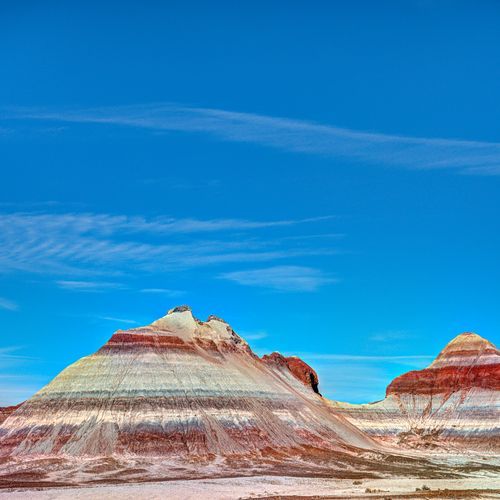
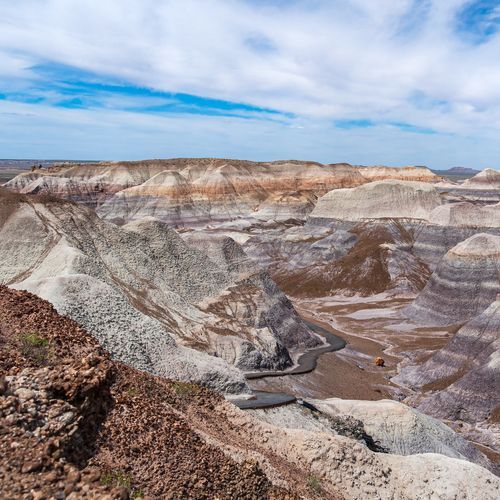
Banded badlands in blue, purple, peach, and gray are formed from bentonite clay here, and the layers show up clearly once you are walking among them. The Blue Mesa Trail is a 1-mile loop that starts with a steep descent from the mesa top, and its mix of paved and gravel surfaces makes it a good choice for a first hike. Petrified wood lies scattered across the slopes, and paleontologists have found plant and animal fossils in the sedimentary layers. Hikers who want more can try the Blue Forest Trail, a rougher 3-mile round trip that links the Blue Mesa Trail with the main park road. For a moderate 3-mile hike along the mesa's edge, Billings Gap Overlook is worth the walk. Drive the Blue Mesa Scenic Road, stopping at the overlooks along the way, before or after you hike.
Puerco Pueblo
Ancestral Puebloan village ruins give this stop its focus on human history. Masonry walls mark the remains of a village of about one hundred rooms beside a paved trail of three-quarters of a mile, and its builders lived here more than 600 years ago. Visitors can hike the route and view petroglyphs. At the south end, the carvings are cut into rock, and one of them catches the sunrise on the summer solstice. Touching the carvings and climbing on the boulders or walls are not allowed. Partway along, a small museum housed in a Civilian Conservation Corps building displays exhibits on culture, archaeology and history. Around 1380 CE, the final residents moved away, and their descendants live in communities on the Hopi Mesas and at Zuni today.
Popular Hiking Trails
All trails →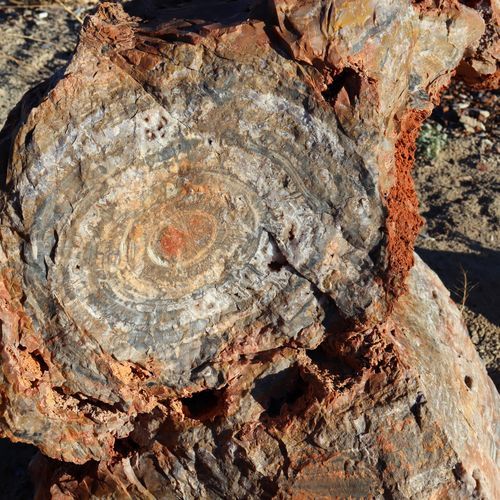
Crystal Forest Trail
Easy0.8 mi
Blue Mesa Trail
Easy1.0 mi
Long Logs Trail
Easy3.9 mi
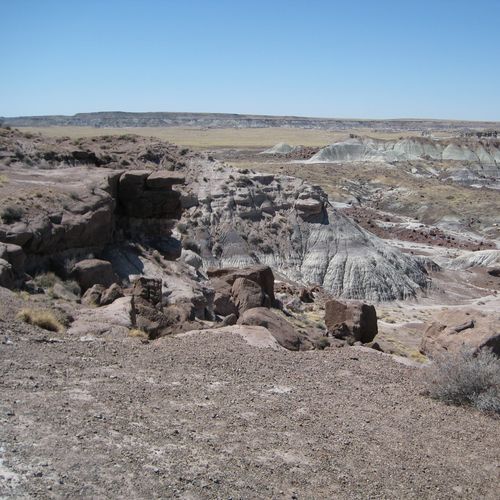
Jasper Forest Trail
Easy2.0 mi
Giant Logs Loop
Easy0.4 mi
Agate House Trail
Easy1.5 mi

Tawa Trail
Easy2.1 mi
Historic Blue Forest Trail
Easy1.3 mi
Historic Route 66
Easy3.2 mi
Visitor Centers
Painted Desert Inn
9:00AM - 4:00PM
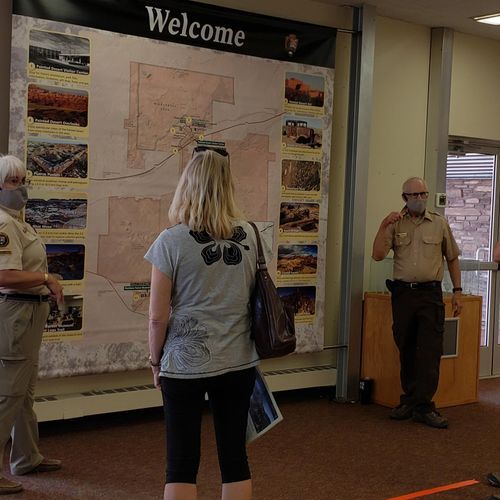
Painted Desert Visitor Center
8:00AM - 5:00PM
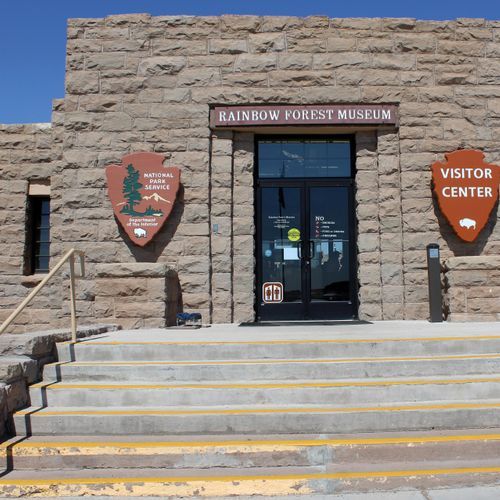
Rainbow Forest Museum
8:00AM - 5:00PM
About the Park
Park Areas
Rainbow Forest is a key attraction, renowned for its dense concentration of vibrantly colored petrified wood, offering insights into prehistoric life. The Rainbow Forest Visitor Center and Museum provide educational exhibits on geology and paleontology. Nearby trails, such as the Giant Logs Trail, allow visitors to explore these petrified logs up close, making it a significant site for scientific study. Crystal Forest is another notable area, featuring colorful petrified wood fragments with quartz crystals, dating back over 225 million years. Its easily accessible trail reveals intricate patterns and hues, distinct from the surrounding desert landscape.
The Painted Desert presents a striking landscape of colorful sedimentary layers, offering a unique geological contrast to the petrified wood areas. Its expansive views, particularly stunning at sunrise and sunset, showcase a palette of reds, yellows, blues, whites, and lavenders. Numerous overlooks provide panoramic views, and the region's arid conditions have preserved ancient fossils, adding to its scientific interest. Blue Mesa features colorful, banded hills of clay and siltstone, part of the Chinle Formation. A trail descends into the badlands, offering close-up views of scattered petrified wood and showcasing the mesa's unique geological formations.
Puerco Pueblo offers a glimpse into ancient Southwestern life with its partially excavated ruins of a village containing over 100 rooms. Visitors can observe petroglyphs depicting centuries-old cultural stories, providing insights into ancestral Puebloan architecture and community life. Agate House, a partially reconstructed Puebloan structure, showcases ancient craftsmanship using petrified wood. Built between 1050 and 1300, it highlights the relationship between natural materials and ancient cultures, accessible via a short 2-mile round-trip trail.
Park Guides
All 12 guides →Driving the 28-Mile Road North to South
A 28-mile park road links the north and south entrances, so a single drive covers the full length of Petrified Forest National Park.
Monsoon Storms and Shortgrass Prairie Seasons
From July through September, the monsoon season brings thunderstorms that build quickly and release heavy rain within a short window.
Painted Desert Rim: Tawa to Kachina Points
The Painted Desert Rim Trail is a short walk of about one mile round trip, and it is one of the simplest ways to see the northern part of the park up close.
Geological Wonders: The Tepees and Agate Bridge
Along Petrified Forest Road, the drive passes through the Tepees, one of the most colorful and unusual parts of the park.
Dark Skies Above the Painted Desert Rim
The Painted Desert spreads across the northern part of Petrified Forest National Park, and its colors are what the area is best known for.
