
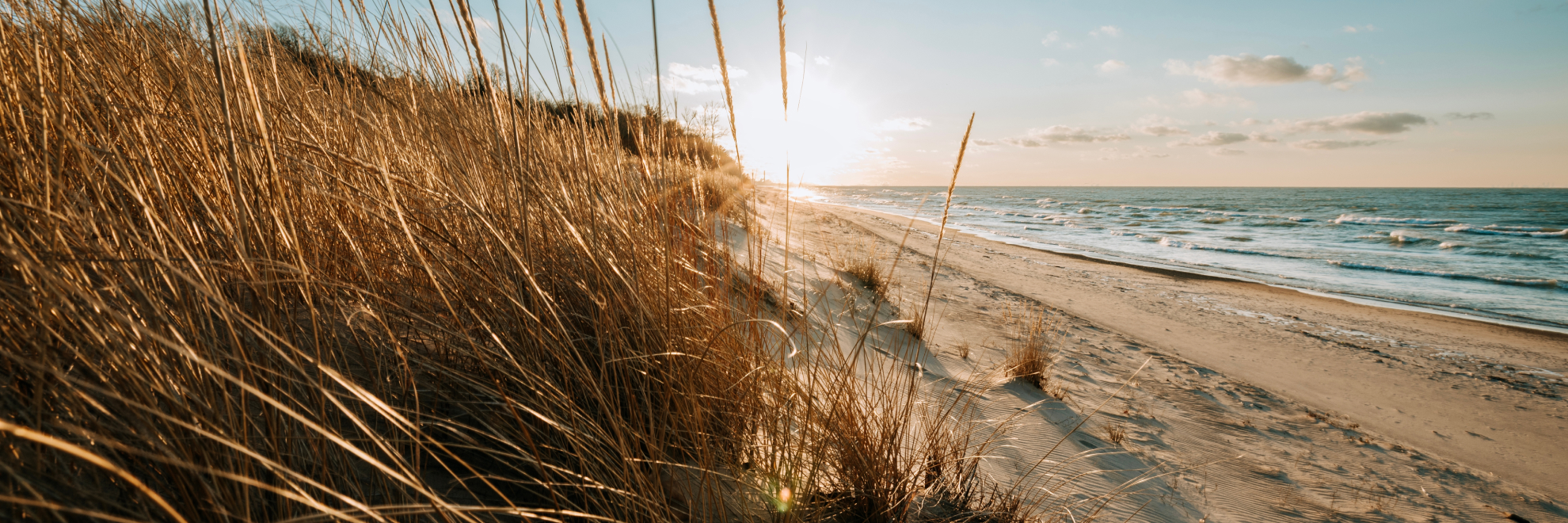
Indiana Dunes National Park, located on the southern shore of Lake Michigan, offers a remarkable diversity of landscapes, from sandy beaches to lush forests. This park stands out as a unique meeting point of ecological diversity where dunes, wetlands, prairies, rivers, and forests coexist, providing homes for countless plant and animal species.The park was designated a national park in 2019, and it holds the distinguished title of being one of the newest national parks in the United States. Indiana Dunes spans over 15,000 acres and is celebrated for its rich biodiversity, containing over 1,100 flowering plant and fern species. It's a crucial habitat for numerous birds, making it an ideal spot for bird watching, especially during the migration seasons.The park's unique geographical features were shaped by the advance and retreat of glaciers, creators of the dunes that tower up to nearly 200 feet above Lake Michigan, providing spectacular views. Originally home to indigenous peoples including the Potawatomi, the area later experienced industrial influences, which are still evident today in nearby steel mills and the historic homes dotting the landscape, reminding visitors of the delicate balance of nature and human development.Recreational opportunities abound here, from swimming and sunbathing on the park's beaches to hiking through more than 50 miles of trails through diverse landscapes. Indiana Dunes is also a popular spot for fishing, birdwatching, and winter sports like cross-country skiing, making it an all-season park. The park's proximity to Chicago also makes it a convenient escape to nature for urban residents and visitors.
Indiana Dunes National Park
Indiana
Indiana
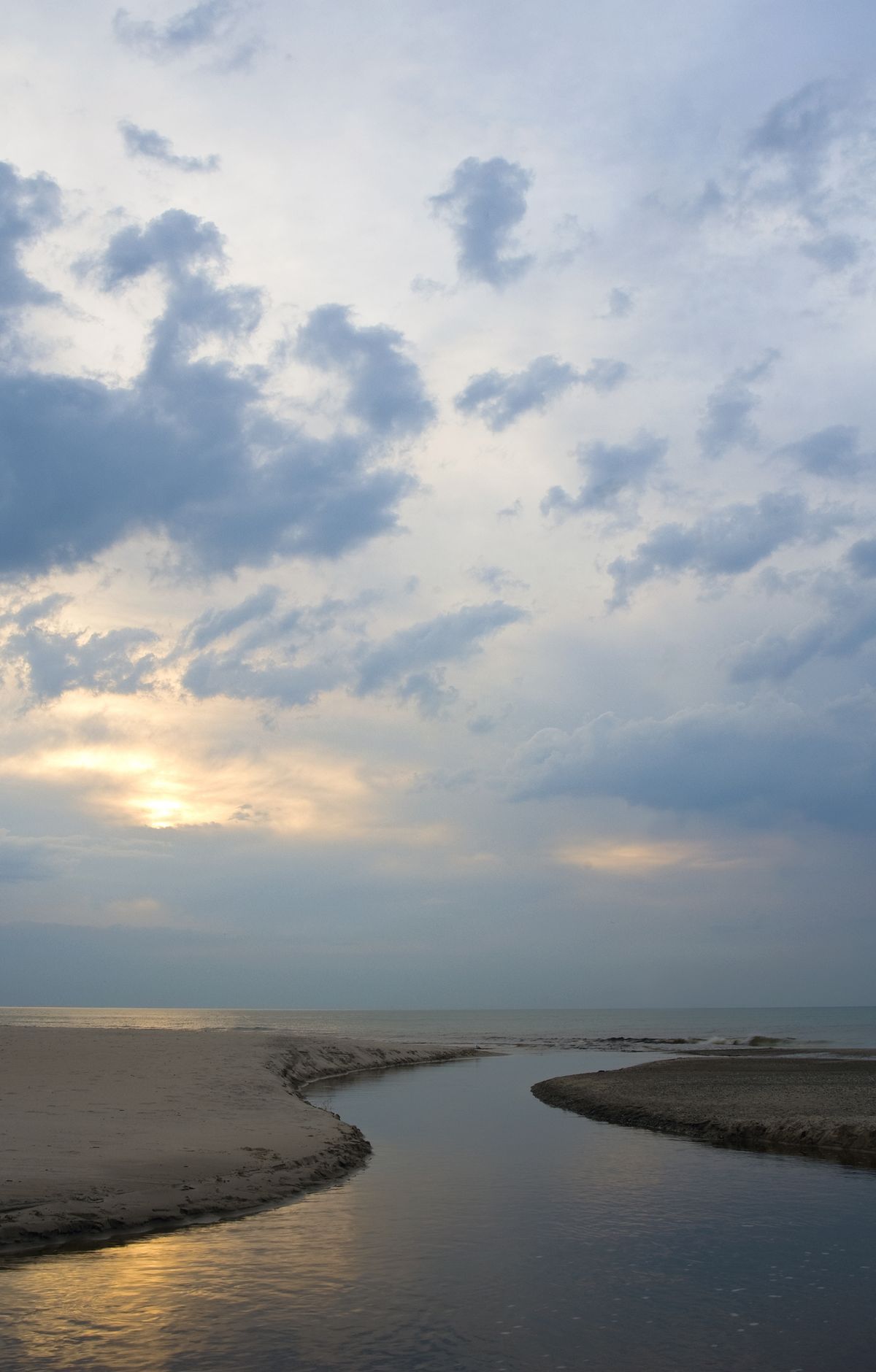
This national park protects 15 miles of Lake Michigan shoreline, where sand dunes rise beside beaches, wetlands and forests. Visitors come for the beaches, where they can swim and sunbathe, build sand castles and watch sunsets over the lake. The park ranks among the most biologically diverse in the nation, with more than 1,100 plant species and over 350 bird species, making bird watching a major draw during spring and fall migrations. Its trails cover about 50 miles, passing through dunes, wetlands and oak savannas, and hiking is rewarding in every season. Camping is available at Dunewood Campground. Indiana Dunes State Park, which sits within the national park, has its own beaches and trails.
Park Areas
All areas →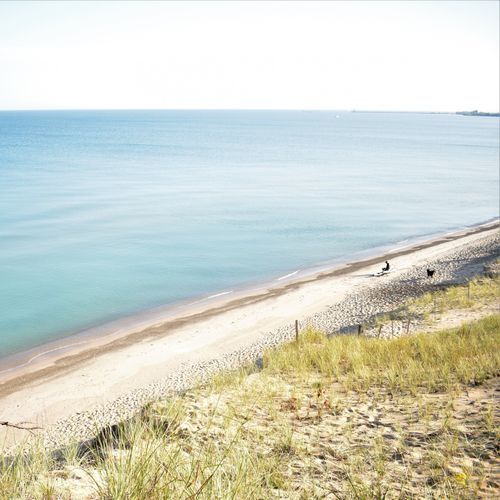
West Beach
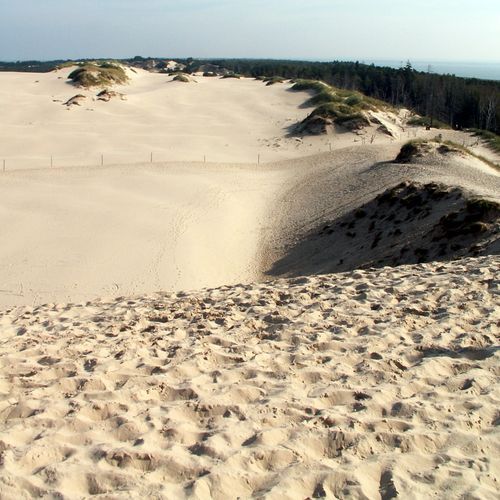
West Beach is the most visited beach in the park, with wide sand and a clear, open view of Lake Michigan. Swimming is a major draw here, and the beach pairs well with hiking. The Dune Succession Trail starts near the bathhouse and climbs 270 stairs to a viewpoint over the lake and the Chicago skyline. The loop highlights four stages of dune development and passes through a pinery of jack pines, some of the most southern jack pines in the world. Other trails wind through secluded forest, and the Long Lake section is a good spot for birding. Eight covered picnic shelters sit near the parking lot, and the bathhouse offers restrooms and showers. The views also take in some of the park's large dunes.
Cowles Bog
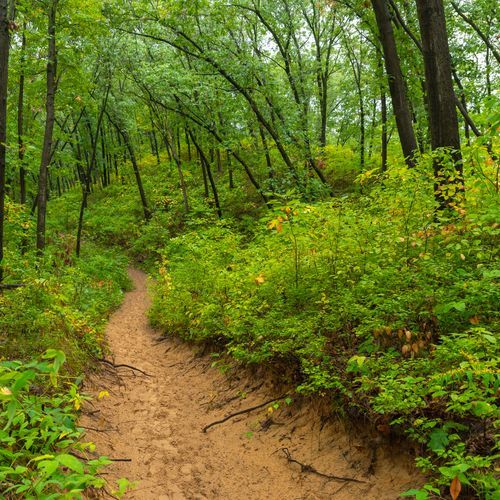
The Cowles Bog Trail loops through a National Natural Landmark wetland complex of ponds, marshes, swamps and a fen, the place where botanist Henry Chandler Cowles carried out early field work that helped launch plant ecology. The 4.7-mile route moves through several habitats, from wetlands to black oak savanna, before steep sand dunes lead down to a beach on Lake Michigan. Plenty of visitors carry a lunch to eat at the shoreline before heading back, and lakeside weather often differs sharply from conditions at the parking lot, so an extra layer is wise. Bring a good supply of drinking water and something to shield you from the sun. The trail is also part of the 1966 Hiking Challenge, a series of 19 hikes totaling 66 miles that marks the park's founding.
Miller Woods
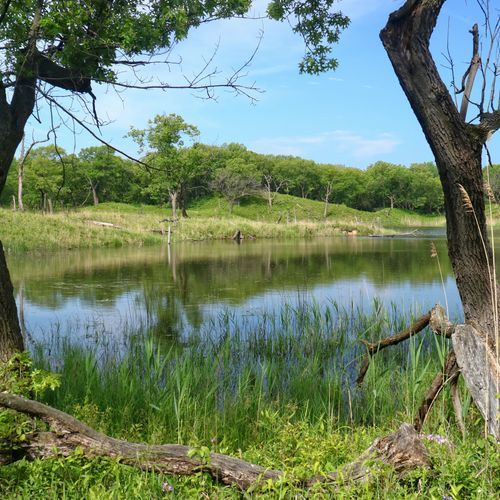
Alternating sand ridges and wetlands give this area its distinctive ridge and swale topography. The beach ridges were shaped by Lake Michigan's waves more than 3,000 years ago, and the low depressions between them hold ponds or marshes. The Paul H. Douglas Trail winds through this landscape on its way to the lake, passing an oak savanna and interdunal ponds. Wildflowers line the route, and birders can look for red-headed woodpeckers in the black oaks and six-lined race runner lizards on the hot sand. The trail begins near the Paul H. Douglas Center for Environmental Education, which runs educational programs and has a Nature Play Zone for children. Along with hiking, the trail is open to cross-country skiing and snowshoeing.
Central Avenue Beach
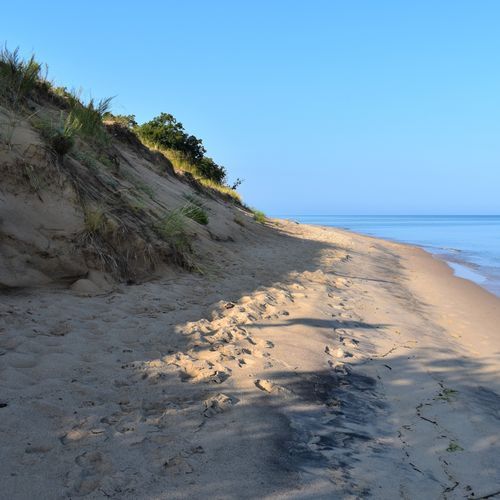
A steep, sandy path drops from a large mound of dune down to the Lake Michigan shoreline, and that mound doubles as a viewpoint over the beach. Because the walk down is a bit tougher than at nearby beaches, crowds tend to stay lighter, especially in the busiest months. Visitors come to swim and relax on the sand. From the paved parking lot on Central Avenue, a sandy trail and short stretch of road lead to the beach in about five minutes on foot, and restrooms are available there. Two picnic tables sit at the west end of the lot, up the stairs. Central Avenue Walk-in Campsites offer primitive camping on grass-covered sites up a large hill. For the dunes behind the beach, visitors are urged to stay on the sand instead of climbing the slopes.
Popular Hiking Trails
All trails →
Cowles Bog Trail
Moderate4.4 mi
Dune Succession Trail
Moderate1.0 mi
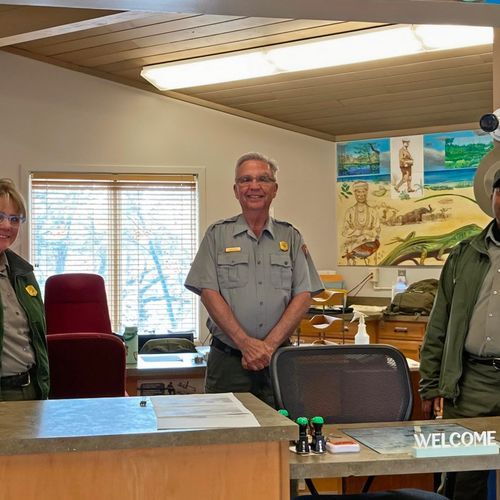
Paul H. Douglas Trail
Moderate3.5 mi
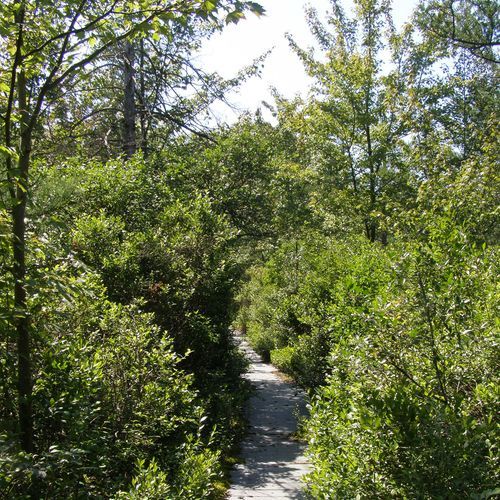
Pinhook Bog Trail
Easy2.0 mi
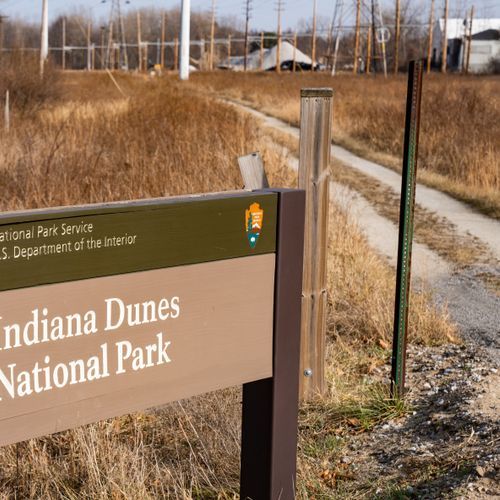
Glenwood Dunes Trail
Moderate6.0 mi
The Marquette Greenway
Difficult11.5 mi

Little Calumet River Trail
Moderate3.4 mi
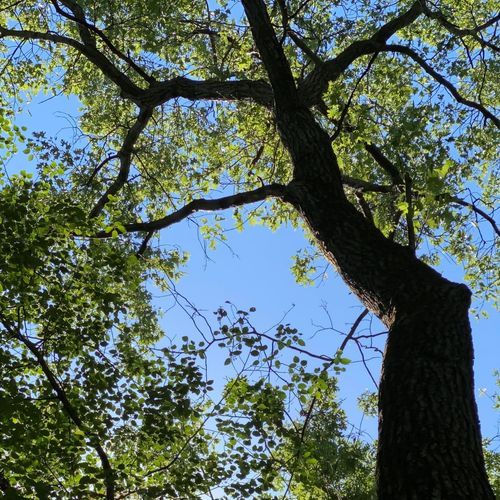
Calumet Trail
Moderate9.2 mi
Glenwood Dunes Extension
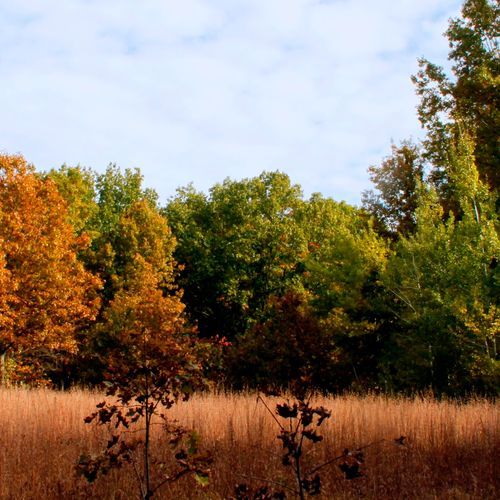
Easy2.3 mi
Calumet Dunes Trail
Easy0.9 mi
Visitor Centers
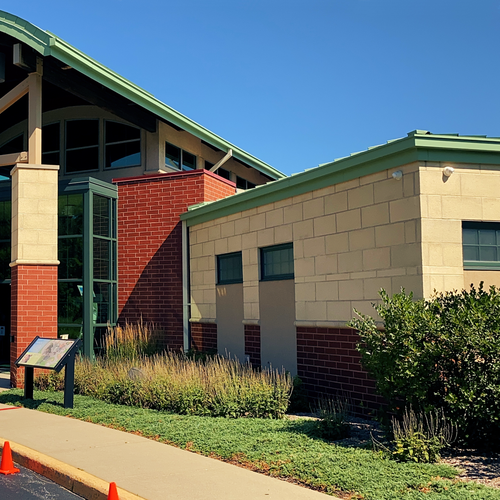
Indiana Dunes Visitor Center (Dorothy Buell Memorial Visitor Center)
8:00AM - 6:00PM
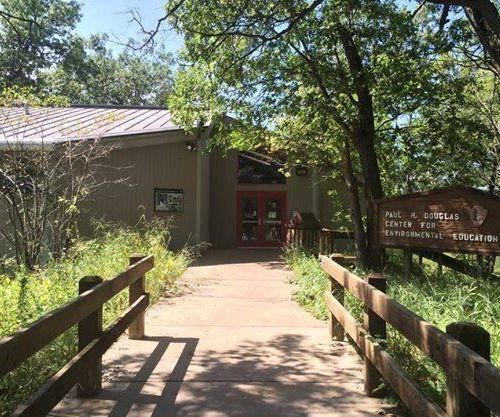
Paul H. Douglas Center for Environmental Education
9:00AM - 5:00PM
Campgrounds
Camping guide →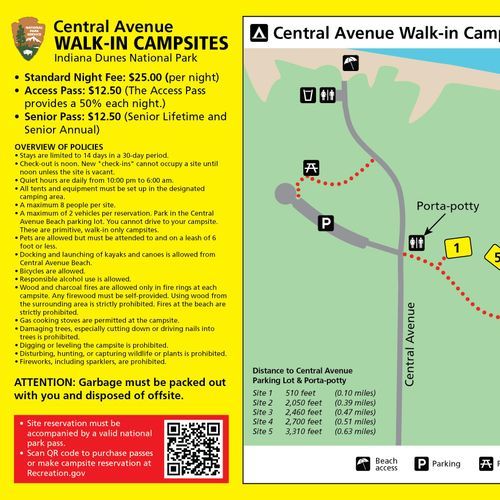
Central Avenue Walk-in Sites
Central Avenue Beach
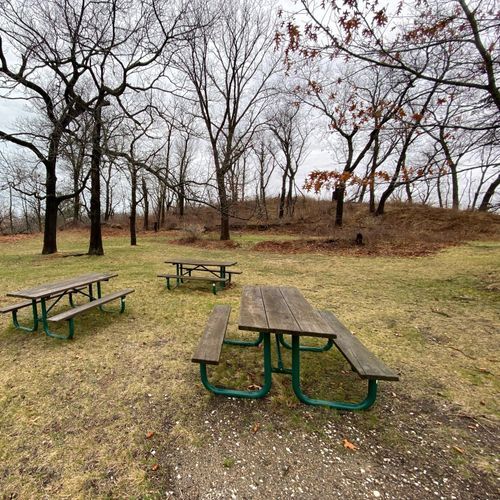
Dunbar Group Site
Central Avenue Beach
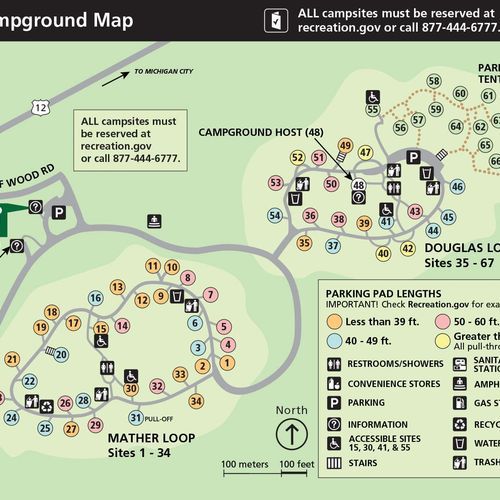
Dunewood Campground
Central Avenue Beach
About the Park
Park Areas
West Beach is a prime destination for family outings, offering expansive views of Lake Michigan and a large picnic area with eight covered shelters. It features a designated swimming beach with seasonal lifeguards from Memorial Day to Labor Day, a bathhouse, and ample parking. The area provides access to hiking trails, including the Dune Succession Trail, which showcases unique ecological features.
Portage Lakefront and Riverwalk provides a modern pavilion and accessible trails, offering a unique vantage point of Lake Michigan's shoreline. The 900-foot breakwater is ideal for fishing, and the area is popular for migratory bird sightings. Its combination of natural beauty and developed amenities makes it a versatile recreational destination.
Cowles Bog is notable for its diverse plant communities, including wetlands, marshes, swamps, and forests. It played a significant role in early ecological studies and offers well-maintained trails for bird watching and observing over 400 plant species. Its historical and ecological significance makes it a distinctive destination.
Miller Woods features wetlands, oak savannas, and sand dunes, offering a quieter experience. Trails near the Paul H. Douglas Center lead to Lake Michigan and are popular with birdwatchers. Seasonal changes provide a dynamic environment for repeat visits.
Central Avenue Beach offers a peaceful setting with expansive sandy shores and clear views of Lake Michigan. Its natural dunes and trails are ideal for hiking and bird-watching, appealing to those interested in geology and ecology.
Dune Ridge Trail provides a 0.7-mile loop showcasing the transition between sand dunes and wetlands, offering elevated views and biodiversity. It is favored for birdwatching and observing seasonal vegetation changes.
Bailly Homestead, a National Historic Landmark, offers insight into early settler life with original structures from 1822. Interpretive signs provide historical context, distinguishing it from the park's natural attractions.
Chellberg Farm presents late 19th and early 20th-century farm life through historic structures. It offers a cultural experience and is part of a trail system connecting to scenic areas, serving as a hub for educational and recreational activities.
Park Guides
All 11 guides →Getting There: Visitor Center, Route 49, US 12
Coming from Interstate 94, take exit 26 north. The Indiana Dunes Visitor Center sits on Indiana State Road 49, between U.S. Highway 20 and Interstate 94, at 1215 Indiana State Road 49 in Porter.
Lake-Effect Seasons: Summer Swims to Pack Ice
Lake Michigan steers the weather here, and it can change quickly. Summer highs usually sit in the mid-80s and lows fall into the mid-60s, with plenty of sun and humid air.
Choosing Among the Park's Nine Beaches
The park's main draw is 15 miles of Lake Michigan beaches, and each stretch has its own feel.
Hiking 50 Miles of Dune and Woodland Trails
Hikers at Indiana Dunes National Park can choose from 15 trail systems covering more than 50 miles.
Biking the Calumet Trail and Marquette Greenway
Biking at Indiana Dunes National Park happens on designated bike trails that form an interconnected system spanning 37 miles across the length of the park.
