
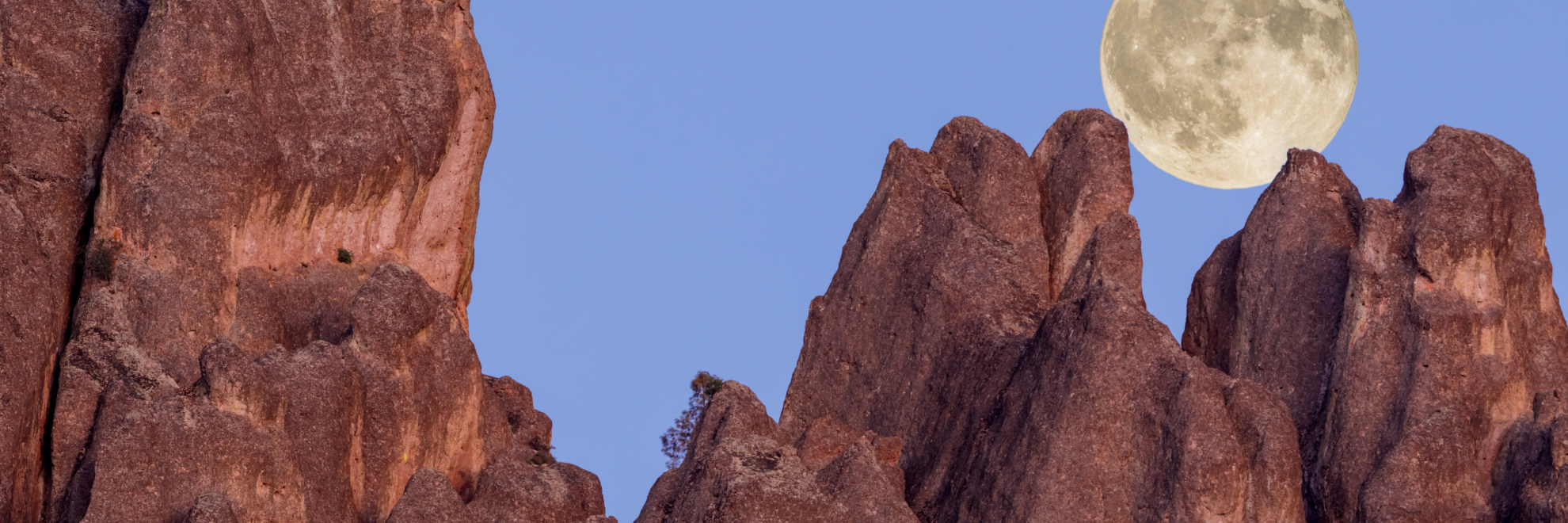
Pinnacles National Park, located east of California's Salinas Valley, is renowned for its vivid and rugged landscape formed by the ancient remnants of the Neenach Volcano. The park's striking spires and rock formations have been sculpted over millions of years by volcanic activity, tectonic movements, and erosion, providing a unique and challenging environment for rock climbers and adventure seekers.
These distinctive formations divide the park into East and West districts, which are connected by hiking trails that offer varied levels of difficulty and spectacular views. Pinnacles National Park is also famous for its springtime display of wildflowers that blanket the ground in a riot of colors, attracting nature lovers and photographers.
The park serves as a critical habitat for wildlife, including the California condor, which has been part of successful recovery programs within the region. Pinnacles is home to the talus caves, formed by boulders falling into narrow canyons. The Bear Gulch Cave and Balconies Cave are accessible to visitors, providing a unique spelunking experience as these caves house diverse ecosystems and serve as roosting sites for several bat species, including Townsend's big-eared bats.
Pinnacles' rich tapestry of cultural history includes that of the Native American tribes such as the Chalone and Mutsun groups, who were among the area's early inhabitants. The park offers scenic drives and picnic areas, making it a perfect day trip destination. Remember, temperatures can be high during summer months, so early morning or evening visits are recommended.
Pinnacles National Park
Califonia
Califonia
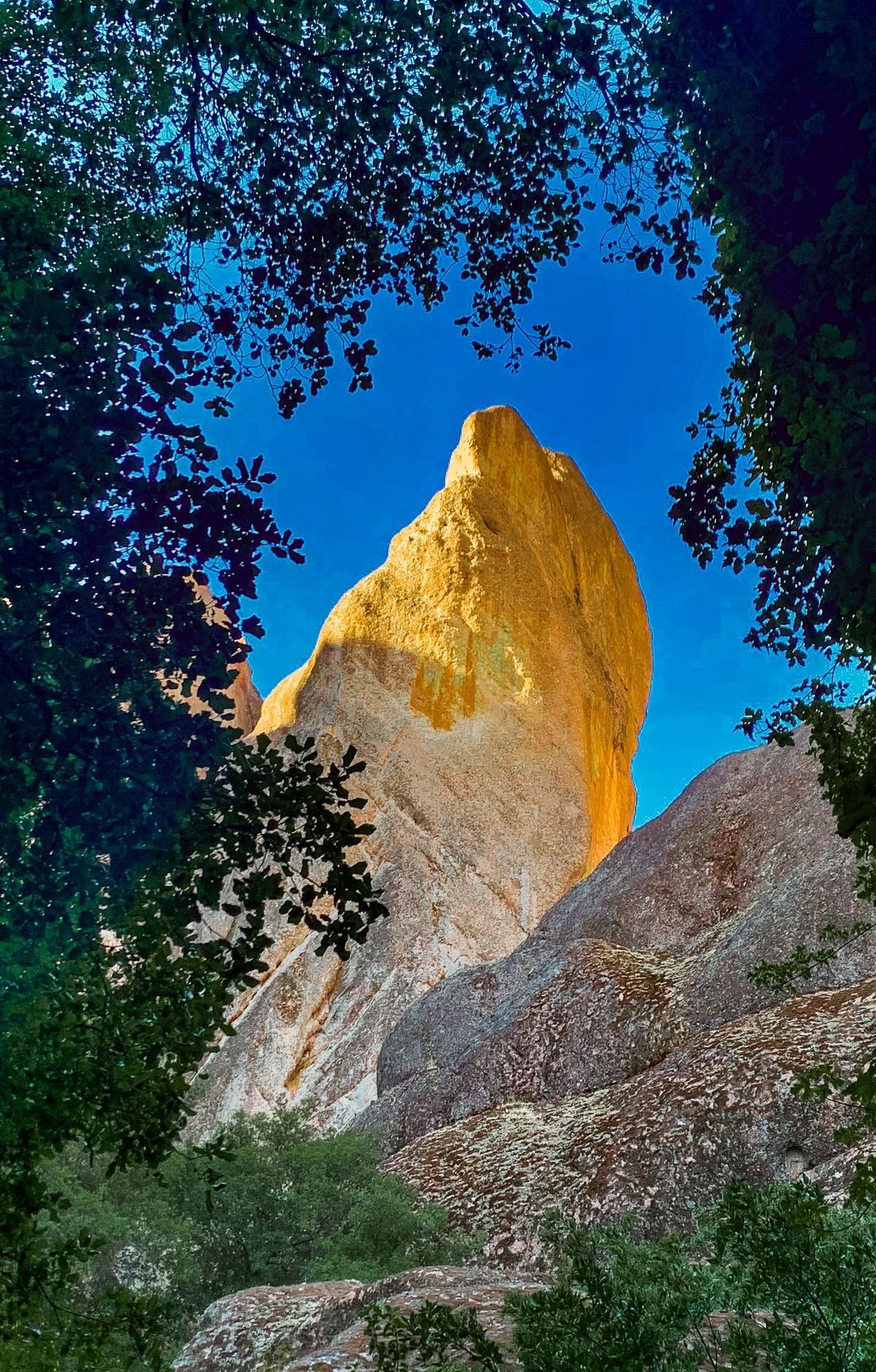
Pinnacles National Park protects volcanic rock spires and pinnacles formed by ancient eruptions roughly 23 million years ago. Hikers can pass through talus caves at Bear Gulch, where Townsend's big-eared bats roost, then climb the High Peaks Trail, which winds among massive pinnacles on the park's highest peaks. Bear Gulch Reservoir, reached by a short scenic hike, is one of the park's most photographed spots. Rock climbing, hiking and wildlife watching draw visitors. The High Peaks are part of a program that releases captive-bred California condors, North America's largest land bird, while the park also supports peregrine falcons, golden eagles and more than 500 bee species.
Park Areas
All areas →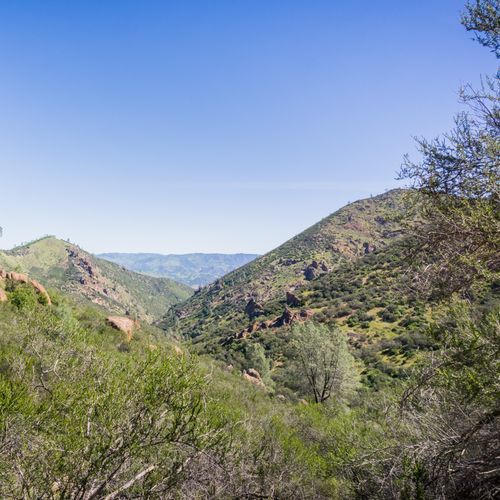
West Pinnacles
The less frequented west side is a quieter corner of the park, anchored by the Balconies region, where rock spires and volcanic formations rise from the landscape. Hiking here runs from flat grassland stretches to uphill climbs through talus caves, with routes suited to a range of fitness levels and experience. Rock climbers will find routes at many difficulty levels on the volcanic rock. Wildlife watching is a highlight, and visitors may spot California condors, golden eagles, and peregrine falcons overhead. The West Pinnacles Visitor Contact Station is a good first stop for advice on hiking routes, safe climbing, and where to spot wildlife, along with current conditions on nearby trails and caves.
East Pinnacles
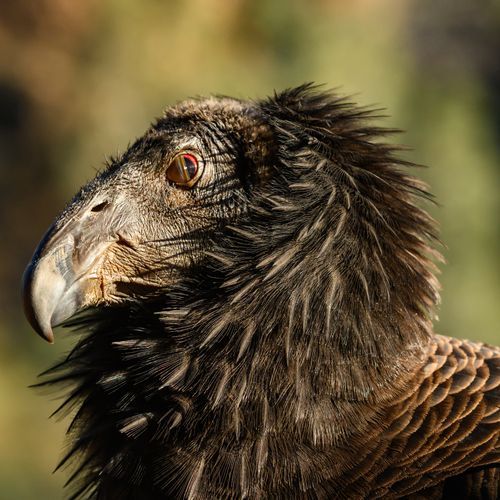
Rock spires rising from a long-extinct volcano define this side of the park, and hikers can walk through talus caves among the boulders. Hiking trails range from flat grassland strolls to steep climbs, and the network covers more than 30 miles. Rock climbing on the volcanic formations suits beginners as well as more technical challenges. Wildlife watching is a highlight, with Townsend's big-eared bats roosting in the caves and California condors soaring over the high peaks. Before setting out, stop at the Pinnacles East Entrance Station or the Bear Gulch Nature Center, where rangers can recommend trails for your fitness level. For an overnight stay, the designated campground on the east side offers tent sites, RV sites, and tent cabins.
Popular Hiking Trails
All trails →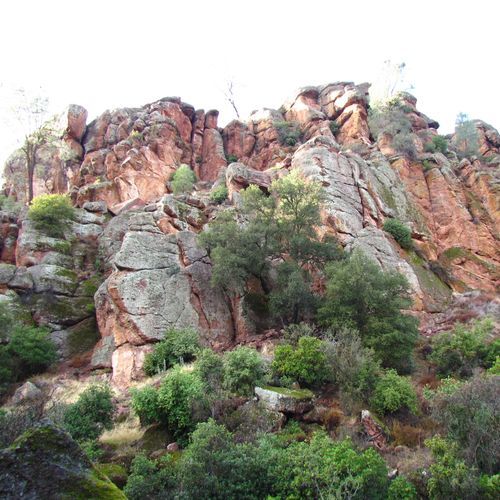
Moses Spring Trail
Moderate1.9 mi
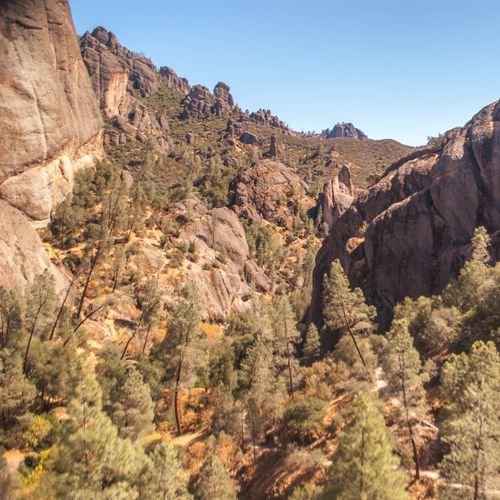
Balconies Trail
Moderate2.6 mi
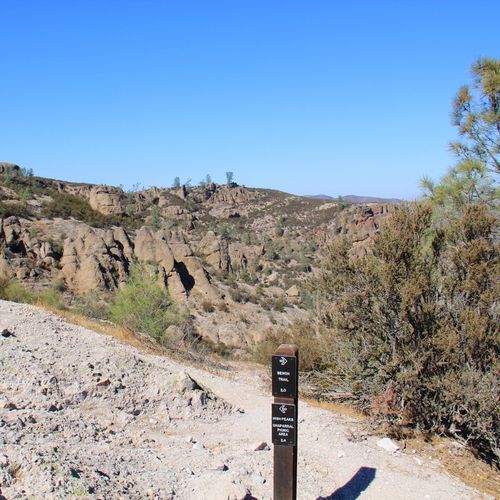
High Peaks Trail
Difficult6.8 mi
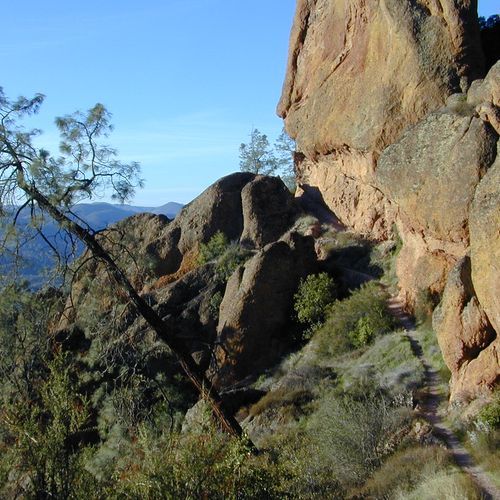
Juniper Canyon Trail
Difficult4.2 mi
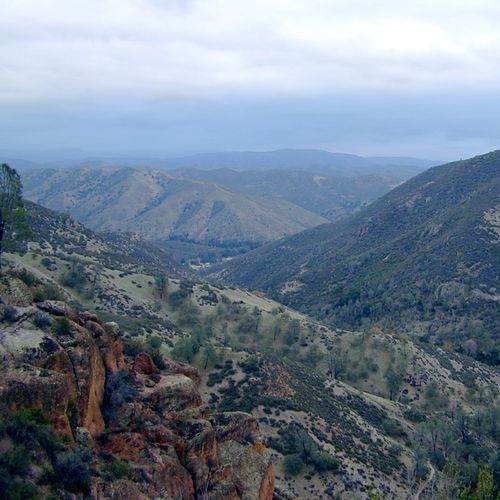
Condor Gulch Trail
Difficult3.3 mi
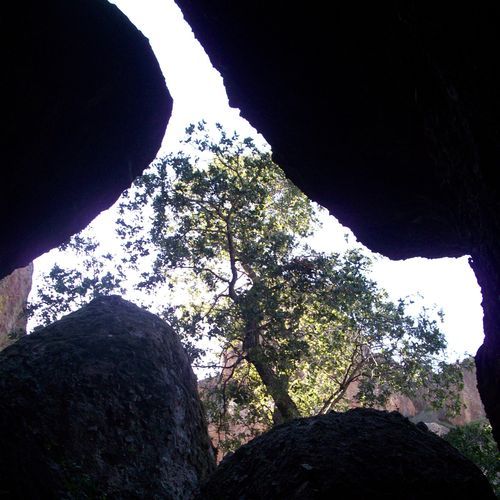
Bear Gulch Trail
Easy1.9 mi
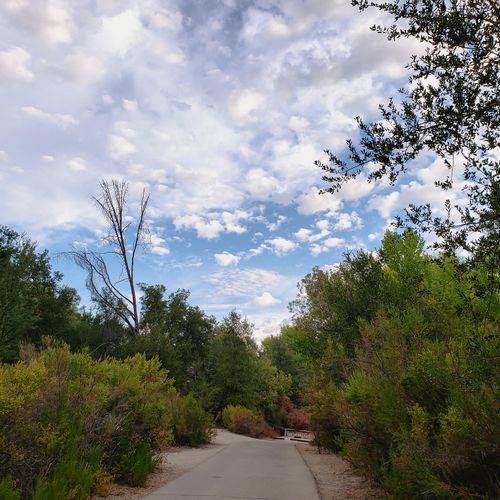
Bench Trail
Easy2.4 mi
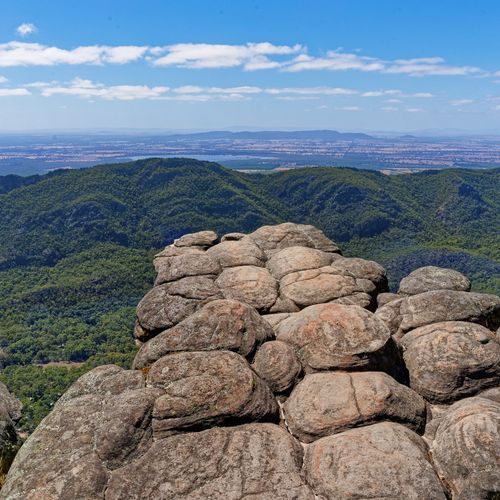
Old Pinnacles Trail
Easy2.0 mi
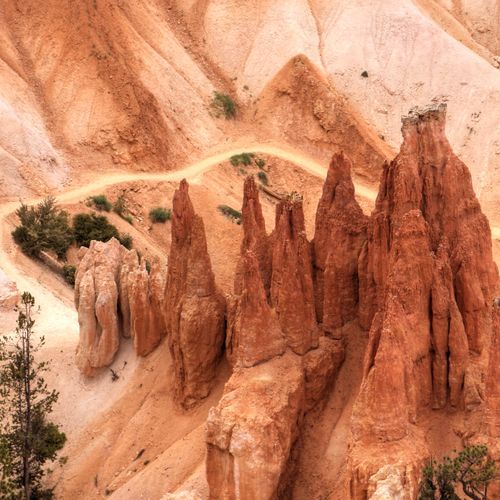
Rim Trail
Moderate3.4 mi
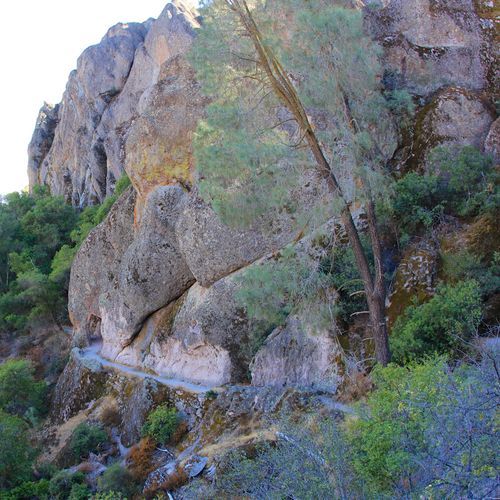
Tunnel Trail
Easy0.5 mi
Visitor Centers
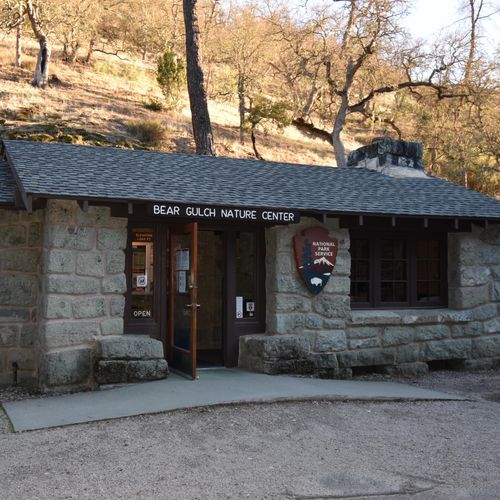
Bear Gulch Nature Center
10:00AM - 3:00PM
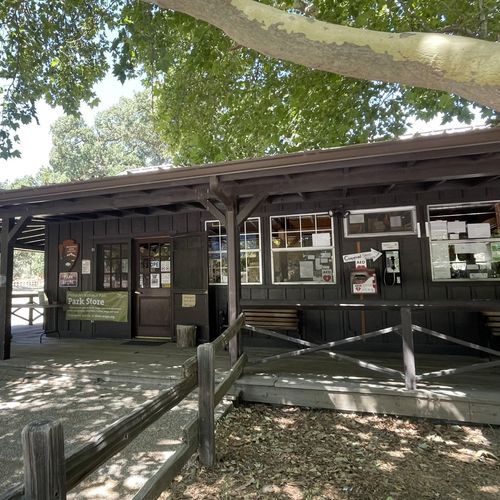
Pinnacles Park Store
9:00AM - 4:00PM
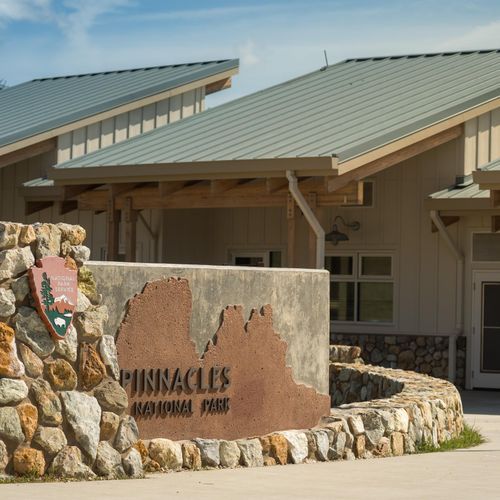
West Pinnacles Visitor Contact Station
9:00AM - 3:00PM
Campgrounds
Camping guide →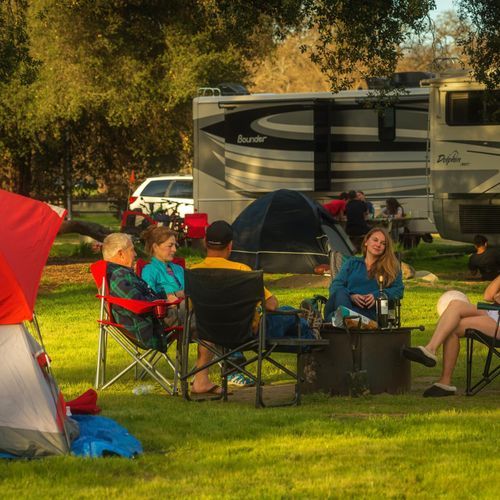
Pinnacles Campground
East Pinnacles
About the Park
Park Areas
West Pinnacles provides a rugged landscape with distinctive rock formations and caves, ideal for those seeking a more solitary hiking experience. It is less crowded than the eastern side and features the popular Balconies Cave, making it a prime spot for rock climbers and cave enthusiasts. The trails in this area vary in difficulty, offering options for different skill levels while showcasing the region's geological history. The west side is particularly noted for its caves and rock formations, contributing to its appeal.
East Pinnacles, in contrast, offers a more accessible landscape with towering rock formations and diverse ecosystems. It features well-maintained trails like the Bear Gulch Cave Trail, suitable for all skill levels. This area is a hotspot for birdwatching, with opportunities to spot prairie falcons and the California condor. Seasonal wildflower blooms enhance the terrain's vibrancy, drawing nature enthusiasts and photographers. Both areas provide unique experiences, with the west focusing on solitude and rugged exploration, while the east offers accessibility and ecological diversity.
Park Guides
All 12 guides →East or West? Choosing Your Pinnacles Entrance
Pinnacles National Park has two entrances, East and West, and no road connects them. The shortest route between the two runs through King City on Highway 101, and the drive from one side to the other takes about an hour and a half.
Beating the 100-Degree Heat: When to Visit
Summer highs at Pinnacles regularly climb past 100 degrees, and even on milder days they stay above 90.
The Neenach Volcano and the San Andreas Fault
The rock pinnacles that give the park its name are the remains of the Neenach Volcano, which was active about 23 million years ago in the area that is now Lancaster, California.
Bear Gulch and Balconies Talus Caves
Bear Gulch Cave and Balconies Cave are the two main talus caves in Pinnacles National Park.
High Peaks Loop: Ladders, Ledges, and Condors
The High Peaks Trail Loop covers 5.6 miles and is rated moderate to strenuous, so it suits hikers ready for a substantial outing.
