
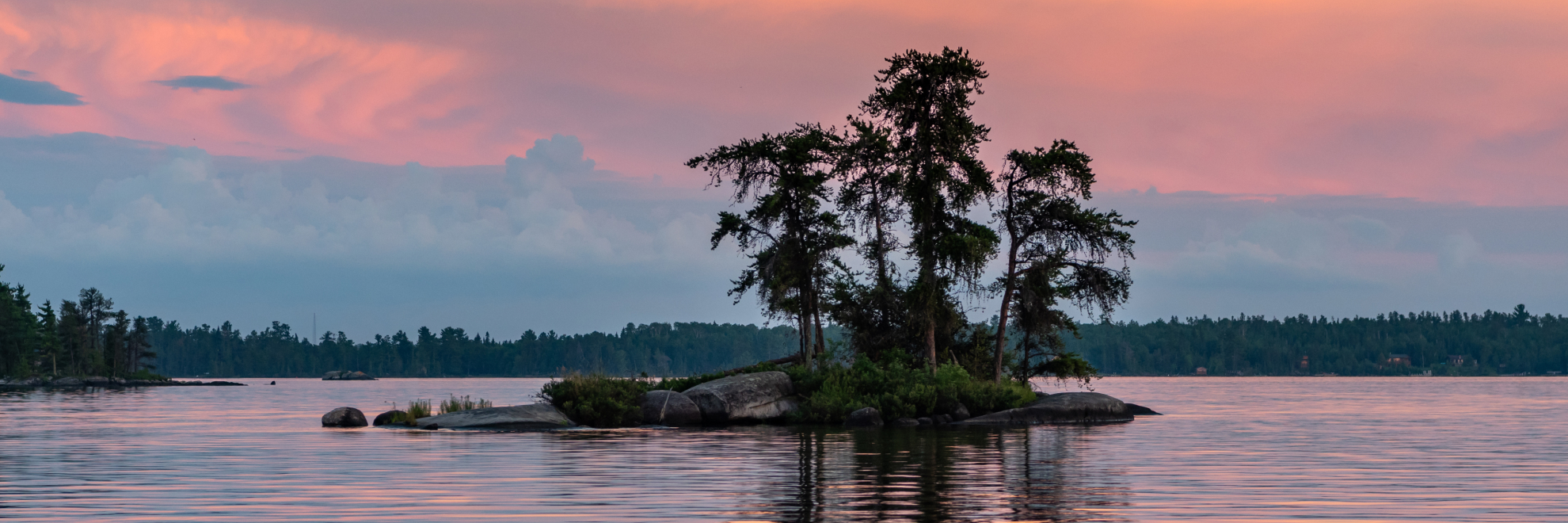
Voyageurs National Park, located in northern Minnesota, offers a breathtaking blend of water, forest, and history. Named for the French-Canadian fur traders, known as 'voyageurs', who were the first European settlers to frequently travel these waterways, the park preserves the routes once paddled by these early adventurers. Stretching over 218,000 acres, Voyageurs is predominantly a water-based park where you can explore four large lakes and numerous smaller ones by boat or canoe. Rainy Lake, Namakan Lake, Sand Point Lake, and Kabetogama Lake are the main bodies of water within the park.
Voyageurs National Park is a sanctuary for wildlife enthusiasts, hosting a rich variety of animals including wolves, black bears, moose, and over 240 bird species, making it a prime spot for birdwatching. The boreal forest ecosystem provides a lush habitat for numerous plants and animals, and the pine, spruce, and fir trees offer a serene landscape for visitors.
One of the unique aspects of this park is its significant geological history. It sits on the southern edge of the Canadian Shield, featuring rock formations that are billions of years old. These ancient rocks form the bedrock of the stunning landscapes visitors enjoy today. In winter, the park's frozen lakes and snow-covered terrains become a playground for cross-country skiing, snowshoeing, and snowmobiling, offering a different but equally majestic perspective of the area.
Voyageurs National Park is also a haven for those interested in astronomy. Far from city lights, its dark skies make it an excellent location for stargazing, particularly during the Aurora Borealis or 'Northern Lights,' which can sometimes be seen shimmering across the horizon.
Camping here is unique, as the majority of campsites are accessible only by boat, providing a true escape into nature. The park's historical sites, like the Ellsworth Rock Gardens or the remnants of old mining and logging operations, offer a glimpse into the human history that has shaped this region.
Voyageurs National Park
Minnesota
Minnesota
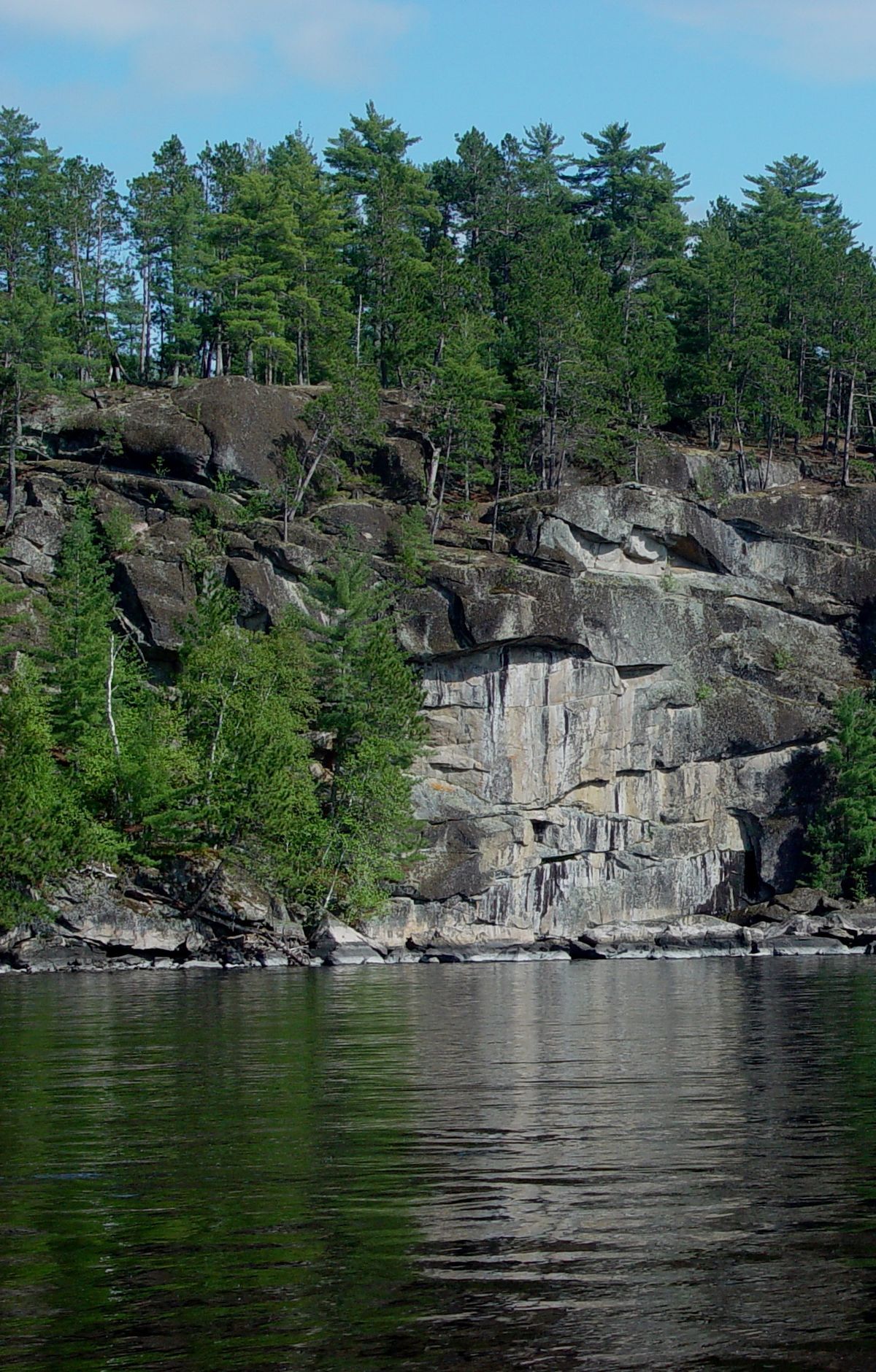
Voyageurs National Park is built around a network of lakes and connecting waterways spanning about 218,000 acres of northern Minnesota. Much of the park is best explored by boat, and every campsite except the primitive backcountry sites requires one to reach. Day use areas offer places for picnicking and swimming. The park is named for the voyageurs, French-Canadian fur traders who traveled these waters. Its rocks belong to the Canadian Shield and are among the oldest on the North American continent. People have lived here for nearly 10,000 years, fishing, hunting and gathering wild rice. Wolves, black bears, moose and white-tailed deer roam the boreal forest, and loons and bald eagles are common.
Park Areas
All areas →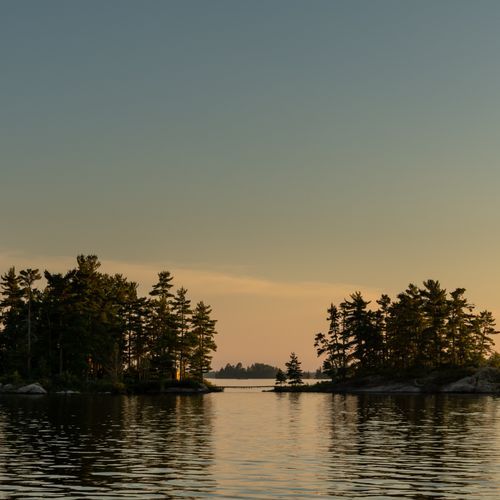
Rainy Lake
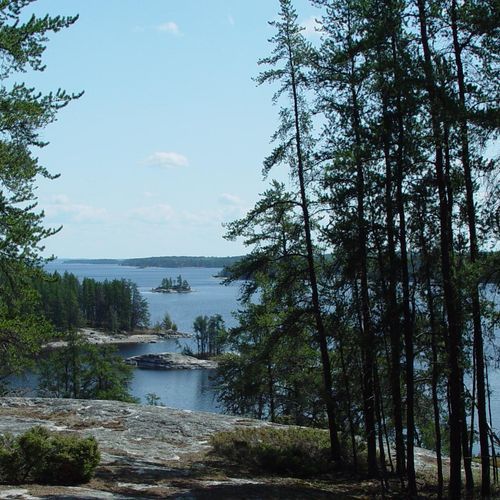
Island-studded waters and boreal forest define much of this area, which is best explored by boat. Voyageur tour boats carry visitors to historic sites, including the Kettle Falls Hotel, a resort built in 1910 that can only be reached by water in summer. Anderson Bay has bluffs rising above the water, with views from the top over the bay and lake. The Rainy Lake Visitor Center sits on Black Bay and offers exhibits, a bookstore and a theater showing a park film. Ashore, the Rainy Lake Recreation Trail follows the park road through woods and around rock outcrops, a paved path suited to walkers and bicyclists. Its islands and shores carry traces of fishing, logging, gold mining and trapping, which guided tours explore.
Kabetogama Lake
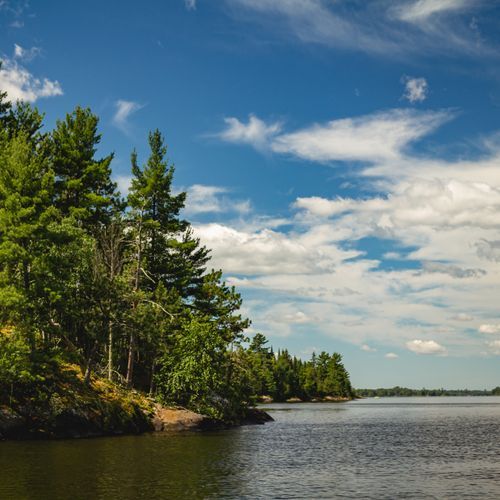
Boat tours depart from the visitor center in the small community of Kabetogama, on the lake's southwest shore, and travel to Ellsworth Rock Gardens on the northern shore. Mr. Ellsworth created the garden as part of his family's summer home, and it was once filled with flowers. Hacksaw Pass holds several wetlands, the Gold Portage, the Woodenfrog family residence, and other sites tied to Ojibwe history. On land, the short Kabetogama Lake Overlook Trail winds through pine forest to a bench with a view of the water framed by trees. Other hiking trails include the Echo Bay Trail, the Kab-Ash West trails, and the Locator Lake Trail. Commercial outfitters also run guided paddling, hiking, and camping trips here.
Namakan Lake
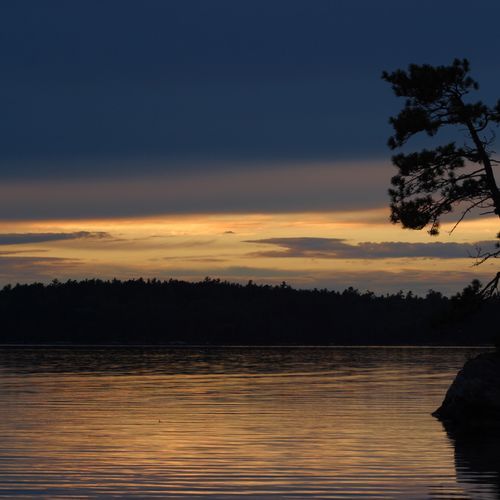
Among the four large lakes that make up the park's water network, this one rewards anyone willing to travel by boat. Hoist Bay on the south shore once supported logging and seasonal recreation, and old railroad trestle piers and resort-era buildings still mark the spot. Farther on, the I.W. Stevens Pine Cove Resort preserves a cluster of historic structures, including a home, a sauna and a guest cabin, tucked among tall red pines that the lumber company spared. Moose River Indian Village sits at the point where the Moose River flows into Moose Bay, the place where Bois Forte Ojibwe people lived from the 1760s into the 1930s. Visitors cruise by motorboat, paddle canoes or kayaks, or reach boat-in campsites. Trails in the Ash River area, including the Beast Lake Trail and Blind Ash Bay Trail, offer walks on land.
Sand Point Lake
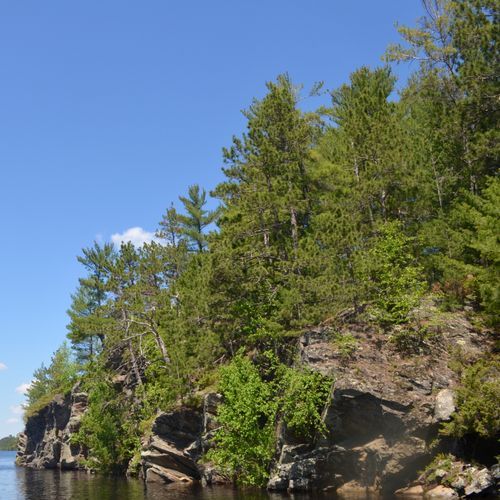
Grassy Bay, a large western bay, is the standout feature of this lake, rich in natural and cultural resources and known for its cliffs. The Mukooda Trail starts at the Mukooda Day Use Area in the lake's southeastern corner, and reaching it requires a six-mile boat ride from the Crane Lake area. This is one of the four large lakes in the park, and paddling by canoe or kayak lets visitors explore its waters at their own pace. Along the shore, the Casareto Summer Cabin sits on a sand beach, while the Mittet Cabin reflects early recreation in the area. The Ingersoll estate's lodge was visible from the lake before it collapsed, and its remains were later stored for a possible rebuilding.
Popular Hiking Trails
All trails →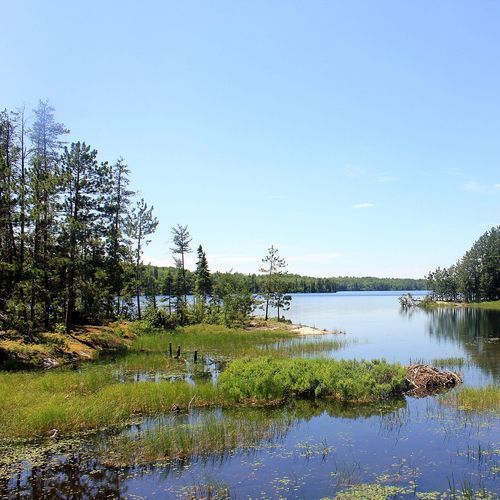
Cruiser Lake Trail
Difficult16.7 mi
Anderson Bay Overlook Trail
Easy2.1 mi
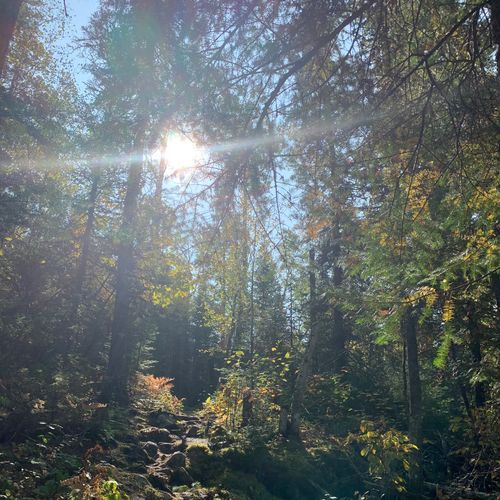
Rainy Lake Recreation Trail
Moderate5.6 mi
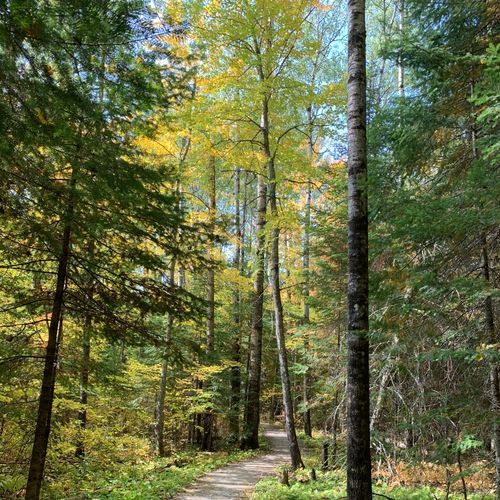
Echo Bay Hiking Trail
Easy2.3 mi
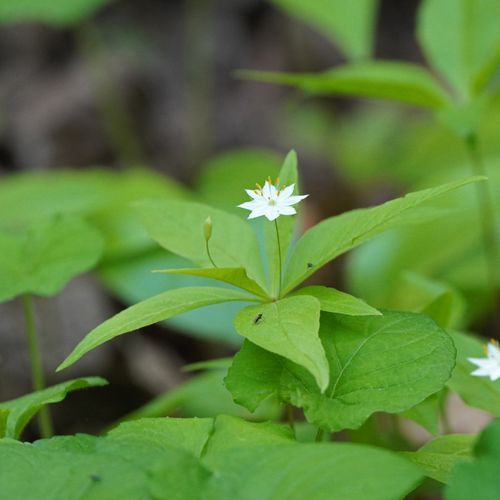
Beast Lake Traill
Easy2.5 mi
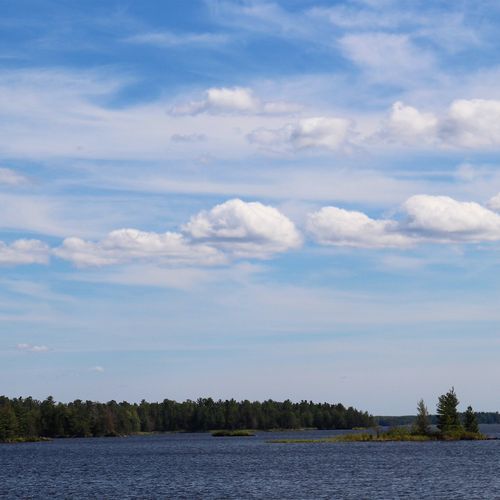
Oberholtzer Hiking Trail
Easy1.0 mi
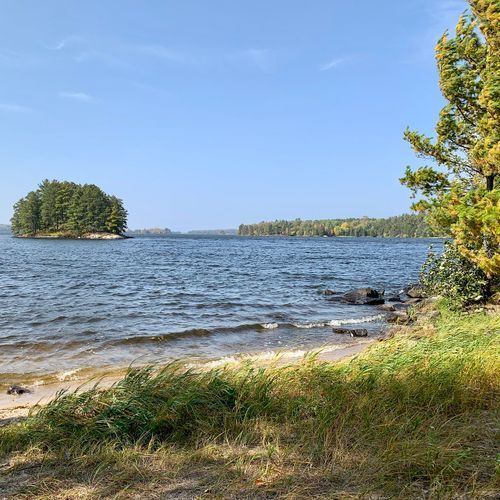
Blind Ash Bay Trail
Easy2.1 mi
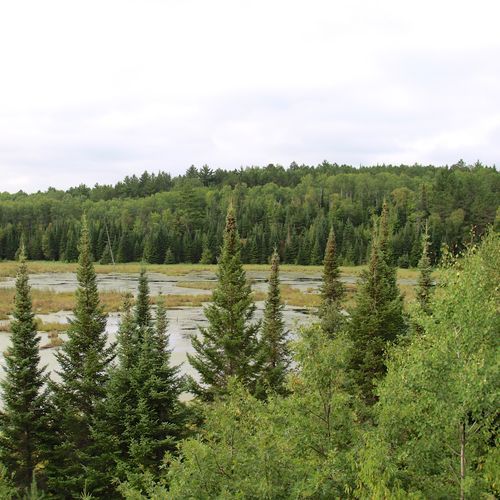
Beaver Pond Overlook Trail
Easy0.3 mi
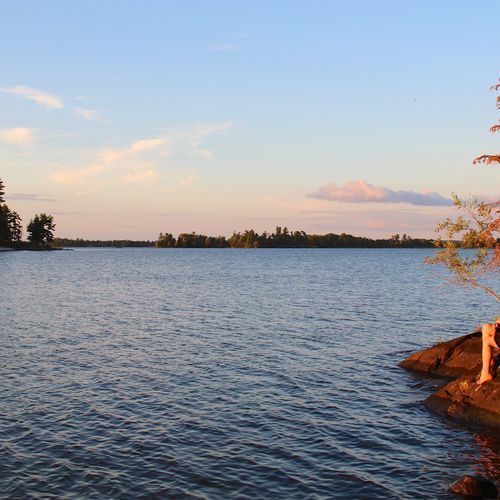
Locator Lake Trail
Easy3.9 mi
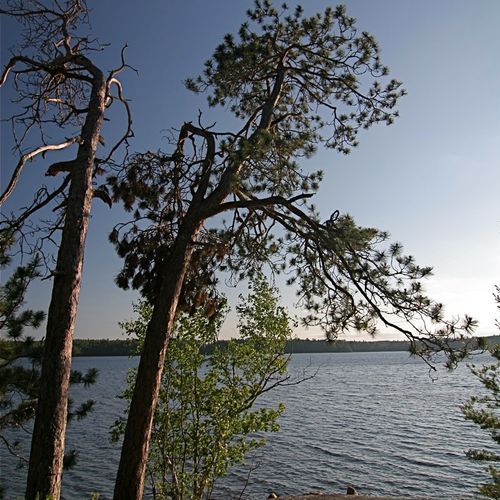
Mukooda Trail
Easy2.7 mi
Visitor Centers
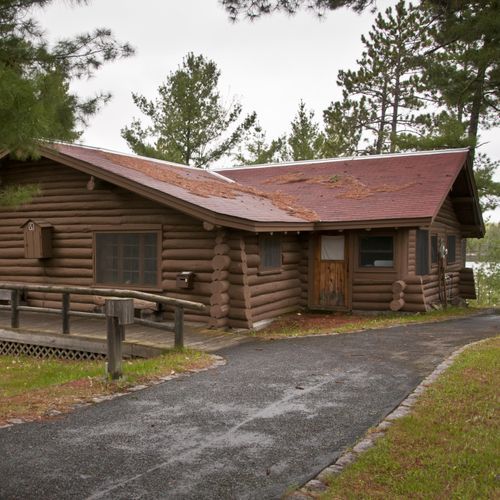
Ash River Visitor Center
9:00AM - 5:00PM
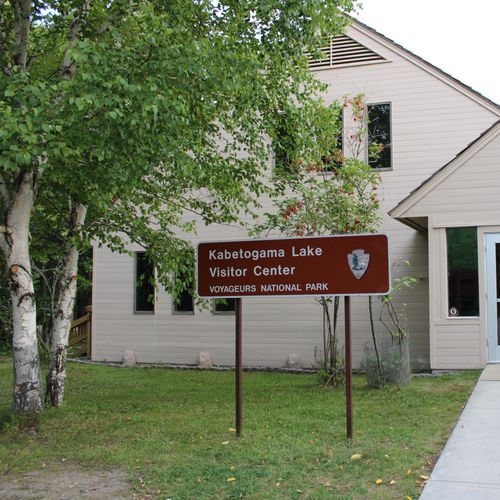
Kabetogama Lake Visitor Center
9:00AM - 5:00PM
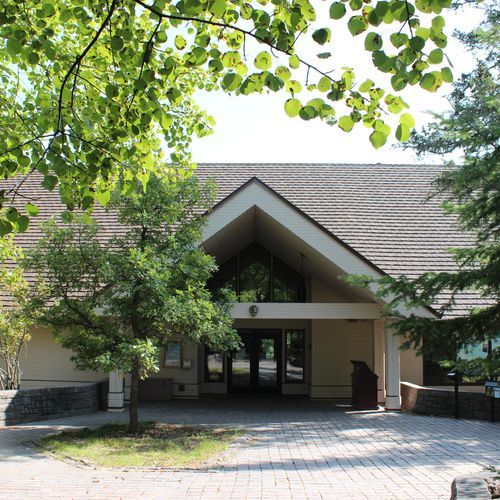
Rainy Lake Visitor Center
9:00AM - 5:00PM
About the Park
Park Areas
Rainy Lake stands out for its expansive waters, ideal for boating and fishing, with a rich variety of fish species such as walleye and northern pike. Its larger size allows for secluded exploration and offers historical intrigue with sites like Rainy Lake City, a remnant of a brief gold rush era. The interconnected waterways are perfect for wildlife observation, including bald eagles and otters, and its position along the U.S.-Canada border adds geographical interest.
Kabetogama Lake provides easy access to numerous islands and secluded bays, making it a prime spot for boating and fishing. Known for its abundant walleye and northern pike, the lake also offers frequent wildlife sightings, including bald eagles and black bears. Its serene, forested landscapes, glacial-carved rock bluffs, and sandy beaches offer a distinct contrast to the park's more rugged areas.
Namakan Lake offers a quieter atmosphere with its interconnected waterways and diverse wildlife, appealing to those seeking solitude. It serves as a gateway to smaller bays, islands, and channels, and is popular among anglers for its plentiful fish species. Historical sites, such as old logging camps, provide a glimpse into the past.
Sand Point Lake combines serene waters with rich wildlife, offering easier access to fishing opportunities. Part of the interconnected waterways, it is ideal for canoeing and exploring. Nearby historical sites, like the Kettle Falls area, add cultural interest, and its quieter atmosphere is appreciated by visitors seeking a less crowded experience.
Park Guides
All 12 guides →Water Taxis and Gateways Without a Boat
The water is the real way into this park: cars reach the visitor centers and many trails, while much of the park is best seen from a boat.
Ice-Out and Freeze-Up: Timing Your Trip
The lakes set the pace for the year here. The average ice-out date falls on May 3, but it shifts from one year to the next, and some lakes can stay ice-covered until mid-May.
A Park Built on Water: 500 Islands
Water covers roughly 84,000 acres of this park, and its shoreline runs 655 miles, much of it left undeveloped.
Grassy Bay Cliffs and Other Waterside Sights
The Grassy Bay Cliffs are one of the best known sights in the park. Grassy Bay is a large bay on the western side of Sand Point Lake, and it holds rich natural and cultural resources.
Walleye, Pike and Smallmouth Bass Fishing
Anglers in Voyageurs National Park often seek walleye, northern pike and smallmouth bass first.
