
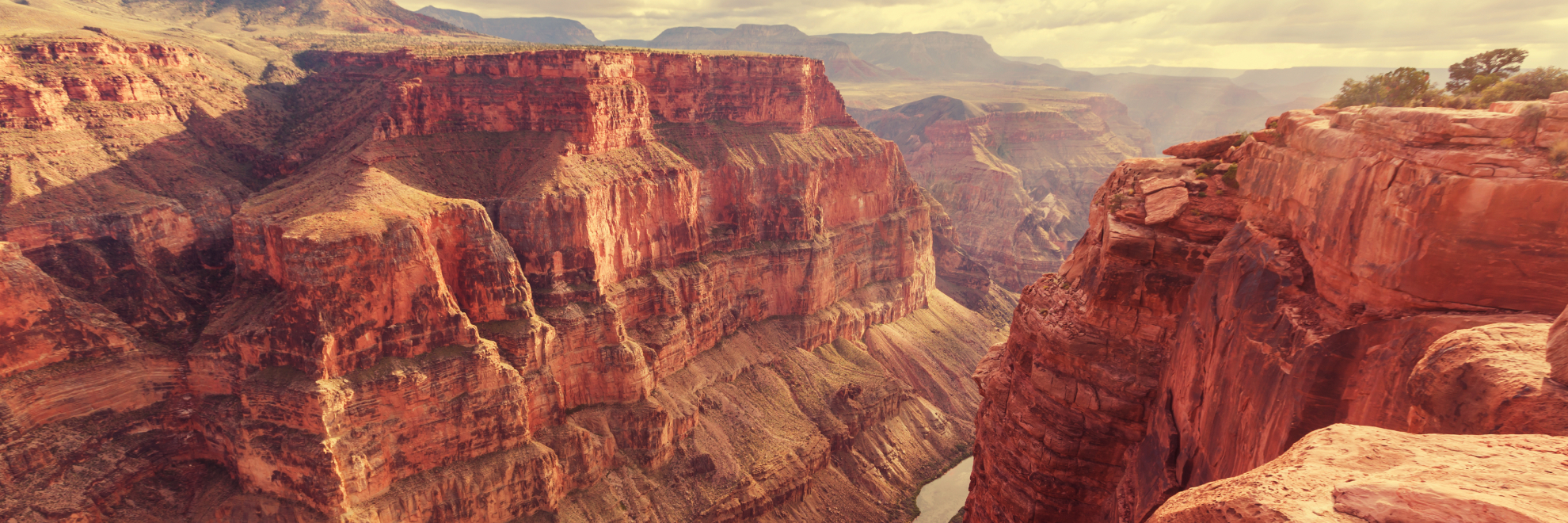
Grand Canyon National Park, one of the seven natural wonders of the world, is a staggering example of the power of nature's forces. Formed by millions of years of erosion by the Colorado River, the Grand Canyon reveals exposed layers of colorful rock that document a vast period of Earth's history. Spanning 277 river miles long, up to 18 miles wide, and over a mile deep, the park is a geological masterpiece that attracts millions of visitors each year.
The South Rim, open year-round, offers a wide array of facilities and panoramic viewpoints like Mather Point and Yavapai Observation Station. The North Rim provides a quieter experience, with a shorter season and higher elevation, offering a different perspective of the canyon's vastness. Both rims provide opportunities for photography, wildlife viewing, and hiking. Visitors might catch a glimpse of the abundant wildlife, including the California condor, mountain lions, elk, and several species of reptiles and birds adapted to the diverse environments from rim to river.
Grand Canyon National Park also holds a deep cultural heritage, with evidence of human occupation dating back nearly 12,000 years. Ancient Puebloans, the Cohonina, and various other Native American tribes have considered this majestic landscape sacred. Today, the park is still a vital cultural site for many tribes who hold strong ties to the land. When visiting, one can explore historic buildings, museums, and cultural exhibits that celebrate this rich human history.
Moreover, the Grand Canyon is a hub for outdoor adventures ranging from leisurely scenic drives along Desert View Drive to challenging backcountry hikes and whitewater rafting within the canyon. Whether you're peering into the depths from a rim, hiking down ancient trails, or rafting the wild Colorado River, the Grand Canyon offers an unforgettable experience connecting with nature and history.
Grand Canyon National Park
Arizona
Arizona
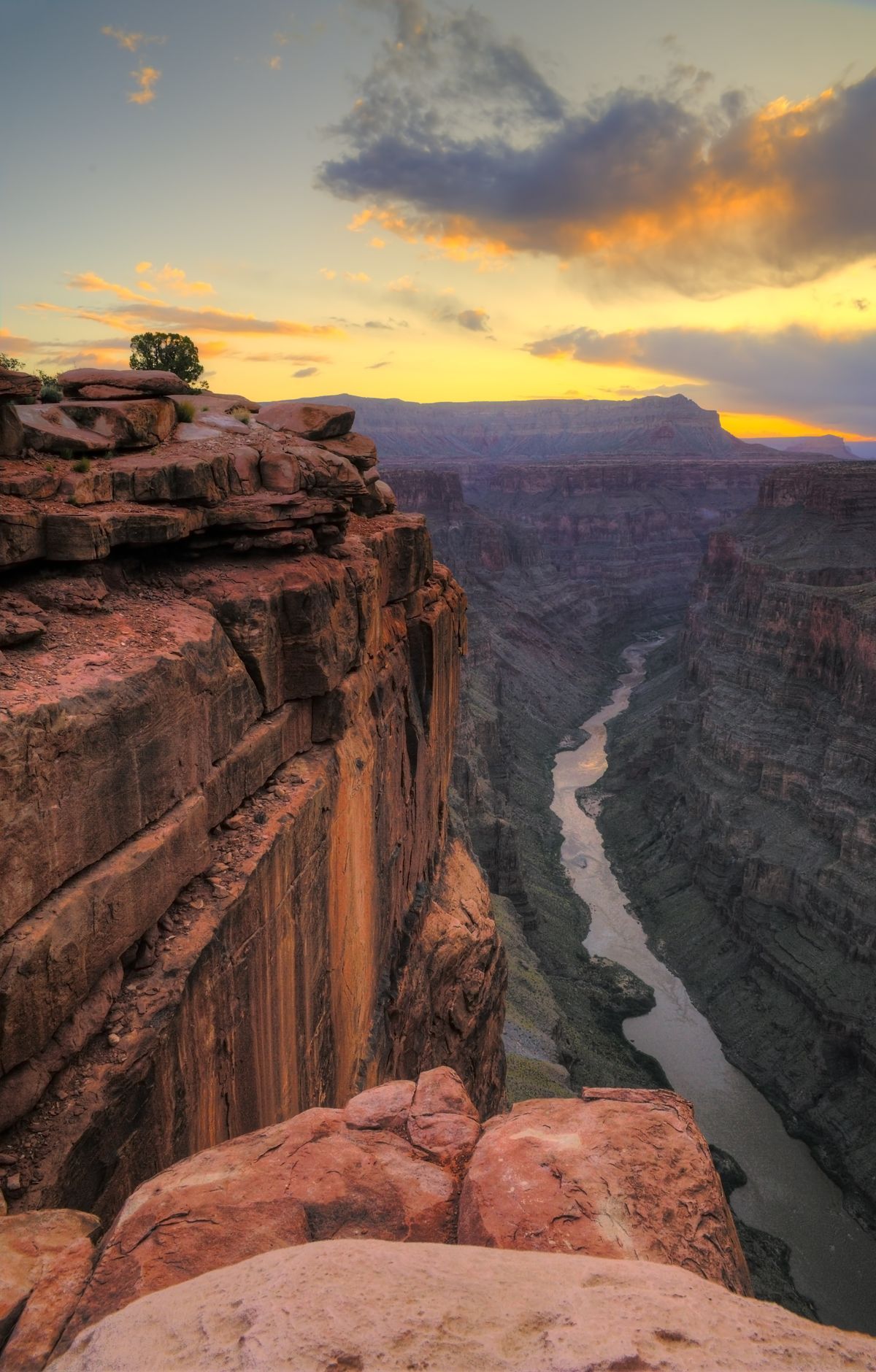
A mile-deep canyon cut by the Colorado River defines Grand Canyon National Park, which lies entirely within Arizona and takes in 278 miles of the river. The land is the ancestral home of 11 present-day Tribal Communities. Most visitors head to the South Rim, the most accessible part of the park, where Desert View Drive and Hermit Road link overlooks and the Desert View Watchtower stands near the East Entrance. Trails such as Bright Angel and South Kaibab lead hikers below the rim, and mule rides set out from the South Rim. Rangers lead guided walks, talks and evening programs. The remote North Rim offers its own scenic drive, and rafting trips run the Colorado River.
Park Areas
All areas →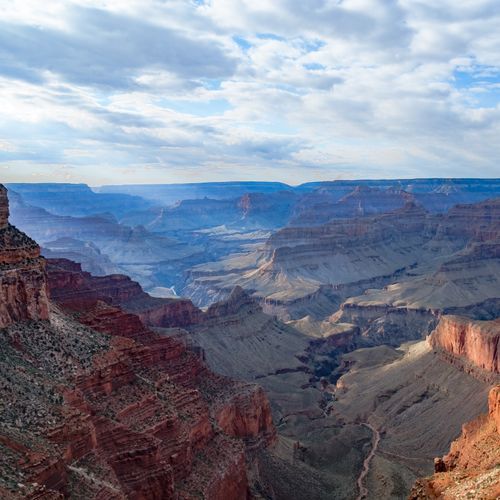
South Rim
Most visitors arrive at the South Rim, where three sections, Grand Canyon Village, Hermit Road and Desert View Drive, link dozens of viewpoints over the inner canyon. Grand Canyon Village is the main services hub, with lodging, food, fuel, historic buildings and trailheads. Mather Point, usually the first overlook on arrival, is a natural place to join the Rim Trail, an easy, partly paved path running west through the village to Hermits Rest, where shuttles can carry walkers back. Hermit Road passes Powell and Mohave points. To the east, Desert View Drive ends at the historic Watchtower, designed by Mary Colter, above the Colorado River. Hikers wanting a steep descent can take the Bright Angel Trail from the village or the South Kaibab Trail near Yaki Point. Ranger talks, rim walks and guided tours round out the options.
North Rim
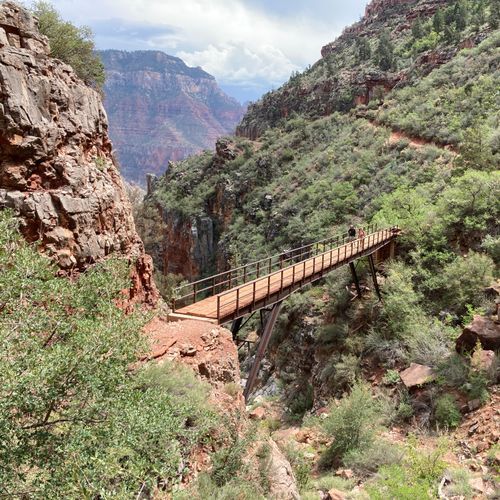
The North Rim sits on the Kaibab Plateau at more than 8,000 feet, cooler and far quieter than the South Rim, with conifer forest and a short season set by snow. The Dragon Bravo Fire destroyed Grand Canyon Lodge and the North Rim Visitor Center, and the developed area at Bright Angel Point, including the campground and the Bright Angel Point, Transept, Widforss, Bridle Path and North Kaibab trails, is closed until further notice. The scenic roads to Point Imperial and Cape Royal have been open for day use, so check the park's North Rim status before planning a trip.
Popular Hiking Trails
All trails →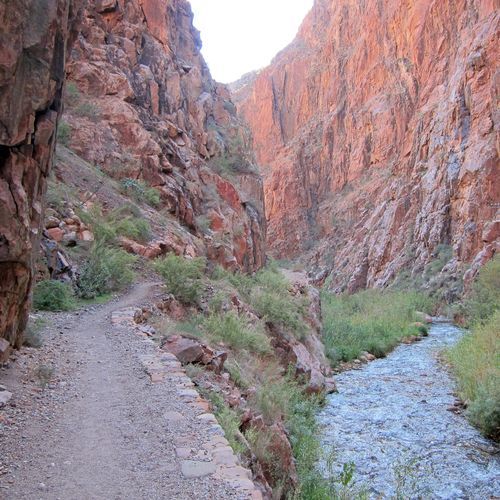
North Kaibab Trail [CLOSED]
Difficult14.3 mi
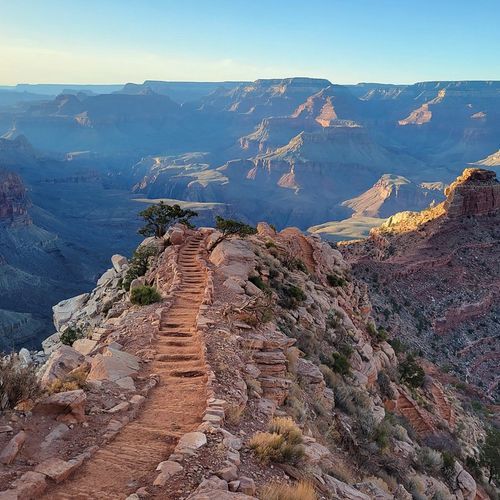
South Kaibab Trail
Difficult13.0 mi
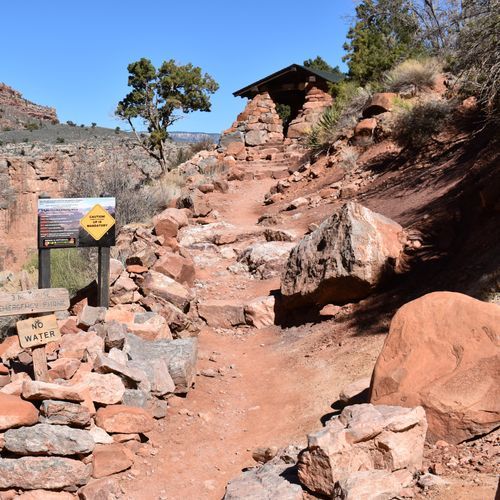
Bright Angel Trail
Difficult15.5 mi
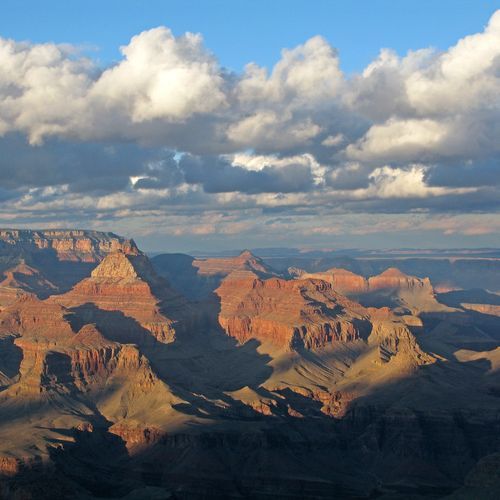
Grandview Trail
Difficult8.6 mi
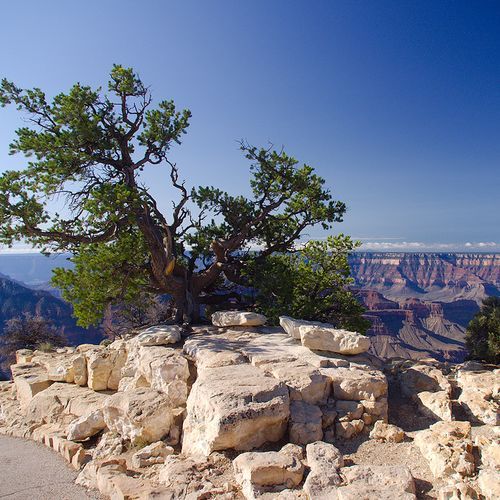
Bright Angel Point Trail [CLOSED]
Easy0.8 mi
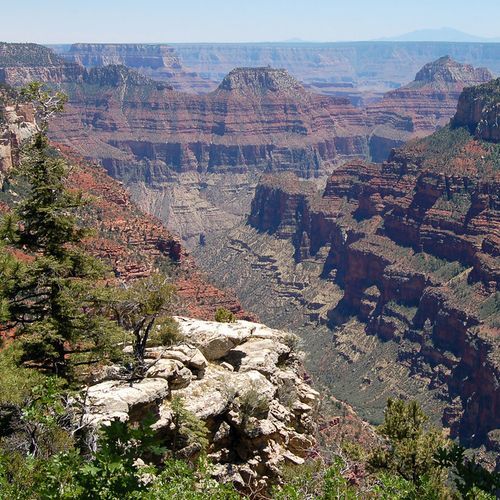
Transept Trail [CLOSED]
Moderate3.7 mi
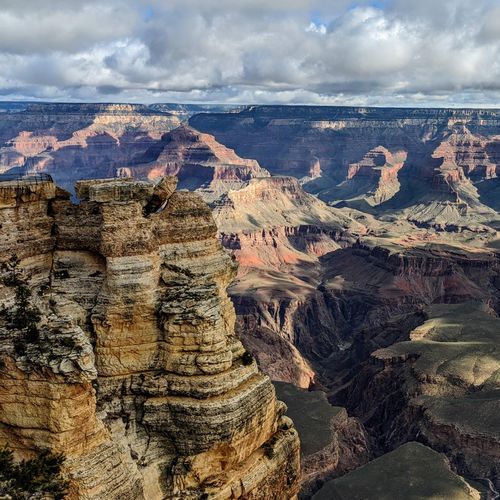
Rim Trail
Easy12.7 mi
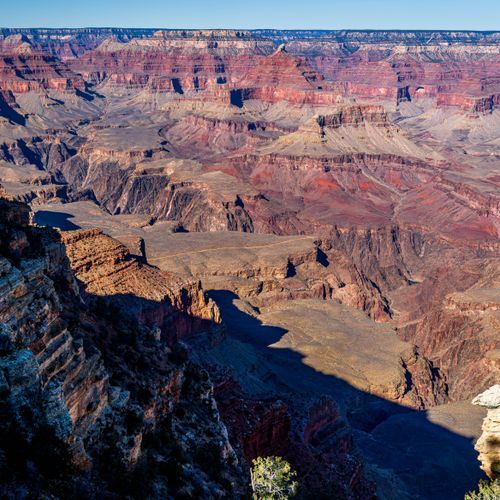
Plateau Point Trail
Difficult12.3 mi
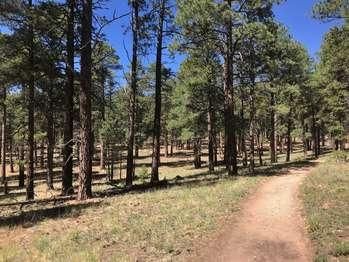
Cape Final Trail
Easy4.1 mi
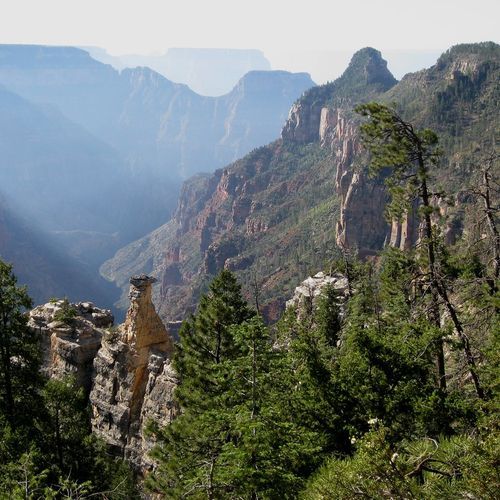
Widforss Trail [CLOSED]
Moderate9.3 mi
Visitor Centers
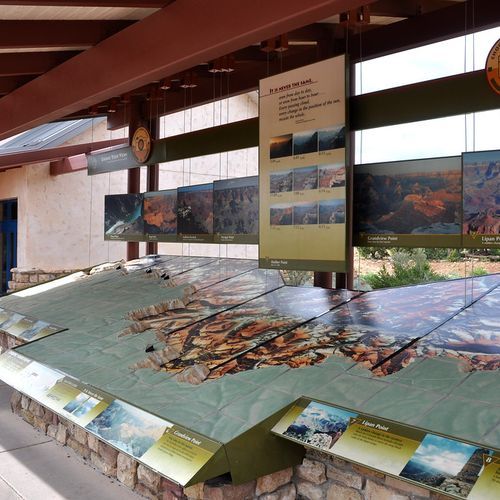
Grand Canyon Visitor Center (South Rim)
9:00AM - 4:00PM
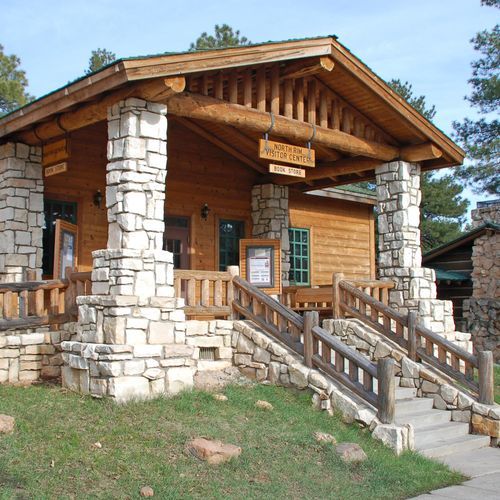
North Rim Visitor Center Park Store [CLOSED]
9:00AM - 5:00PM
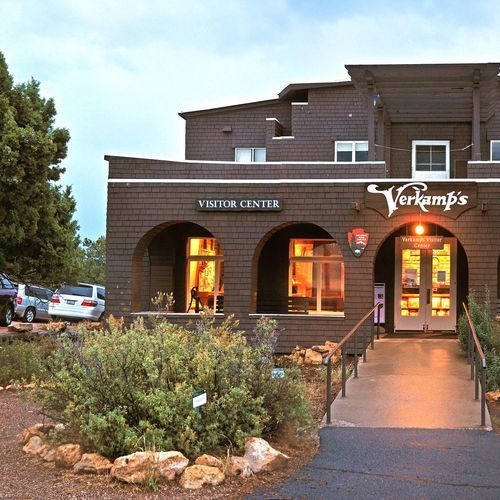
Verkamp's Visitor Center (South Rim)
8:00AM - 6:00PM
Campgrounds
Camping guide →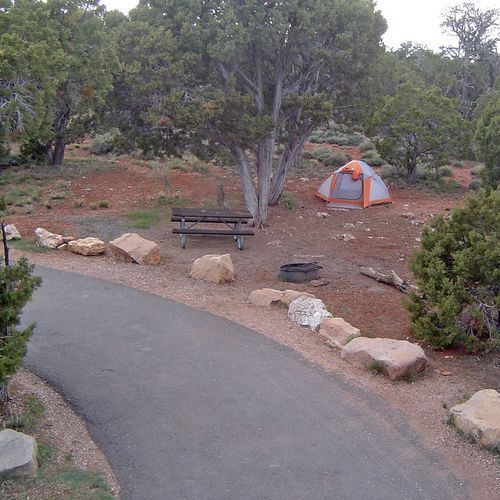
Desert View Campground (Reservations Required)
North Rim
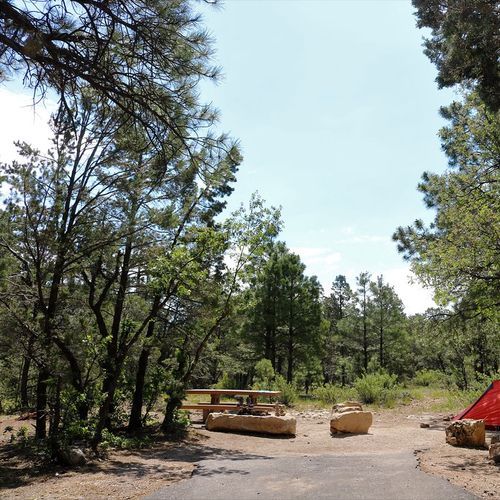
Mather Campground - South Rim
South Rim
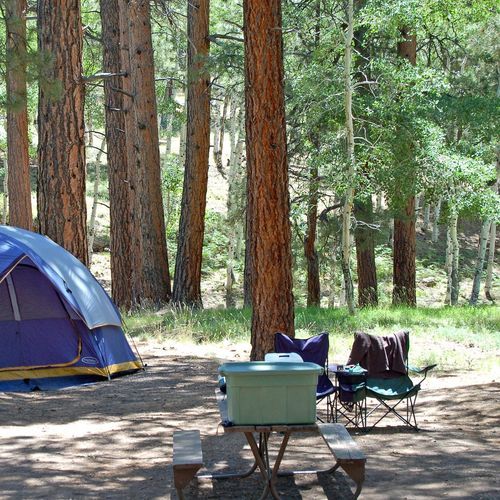
North Rim Campground [CLOSED]
North Rim
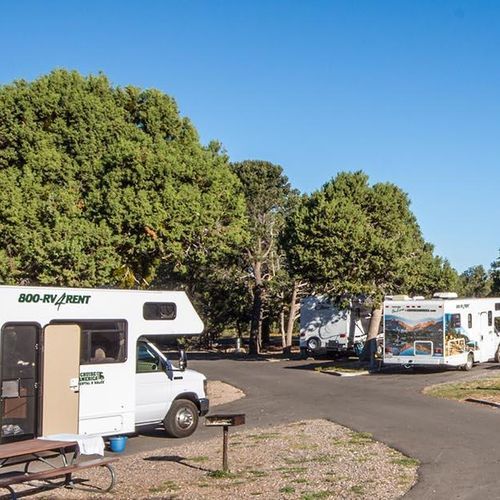
Trailer Village RV Park - South Rim
South Rim
About the Park
Park Areas
The North Rim of the Grand Canyon provides a tranquil and less crowded experience, ideal for visitors seeking solitude and expansive views. Situated at an elevation of 8,000 to 9,000 feet, it offers cooler temperatures and unique vistas, with diverse ecosystems such as mixed conifer forests and meadows. Access is limited from May 15 to October 15 due to snowfall, requiring careful planning but rewarding visitors with a distinct seasonal experience and fewer facilities.
Desert View on the South Rim is known for its panoramic views of the Grand Canyon and the Colorado River. It is less crowded than other South Rim areas, offering a peaceful visit. The historic Desert View Watchtower, designed by Mary Colter, stands as a significant landmark. Visitors can also explore the Tusayan Museum and Ruin to gain insights into ancestral Puebloan culture. This area is particularly appealing to those interested in geology, history, and expansive canyon views.
Park Guides
All 11 guides →South Rim Shuttles, Entrances and Gateway Towns
Free shuttle buses serve the South Rim year-round and link Grand Canyon Visitor Center with lodges, campgrounds, trailheads and scenic overlooks.
Summer Heat, Monsoon Storms and Canyon Seasons
At the river near Phantom Ranch, roughly 2,400 feet above sea level, summer afternoons typically climb past 100 degrees.
Hermit Road: Shuttle-Only Overlooks to Hermit's Rest
Hermits Rest marks the western end of Hermit Road, seven miles from Grand Canyon Village. Mary Colter designed the 1914 building as a rustic miner's cabin, using local stone and adding a porch out front and a huge fireplace set into an alcove.
Desert View Drive and the Historic Watchtower
Desert View Drive follows the South Rim for 23 miles between Grand Canyon Village and Desert View, the easternmost developed area on the rim.
Corridor Trails: Bright Angel and South Kaibab
Two maintained trails drop from the South Rim to the Colorado River, forming the park's main corridor.
