
The National Park of American Samoa is a remote and captivating jewel of nature that spans several islands including Tutuila, Ta'ū, and Ofu in the heart of the Pacific Ocean. The park is the only U.S. National Park south of the equator, offering a unique mix of lush tropical rainforests, vibrant coral reefs, and volcanic islands, making it a paradise for adventurers and nature enthusiasts alike.
The park covers approximately 13,500 acres, about 4,000 of which are submerged and protected as marine areas. This unique ecosystem is home to a variety of wildlife, including the flying fox, a large fruit bat that is key to the dispersal of seeds and maintenance of the forest. The park's waters are teeming with over 950 species of fish and more than 250 species of coral.
The Samoan culture is deeply engrained in the park's identity. The fa'asamoa, or the Samoan way, emphasizes a strong connection with the land and sea. Visitors can learn about traditional Samoan culture through experiences like the 'ava ceremony, storytelling, or even a homestay in a Samoan village. This immersive cultural experience complements the awe-inspiring natural sights, including dramatic volcanic cliffs and pristine beaches.
The island's rugged terrain offers challenging hikes with panoramic views. One popular destination is the Mount Alava trail on Tutuila, offering expansive views of Pago Pago Harbor. Meanwhile, Ta'ū provides an adventurous climb to Lata Mountain, the highest peak in American Samoa.
Access to the park itself is an adventure, with limited flights and a requirement for advance planning, but the reward is an unspoiled paradise largely untouched by commercial tourism. The National Park of American Samoa is a place where both the journey and the destination are full of discovery, providing a truly unique experience unlike any other U.S. National Park.
National Park of American Samoa
American Samoa
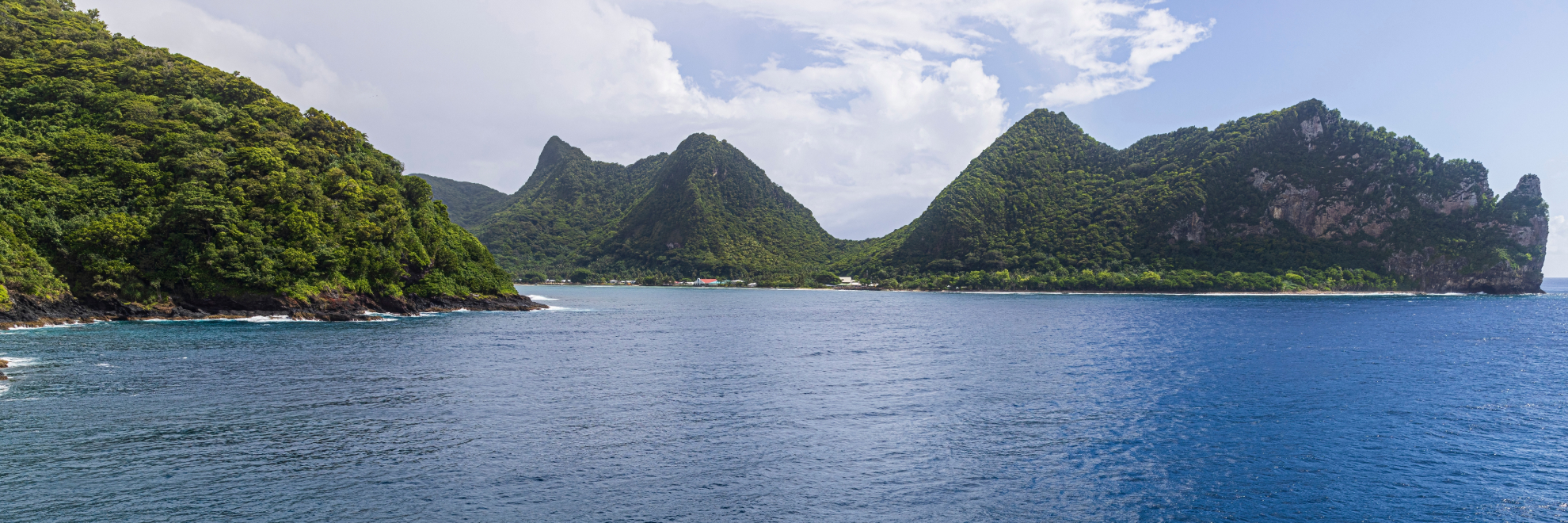
American Samoa
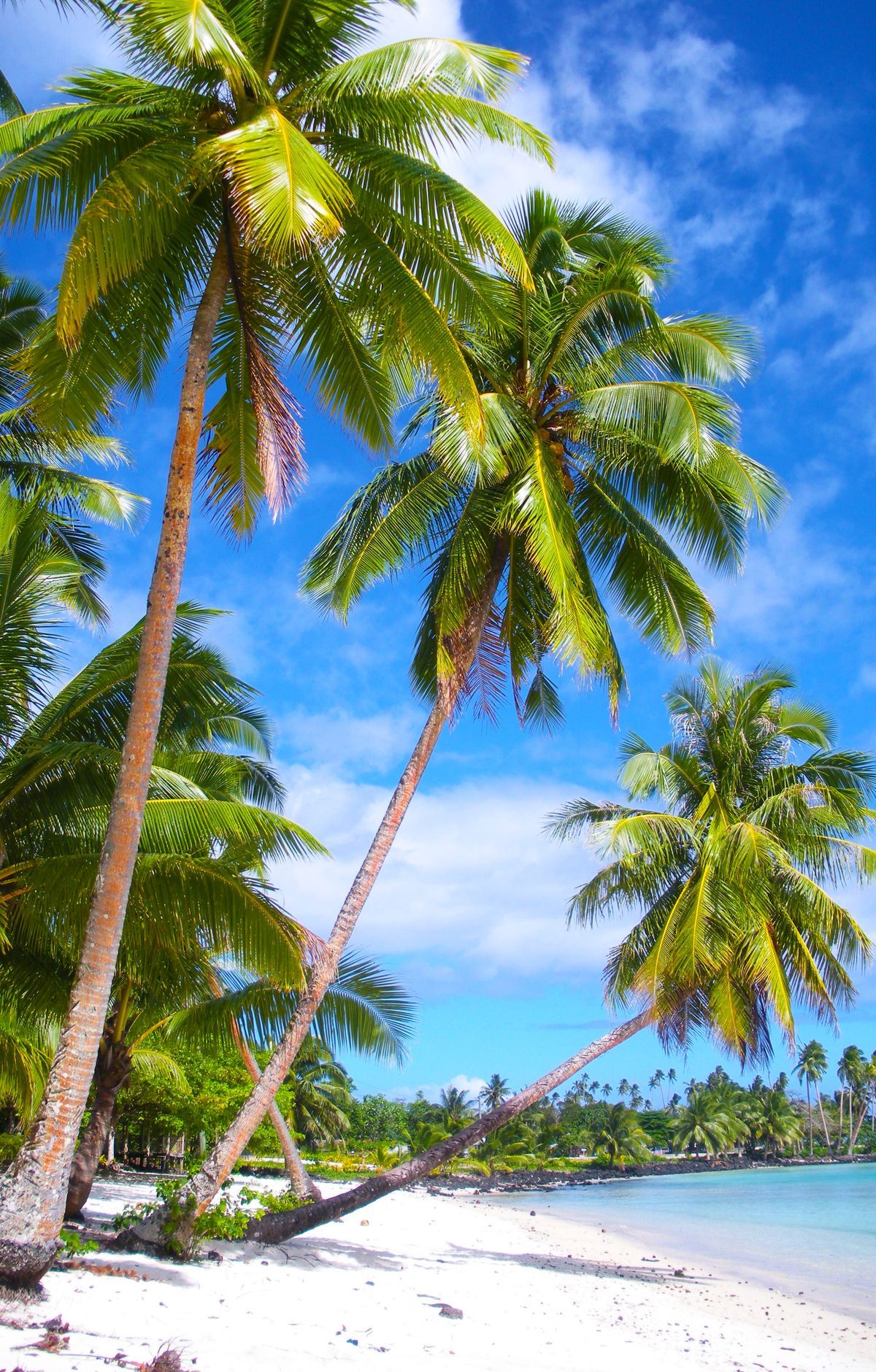
The only U.S. national park south of the equator spreads across three islands: Tutuila, Ofu and Ta'u. Tropical rainforests cover its mountains, where flying foxes, also called fruit bats, pollinate many of the fruit-bearing trees. Offshore, coral reefs shelter some of the richest marine life in the United States and its territories, and snorkelers can explore them. Hiking trails wind through the forest, and the Pola Island and Vai'ava Strait Viewpoint is one of the park's highlighted sights. Samoan culture is part of the park too, and visitors can learn about traditional practices in local villages.
Park Areas
All areas →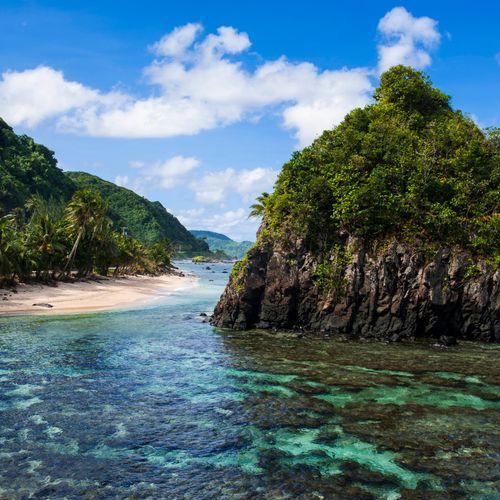
Tutuila Unit
Tutuila is the only part of the park reachable by car, and tropical rainforest covers its steep ridges above Pago Pago Harbor. The Mount Alava Trail climbs about 7 miles round trip through the forest to a summit of 1,610 feet, with panoramic views of the harbor, Rainmaker Mountain, and the north coast. A scenic road crosses Afono Pass on its way to the village of Vatia, passing Amalau Valley, which is home to many native birds and flying foxes, and offering views of Pola Island. The World War II Heritage Trail passes remains of a wartime encampment and a historic tramway, and the park lands include gun emplacement sites at Breakers Point and Blunts Point. Begin at the visitor center in Pago Pago.
Ofu Unit
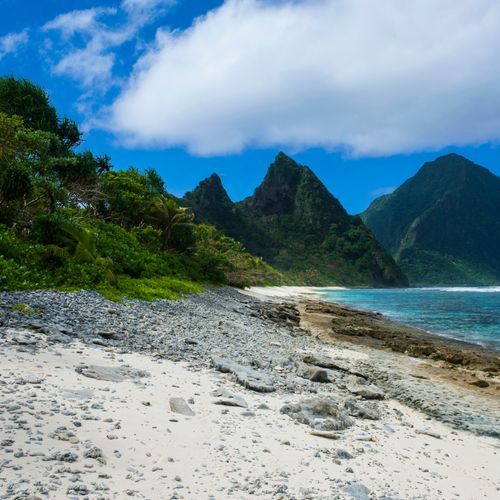
The Ofu Unit is almost entirely underwater, and its coral reefs draw snorkelers and scuba divers to waters that rank among the best in American Samoa. The reefs here are good examples of the coral found in this part of the Pacific. Ofu Beach stretches two miles, with Sunu'itao Peak and Piumafua Mountain as its backdrops. Getting to the unit takes effort, since small fishing boats from Ta'ū are not always reliable and flights arrive from Pago Pago. Accommodations are available on the island, so you can settle in and spend your days on the water.
Ta‘ū Unit
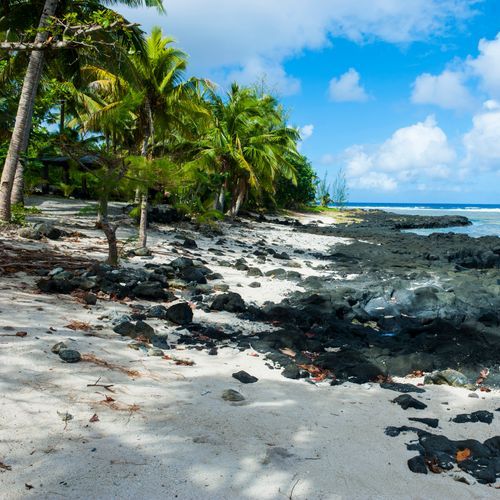
The Ta‘ū Unit is the largest and most wild of the park's three units, and it contains the highest point in American Samoa, Lata Mountain. Tropical rainforest covers much of the island. The Mount Lata Trail once climbed to the summit, but it has grown over and needs machete work before it is passable. The Saua to Si'u Point Trail runs around the point to the southern coast, where sea cliffs and a rocky coastline line the shore, and the Ta'u Coastal Trail follows that shoreline. Hiking here ranges from short easy hikes to more adventurous routes. Offshore, some of the largest living Porites coral colonies in the world grow around the island, and the waters suit snorkeling, diving and fishing.
Popular Hiking Trails
All trails →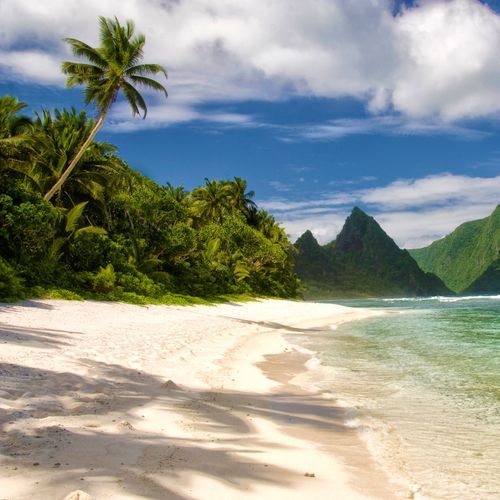
Mount ‘Alava Trail
Difficult8.2 mi
Tuafanua Trail
Easy1.4 mi
Mount 'Alava Adventure Trail
Moderate2.5 mi
Si'u Point Trail
Easy5.2 mi
Lower Sauma Ridge Trail
Easy0.4 mi
Pola Island Trail
Easy0.6 mi
Sunu’itao Peak Base Trail
Easy0.6 mi
Upper Sauma Ridge Trail
Easy1.1 mi
Mount Lata Trail
Easy1.8 mi
Ta'u Coastal Trail
Moderate2.4 mi
Visitor Centers
Visitor Center and Park Store
About the Park
Park Areas
The Tutuila Unit is a prime destination for visitors, offering unique hiking opportunities with trails that lead to panoramic ocean views and lush rainforests. The popular Mount Alava Trail provides a moderate challenge with rewarding vistas. This unit also includes historic sites, such as the remains of a World War II encampment and the historic tramway on the World War II Heritage Trail. It is renowned for its diverse bird species, including the Pacific Kingfisher, making it a focal point for birdwatchers.
The Ofu Unit is known for its pristine beaches, notably the two-mile Ofu Beach, and vibrant coral reefs ideal for snorkeling. It offers a more secluded experience due to its lower visitor numbers. The area boasts rich biodiversity, including unique marine life and bird species, and features volcanic peaks like Sunuitao Peak and lush forests. Historical sites reflecting Samoan culture add to its appeal. Limited infrastructure enhances its untouched charm, making it a unique destination for those seeking natural beauty and solitude.
The Ta‘ū Unit provides a unique experience with its untouched landscapes and cultural heritage. It features dramatic cliffs and lush rainforests, offering a more secluded and pristine environment. Home to native wildlife and plant species, it includes archaeological sites like the sacred site of Saua, offering insights into ancient Samoan culture. This unit is a valuable destination for nature enthusiasts and history buffs alike.
Park Guides
All 12 guides →Reaching Ofu and Ta‘ū by Plane and Boat
Reaching the National Park of American Samoa starts at Pago Pago International Airport on Tutuila, the largest island in American Samoa.
Starting at the Pago Pago Visitor Center
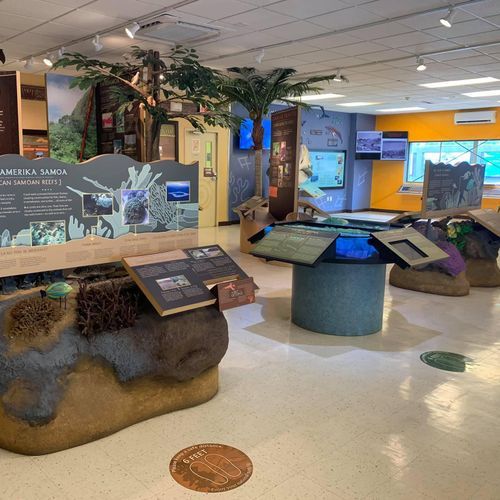
The National Park of American Samoa Visitor Center is in the village of Pago Pago on Tutuila, across from the Pago Way Service Station.
Wet Season, Dry Season and 300 Inches of Rain
The year here divides into two broad seasons. The long, wet stretch from October through May brings frequent showers and the possibility of tropical storms.
Mount Alava Summit and Its Harbor Views
The summit of Mount Alava rises to 1,610 feet on Tutuila, the island that holds Pago Pago.
The Scenic Road to Vatia and Pola Island
The scenic road from Pago Pago to the north coast gives you a good look at the landscape of Tutuila.
