
Big Bend National Park, located in the remote area of West Texas, is a remarkable expanse where the Rio Grande makes a sharp turn, forming the 'big bend' that gives the park its name. This vast wilderness covers over 801,000 acres, featuring a diverse landscape that includes desert, mountains, and river ecosystems.
Here, the Chihuahuan Desert, one of the most biologically diverse deserts in the world, meets the majestic Chisos Mountains, offering an elevation that ranges from about 1,800 feet along the river to 7,832 feet at Emory Peak. The Rio Grande serves as a natural boundary between the United States and Mexico, carving deep canyons with its waters and providing a critical water source for the park's flora and fauna.
Big Bend is known for its spectacular geological formations, ancient limestone cliffs, and dramatic canyons. Geologists and nature enthusiasts alike will find the exposed rock layers, which tell stories of ancient seas, volcanoes, and the uplift of mountain ranges, particularly interesting. The park's rich archaeological heritage reveals human stories dating back over 10,000 years. This includes Native American rock art in various locations throughout the park, as well as the remains of early settler life visible in the ghost towns and homesteads throughout the park.
The park is home to over 450 bird species, making it a haven for birdwatchers, especially during migration seasons when rare species can be spotted. Wildlife in Big Bend also includes the black bear and mountain lion, which have made a remarkable comeback, adding to the biodiversity that includes coyotes, deer, and numerous reptiles and insects.
Visitors can explore the park through its network of hiking trails ranging from short, scenic walks to multi-day hikes. Big Bend also offers opportunities for guided rafting trips along the Rio Grande, horseback riding, and stargazing events in one of the darkest skies in the lower 48 states. The 30-mile Ross Maxwell Scenic Drive highlights historic and geological points of interest and provides access to many of Big Bend's most iconic viewpoints and trails.
As a place of immense quiet and solitude, Big Bend National Park is a sanctuary for those looking to escape into a landscape as large and rugged as Texas itself.
Big Bend National Park
Texas
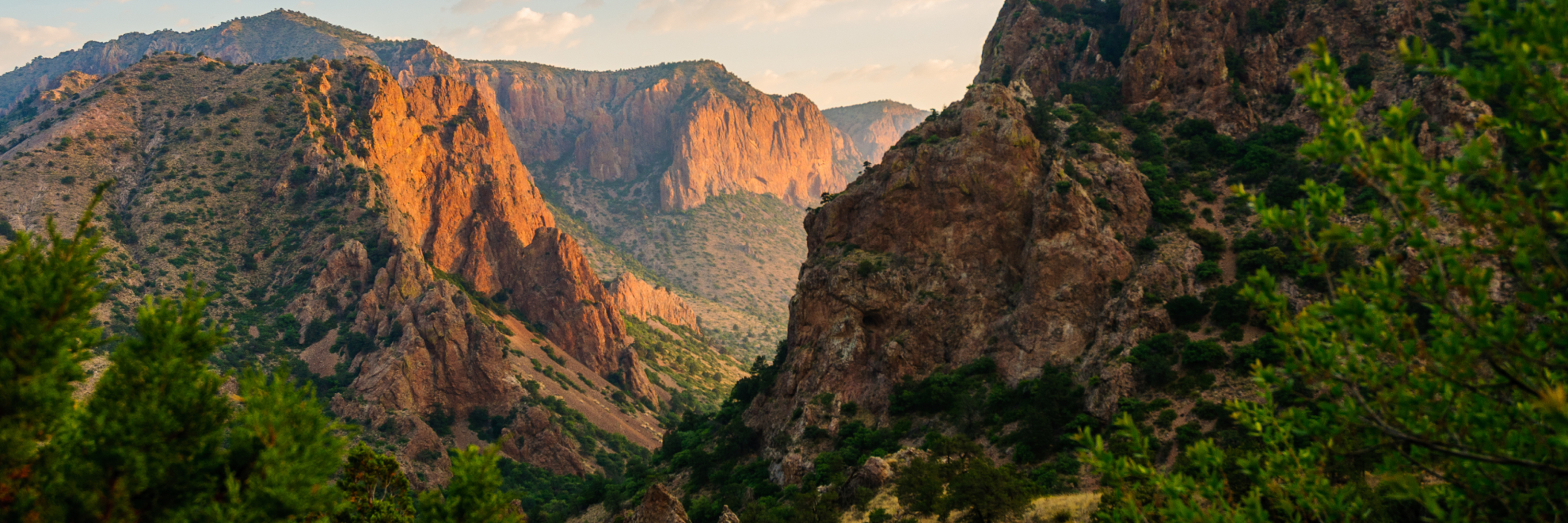
Texas
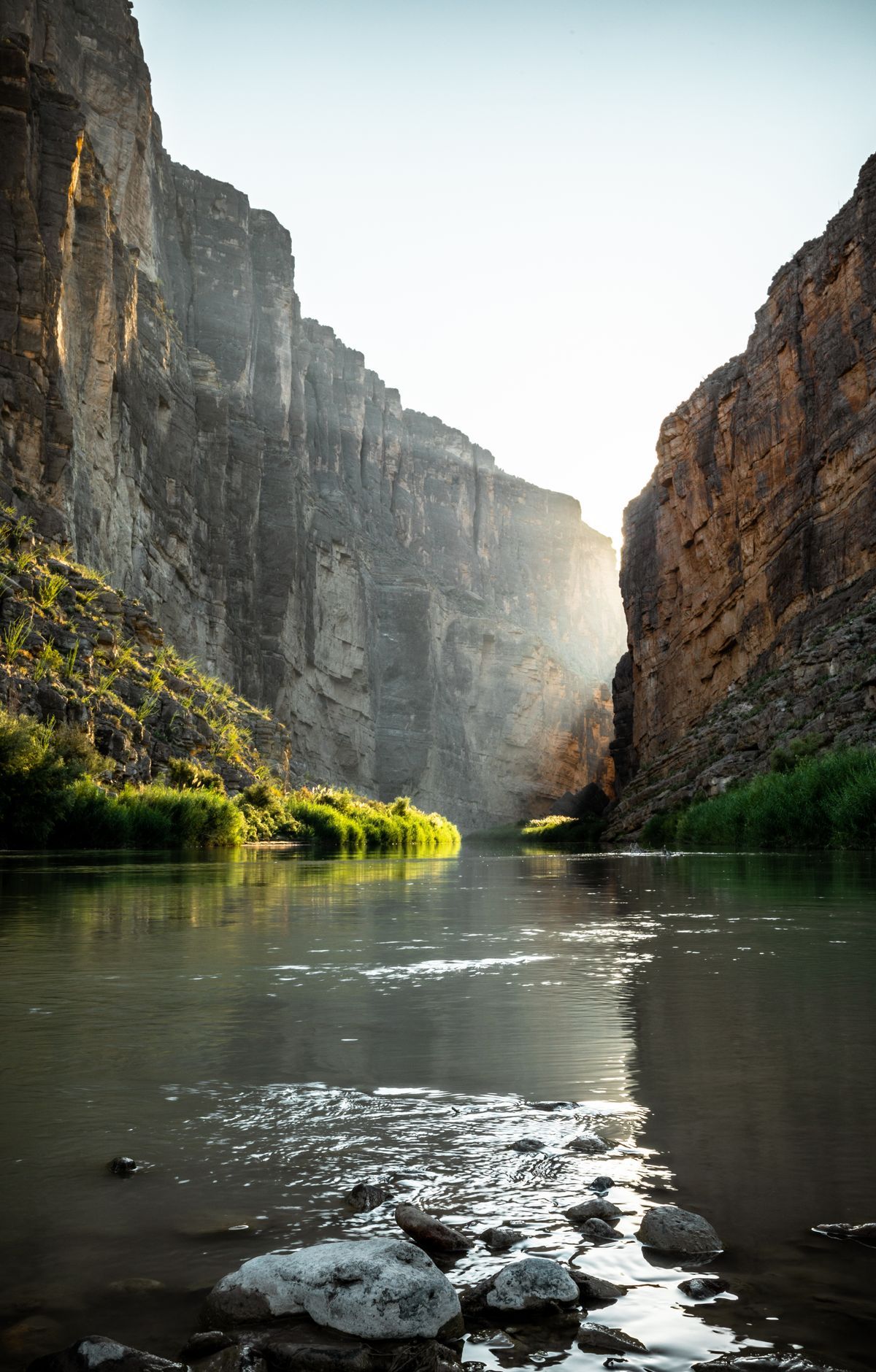
Big Bend holds three separate ecosystems in one remote stretch of West Texas, and few parks in the lower 48 see fewer visitors. Chisos Basin, tucked inside the Chisos Mountains, works as the park's central hub and launch point for hikes such as the South Rim, Lost Mine and Emory Peak trails. The Rio Grande cuts through river canyons, and Ross Maxwell Scenic Drive follows the western section past overlooks to Santa Elena Canyon. Rio Grande Village offers hot springs and a crossing into Boquillas del Carmen, Mexico. Desert plants and more than 450 bird species draw bird watchers, and the dark night skies suit stargazing.
Park Areas
All areas →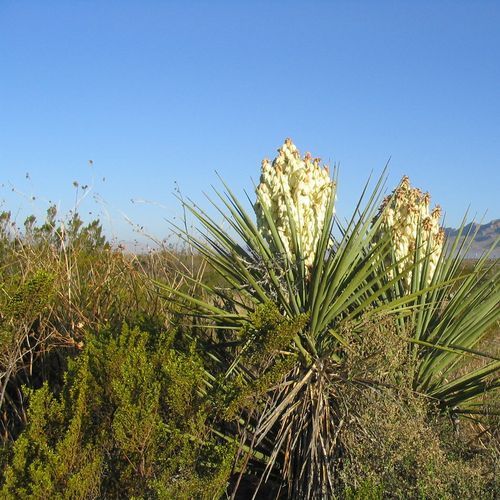
Persimmon Gap
The northern gateway to the park, this low pass between the Santiago Mountains has carried travelers for centuries. Many visitors pass through it on their way in. The Persimmon Gap Visitor Center offers orientation, exhibits, a bookstore and restrooms, and a picnic area sits nearby. Along the road from Panther Junction, roadside exhibits include the Fossil Discovery Exhibit, an open-air museum. The 14-mile Dagger Flat Road is a dirt route that needs a high clearance vehicle and ends in a forest of Giant Dagger Yuccas. Day hikes reach Dog Canyon and Devil's Den, and a primitive trail climbs Persimmon Gap Draw. The scenic 28-mile road to Panther Junction descends a long, gentle slope to Tornillo Creek, with the Rosillos Mountains to the west and the Dead Horse Mountains to the east.
Chisos Mountains
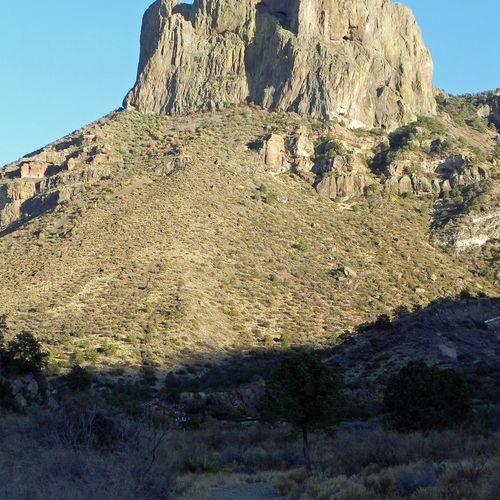
The Chisos Basin sits near 5,400 feet, ringed by rugged peaks, where cooler air and forests of oak, juniper, and Mexican pine stand in contrast to the desert below. The six-mile Chisos Basin Road, built by the Civilian Conservation Corps in the 1930s, winds up more than 2,000 feet and rewards drivers with views of the peaks and the eroded basin. Day hikes start in the basin and range from the short, paved Window View Trail to longer routes toward the peaks. The Chisos Mountains Lodge provides rooms, cottages, and a dining room within the basin. Black bears, mountain lions, gray foxes, and white-tailed deer are common here, and their tracks show up on the trails. Backpacking and backcountry camping are also possible, using designated campsites listed in a backcountry guide.
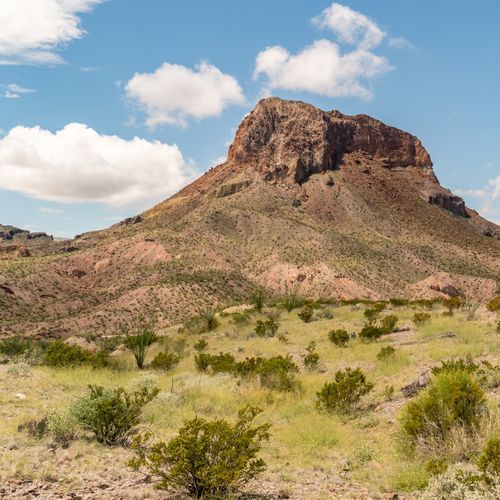
Castolon
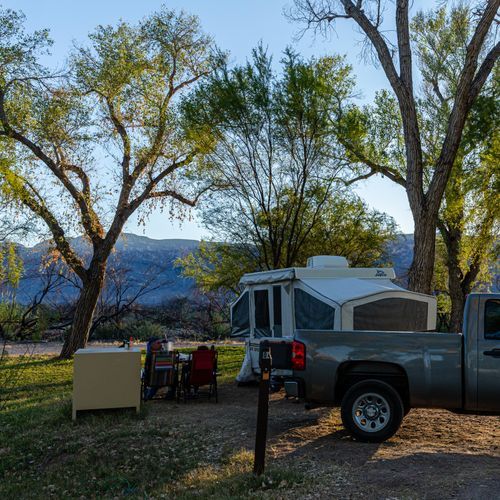
A former cavalry camp from the early twentieth century, this historic district later served as headquarters for the La Harmonia Company, and its adobe buildings now house exhibits on the region's complex past. The Castolon Visitor Center sits just behind the Magdalena House Exhibits, and the small Castolon Store is close by. Ross Maxwell Scenic Drive, a thirty-mile road, runs through historic and geologic terrain to reach the district and Santa Elena Canyon, one of the park's best-known landmarks, where a short trail leads into the canyon walls. Cottonwood Campground lies nearby along the river and offers a quiet place to camp, and picnic tables are set out at the store, the campground, and the canyon trailhead.
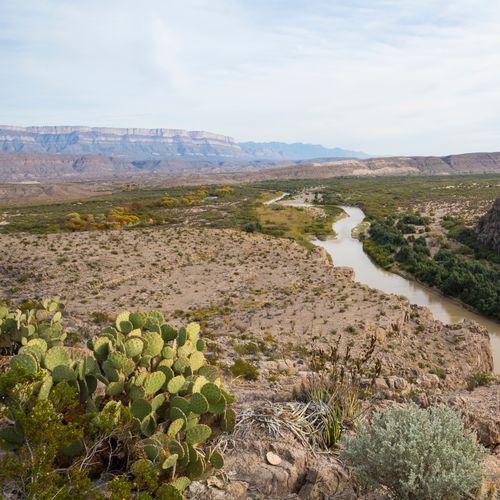
Rio Grande Village
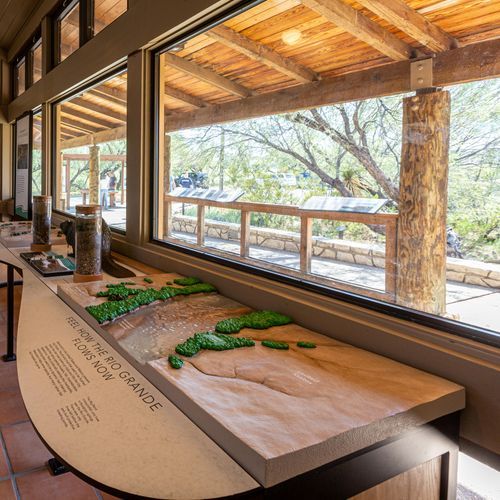
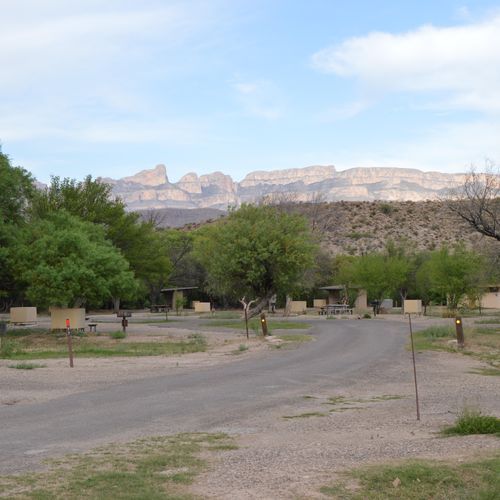
Cottonwoods and mesquite line the Rio Grande here, forming a green riparian corridor that draws birds. More than 300 species have been recorded here, and birdwatchers can search the campground, the cottonwoods behind the store, and Daniels Ranch Picnic Area. The Nature Trail is a 0.75 mile loop that begins at the campground. Its first stretch is a wheelchair-accessible boardwalk over a spring-fed wetland, then it climbs a limestone hill with river views. Nearby, the Hot Springs Historic District offers a soak in warm water and the remains of the park's first resort. A border crossing lets visitors reach the Mexican town of Boquillas del Carmen. The campground sits among cottonwoods and acacia trees, and a camp store with showers is nearby. The visitor center has exhibits on the river and its wildlife.
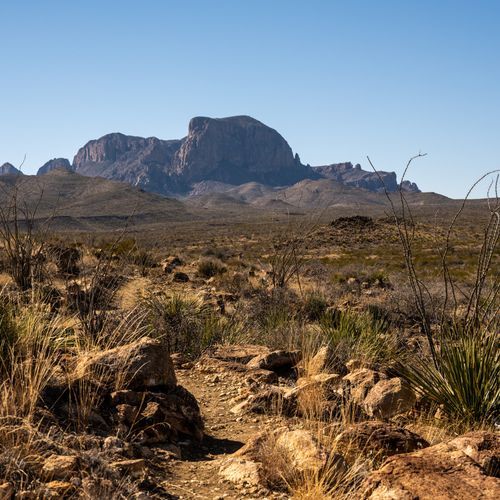
Panther Junction
The visitor center here is the best place to begin a visit, and it sits next to park headquarters. Backcountry and river use permits are issued at the visitor center. Exhibits cover geology, natural history and cultural history, and a theater shows an orientation movie on request. The complex also holds the Big Bend Natural History Association bookstore and a post office. Panther Path is an easy, wheelchair accessible loop of 50 yards through a desert garden, where numbered stops identify Chihuahuan Desert cacti and plants. From headquarters, the northwest view is wide, and on clear days peaks more than 80 miles away come into sight. A 23-mile desert drive from the Maverick Entrance Station ends here, and a strenuous 35-mile paved bike ride runs to Castolon via the Ross Maxwell Scenic Drive.
Popular Hiking Trails
All trails →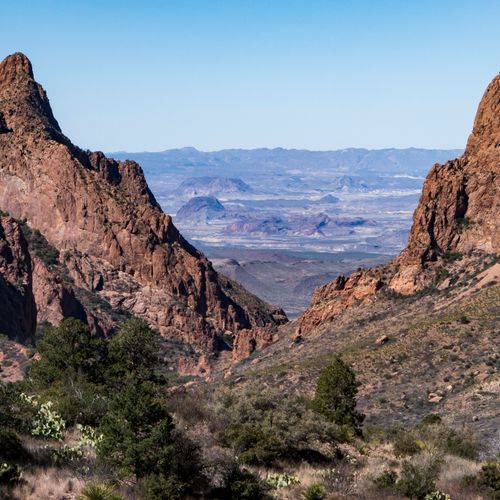
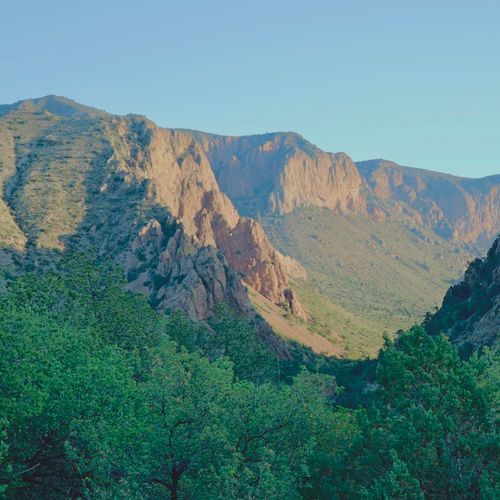
Window Trail
Moderate5.6 mi
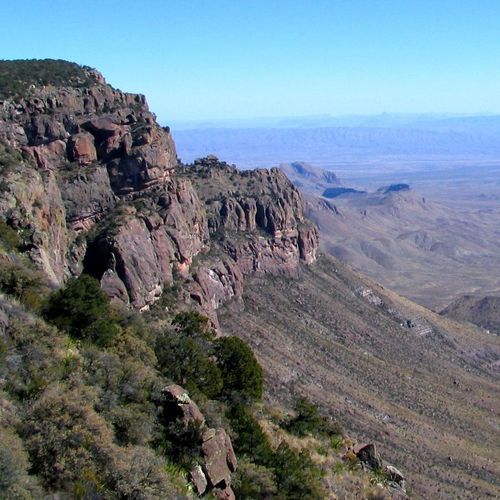
Lost Mine Trail
Moderate4.6 mi
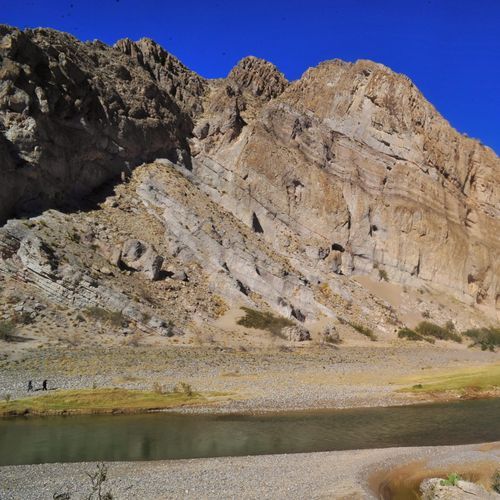
South Rim Trail
Difficult12.3 mi
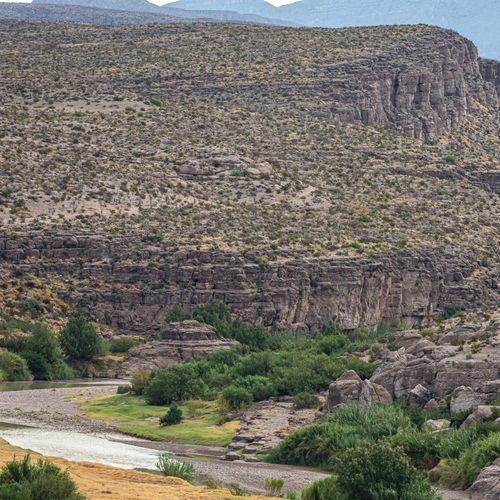
Boquillas Canyon Trail
Easy1.4 mi
Hot Springs Historic Trail
Easy1.2 mi
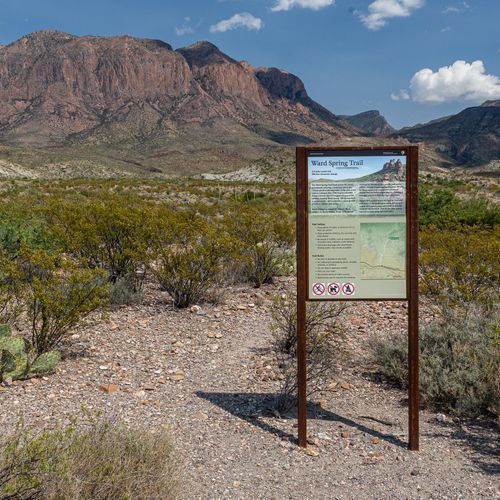
Ward Spring Trail
Easy2.9 mi
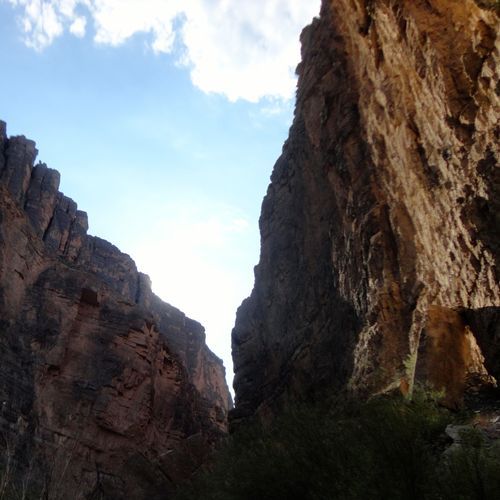
Santa Elena Canyon Trail
Easy1.9 mi
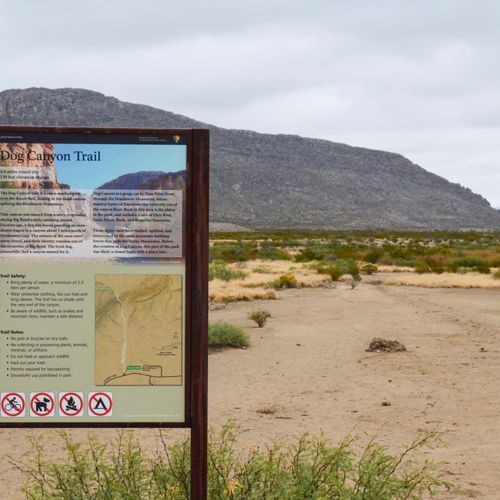
Dog Canyon Trail (Devil's Den)
Easy4.3 mi
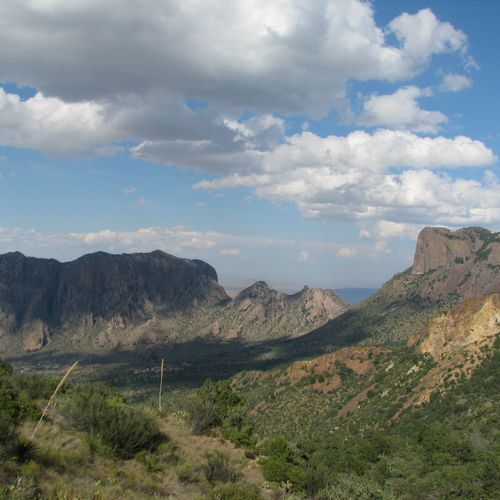
Laguna Meadows Trail
Moderate8.6 mi
Boquillas Crossing
Easy0.1 mi
Visitor Centers
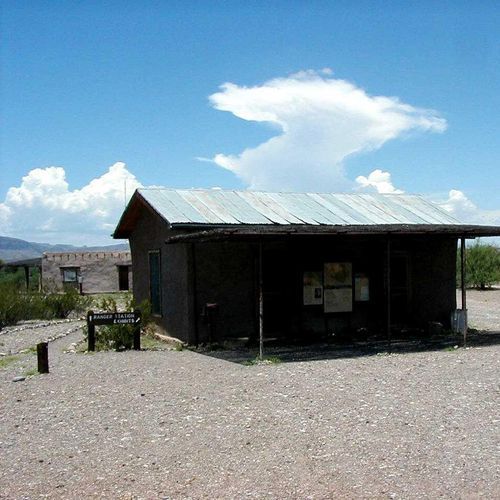
Castolon Visitor Center
10:00AM - 4:00PM
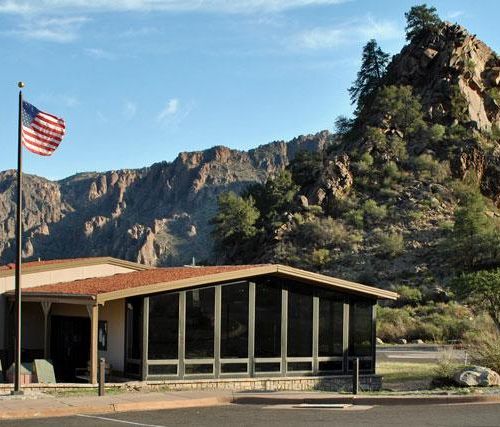
Chisos Basin Visitor Center
8:30AM - 4:00PM
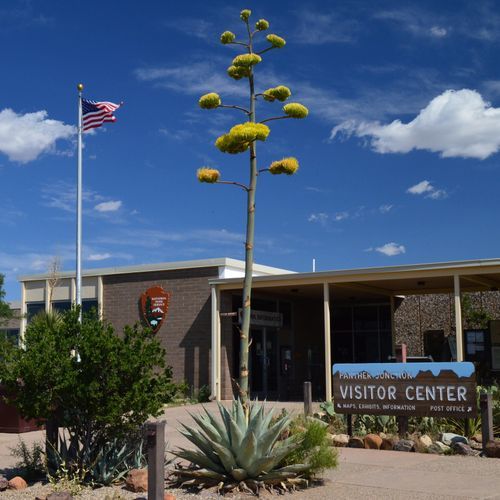
Panther Junction Visitor Center
8:30AM - 5:00PM
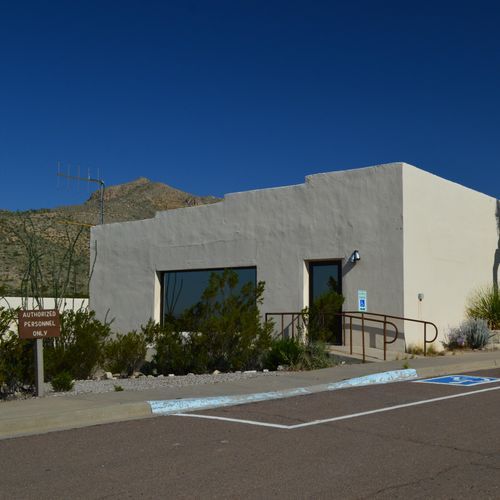
Persimmon Gap Visitor Center
10:00AM - 4:00PM
Rio Grande Village Visitor Center
9:00AM - 4:30PM
Campgrounds
Camping guide →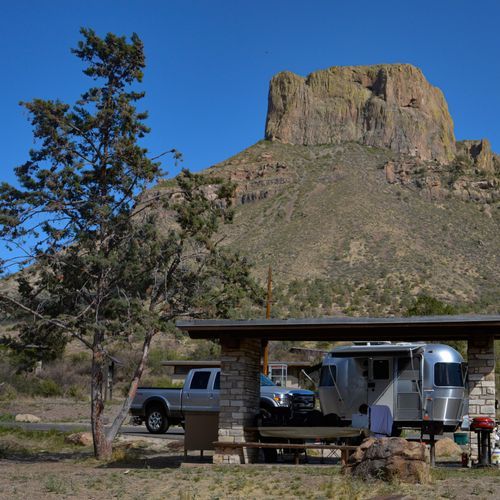
Chisos Basin Campground
Chisos Mountains
Cottonwood Campground
Castolon
Rio Grande Village Campground
Rio Grande Village
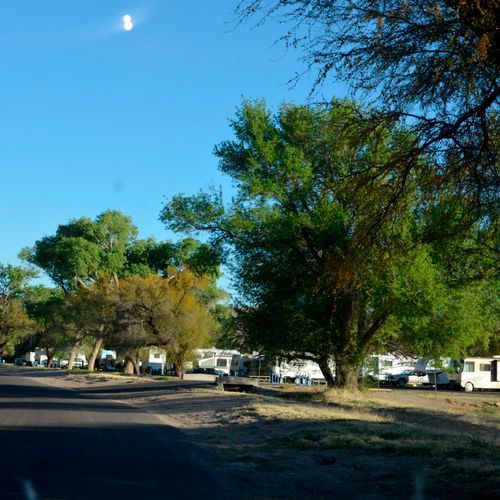
Rio Grande Village RV
Rio Grande Village
About the Park
Park Areas
Persimmon Gap is the northern entrance to Big Bend National Park, offering a gentle transition from desert plains to mountainous areas. It features a visitor center with interpretive exhibits that provide insights into the region's natural and cultural history, making it an essential stop for understanding the park's ecological significance. Chisos Basin, known for its cooler climate, serves as a starting point for popular hiking trails like the Lost Mine Trail. Surrounded by dramatic mountain peaks, it offers stunning vistas and hosts diverse wildlife, including black bears and white-tailed deer. The Chisos Mountains, entirely within the park, provide a distinct contrast to the desert landscape with cooler temperatures and diverse ecosystems. They offer a range of hiking trails and opportunities to observe unique wildlife such as black bears and mountain lions.
Castolon is a historic district that provides insight into early 20th-century life along the U.S.-Mexico border, featuring preserved structures and educational exhibits. Nearby Santa Elena Canyon blends natural beauty with human history. Rio Grande Village offers a unique experience with its proximity to the river, popular for birdwatching and camping. It features accessible hiking trails and a lush riparian environment. Boquillas Canyon provides a serene experience with towering limestone cliffs and opportunities for peaceful exploration. Panther Junction serves as a central hub with essential visitor services, making it an ideal starting point for exploring the park's diverse landscapes.
Park Guides
All 11 guides →Desert Heat, Monsoons and Busy Spring Crowds
Spring is the park's busiest season, and March in particular draws large crowds, often during spring break.
Santa Elena Canyon and the Castolon Corridor
The Ross Maxwell Scenic Drive is a 30-mile paved road along the western side of Big Bend National Park.
South Rim, Emory Peak and the High Chisos
Many of the park's best hikes begin in the Chisos Basin, within the Chisos Mountains. Trails climb through a mix of pine, oak and juniper forest before opening onto wide views.
Paddling 118 Miles of the Rio Grande
The Rio Grande runs for 118 miles along the southern edge of Big Bend National Park, and it also forms the international border with Mexico.
Darkest Skies in the Lower 48
Big Bend National Park became an International Dark Sky Park in 2012, a status granted by the International Dark-Sky Association after the park measured and reduced excess lighting.
